Genres
Artists
Albums
Make Music
Sign in
Sign in
Artists
Mariachi
Artists
Mariachi
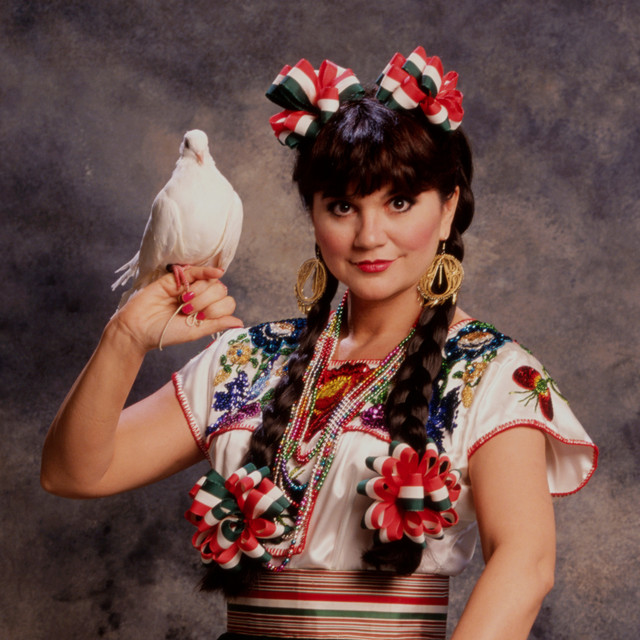
Linda Ronstadt
1974–1996
·
4 albums
Listen
4
/5
Genres
New Tejano
New Tejano is a contemporary rejuvenation of Texas-Mexican (Tejano) music that blends the genre’s traditional accordion-forward polkas, cumbias, and rancheras with modern pop, R&B, and electronic production. It preserves signature elements—diatonic accordion riffs, bajo sexto strums, two-step and cumbia grooves—while embracing glossy synths, punchy drum programming, pop-leaning hooks, and bilingual storytelling. Compared with classic Tejano, New Tejano tends to favor hook-driven choruses, tighter radio/streaming song lengths, and crossover-friendly arrangements that sit comfortably alongside Latin pop and regional mexicano playlists. The result is music that still feels like a Saturday-night baile—joyful, danceable, and community-rooted—yet updated for the streaming era with contemporary sound design and a new generation of voices.
Discover
Listen
Uk Americana
UK Americana is the British take on Americana’s blend of country, folk, blues, and roots rock, filtered through a distinctly UK songwriting sensibility. It keeps the genre’s hallmarks—acoustic-forward arrangements, road-worn storytelling, and organic, live-in-the-room production—while drawing on the British folk tradition’s modal colors, fingerstyle guitar, and understated vocal delivery. In practice, UK Americana favors close vocal harmonies, pedal steel or fiddle ornamentation, and rhythm sections that swing gently between train beats, shuffles, and waltzes. Lyrically it often exchanges American place-names and frontier mythos for British imagery—motorways, coastlines, terraced streets, and pub corners—creating songs that feel rooted, reflective, and quietly anthemic.
Discover
Listen
Queer Country
Queer country is a contemporary movement within country and Americana that centers LGBTQ+ voices, stories, and aesthetics while keeping strong ties to classic country songwriting, instrumentation, and vocal styles. Musically, it often draws from traditional country, outlaw country, honky-tonk, and folk-country, but its defining feature is lyrical perspective: songs about queer love, gender expression, chosen family, rural/working-class life, and the tension between tradition and belonging. Rather than being a single fixed sound, queer country is best understood as a scene and cultural re-framing of country music—one that challenges the genre’s historic heteronormativity while celebrating its narrative power and community roots.
Discover
Listen
Chill Guitar
Chill guitar is a streaming-era microgenre centered on mellow, spacious guitarwork framed by unobtrusive production. It favors clean or lightly saturated electric tones and intimate acoustic textures, arranged to sit comfortably in the background without losing musical interest. Tracks are typically short, loop-friendly instrumentals designed for studying, reading, or relaxing. The mood leans warm and reflective: motifs unfold slowly, effects like reverb and delay create soft ambience, and harmonic movement stays consonant and diatonic. While rooted in guitar performance, it borrows the pocket and sound design of downtempo and lo‑fi hip hop—often adding gentle percussion, vinyl hiss, or subtle field noise to craft a lived‑in, calming feel.
Discover
Listen
Country Road
Country road is a contemporary, radio‑friendly country style optimized for highway listening. It blends modern country pop sheen with heartland rock drive and soft‑rock smoothness, centering warm electric and acoustic guitars, steady backbeats, and sing‑along choruses. Lyrically it leans on story‑telling and snapshot imagery—open roads, small towns, relationships, personal resolve—delivered in a conversational tone. The feel is mid‑tempo, comforting, and panoramic, designed for cruising and easy repeat play.
Discover
Listen
Heartland Rock
Heartland rock is a style of mainstream American rock defined by anthemic songwriting, plainspoken storytelling, and a roots-oriented band sound. It centers on working‑class life, small towns, highways, and everyday resilience, using vivid, cinematic lyrics and big, sing‑along choruses. Musically, it blends the drive of classic rock with the twang of country rock and the earnestness of folk rock. Guitars (both electric and acoustic), organ or piano, steady backbeat drums, and occasional saxophone create a warm, road‑tested feel that favors live, unadorned arrangements over studio gloss.
Discover
Listen
Soft Rock
Soft rock is a mellow, melody-forward strain of rock and pop that favors smooth vocals, polished production, and restrained dynamics over distortion and aggression. Built on acoustic and clean electric guitars, piano or electric piano (Rhodes), light rhythm sections, and lush backing vocals or strings, the style centers on memorable hooks and sentimental themes. Its lyrics often explore love, heartbreak, nostalgia, and introspection, delivered with warmth and clarity. Tempos are moderate, grooves are unobtrusive, and harmonies are diatonic with tasteful color (maj7, add9) and occasional key changes. Commercially, soft rock flourished on AM radio and adult contemporary playlists in the 1970s and early 1980s, shaping the sound of radio-friendly ballads and influencing later styles like yacht rock and modern adult contemporary.
Discover
Listen
Country Rock
Country rock is a hybrid of country music’s storytelling, twang, and acoustic textures with rock’s backbeat, amplification, and song structures. It typically features electric and acoustic guitars, pedal steel, close vocal harmonies, and a steady 4/4 groove, while lyrics focus on roads, small towns, heartbreak, and everyday American life. The sound ranges from jangly and rootsy to polished and radio-friendly, bridging bar-band energy with country elegance and shaping the template for later Americana and heartland styles.
Discover
Listen
Pop
Pop is a broad, hook-driven style of popular music designed for wide appeal. It emphasizes memorable melodies, concise song structures, polished vocals, and production intended for radio, charts, and mass media. While pop continually absorbs elements from other styles, its core remains singable choruses, accessible harmonies, and rhythmic clarity. Typical forms include verse–pre-chorus–chorus, frequent use of bridges and middle-eights, and ear-catching intros and outros. Pop is not defined by a single instrumentation. It flexibly incorporates acoustic and electric instruments, drum machines, synthesizers, and increasingly digital production techniques, always in service of the song and the hook.
Discover
Listen
Rock
Rock is a broad family of popular music centered on amplified instruments, a strong backbeat, and song forms that foreground riffs, choruses, and anthemic hooks. Emerging from mid‑20th‑century American styles like rhythm & blues, country, and gospel-inflected rock and roll, rock quickly expanded in scope—absorbing folk, blues, and psychedelic ideas—while shaping global youth culture. Core sonic markers include electric guitar (often overdriven), electric bass, drum kit emphasizing beats 2 and 4, and emotive lead vocals. Rock songs commonly use verse–chorus structures, blues-derived harmony, and memorable melodic motifs, ranging from intimate ballads to high‑energy, stadium‑sized performances.
Discover
Listen
Latin
Latin (as a genre label) is a broad umbrella used by the recording industry to categorize popular music rooted in Latin America, the Caribbean, and the Iberian world, often characterized by syncopated Afro-diasporic rhythms, dance-forward grooves, and lyrics primarily in Spanish or Portuguese. As a marketplace category that took shape in the mid-20th century United States, it gathers diverse traditions—Afro-Cuban, Brazilian, Mexican, and Caribbean styles—into a shared space. In practice, "Latin" spans everything from big-band mambo and bolero ballads to contemporary pop, rock, hip hop, and dance fusions produced by artists of Latin American heritage.
Discover
Listen
Country
Country is a roots-based popular music from the rural American South that blends Anglo-Celtic ballad traditions with African American blues, gospel, and string-band dance music. It is characterized by narrative songwriting, plainspoken vocals with regional twang, and a palette of acoustic and electric instruments such as acoustic guitar, fiddle, banjo, pedal steel, and telecaster guitar. Rhythmically it favors two-step feels, train beats, shuffles, and waltzes, while harmony is largely diatonic (I–IV–V) with occasional country chromaticism and secondary dominants. Across a century, country has evolved through substyles like honky-tonk, the Nashville and Bakersfield sounds, outlaw country, neotraditionalist revivals, pop-country, and country-rap hybrids, but it consistently prioritizes storytelling about everyday life, love, work, faith, place, and identity.
Discover
Listen
Lullaby
A lullaby is a soothing song or instrumental piece intended to calm and help infants or young children fall asleep. It is typically slow, soft, and repetitive, with a narrow melodic range and gentle rhythms that mimic the rocking motion of cradling. While lullabies exist in virtually every culture, they share common musical traits: simple harmonies (often I–IV–V progressions), stepwise melodies, and meters such as 3/4 or 6/8 that suggest sway. Lyrics often reference sleep, safety, night-time imagery, and parental care. In classical contexts, the term “berceuse” (French for lullaby) denotes a lullaby-like character piece.
Discover
Listen
Ranchera
Ranchera (canción ranchera) is a traditional Mexican song genre characterized by passionate, emotive vocals; memorable, singable melodies; and direct, heartfelt lyrics about love, heartbreak, drinking, patriotism, rural life, and personal honor. Although its roots reach back to rural song traditions of the late 18th and early 19th centuries, ranchera consolidated as a national popular style before the Mexican Revolution and was later projected across Latin America through the Golden Age of Mexican cinema. The genre is commonly performed with mariachi (violins, trumpets, vihuela, guitarra, guitarrón), but it can also appear with norteño, banda, or solo voice-and-guitar arrangements. Musically, rancheras often use simple strophic or verse–chorus forms, tonal harmonies (I–IV–V with occasional secondary dominants or modulations), and meters in 3/4 (vals ranchero) or 2/4 and 4/4 (ranchera alegre or ranchera lenta). Vocal delivery features expressive rubato, dramatic dynamic arcs, and the iconic grito (a shouted cry) between phrases.
Discover
Listen
Mariachi
Mariachi is a traditional Mexican ensemble and performance practice that crystallized in western Mexico (especially Jalisco, Colima, Nayarit, and Michoacán) and later became a national and international emblem of Mexican music. Modern mariachi bands typically feature multiple violins, two trumpets, and a rhythm section anchored by the high‑pitched, five‑string vihuela and the deep, fretless guitarrón, often alongside a standard guitar and, in some historic or regional variants, the Mexican harp. The sound balances bright, projecting trumpets and soaring violins over rich strummed textures and a powerful, melodic bass line. Repertoire spans regional sones (including son jalisciense), huapangos, rancheras, corridos, boleros, waltzes, and polkas. Vocal delivery is central: most players sing in stacked harmonies, trade lead verses, and punctuate performances with expressive gritos (exclamations). Costuming (charro suits) and stylized stagecraft are integral to the genre’s identity.
Discover
Listen
Classical
Classical music is the notated art-music tradition of Europe and its global descendants, characterized by durable forms, carefully codified harmony and counterpoint, and a literate score-based practice. The term “classical” can refer broadly to the entire Western art-music lineage from the Medieval era to today, not just the Classical period (c. 1750s–1820s). It privileges long-form structures (such as symphonies, sonatas, concertos, masses, and operas), functional or modal harmony, thematic development, and timbral nuance across ensembles ranging from solo instruments to full orchestras and choirs. Across centuries, the style evolved from chant and modal polyphony to tonal harmony, and later to post-tonal idioms, while maintaining a shared emphasis on written notation, performance practice, and craft.
Discover
Listen
Show all 16 genres
Albums
1996
2
/5
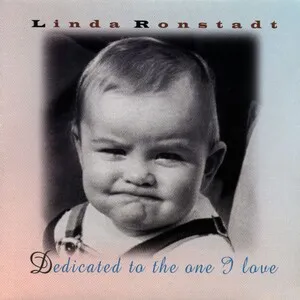
Dedicated to the One I Love
Linda Ronstadt
Lullaby
Classical
Pop
1991
3
/5
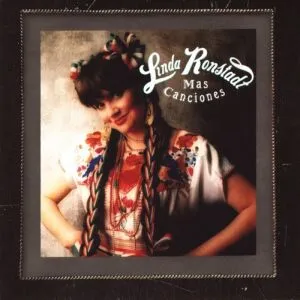
Mas canciones
Linda Ronstadt
Mariachi
Ranchera
Latin
1987
3
/5
Canciones de mi padre
Linda Ronstadt
Mariachi
Ranchera
1974
4
/5
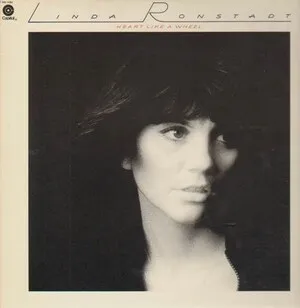
Heart Like a Wheel
Linda Ronstadt
Soft Rock
Similar artists
5
/5
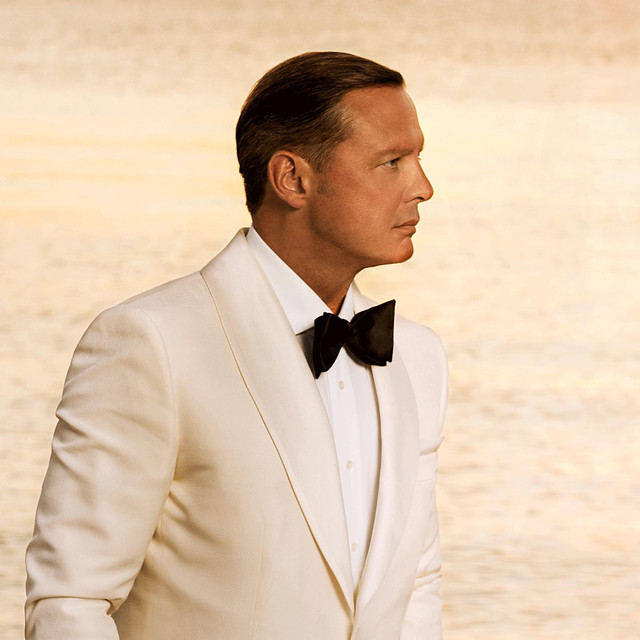
Luis Miguel
Bolero
Latin Pop
Mariachi
5
/5
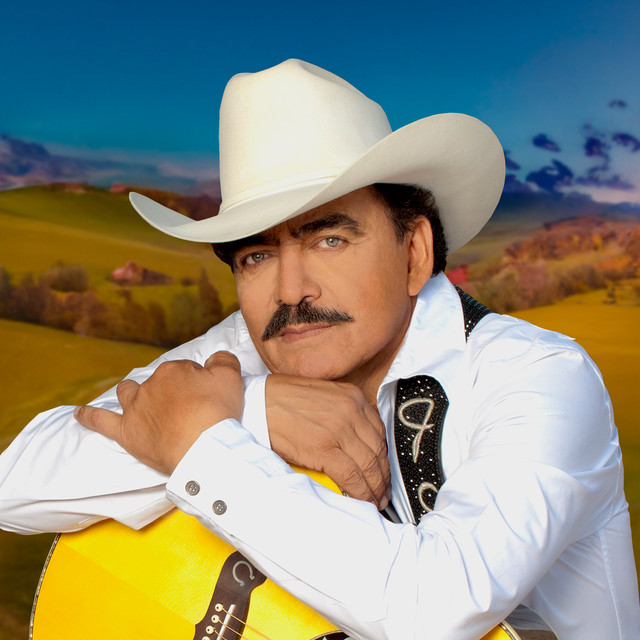
Joan Sebastian
Grupera
Mariachi
Ranchera
5
/5
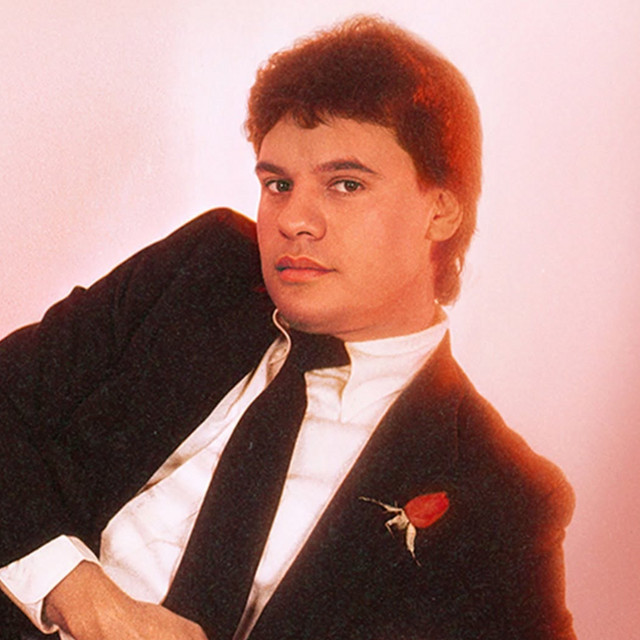
Juan Gabriel
Bolero
Mariachi
Canción Melódica
5
/5
Vicente Fernández
Bolero
Mariachi
Ranchera
5
/5
Marco Antonio Solís
Latin Pop
Mariachi
Cumbia 420
4
/5
Alejandro Fernández
Ranchera
Latin
Mariachi
4
/5
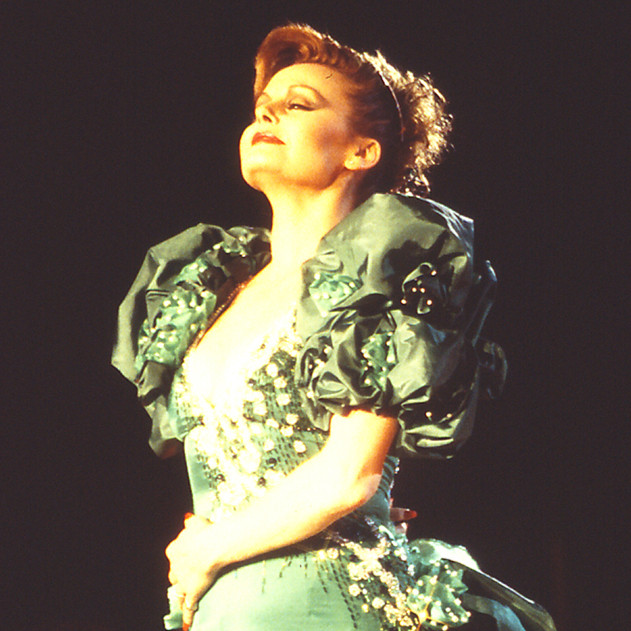
Rocío Dúrcal
Canción Melódica
Mariachi
Bolero
4
/5
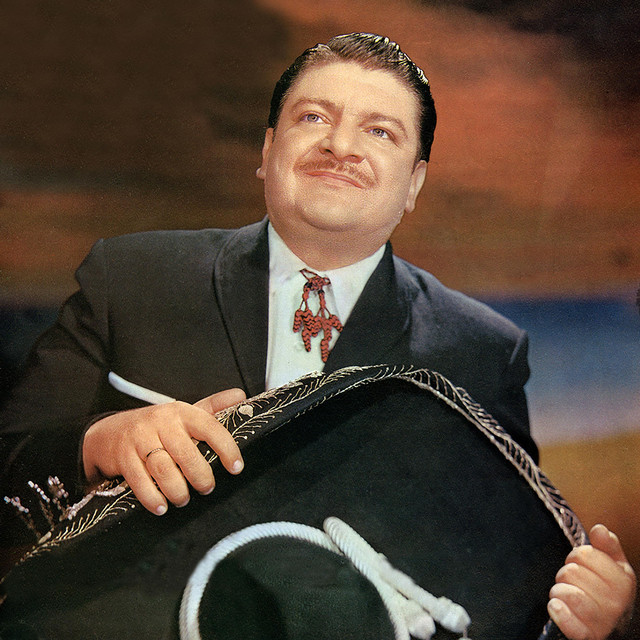
José Alfredo Jimenez
Mariachi
Ranchera
Bolero
4
/5
Ana Gabriel
Ranchera
Mariachi
Reparto
3
/5
Cuco Sánchez
Mariachi
Ranchera
Bolero
Download our mobile app
Get the Melodigging app and start digging for new genres on the go
Download on the App Store
Get it on Google Play
© 2026 Melodigging
Give feedback
Legal
Melodding was created as a tribute to
Every Noise at Once
, which inspired us to help curious minds keep digging into music's ever-evolving genres.