Genres
Artists
Albums
Make Music
Sign in
Sign in
Artists
Opm
Artists
Opm
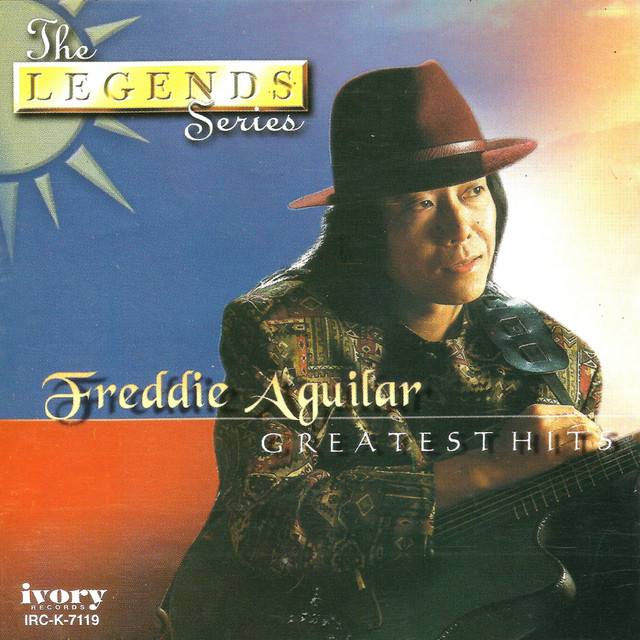
Freddie Aguilar
1989–1993
·
7 albums
Listen
3
/5
Genres
Opm
OPM (Original Pilipino Music) is the umbrella term for Filipino popular music, encompassing mainstream pop, soft rock, ballads, and band music primarily sung in Filipino languages (especially Tagalog) as well as English. The tag crystallized in the 1970s alongside the Manila Sound movement and the formation of a modern local recording industry that foregrounded Filipino songwriting and artists. Stylistically, OPM blends Western pop/rock and soul with indigenous and Hispanic-influenced Filipino song traditions such as kundiman and harana. Melodies tend to be singable and emotive, harmony is diatonic with occasional modulations, and lyrics often revolve around love, nostalgia, family, and national identity. Across decades, OPM has continually evolved—from disco-tinged 70s pop and 80s power ballads to 90s alternative band culture and today’s polished pop and R&B—while remaining distinctively Filipino in sensibility and storytelling.
Discover
Listen
Pinoy Folk Rock
Pinoy folk rock is a Filipino fusion of Western folk rock with indigenous and popular Filipino musical idioms. It blends the storytelling and acoustic intimacy of folk with the rhythmic drive and band energy of rock. Songs are typically written and sung in Filipino (Tagalog) and other Philippine languages, addressing social issues, national identity, love, and everyday life. Acoustic guitars, light percussion, and occasional Filipino instruments (e.g., banduria, kubing, hegalong, or kulintang colors) sit alongside bass, drums, and electric guitar. The genre crystallized during the 1970s under Martial Law, when musicians used folk-derived melodies and protest-poetry lyricism with rock’s immediacy to reach wide audiences. Its sound ranges from tender ballads to anthemic protest songs and earthy, rootsy grooves.
Discover
Listen
P-Pop
P-pop (Pinoy pop) is the umbrella term for Filipino popular music, spanning slick idol groups, powerhouse solo vocalists, dance-pop, ballads, and hybrid pop-rap/R&B crossovers. While its roots lie in the 1970s OPM (Original Pilipino Music) era—fusing Western pop/rock with Filipino sensibilities—the contemporary P-pop wave integrates K-pop/J-pop-style training, choreography, and group branding with Tagalog or Taglish (Tagalog–English) lyrics and distinctly Filipino storytelling. Sonically, P-pop favors hook-forward choruses, glossy synths, tight vocal stacks, and danceable rhythms, but it also preserves the OPM tradition of emotive belting and big ballad codas. The result is a high-energy, proudly local pop sound built for both live performance and global streaming.
Discover
Listen
Pinoy Rock
Pinoy rock is the Filipino take on rock music, distinguished by its use of Tagalog and other Philippine languages, melodic songcraft, and a strong sense of place and social commentary. Rooted in classic rock and roll, blues rock, and psychedelic rock of the 1960s–70s, it crystallized in the early 1970s when artists began writing original rock songs in Tagalog. Over time it absorbed punk, new wave, alternative rock, and metal, creating a broad spectrum that runs from anthemic, guitar-driven classics to edgy, socially charged punk and radio-friendly pop-rock. Beyond sound, Pinoy rock is a cultural movement: it chronicles everyday life, humor, love, and political realities in the Philippines, often with catchy hooks, sing-along choruses, and conversational, Taglish (Tagalog-English) lyrics.
Discover
Listen
Contemporary Folk
Contemporary folk is a modern evolution of traditional folk aesthetics centered on intimate storytelling, clear melodies, and largely acoustic instrumentation. It favors voice-forward production, fingerpicked or gently strummed guitars, and arrangements that leave space for lyrics to resonate. While rooted in older folk ballad traditions, contemporary folk embraces current themes, production values, and song forms. Artists often blend guitar, banjo, mandolin, fiddle, upright or electric bass, light percussion, and close vocal harmonies, creating a warm, organic sound. The genre frequently addresses personal reflection, social issues, place, memory, and identity, balancing timeless simplicity with contemporary sensibilities.
Discover
Listen
Folk Rock
Folk rock is a fusion genre that blends the narrative lyricism, modal melodies, and acoustic timbres of traditional folk with the backbeat, amplification, and song structures of rock. It typically pairs acoustic or traditional instruments (acoustic guitar, mandolin, fiddle) with a rock rhythm section (electric guitar, bass, drums), often featuring chiming 12‑string guitar textures, close vocal harmonies, and socially conscious or storytelling lyrics. The result ranges from intimate, reflective ballads with a steady backbeat to more anthemic, roots‑driven rock. Emerging in the mid‑1960s through artists such as Bob Dylan and The Byrds, folk rock became a gateway for traditional and roots materials to enter mainstream popular music, and it seeded later movements from country rock and Americana to jangle pop and modern indie folk.
Discover
Listen
Singer-Songwriter
Singer-songwriter is a song-focused style in which the same person writes, composes, and performs their own material, often accompanying themselves on acoustic guitar or piano. It emphasizes personal voice, lyrical intimacy, and storytelling over elaborate production. Arrangements are typically sparse, allowing the melody, words, and performance nuance to carry the song’s emotional weight. While rooted in folk and blues traditions, singer-songwriter embraces pop and rock songcraft, producing works that can range from quiet confessional ballads to subtly orchestrated, radio-ready pieces.
Discover
Listen
Pop
Pop is a broad, hook-driven style of popular music designed for wide appeal. It emphasizes memorable melodies, concise song structures, polished vocals, and production intended for radio, charts, and mass media. While pop continually absorbs elements from other styles, its core remains singable choruses, accessible harmonies, and rhythmic clarity. Typical forms include verse–pre-chorus–chorus, frequent use of bridges and middle-eights, and ear-catching intros and outros. Pop is not defined by a single instrumentation. It flexibly incorporates acoustic and electric instruments, drum machines, synthesizers, and increasingly digital production techniques, always in service of the song and the hook.
Discover
Listen
Rock
Rock is a broad family of popular music centered on amplified instruments, a strong backbeat, and song forms that foreground riffs, choruses, and anthemic hooks. Emerging from mid‑20th‑century American styles like rhythm & blues, country, and gospel-inflected rock and roll, rock quickly expanded in scope—absorbing folk, blues, and psychedelic ideas—while shaping global youth culture. Core sonic markers include electric guitar (often overdriven), electric bass, drum kit emphasizing beats 2 and 4, and emotive lead vocals. Rock songs commonly use verse–chorus structures, blues-derived harmony, and memorable melodic motifs, ranging from intimate ballads to high‑energy, stadium‑sized performances.
Discover
Listen
Kundiman
Kundiman is a Filipino art-song tradition centered on love and devotion, typically sung in Tagalog with refined, lyrical melodies. It is most often set in a slow triple meter (commonly 3/4), employing expressive rubato and ornamentation. Harmonically, kundiman pieces characteristically begin in a minor key and resolve to the parallel major in the refrain, mirroring a poetic journey from yearning to hope. While rooted in indigenous Filipino song and serenade practice, the genre absorbed European art-song and Romantic-era harmonic language during Spanish and early American colonial periods. Beyond romantic themes, kundiman historically served as an allegory for patriotic love of the motherland, especially during the late 19th-century Philippine Revolution. Today it is performed by classical singers and traditional vocalists alike, remaining a cornerstone of Filipino musical identity.
Discover
Listen
Philippine Music
Philippine music is a broad umbrella that spans indigenous Austronesian traditions, centuries of Hispanic and church-influenced forms, and a modern spectrum of pop, rock, hip hop, and R&B known collectively as OPM (Original Pilipino Music). At one end are precolonial and Islamic-court musics such as kulintang gong-chime ensembles in Mindanao and Sulu, bamboo and nose-flute repertories, and epic-chant traditions—relying on cyclical rhythms, interlocking patterns, and modal scales. From the Spanish era came guitar-centered serenades (harana), art song (kundiman), and the rondalla string orchestra, blending Iberian harmony with Filipino melodic sensibility. In the 20th century, American and global influences catalyzed jazz bands, Manila Sound, Pinoy rock, and contemporary P-pop, while Tagalog, Cebuano, Ilocano, Kapampangan, and other languages remained central to lyrical identity. Across all eras, Philippine music emphasizes memorable melody, lyrical directness, danceable and flexible rhythms, and a penchant for romantic and nostalgic expression that coexists with socially conscious songwriting.
Discover
Listen
Show all 11 genres
Albums
1993
3
/5
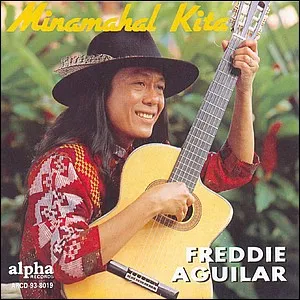
Minamahal kita
Freddie Aguilar
Pinoy Folk Rock
Opm
1989
3
/5
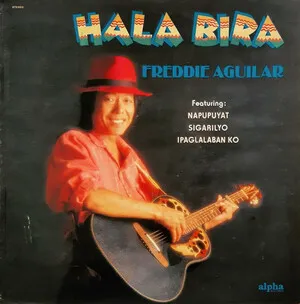
Hala Bira
Freddie Aguilar
Opm
Pop
Rock
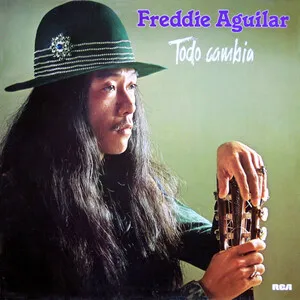
Todo cambia
Freddie Aguilar
Opm
Anak
Freddie Aguilar
Opm
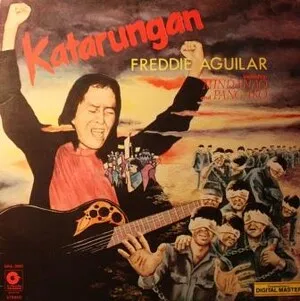
Katarungan
Freddie Aguilar
Pinoy Folk Rock
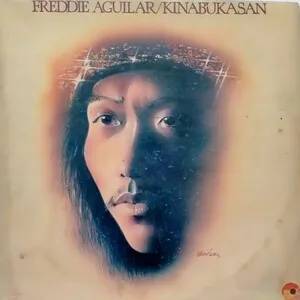
Kinabukasan
Freddie Aguilar
Pinoy Folk Rock
Anak
Freddie Aguilar
Philippine Music
Similar artists
3
/5
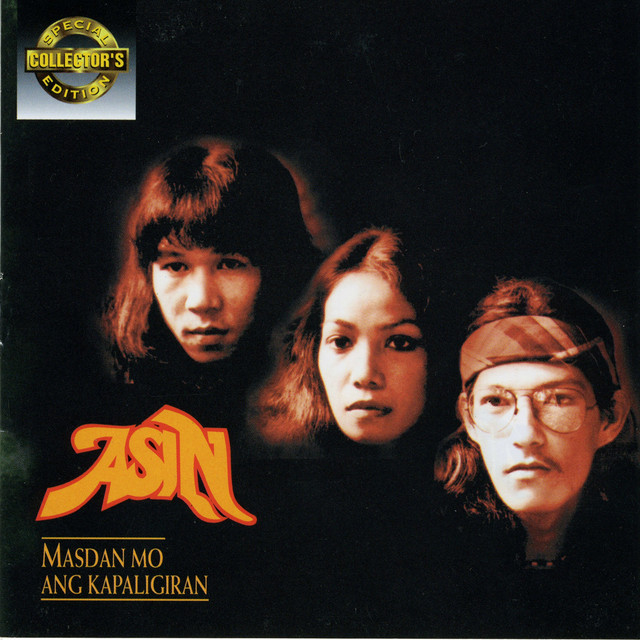
Asin
Manila Sound
Pinoy Folk Rock
Pop
3
/5
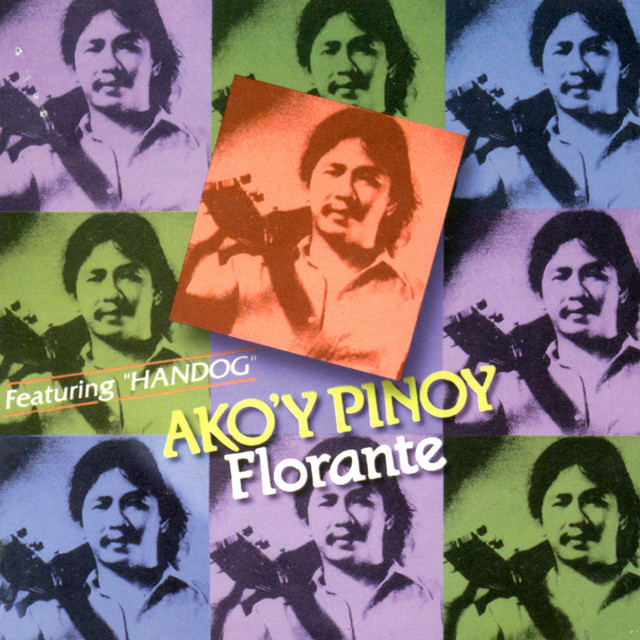
Florante
Pinoy Folk Rock
Kundiman
Manila Sound
2
/5
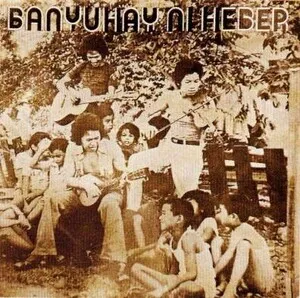
Banyuhay Ni Heber
Kundiman
Opm
P-Pop
4
/5
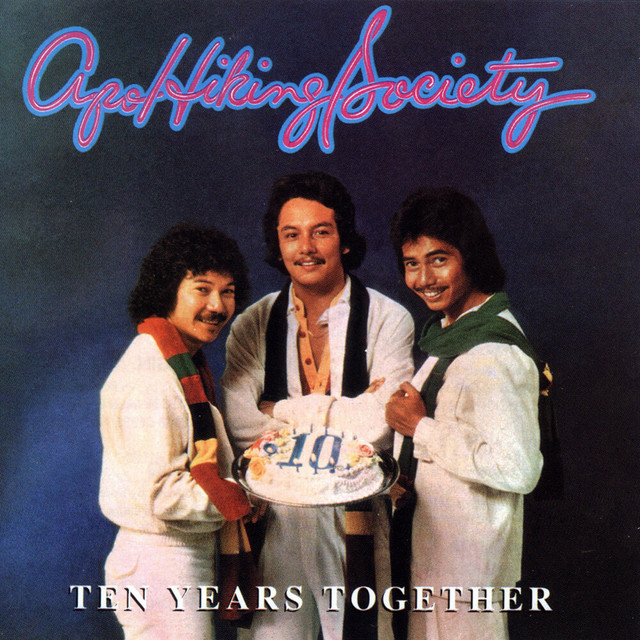
APO Hiking Society
Opm
Manila Sound
Pop
3
/5
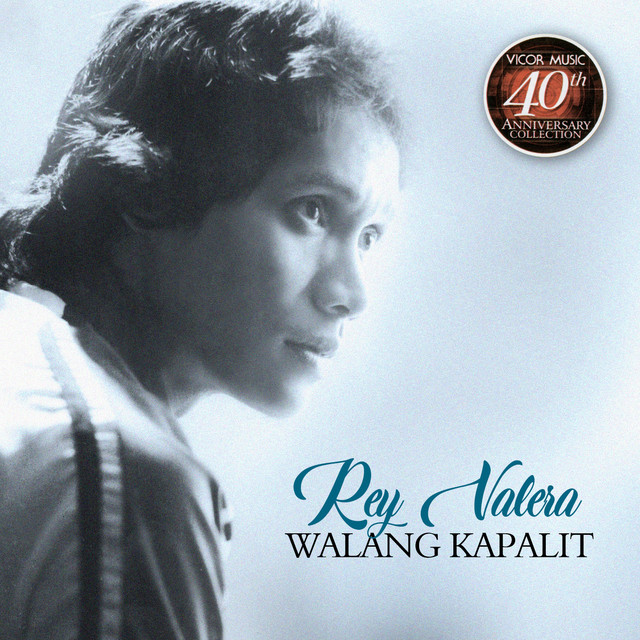
REY VALERA
Manila Sound
Opm
Pop
4
/5
December Avenue
Pinoy Alternative
Pinoy Rock
Batak
4
/5
Up Dharma Down
Harana
Kundiman
Opm
4
/5
Rico Blanco
Pinoy Alternative
Pinoy Rock
Harana
3
/5
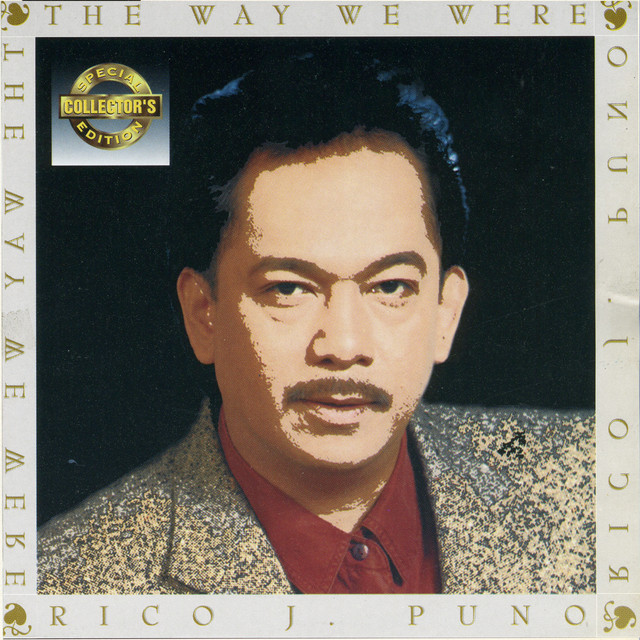
RICO J PUNO
Manila Sound
Opm
Kundiman
3
/5
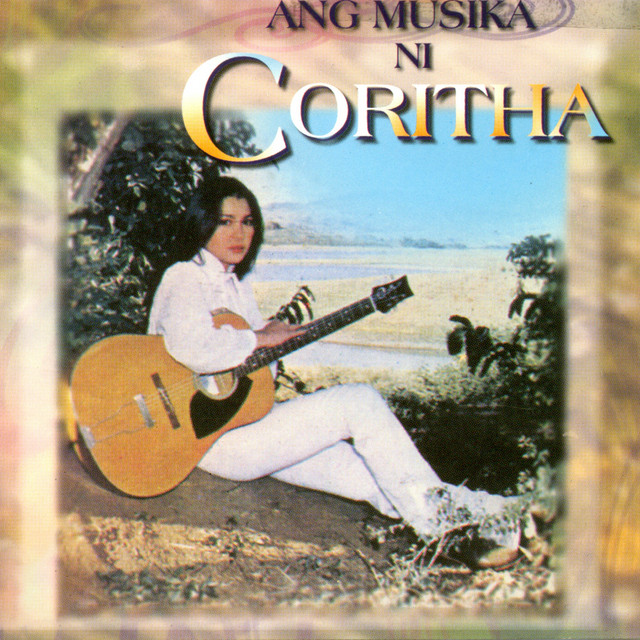
Coritha
Opm
Kundiman
P-Pop
Download our mobile app
Get the Melodigging app and start digging for new genres on the go
Download on the App Store
Get it on Google Play
© 2026 Melodigging
Give feedback
Legal
Melodding was created as a tribute to
Every Noise at Once
, which inspired us to help curious minds keep digging into music's ever-evolving genres.