Your digging level
Description
Manila sound is a light, catchy, and urbane Filipino pop style that crystallized in Metro Manila in the mid-1970s. It blends Western pop, soft rock, disco, funk, and soul with Filipino melodic sensibilities, witty Tagalog/Taglish lyrics, and radio-friendly hooks.
The sound is characterized by singable melodies, slick vocal harmonies, and danceable 4/4 grooves, often arranged with clean rhythm guitars, electric piano, string pads or synths, horns, and hand percussion. Its themes center on city life, romance, and humor, reflecting the everyday experiences of Manila’s youth culture.
Manila sound is widely regarded as a foundation of modern Original Pilipino Music (OPM), bridging 1960s/early-1970s pop ballad traditions and the later disco, synth-pop, and adult-contemporary currents of the 1980s.

History
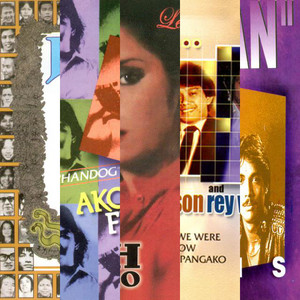
Manila sound emerged in Metro Manila in the mid-1970s as bands and songwriters began crafting a distinctly Filipino form of contemporary pop. Groups like Hotdog popularized witty Tagalog/Taglish lyricism and urbane themes set to soft-rock and funk/disco-leaning grooves. Early radio support and a growing youth market helped the style coalesce into a recognizable “Manila sound.”
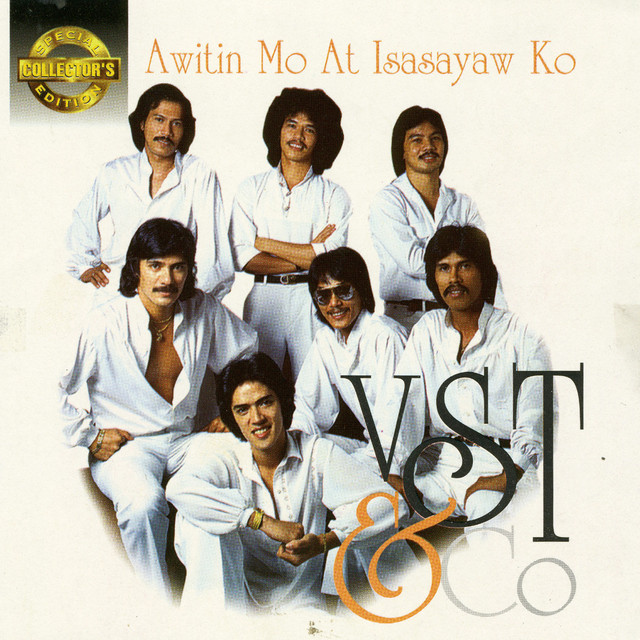
By the late 1970s, Manila sound dominated airwaves and variety shows. Acts such as Cinderella, VST & Company, The Boyfriends, APO Hiking Society, and solo vocalists like Rico J. Puno brought the style into mainstream consciousness with polished arrangements, sticky choruses, and danceable beats. The music offered an upbeat, cosmopolitan soundtrack that resonated strongly with Manila’s urban lifestyle.
As the 1980s arrived, production values modernized and synths became more prominent, gradually steering the scene toward broader OPM and disco/synth-pop directions. While the specific label “Manila sound” receded, its songwriting craft—hook-driven choruses, Tagalog/Taglish storytelling, and suave pop-funk grooves—continued to shape Filipino popular music.
Manila sound is regarded as a cornerstone of OPM. Its repertoire remains a staple of nostalgia playlists, live revivals, and cover versions, and its breezy, hook-first ethos continues to inform contemporary Filipino pop and the later tropipop movement.
Aim for a breezy, danceable 4/4 feel between roughly 100–125 BPM. Keep grooves steady and inviting, with a light, buoyant pocket that suits radio and social dancing.