Your digging level
Description
Tagalog Rap, often synonymous with or a major component of Pinoy Hip Hop, is a genre of music that originated in the Philippines. It features rapping (rhythmic vocal delivery) primarily in the Tagalog language, though often characterized by 'Taglish' (code-switching between Tagalog and English). The genre encompasses a wide range of styles, from the novelty and comedy rap that marked its mainstream breakthrough to socially conscious lyricism, hardcore gangsta rap, and modern trap. Lyrical themes frequently explore Filipino daily life, social and political issues, poverty, love, and national pride. It is distinguished by its use of Filipino rhyme schemes (tugma) and often incorporates samples from classic OPM (Original Pilipino Music) or folk songs.
History
The roots of Tagalog Rap can be traced back to the early 1980s, influenced heavily by American hip hop brought over by U.S. military personnel stationed at Clark and Subic Bay bases. The first recorded Filipino rap track is widely considered to be "Na Onseng Delight" (1980) by Dyords Javier, a parody of The Sugarhill Gang's "Rapper's Delight". This era was defined by novelty acts and the gradual adoption of breakdancing and DJ culture in Metro Manila.
The 1990s marked the explosion of Tagalog Rap into the mainstream. Francis Magalona released his debut album Yo! in 1990, featuring the patriotic anthem "Mga Kababayan Ko", which infused the genre with nationalistic pride and social commentary. Simultaneously, Andrew E. popularized a more comedic and storytelling-driven style with his hit "Humanap Ka ng Pangit". Groups like Death Threat introduced "Gangsta Rap" to the local scene, tackling grittier themes of street life and poverty.
The 2000s saw the genre mature with artists like Gloc-9 bridging the gap between mainstream pop and underground lyricism, known for his rapid-fire flow and poignant storytelling. The era also saw the rise of the FlipTop Battle League in 2010, which became a global phenomenon on YouTube, revitalizing the underground scene and launching the careers of battle rappers like Loonie and Abra. This period solidified the technical proficiency and lyrical complexity of Tagalog rappers.
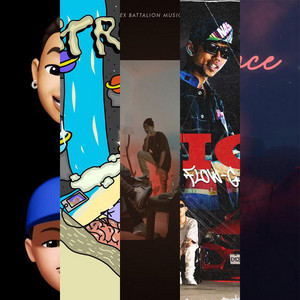
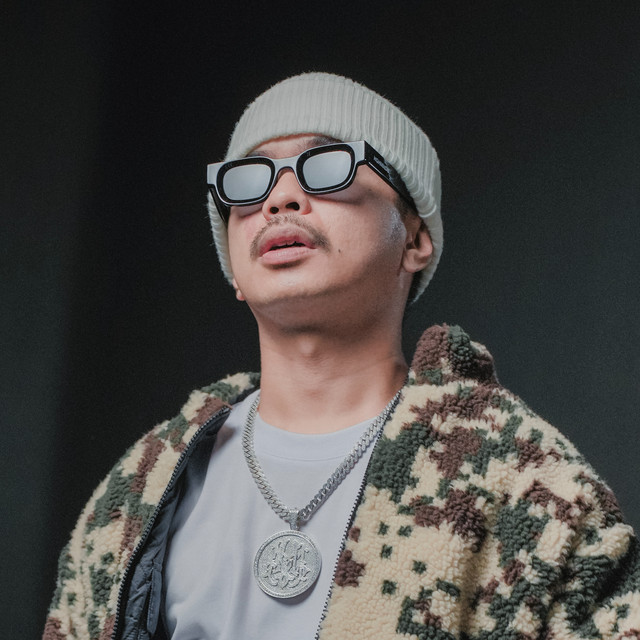
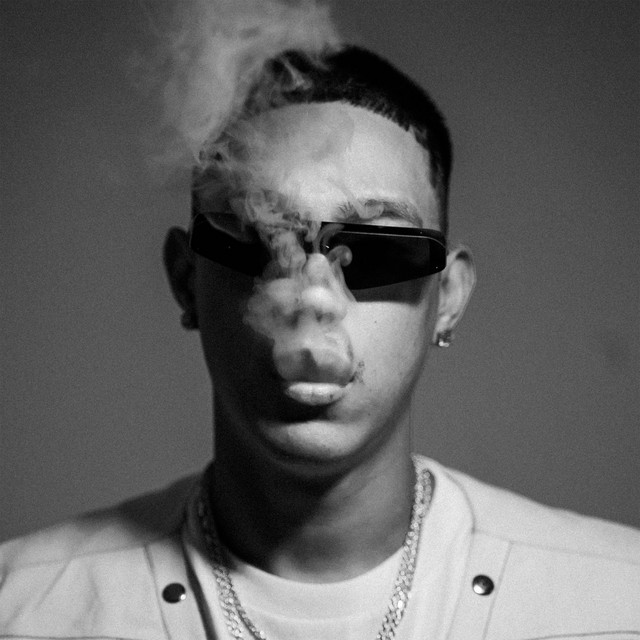
Today, Tagalog Rap has evolved to incorporate modern production styles like Trap and Drill. Collectives such as Ex Battalion and artists like Shanti Dope and Al James have brought the genre to the forefront of the digital streaming era, blending it with R&B and pop sensibilities while maintaining distinct local linguistic flavors.
The core of Tagalog Rap is the mastery of the language. Utilize Taglish (mixing English and Tagalog) to sound conversational and modern, or stick to deep, formal Tagalog for a poetic, 'makata' feel. Focus on Tugma (rhyme), specifically tugmang ganap (perfect rhyme) or tugmang di-ganap (slant rhyme), paying close attention to the syllabic stress and vowel sounds unique to the language.
Experiment with flow patterns. You can adopt the mabilis (fast) chopper style popularized by artists like Gloc-9 for high-energy tracks, or a laid-back, melodic flow common in modern Pinoy Trap. The rhythm should lock in with the beat, often emphasizing the percussive nature of Tagalog consonants.
Production often mirrors American hip hop trends but with a local twist. Use Boom Bap drums for storytelling and conscious tracks, or Trap hi-hats and 808s for club bangers. To add a distinct Filipino identity, sample classic Manila Sound, OPM ballads, or even traditional instruments like the kulintang or bandurria.
Authenticity is key. Write about the Filipino experience: social issues (poverty, corruption, labor), pag-ibig (love and heartbreak, often called 'hugot'), kalye (street life), or kasiyahan (party and celebration). Storytelling is a highly respected element in the genre.