Genres
Artists
Albums
Make Music
Sign in
Sign in
Artists
Pinoy Alternative
Artists
Pinoy Alternative
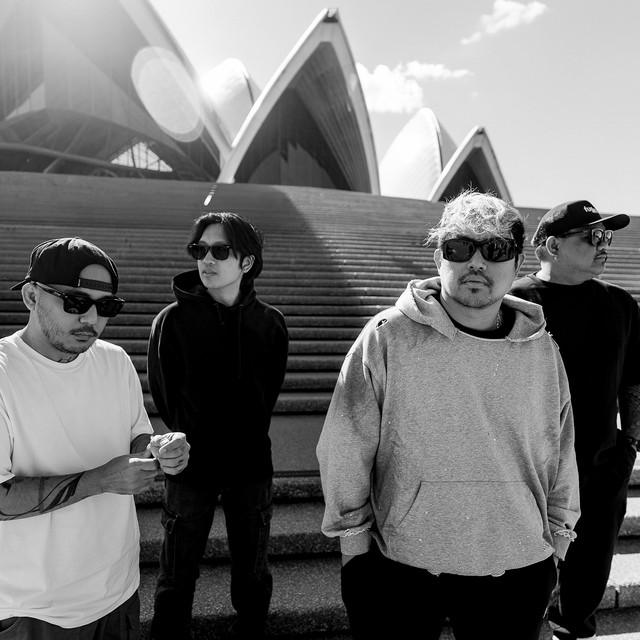
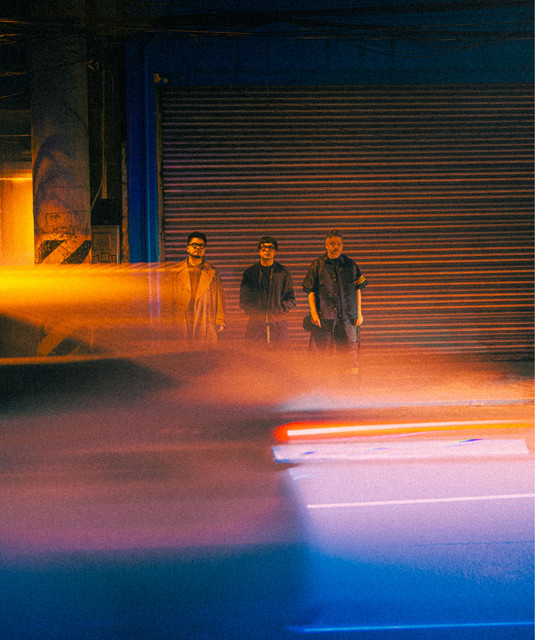
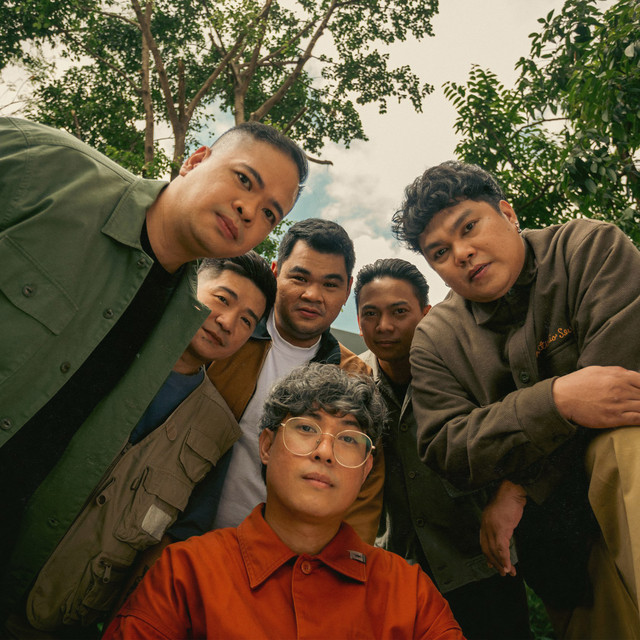
December Avenue
2017–2022
·
4 albums
Listen
4
/5
Genres
Pinoy Indie
Pinoy indie is the independent, do‑it‑yourself wing of contemporary Filipino popular music (often framed within OPM), spanning indie rock, indie pop, dream pop, folk‑leaning acts, and genre‑blending experiments. It is characterized by melodic songwriting, intimate and often poetic lyrics in Filipino and/or English, warm guitar and synth textures, and production that ranges from raw live takes to carefully layered bedroom aesthetics. The scene is deeply tied to Manila’s small venues and college circuits, and it values community, authenticity, and storytelling over strict commercial formulas.
Discover
Listen
Pinoy Alternative
Pinoy alternative (Filipino alternative) is a broad strand of Original Pilipino Music (OPM) that fused the melodic sensibility of local pop with the DIY ethos and guitar-driven sound of global alternative rock. Emerging in the 1990s, the style favored hooky choruses, jangly-to-crunchy guitars, and conversational lyrics in Tagalog, Taglish, and English. It embraced humor, social observation, and youth narratives while drawing from grunge, Britpop, new wave, and indie rock. The result is music that can be witty and anthemic yet reflective and sentimental—distinctly Filipino in voice and storytelling.
Discover
Listen
Emo Pop
Emo pop blends the confessional lyricism and emotional intensity of emo with the bright hooks, concise song forms, and polished production of mainstream pop and pop-punk. The style typically features up-tempo drums, chimey or lightly overdriven guitars, and anthemic choruses built around earworm melodies and glossy vocal harmonies. Lyrical themes revolve around vulnerability, relationships, growing pains, and self-doubt, delivered in an earnest, often dramatic vocal style. Production tends to be clean and radio-ready, with dynamic contrasts between restrained verses and explosive, cathartic choruses.
Discover
Listen
Indie Pop
Indie pop is a melodic, DIY-rooted branch of alternative music that blends the immediacy of pop songwriting with the independence and aesthetics of underground scenes. It typically features jangly, clean-toned guitars, tuneful bass lines, compact song structures, and intimate, literate lyrics that balance sweetness with subtle melancholy. The sound often leans toward bright chord progressions, earworm choruses, and understated production, favoring charm and personality over gloss. Culturally, indie pop is tied to small labels, fanzines, and community radio, with influential scenes and imprints such as Postcard, Sarah, and Creation laying the groundwork for its global diffusion.
Discover
Listen
Pinoy Rock
Pinoy rock is the Filipino take on rock music, distinguished by its use of Tagalog and other Philippine languages, melodic songcraft, and a strong sense of place and social commentary. Rooted in classic rock and roll, blues rock, and psychedelic rock of the 1960s–70s, it crystallized in the early 1970s when artists began writing original rock songs in Tagalog. Over time it absorbed punk, new wave, alternative rock, and metal, creating a broad spectrum that runs from anthemic, guitar-driven classics to edgy, socially charged punk and radio-friendly pop-rock. Beyond sound, Pinoy rock is a cultural movement: it chronicles everyday life, humor, love, and political realities in the Philippines, often with catchy hooks, sing-along choruses, and conversational, Taglish (Tagalog-English) lyrics.
Discover
Listen
Opm
OPM (Original Pilipino Music) is the umbrella term for Filipino popular music, encompassing mainstream pop, soft rock, ballads, and band music primarily sung in Filipino languages (especially Tagalog) as well as English. The tag crystallized in the 1970s alongside the Manila Sound movement and the formation of a modern local recording industry that foregrounded Filipino songwriting and artists. Stylistically, OPM blends Western pop/rock and soul with indigenous and Hispanic-influenced Filipino song traditions such as kundiman and harana. Melodies tend to be singable and emotive, harmony is diatonic with occasional modulations, and lyrics often revolve around love, nostalgia, family, and national identity. Across decades, OPM has continually evolved—from disco-tinged 70s pop and 80s power ballads to 90s alternative band culture and today’s polished pop and R&B—while remaining distinctively Filipino in sensibility and storytelling.
Discover
Listen
P-Pop
P-pop (Pinoy pop) is the umbrella term for Filipino popular music, spanning slick idol groups, powerhouse solo vocalists, dance-pop, ballads, and hybrid pop-rap/R&B crossovers. While its roots lie in the 1970s OPM (Original Pilipino Music) era—fusing Western pop/rock with Filipino sensibilities—the contemporary P-pop wave integrates K-pop/J-pop-style training, choreography, and group branding with Tagalog or Taglish (Tagalog–English) lyrics and distinctly Filipino storytelling. Sonically, P-pop favors hook-forward choruses, glossy synths, tight vocal stacks, and danceable rhythms, but it also preserves the OPM tradition of emotive belting and big ballad codas. The result is a high-energy, proudly local pop sound built for both live performance and global streaming.
Discover
Listen
Pop Rock
Pop rock blends the hook-focused immediacy of pop with the instrumentation and drive of rock. It prioritizes catchy melodies, concise song structures, and polished production while retaining guitars, bass, and drums as core elements. Typical pop rock tracks use verse–pre-chorus–chorus forms, strong vocal harmonies, and memorable riffs. The sound ranges from jangly and bright to mildly overdriven and arena-ready, aiming for radio-friendly appeal without abandoning rock’s rhythmic punch.
Discover
Listen
Rock
Rock is a broad family of popular music centered on amplified instruments, a strong backbeat, and song forms that foreground riffs, choruses, and anthemic hooks. Emerging from mid‑20th‑century American styles like rhythm & blues, country, and gospel-inflected rock and roll, rock quickly expanded in scope—absorbing folk, blues, and psychedelic ideas—while shaping global youth culture. Core sonic markers include electric guitar (often overdriven), electric bass, drum kit emphasizing beats 2 and 4, and emotive lead vocals. Rock songs commonly use verse–chorus structures, blues-derived harmony, and memorable melodic motifs, ranging from intimate ballads to high‑energy, stadium‑sized performances.
Discover
Listen
Kundiman
Kundiman is a Filipino art-song tradition centered on love and devotion, typically sung in Tagalog with refined, lyrical melodies. It is most often set in a slow triple meter (commonly 3/4), employing expressive rubato and ornamentation. Harmonically, kundiman pieces characteristically begin in a minor key and resolve to the parallel major in the refrain, mirroring a poetic journey from yearning to hope. While rooted in indigenous Filipino song and serenade practice, the genre absorbed European art-song and Romantic-era harmonic language during Spanish and early American colonial periods. Beyond romantic themes, kundiman historically served as an allegory for patriotic love of the motherland, especially during the late 19th-century Philippine Revolution. Today it is performed by classical singers and traditional vocalists alike, remaining a cornerstone of Filipino musical identity.
Discover
Listen
Batak
Batak is the umbrella term for the traditional and popular music of the Batak peoples of North Sumatra, Indonesia—most prominently the Toba, Karo, Simalungun, Pakpak/Dairi, Angkola, and Mandailing groups. Core traditions include ritual drum–gong ensembles (e.g., Toba Batak gondang sabangunan; Mandailing gordang sambilan; Karo gendang lima sedalanen), reed and flute melodies (sarune bolon, tulila), and plucked-lute repertoires (hasapi in the Toba gondang hasapi ensemble). The music is typically cyclic and interlocking, built on layered gong timelines, call-and-response vocal lines, and heterophonic elaboration rather than Western harmony. Performances accompany life-cycle rituals (weddings, funerals, communal feasts), dance (tortor), and storytelling. Since the late 19th century, Christian hymnody and later amplified instruments have blended with indigenous practices, producing a continuum from sacred-ritual music to modern stage and recording styles.
Discover
Listen
Harana
Harana is a Filipino tradition of nocturnal courtship serenades performed outside a woman’s window, typically accompanied by a guitar and a small group of male singers. It took shape during the Spanish colonial period and blends Iberian musical elements with local languages and poetic sensibilities. Musically, harana favors gentle tempos, lilting Spanish-derived dance rhythms (especially the habanera and occasional waltz), and simple, elegant harmonies that support expressive, melismatic vocal delivery. Lyrics are written in Tagalog (and other Philippine languages), using highly formal, respectful, and flowery language that extols virtue, modesty, and devotion. While closely related to the more art-song–oriented kundiman, harana is defined by its function as a serenade: a ritualized performance with a call-and-response social script, rather than a concert piece. Its sound world—guitar rasgueado patterns, bass-note–plus–strum accompaniments, and sweet, sentimental melodies—has left a lasting imprint on Philippine love songs and popular ballads.
Discover
Listen
Show all 12 genres
Albums
2022
4
/5
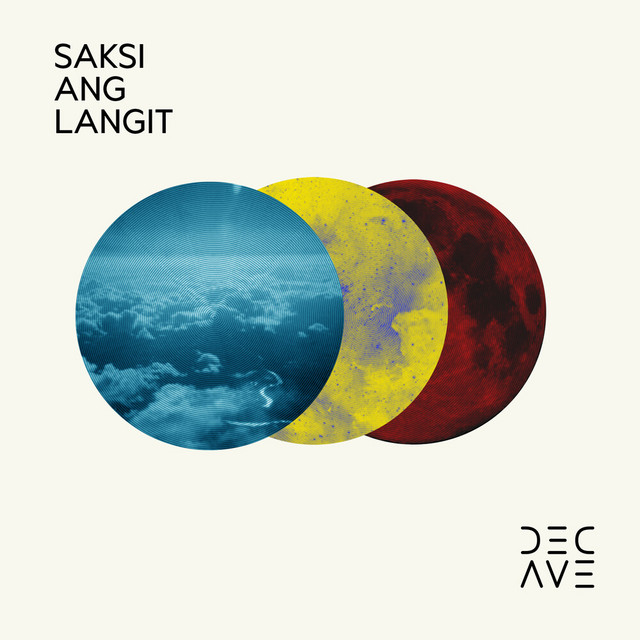
Saksi Ang Langit
December Avenue
Batak
Pinoy Alternative
Pinoy Rock
2020
3
/5
Umaaraw, Umuulan
December Avenue
Pinoy Alternative
Pinoy Rock
Batak
2019
4
/5
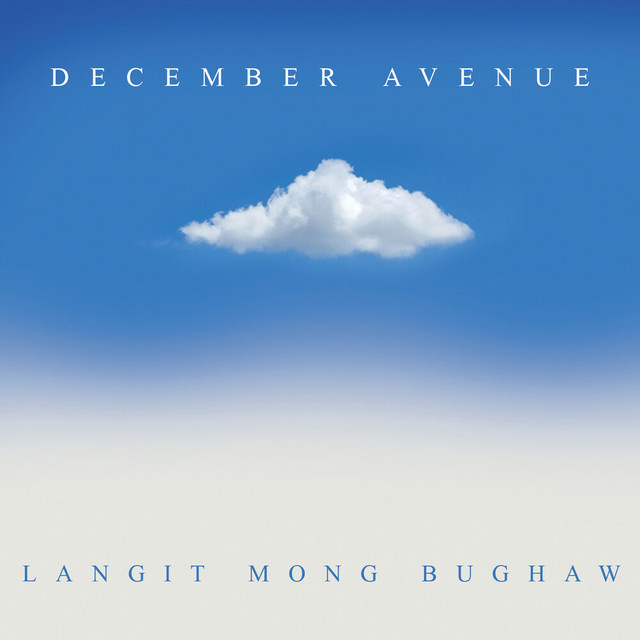
Langit Mong Bughaw
December Avenue
Batak
Pinoy Alternative
Pinoy Rock
2017
4
/5
December Avenue
December Avenue
Pinoy Alternative
Pinoy Rock
Indie Pop
Similar artists
4
/5
Rico Blanco
Pinoy Alternative
Pinoy Rock
Harana
4
/5
Up Dharma Down
Harana
Kundiman
Opm
4
/5
Silent Sanctuary
Pinoy Alternative
Pinoy Rock
Harana
3
/5
Noel Cabangon
Pinoy Alternative
Pinoy Rock
Harana
4
/5
Eraserheads
Harana
Kundiman
Opm
4
/5
Orange & Lemons
Harana
Kundiman
Opm
3
/5
The Itchyworms
Harana
Kundiman
Opm
3
/5
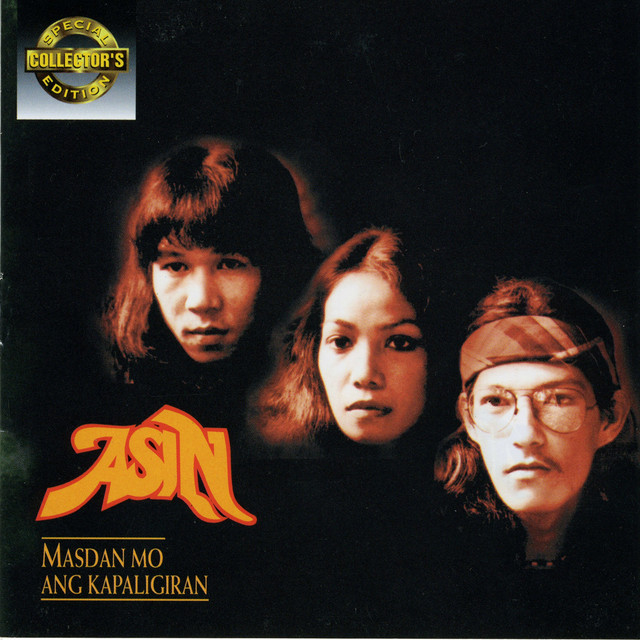
Asin
Manila Sound
Pinoy Folk Rock
Pop
3
/5
Aegis
Kundiman
Opm
P-Pop
3
/5
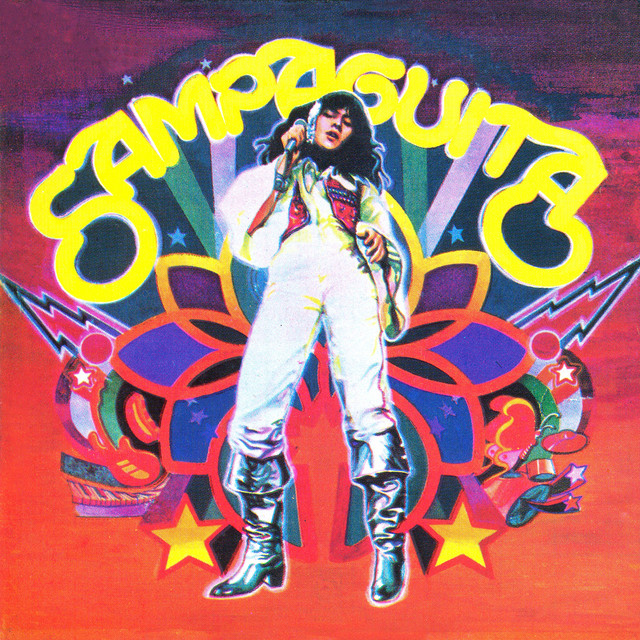
Sampaguita
Kundiman
Opm
P-Pop
Download our mobile app
Get the Melodigging app and start digging for new genres on the go
Download on the App Store
Get it on Google Play
© 2026 Melodigging
Give feedback
Legal
Melodding was created as a tribute to
Every Noise at Once
, which inspired us to help curious minds keep digging into music's ever-evolving genres.