Genres
Artists
Albums
Make Music
Sign in
Sign in
Artists
Jazz Fusion
Artists
Jazz Fusion
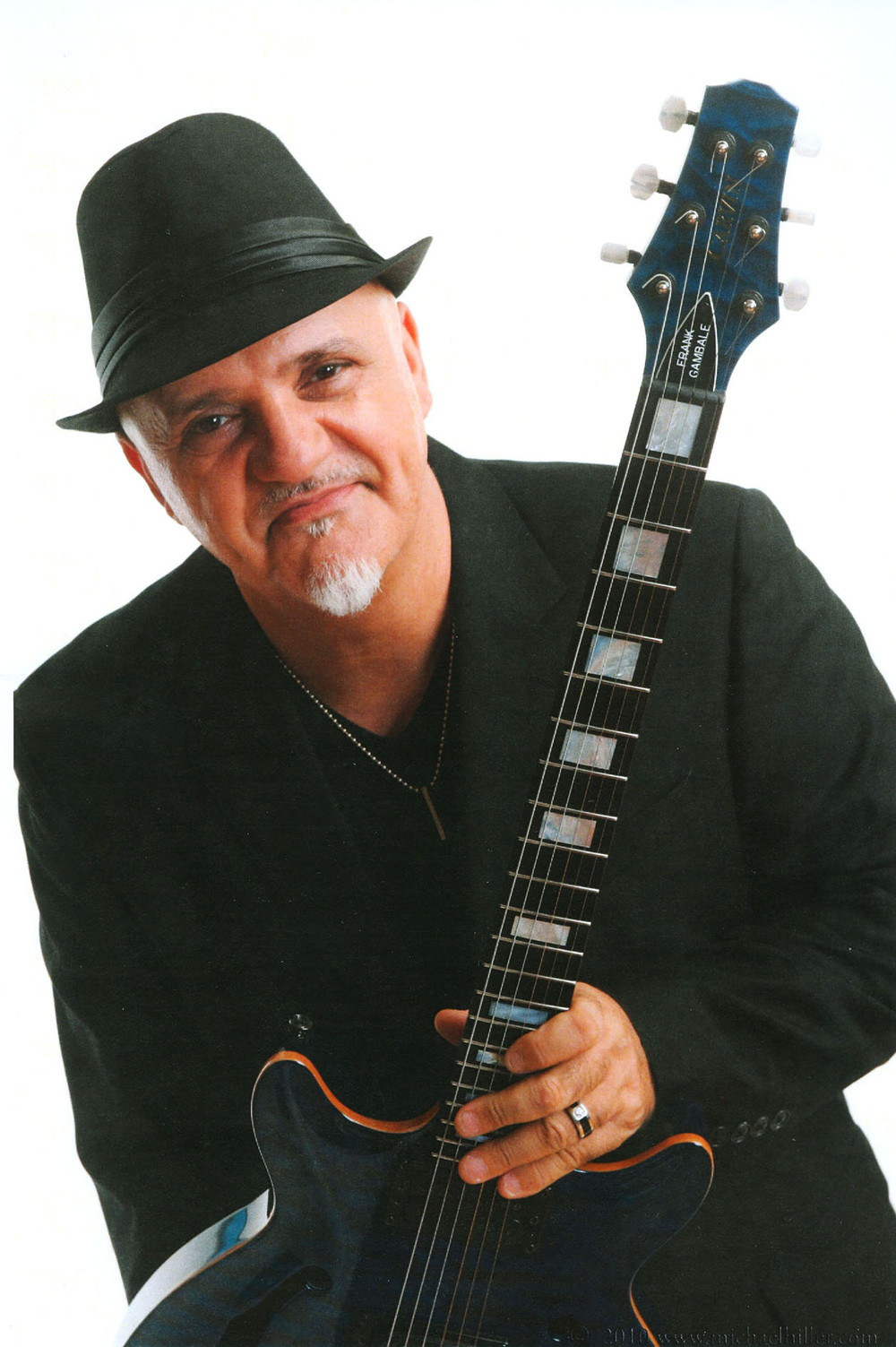
Frank Gambale
1994
·
1 album
Listen
2
/5
Genres
Metal Guitar
Metal guitar is a guitar-centric branch of heavy music that spotlights virtuosic lead playing, high-gain tones, and tightly synchronized rhythm parts. It emphasizes speed, precision, and advanced techniques (alternate and economy picking, sweep arpeggios, legato, tapping, wide vibrato, whammy-bar phrasing, and hybrid picking). Harmonically, metal guitar often draws on modes and scales with a dramatic edge—harmonic minor, Phrygian dominant, diminished and whole‑tone collections—alongside modal riffing (Aeolian, Phrygian) and pedal-point figures. Rhythm guitars are commonly double- or quad‑tracked, palm‑muted, and locked to aggressive drum patterns, while leads soar over dense rhythm beds with saturated sustain. Although it intersects with instrumental rock and many metal subgenres, “metal guitar” specifically spotlights the role of the guitarist as the principal voice, whether in instrumental pieces or guitar-forward band contexts.
Discover
Listen
Contemporary Jazz
Contemporary jazz is an umbrella term for post-1970 jazz that absorbs advances from post‑bop, fusion, free jazz, modern classical, and global traditions while retaining the core values of improvisation and interaction. It favors a flexible rhythmic feel (from straight‑8 to polyrhythms), modal and post‑tonal harmony, and a producer’s ear for space, texture, and sound design. Unlike earlier era labels tied to a single movement, contemporary jazz denotes a living, evolving practice. It ranges from intimate acoustic trios to electronics‑enhanced ensembles, often using odd meters, ambient timbres, and song forms that move beyond the 32‑bar standard. The result is a wide spectrum—from lyrical, ECM‑influenced spaciousness to groove‑forward, rhythmically intricate music influenced by funk and world traditions.
Discover
Listen
Jazz Fusion
Jazz fusion (often simply called "fusion") blends the improvisational language and harmonic richness of jazz with the amplified instruments, grooves, and song forms of rock, funk, and R&B. It typically features electric guitars, electric bass or fretless bass, Rhodes electric piano, clavinet, analog and digital synthesizers, and a drum kit playing backbeat- and syncopation-heavy patterns. Hallmarks include extended chords and modal harmony, complex and shifting meters, brisk unison lines, virtuosic improvisation, and a production aesthetic that embraces effects processing and studio craft. The style ranges from fiery, aggressive workouts to polished, atmospheric textures, often within the same piece. Emerging in the late 1960s and flourishing through the 1970s, jazz fusion became a bridge between jazz audiences and rock/funk listeners, shaping later styles such as jazz-funk, smooth jazz, nu jazz, and parts of progressive and technical rock/metal.
Discover
Listen
Jazz Rock
Jazz rock is a hybrid style that merges the improvisational language and harmonic richness of jazz with the amplified energy, backbeat, and song forms of rock. It typically features electric guitar, bass, and drums alongside jazz-oriented instruments such as saxophone, trumpet, and keyboards, often arranged in horn sections. Extended chords, syncopation, and improvisation coexist with catchy riffs and driving grooves, yielding music that is both virtuosic and accessible. While closely related to jazz fusion, jazz rock generally keeps a stronger tie to rock songcraft and backbeat-centered rhythms.
Discover
Listen
Electric Bass
Electric bass as a genre spotlights the electric bass guitar as the principal voice rather than a purely supporting rhythm instrument. It spans bass-led instrumentals, solo showcases, groove studies, and ensemble pieces where the bass carries melody, harmony, or both. Hallmarks include fingerstyle articulation, slap and pop, tapping, chordal work, natural/artificial harmonics, and expressive use of slides and vibrato. Timbres range from warm, round Motown tones to bright, percussive funk attacks and modern hi‑fi sounds shaped by compression, envelope filters, octave pedals, and light drive. While electric bass defines countless styles (rock, funk, soul, jazz fusion), this tag specifically gathers tracks where the bass line is the aesthetic centerpiece—often featuring extended techniques, virtuosic improvisation, and grooves designed to make the bass line sing as the lead.
Discover
Listen
Jazz
Jazz is an improvisation-centered music tradition that emerged from African American communities in the early 20th century. It blends blues feeling, ragtime syncopation, European harmonic practice, and brass band instrumentation into a flexible, conversational art. Defining features include swing rhythm (a triplet-based pulse), call-and-response phrasing, blue notes, and extended harmonies built on 7ths, 9ths, 11ths, and 13ths. Jazz is as much a way of making music—spontaneous interaction, variation, and personal sound—as it is a set of forms and tunes. Across its history, jazz has continually hybridized, from New Orleans ensembles and big-band swing to bebop, cool and hard bop, modal and free jazz, fusion, and contemporary cross-genre experiments. Its influence permeates global popular and art music.
Discover
Listen
Albums
1994
Passages
Frank Gambale
Electric Bass
Metal Guitar
Similar artists
1
/5
Tom Kennedy
Jazz Fusion
Jazz-Funk
Electric Bass
2
/5
Steve Lukather
Rock
Aor
Hard Rock
3
/5
Jaco Pastorius
Jazz
Jazz Fusion
Jazz-Funk
2
/5
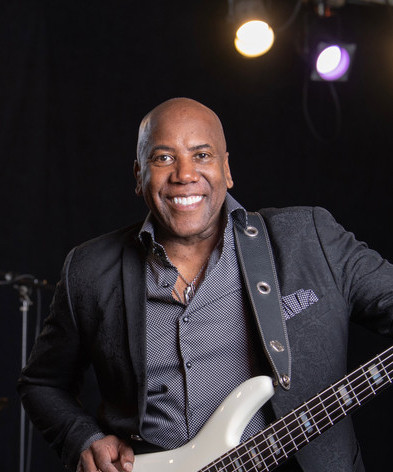
Nathan East
Jazz Fusion
Jazz-Funk
Smooth Jazz
2
/5
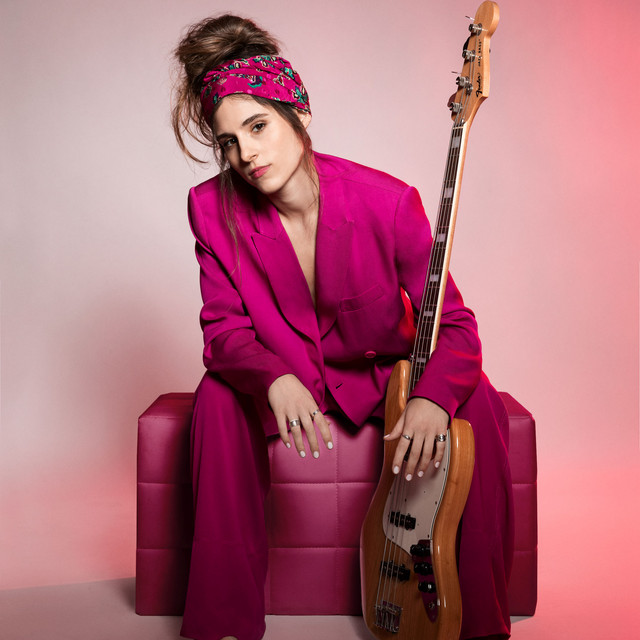
Kinga Glyk
Jazz Fusion
Jazz-Funk
Electric Bass
2
/5
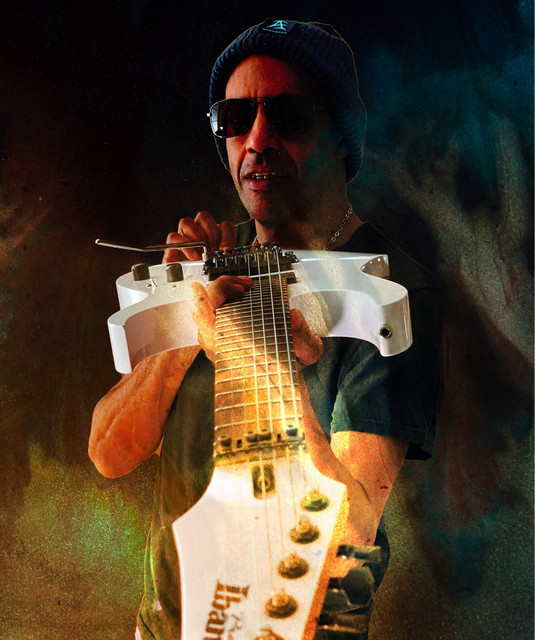
Tony MacAlpine
Jazz Fusion
Neoclassical Metal
Neoclassicism
2
/5
Tal Wilkenfeld
Jazz Fusion
Jazz-Funk
Electric Bass
4
/5
Miles Davis
Hard Bop
Jazz
Jazz Fusion
3
/5
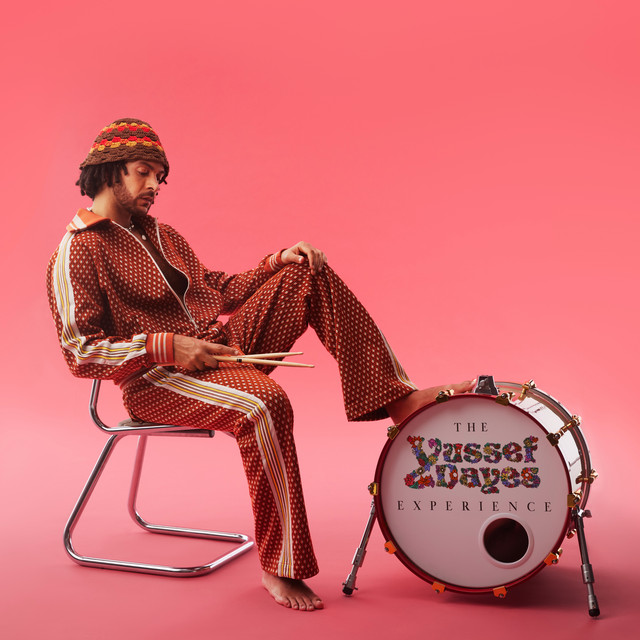
Yussef Dayes
Indie Jazz
Jazz Fusion
Contemporary Jazz
3
/5
Pat Metheny
Avant-Garde Jazz
Jazz
Jazz Fusion
Download our mobile app
Get the Melodigging app and start digging for new genres on the go
Download on the App Store
Get it on Google Play
© 2026 Melodigging
Give feedback
Legal
Melodding was created as a tribute to
Every Noise at Once
, which inspired us to help curious minds keep digging into music's ever-evolving genres.