Genres
Artists
Albums
Make Music
Sign in
Sign in
Artists
Choral
Artists
Choral
Francisco Guerrero
2011–2023
·
2 albums
Listen
2
/5
Genres
Early Music Choir
Early music choir refers to choral ensembles dedicated to Medieval, Renaissance, and early Baroque repertoire, typically performed with historically informed performance (HIP) practices. The sound emphasizes blended, straight-tone singing, clear diction, and modal or early tonal harmonies, often at a moderate, tactus-led pulse. Repertoires include Mass cycles, motets, hymns, anthems, Magnificats, and madrigals by composers such as Josquin, Palestrina, Tallis, Byrd, Victoria, and Monteverdi. Ensembles range from one-voice-per-part consorts to chamber choirs, singing a cappella or with period instruments (organ/positive, cornetts, sackbuts, viols, dulcians). Editorial choices—such as musica ficta accidentals, text underlay, meantone/unequal temperaments, and historically appropriate pronunciation—are integral to the idiom.
Discover
Listen
Renaissance
Renaissance music (c. 1400–1600) marks the shift from medieval sonorities to a clearer, triad-based polyphony in which multiple independent voices are treated with near-equal importance. It favors modal counterpoint, pervasive imitation, smooth voice-leading, and carefully prepared cadences. Text intelligibility and expressive text-setting become central concerns, especially in sacred motets and masses and in secular forms like the Italian madrigal and the French chanson. While much of the repertory is a cappella, instrumental consorts (viol, recorder, sackbut, cornett, organ) play a growing role. A steady tactus underpins rhythms, and tuning systems such as meantone temperament shape its characteristic color. Music printing (from 1501) accelerates stylistic diffusion across Europe.
Discover
Listen
Vocal Ensemble
Vocal ensemble refers to small-to-medium groups of singers (typically 3–16 voices) performing polyphonic or homophonic music with one or few singers per part. Unlike large choirs, vocal ensembles emphasize chamber-scale blend, clarity of individual lines, and intimate text delivery. The repertoire spans medieval conductus and motets, Renaissance madrigals and masses, Baroque part-songs, Romantic partsongs, and contemporary a cappella works. Ensembles often sing a cappella, but may be accompanied by continuo or instruments. Precision of tuning, diction, and balance among soprano/alto/tenor/bass (SATB) parts is central to the idiom.
Discover
Listen
Classical
Classical music is the notated art-music tradition of Europe and its global descendants, characterized by durable forms, carefully codified harmony and counterpoint, and a literate score-based practice. The term “classical” can refer broadly to the entire Western art-music lineage from the Medieval era to today, not just the Classical period (c. 1750s–1820s). It privileges long-form structures (such as symphonies, sonatas, concertos, masses, and operas), functional or modal harmony, thematic development, and timbral nuance across ensembles ranging from solo instruments to full orchestras and choirs. Across centuries, the style evolved from chant and modal polyphony to tonal harmony, and later to post-tonal idioms, while maintaining a shared emphasis on written notation, performance practice, and craft.
Discover
Listen
Choral
Choral refers to music written for and performed by a choir—an ensemble of voices organized into sections such as soprano, alto, tenor, and bass (SATB), or same-voice groupings (SSA, TTBB). It encompasses both sacred and secular repertoire and may be sung a cappella or with accompaniment by organ, piano, or full orchestra. Stylistically, choral music ranges from chant-like monophony to intricate polyphony and rich homophonic textures. Texts are drawn from liturgy, scripture, poetry, and vernacular sources, and are set in many languages. Performance contexts include church services, concert halls, and community events, making choral one of the most socially embedded and widely practiced forms of ensemble music. Across history, choral music has served as a laboratory for vocal counterpoint, word painting, and text-driven form, while functioning as a cultural bridge among religious rites, national traditions, and contemporary concert practice.
Discover
Listen
Albums
2023
Magalhães: Missa Veni Domine & Missa Vere Dominus est
Filipe de Magalhães, Cupertinos, Luís Toscano, Francisco Guerrero
Vocal Ensemble
2011
The Angel's Voice
Francisco Guerrero, Ensemble La Sestina
Early Music Choir
Similar artists
3
/5
Hildegard von Bingen
Gregorian Chant
Plainchant
Classical
2
/5
Emma Kirkby
Choral
Classical
Baroque
2
/5
Tomás Luis de Victoria
Requiem
Choral
Renaissance
2
/5
Josquin des Prez
Franco-Flemish School
Classical
Motet
2
/5
Johannes Ockeghem
Franco-Flemish School
Classical
Medieval
3
/5
Anonymous 4
Gregorian Chant
Medieval Classical Music
Ars Antiqua
1
/5
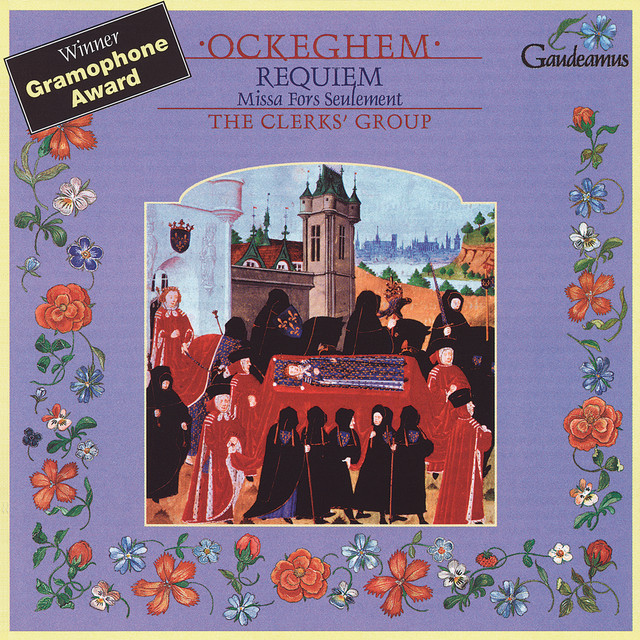
The Clerks' Group
Choral
Medieval
Requiem
3
/5
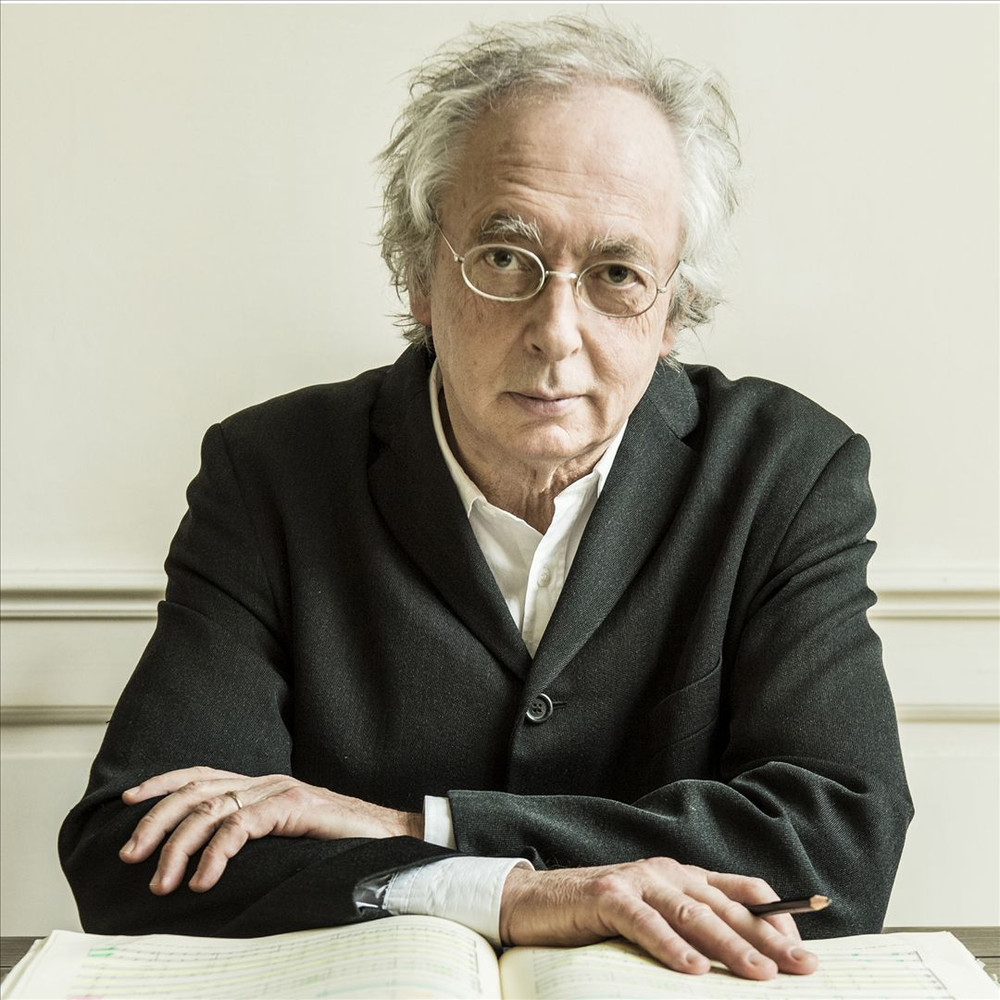
Philippe Herreweghe
Classical
Baroque
Choral
3
/5
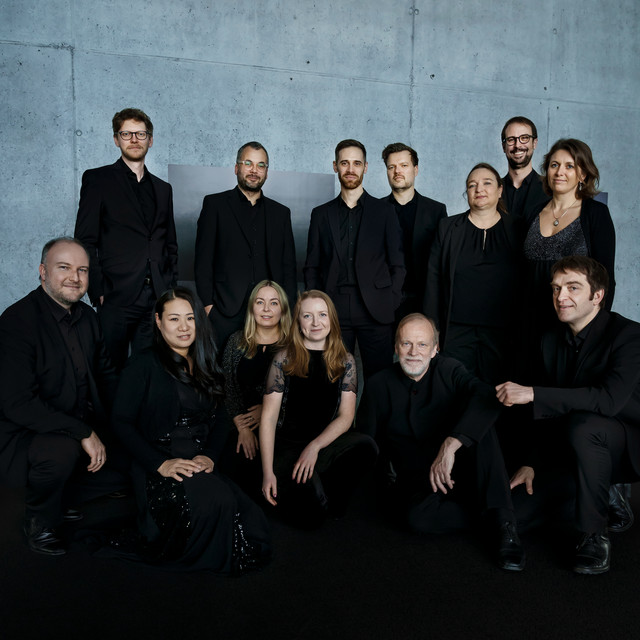
Collegium Vocale Gent
Classical
Baroque
Cantata
3
/5
Giovanni Pierluigi da Palestrina
Classical
Renaissance
Mass
Download our mobile app
Get the Melodigging app and start digging for new genres on the go
Download on the App Store
Get it on Google Play
© 2026 Melodigging
Give feedback
Legal
Melodding was created as a tribute to
Every Noise at Once
, which inspired us to help curious minds keep digging into music's ever-evolving genres.