Genres
Artists
Albums
Make Music
Sign in
Sign in
Artists
Bikutsi
Artists
Bikutsi
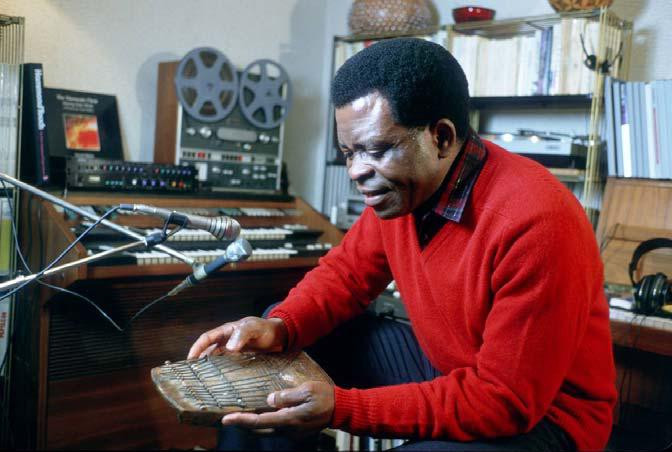
Francis Bebey
1982–2021
·
9 albums
Listen
2
/5
Genres
Souldies
Souldies is a modern revival of classic lowrider “oldies” soul—slow, tender ballads rooted in 1960s and early-’70s sweet soul and doo‑wop aesthetics, reimagined by a new generation of largely Chicano/Latinx artists in Southern California. Characterized by warm, analog-leaning production, mellow backbeats, honeyed vocal harmonies, and heart‑on‑sleeve lyricism, the style favors mid‑slow tempos, tape‑like saturation, spring/plate reverb, and minimalist yet expressive arrangements. English and Spanish (or Spanglish) lyrics often explore love, longing, devotion, and cruising/lowrider culture. Souldies sits at the intersection of classic soul, rhythm & blues, northern soul selections, and Latin soul, offering a contemporary, community‑centered sound that feels both timeless and newly personal.
Discover
Listen
Makossa
Makossa is a dance music and song style from the city of Douala (Littoral Region), Cameroon. Rooted in Duala urban culture, it blends local guitar traditions with powerful electric bass ostinatos, tight drum set grooves, and a prominent horn section. Typically in common time (4/4) at brisk, dance‑floor tempos (about 130–170 BPM), makossa spotlights interlocking rhythm guitar and lead lines, call‑and‑response vocals, and a chorus of backing singers. Lyrics are most often sung in French, Duala, and Cameroonian Pidgin English. Texture and groove are central: the bass drives syncopated patterns, guitars shift fluidly between solo and rhythm roles, horns deliver catchy riffs, while percussion (including the time‑keeping glass bottle) locks the ensemble together. Since the 1970s, arrangers have also integrated brass voicings from funk, string pads from disco, and studio technology (from early microprocessors to modern DAWs) into the sound. Makossa shares DNA with soukous but generally leans more on horn lines and a weightier bass foundation. Its 1980s wave achieved continent‑wide popularity and meaningful international visibility, making it one of Cameroon's most celebrated musical "adventures."
Discover
Listen
Bikutsi
Bikutsi is a high-energy dance music from central Cameroon, rooted in the social and ceremonial music of the Beti (including the Ewondo and Eton peoples). Its name is often glossed as “beating the earth,” evoking the powerful, stomping dance steps and the trance-like, percussive drive that define the style. Traditionally performed with balafon (xylophone), rattles, handclaps, and drums, bikutsi features fast 6/8 cross-rhythms, call-and-response vocals, and lyrics that mix social commentary, satire, and frank discussions of love and everyday life. The modern, urban form electrifies those same patterns with driving bass lines, drum kits, and rapid, treble‑rich guitar ostinatos that mimic balafon figures, producing a relentless, celebratory groove suited to clubs and street parties.
Discover
Listen
Central African Music
Central African music is an umbrella term for the traditional and popular styles that emerged in and around the Congo Basin, including today’s Democratic Republic of the Congo, Republic of the Congo, Central African Republic, Cameroon, Gabon, Equatorial Guinea, and parts of Chad and Angola. It blends deep-rooted forest and Bantu musical practices—polyphonic vocal traditions, call-and-response singing, interlocking rhythms, slit- and frame-drum ensembles, thumb pianos (likembe/sanza), and xylophones—with urban dance-band instrumentation and Latin/Caribbean influences brought by early records from Cuba. In the mid‑20th century these elements crystallized in highly influential guitar-led dance musics (notably Congolese rumba and, later, soukous/ndombolo), alongside Cameroonian scenes such as makossa and bikutsi. Signature traits include buoyant, cyclical grooves; bright, interlocking guitar parts (the sebene); syncopated bass ostinatos; bell and shaker time-lines; and exuberant call-and-response vocals in languages such as Lingala, French, Sango, Duala, and others. The result ranges from tender, romantic rumba ballads to fast, ecstatic dance pieces that dominate social life and regional club culture.
Discover
Listen
Folk
Folk is a song-centered acoustic tradition rooted in community storytelling, everyday life, and social history. It emphasizes clear melodies, simple harmonies, and lyrics that foreground narrative, protest, and personal testimony. As a modern recorded genre, folk coalesced in the early-to-mid 20th century in the United States out of older ballad, work song, and rural dance traditions. It typically features acoustic instruments (guitar, banjo, fiddle, mandolin, harmonica), strophic song forms, and participatory singing (choruses, call-and-response).
Discover
Listen
Albums
2021
1
/5
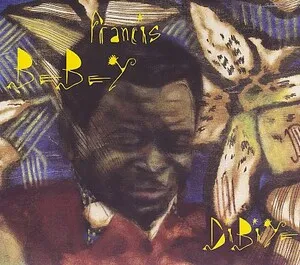
Dibiye
Francis Bebey
Bikutsi
1984
1
/5
Akwaaba: Music for Sanza
Francis Bebey
Bikutsi
Central African Music
Folk
1982
1
/5
New Track
Francis Bebey
Bikutsi
1982
1
/5
Pygmy Love Song
Francis Bebey
Bikutsi
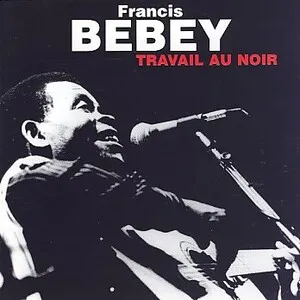
Travail au noir
Francis Bebey
Bikutsi
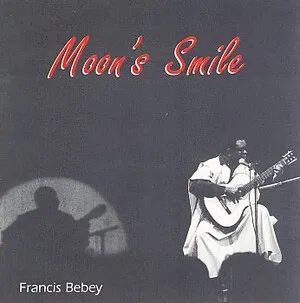
Moon's Smile
Francis Bebey
Bikutsi
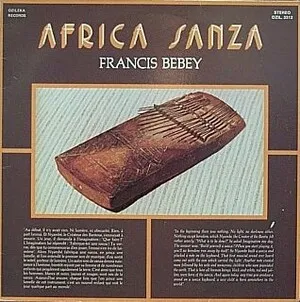
Africa Sanza
Francis Bebey
Bikutsi
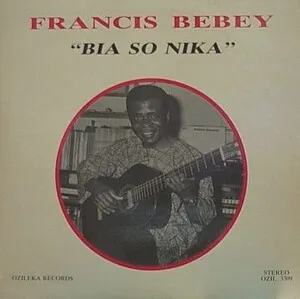
Bia so niaka
Francis Bebey
Makossa
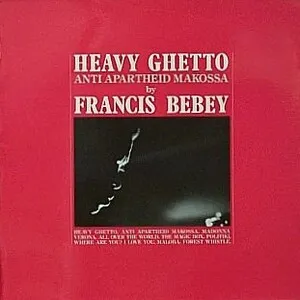
Heavy Ghetto - Anti-Apartheid Makossa
Francis Bebey
Makossa
Similar artists
2
/5
Babatunde Olatunji
Yoruba Music
Afrobeat
Afropop
1
/5
Various Artists
Afro-Funk
Alternative Rock
Ambient
3
/5
Meiway
Makossa
Bikutsi
Coupé-Décalé
2
/5
Cysoul
Makossa
Rhumba
Bikutsi
2
/5
TCHAKALA VIP
Bikutsi
Makossa
Ndombolo
2
/5
PhillBill
Makossa
Bikutsi
Rap Ivoire
2
/5
Tsimi Toro
Bikutsi
Coupé-Décalé
Makossa
2
/5
Henri Dikongué
Bikutsi
Afro Soul
Makossa
2
/5
Petit Pays
Makossa
Azonto
Bikutsi
2
/5
Ben Decca
Makossa
Bikutsi
Champeta
Download our mobile app
Get the Melodigging app and start digging for new genres on the go
Download on the App Store
Get it on Google Play
© 2026 Melodigging
Give feedback
Legal
Melodding was created as a tribute to
Every Noise at Once
, which inspired us to help curious minds keep digging into music's ever-evolving genres.