Genres
Artists
Albums
Make Music
Sign in
Sign in
Artists
Makossa
Artists
Makossa
Meiway
1991–2001
·
7 albums
Listen
3
/5
Genres
Afropiano
Afropiano is a contemporary fusion that marries the songwriting, vocal phrasing, and rhythmic sensibilities of West African Afrobeats with the deep, percussive textures of South Africa’s Amapiano. It retains Amapiano’s signature log drum bass, shaker-led swing, and soulful pads, while adopting Afrobeats’ catchy hooks, call-and-response choruses, and concise, radio-friendly structures. The result is a warm, dance-floor-oriented sound with mid-tempo grooves, plush jazz/house harmonies, and lyrics that often blend English, Nigerian Pidgin, and local languages.
Discover
Listen
Maimouna
Maimouna is a contemporary Francophone West- and Central‑African club style and dance craze that emerged in the early 2020s, most strongly associated with Côte d’Ivoire’s hyperactive urban party scene. It blends upbeat Afropop songcraft with street‑level chant, call‑and‑response hooks, and kinetic, percussion‑forward beats designed for viral dance challenges. Typical tracks ride a mid‑fast 100–118 BPM groove with shaker and cowbell patterns, handclaps, snare rushes, and short synth stabs or guitar licks. Vocals often mix Nouchi (Ivorian street slang) with French, using playful boasts, dance instructions, and catchy refrains. The production is bright and punchy, favoring simple harmonic loops so the crowd‑energy, chants, and choreography lead the experience.
Discover
Listen
Azonto
Azonto is a contemporary Ghanaian dance-music style built for parties, street performances, and viral choreography. Emerging in the early 2010s, it matches swaggering, humorous dance moves with catchy call-and-response hooks and MC-led verses. Musically, Azonto sits on a bright, syncopated 4/4 groove—often between 105–130 BPM—with crisp handclaps, off‑beat hi‑hats, bouncing kick patterns, and short melodic riffs from synths, bell/mallet tones, or plucks. Harmony is usually minimal (two to four repeating chords), keeping the spotlight on rhythm, energy, and vocal interplay. Lyrics blend Twi, Ga, and Ghanaian Pidgin with English, and celebrate fashion, flirtation, everyday jokes, and local slang. The genre rose with dance challenges and YouTube-era virality, helping push West African pop into UK and global club culture. Signature tracks include Sarkodie & E.L.’s “U Go Kill Me,” Fuse ODG’s “Azonto” and “Antenna,” Castro’s “Azonto Fiesta,” and Gasmilla’s “Aboodatoi.”
Discover
Listen
Rap Ivoire
Rap ivoire is the Ivorian strain of hip hop that blends Francophone rap technique with local slang (Nouchi), street storytelling, and high-energy club aesthetics. It typically rides trap or Afro-urban beats while borrowing rhythmic accents from coupé-décalé and broader West African pop. Lyrically, it ranges from boastful punchlines and witty Nouchi wordplay to social observations about Abidjan life, youth hustle, and identity. Sonically, you’ll hear 808-heavy drums, sharp hi-hats, chantable hooks, and call-and-response refrains designed for both street appeal and dancefloor impact.
Discover
Listen
Azontobeats
Azontobeats is a high-energy Ghanaian club sound built to power the Azonto dance craze of the early 2010s. It blends the melodic sensibility of highlife and the rap-forward urgency of hiplife with contemporary Afrobeats pop gloss, dancehall swagger, and UK club rhythms. Typically sitting around 118–128 BPM, the style features punchy, dance-focused drum programming, bright synth hooks, and recurring call-and-response chants in Ghanaian languages (especially Twi and Ga) and Ghanaian Pidgin English. Percussion draws on kpanlogo-inspired bell and drum patterns, while arrangements prioritize catchy toplines and hooky, instruction-style lyrics that cue dance moves. More than just a beat, Azontobeats became a cultural wave that helped push Ghana’s sound onto global dance floors, laying a pathway for later diasporic Afrobeats and UK Afroswing crossovers.
Discover
Listen
Coupé-Décalé
Coupé-décalé is an Ivorian dance music movement known for punchy, uptempo drum programming, shouted slogans, and call-and-response vocals built around simple, catchy synth hooks. Tracks emphasize percussive drive and named dance moves, designed for rapid audience participation on the dancefloor. The style blends Congolese soukous/ndombolo showmanship (atalaku-style shouts) with Ivorian zouglou’s communal energy, Caribbean zouk smoothness, and dancehall’s club-oriented punch. Its aesthetic centers on exuberance, swagger, and celebration—often accompanied by choreographies and fashion statements that project success and joie de vivre.
Discover
Listen
Zoblazo
Zoblazo is a high-energy dance music from Côte d'Ivoire popularized by the singer-producer Meiway in the early 1990s. It blends coastal Ivorian rhythms with the guitar finesse of Ghanaian highlife, the fluid drive of Congolese soukous, and the polished sheen of francophone Caribbean zouk. Characterized by bright major-key melodies, call-and-response vocals, propulsive 4/4 grooves around 110–130 BPM, and brisk percussion breaks, zoblazo invites collective participation—famously with dancers waving white handkerchiefs in coordinated moves. Horn stabs, bubbling bass lines, soukous-style guitar figures, and modern keyboards/samplers round out its festive, extroverted sound.
Discover
Listen
Hiplife
Hiplife is a Ghanaian fusion of classic highlife rhythms and melodies with hip hop’s rapped delivery, drum programming, and sampling aesthetics. Built around mid‑tempo grooves, hiplife typically marries syncopated, guitar-led highlife riffs and horn stabs with hip hop drum patterns, dancehall energy, and catchy R&B‑style hooks. Artists rap predominantly in Ghanaian languages (Twi, Ga, Ewe) and Ghanaian Pidgin English, foregrounding local idioms, humor, social commentary, and storytelling. The result is a vibrant, dance‑forward urban pop sound that remains unmistakably Ghanaian while being fully conversant with global rap and Caribbean diasporic styles.
Discover
Listen
Ndombolo
Ndombolo (also spelled dombolo) is a high‑energy Congolese dance music born from the 1990s soukous scene. It accelerates the classic Congolese rumba/soukous template, pushing the tempo, sharpening the rhythmic drive, and foregrounding hip‑swaying, pelvis‑led dance moves. Musically, ndombolo is marked by propulsive drum‑kit and conga patterns, bright interlocking electric guitars that launch into long, fast seben breaks, elastic bass lines, and catchy call‑and‑response vocals—often in Lingala with French catchphrases. Atalaku (hype‑men) add spirited shouts and dance commands that stoke the crowd. The overall sound is upbeat, percussion‑driven, and tailor‑made for the dancefloor. By the mid‑1990s and 2000s the style dominated clubs across Central, Eastern, and parts of Western Africa, becoming a pan‑African dance craze and a reference point for subsequent urban dance‑pop styles.
Discover
Listen
Makossa
Makossa is a dance music and song style from the city of Douala (Littoral Region), Cameroon. Rooted in Duala urban culture, it blends local guitar traditions with powerful electric bass ostinatos, tight drum set grooves, and a prominent horn section. Typically in common time (4/4) at brisk, dance‑floor tempos (about 130–170 BPM), makossa spotlights interlocking rhythm guitar and lead lines, call‑and‑response vocals, and a chorus of backing singers. Lyrics are most often sung in French, Duala, and Cameroonian Pidgin English. Texture and groove are central: the bass drives syncopated patterns, guitars shift fluidly between solo and rhythm roles, horns deliver catchy riffs, while percussion (including the time‑keeping glass bottle) locks the ensemble together. Since the 1970s, arrangers have also integrated brass voicings from funk, string pads from disco, and studio technology (from early microprocessors to modern DAWs) into the sound. Makossa shares DNA with soukous but generally leans more on horn lines and a weightier bass foundation. Its 1980s wave achieved continent‑wide popularity and meaningful international visibility, making it one of Cameroon's most celebrated musical "adventures."
Discover
Listen
Bikutsi
Bikutsi is a high-energy dance music from central Cameroon, rooted in the social and ceremonial music of the Beti (including the Ewondo and Eton peoples). Its name is often glossed as “beating the earth,” evoking the powerful, stomping dance steps and the trance-like, percussive drive that define the style. Traditionally performed with balafon (xylophone), rattles, handclaps, and drums, bikutsi features fast 6/8 cross-rhythms, call-and-response vocals, and lyrics that mix social commentary, satire, and frank discussions of love and everyday life. The modern, urban form electrifies those same patterns with driving bass lines, drum kits, and rapid, treble‑rich guitar ostinatos that mimic balafon figures, producing a relentless, celebratory groove suited to clubs and street parties.
Discover
Listen
Congolese Rumba
Congolese rumba (often called African rumba) is a danceable, guitar-driven popular music that emerged in Kinshasa and Brazzaville after World War II. It blends Afro‑Cuban son and bolero harmonies with Central African rhythmic sensibilities and call‑and‑response vocals. Typical recordings feature interlocking electric guitars (rhythm, mi‑solo and lead) playing lilting, cyclical figures over a steady, clave‑informed groove, buoyed by congas, maracas, cowbell, bass tumbao, and occasional horns. Songs frequently move from a lyrical, crooning verse into an extended instrumental vamp called the “sebene,” where the band raises the energy for dancers. Lyrically, Congolese rumba often uses Lingala (and sometimes French), celebrating romance, urban life, and social themes with suave vocal harmonies and a refined sense of melody.
Discover
Listen
Akan Music
Akan music refers to the traditional and contemporary musical practices of the Akan peoples of Ghana (and adjacent areas of Côte d’Ivoire). It centers on polyrhythmic percussion, call-and-response vocals, drum speech, and dance, and it functions as an integral part of social life—marking royal occasions, funerals, festivals, and community recreation. Core ensembles feature interlocking drum parts coordinated by a bell timeline and rattles, with lead and responsorial singing in Twi or Fante. Court and ceremonial genres such as kete and fontomfrom highlight royal prestige and drum language on atumpan (talking drums), while community forms like adowa (a women-led funeral/recreational music-dance) and nnwomkro (recreational chorus singing) emphasize social cohesion. String timbres from the seprewa (Akan harp-lute) and occasional ivory/metal horns add melodic color. Over time, Akan musical aesthetics—especially 12/8 bell patterns, cross-rhythms, proverbial lyricism, and tonal speech rhythms—shaped modern Ghanaian styles, influencing palm-wine guitar music, dance-band and guitar-band highlife, and later hiplife and azonto.
Discover
Listen
Show all 13 genres
Albums
2001
3
/5
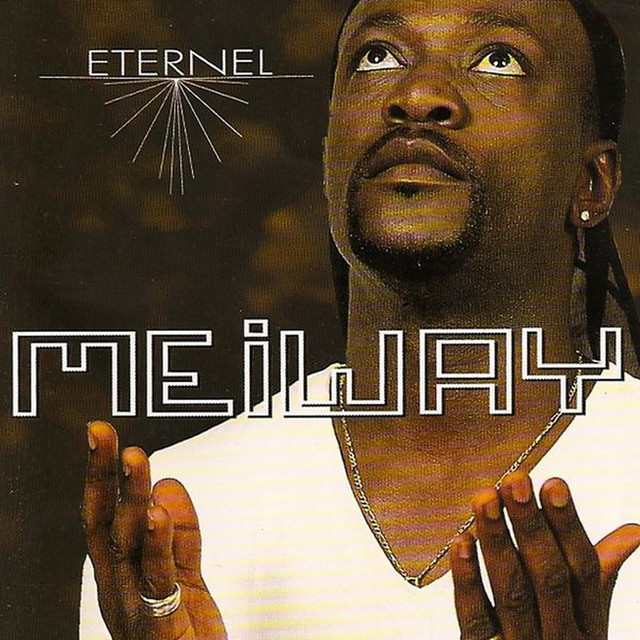
Eternel
Meiway
Makossa
Coupé-Décalé
Bikutsi
1992
2
/5
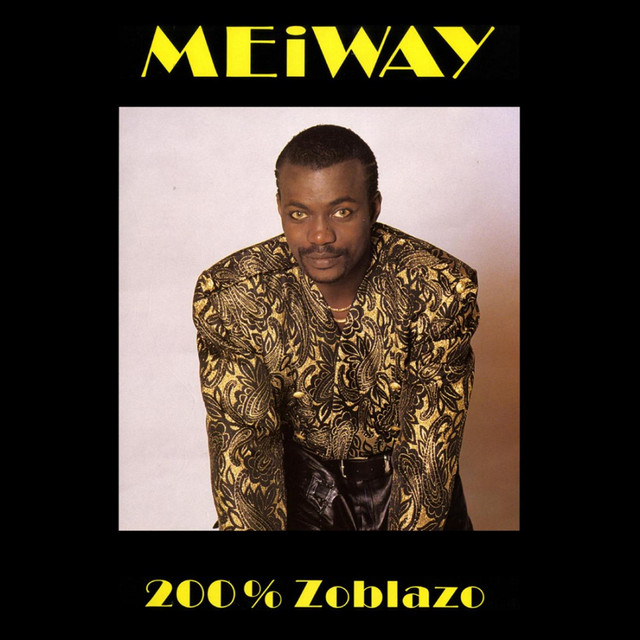
200% zoblazo
Meiway
Zoblazo
Akan Music
1991
2
/5
200 Percent Zoblazo
Meiway
Makossa
Golgotha, 800% zoblazo
Meiway
Akan Music
Les génies vous parlent
Meiway
Akan Music
Golgotha, 800% zoblazo
Meiway
Zoblazo
Les génies vous parlent
Meiway
Zoblazo
Similar artists
2
/5
Aveiro Djess
Makossa
Coupé-Décalé
Bikutsi
2
/5
Tsimi Toro
Bikutsi
Coupé-Décalé
Makossa
1
/5
Lapiro De Mbanga
Bikutsi
Coupé-Décalé
Ndombolo
1
/5
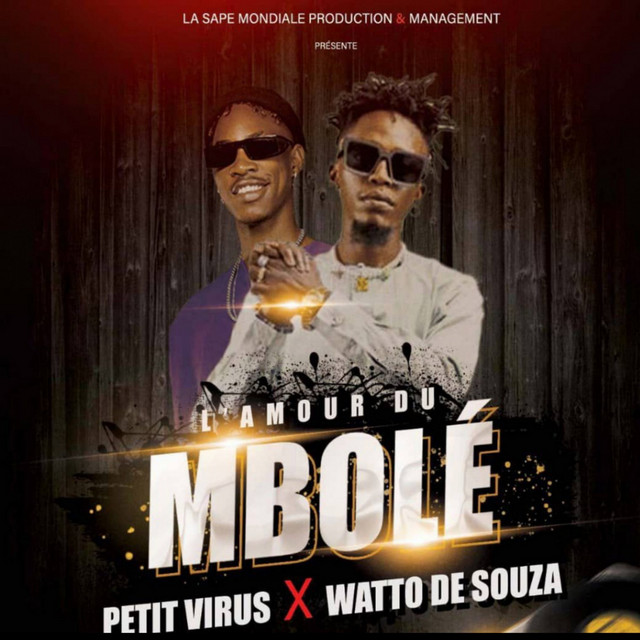
Petit Virus
Bikutsi
Coupé-Décalé
Makossa
2
/5
Cysoul
Makossa
Rhumba
Bikutsi
2
/5
PhillBill
Makossa
Bikutsi
Rap Ivoire
3
/5
Espoir 2000
Zouglou
Bikutsi
Coupé-Décalé
3
/5
DJ KEROZEN
Coupé-Décalé
Zouglou
Bikutsi
2
/5
Bebi Philip
Coupé-Décalé
Bikutsi
Afrobeat
2
/5
Debordo Leekunfa
Coupé-Décalé
Bikutsi
Congolese Rumba
Download our mobile app
Get the Melodigging app and start digging for new genres on the go
Download on the App Store
Get it on Google Play
© 2026 Melodigging
Give feedback
Legal
Melodding was created as a tribute to
Every Noise at Once
, which inspired us to help curious minds keep digging into music's ever-evolving genres.