Genres
Artists
Albums
Make Music
Sign in
Sign in
Artists
Concerto
Artists
Concerto
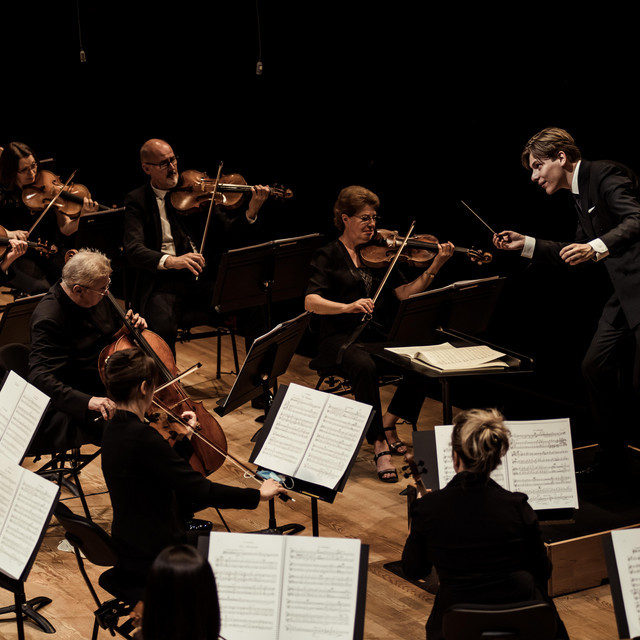
Fabrice Bollon
2020
·
1 album
Listen
2
/5
Genres
Late Romantic Music
Late Romantic music refers to the final flowering of 19th‑century Romanticism, roughly from the 1870s to the early 1910s. It is marked by expansive forms, heightened expressivity, and a push toward the limits of tonal harmony and orchestral color. Characteristic sounds include long‑spun, soaring melodies; rich, chromatic harmonies that frequently delay or blur cadences; and sumptuous orchestration with enlarged brass, winds, strings, and expanded percussion, plus coloristic additions such as harp, celesta, and organ. Programmatic content (narrative or pictorial ideas), leitmotivic technique (recurring thematic identifiers), and a taste for the monumental (grand symphonies, tone poems, and operas) are all hallmarks. Aesthetically, the style embraces emotional intensity—from intimate lyrical tenderness to apocalyptic grandeur—and often fuses national idioms with a pan‑European, Wagner‑ and Liszt‑inflected harmonic language. In pushing tonality to its breaking point, Late Romanticism paved the way for Post‑Romanticism, Impressionism, and early Modernism.
Discover
Listen
Concerto
A concerto is a large-scale composition that sets one or more solo instruments in dynamic dialogue with an orchestra. Its core idea is contrast—between soloist and tutti—and the dramatic negotiation of power, color, and thematic responsibility. While Baroque concertos often relied on ritornello form, the Classical era standardized a three-movement plan (fast–slow–fast) with sonata principles in the opening movement. The Romantic period emphasized virtuosity and expressive foregrounding of the soloist, and the 20th–21st centuries broadened the palette with new instruments, harmonies, and formats. Across eras, the concerto remains a showcase for instrumental character, technical brilliance, and the art of orchestral conversation.
Discover
Listen
Opera
Opera is a large-scale theatrical genre that combines music, drama, and visual spectacle, in which the story is primarily conveyed through singing accompanied by an orchestra. It unites solo voices, ensembles, and chorus with staging, costumes, and often dance to create a total artwork. Emerging in late Renaissance Italy and flourishing in the Baroque era, opera developed signature forms such as recitative (speech-like singing that advances the plot) and aria (lyrical numbers that explore character and emotion). Over the centuries it evolved diverse national styles—Italian bel canto, French grand opéra, German music drama—while continually experimenting with orchestration, harmony, narrative structure, and stagecraft.
Discover
Listen
Albums
2020
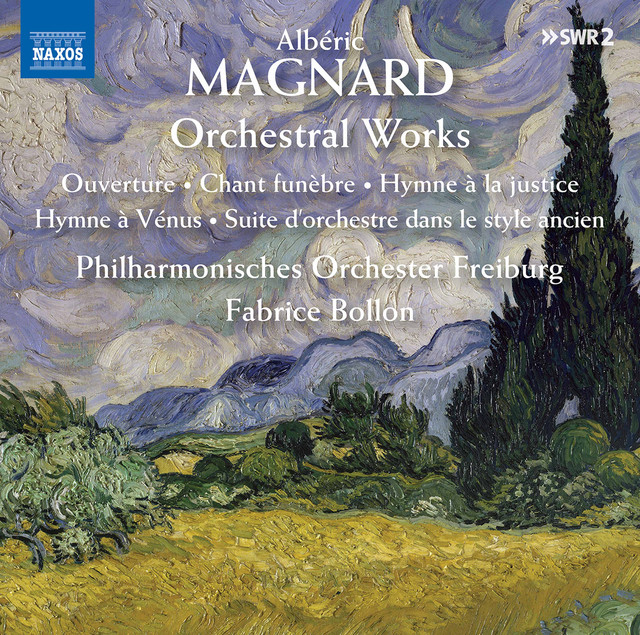
Magnard: Orchestral Works
Albéric Magnard, Philharmonisches Orchester Freiburg, Fabrice Bollon
Late Romantic Music
Similar artists
Hide discovered
4
/5
London Symphony Orchestra
Classical
Ballet
American Classical Piano
4
/5
Berliner Philharmoniker
Classical
Symphony
Romantic Classical
4
/5
Wiener Philharmoniker
Classical
Romantic Classical
Romanticism
4
/5
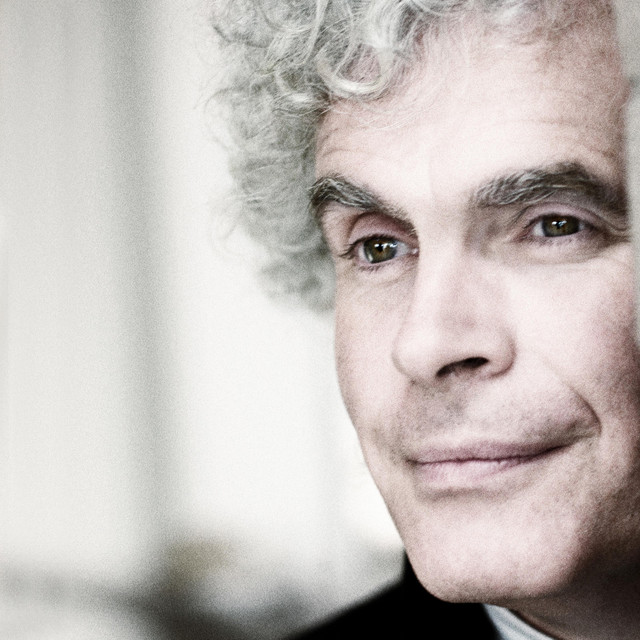
Sir Simon Rattle
Classical
Orchestral
Concerto
4
/5
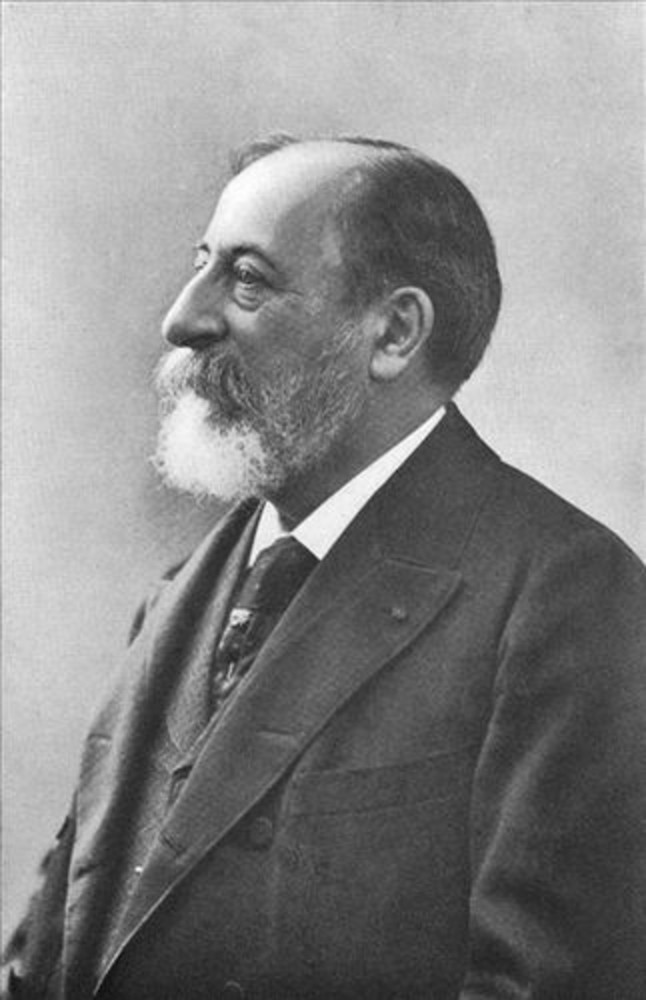
Camille Saint-Saëns
Classical
Concerto
Orchestral
4
/5
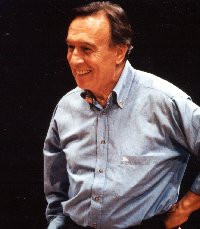
Claudio Abbado
Classical
Concerto
Opera
4
/5
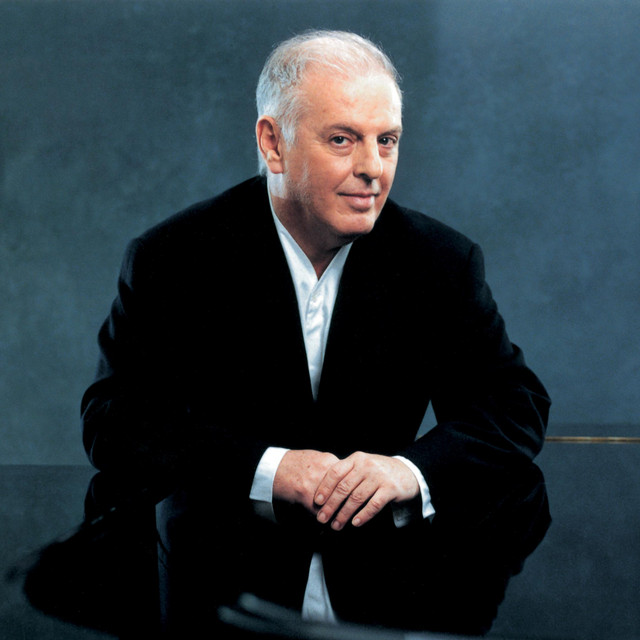
Daniel Barenboim
Classical
Concerto
Opera
4
/5
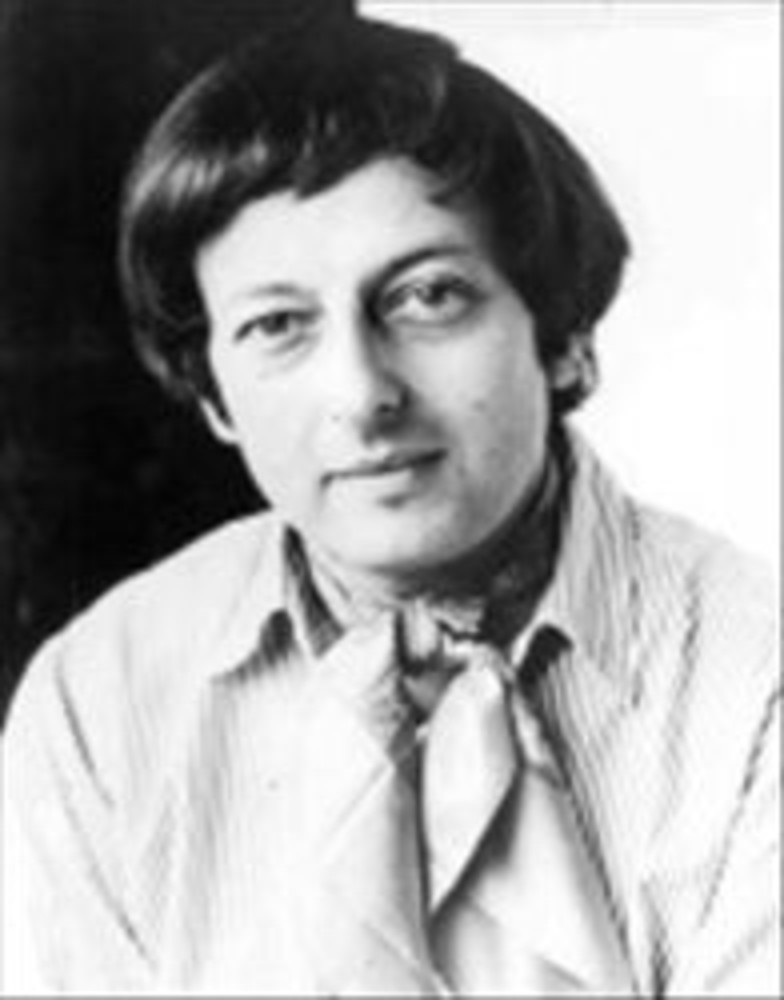
André Previn
Classical
Concerto
Orchestral Performance
3
/5
Orchestre de Paris
Classical
Concerto
Opera
3
/5
Staatskapelle Berlin
Classical
Concerto
Opera
Download our mobile app
Get the Melodigging app and start digging for new genres on the go
Download on the App Store
Get it on Google Play
© 2026 Melodigging
Give feedback
About & FAQ
Legal
Melodding was created as a tribute to
Every Noise at Once
, which inspired us to help curious minds keep digging into music's ever-evolving genres.