Genres
Artists
Albums
Make Music
Sign in
Sign in
Artists
Bolero
Artists
Bolero
Esmeralda
2014
·
3 albums
Listen
1
/5
Genres
Cuplé
Cuplé is a Spanish theatrical song style that flourished in the early 20th century, performed by star female vocalists known as cupletistas in cafés-concert, varietés, and revista (revue) stages. It is characterized by short, catchy strophic songs with memorable refrains, light dance rhythms (often in 2/4 or 3/4), and lyrics rich in double entendres, urban picaresque humor, and flirtatious innuendo. Musically, it leans on simple, singable melodies and straightforward harmonies (tonic–dominant–subdominant), frequently colored by habanera-tinged rhythms or gentle pasodoble sway, and is usually accompanied by piano or a small pit orchestra. While it shares space with zarzuela and later copla, cuplé is lighter, more risqué, and cabaret-like, foregrounding personality, gesture, and costume as much as the song itself.
Discover
Listen
Chotis Madrileño
Chotis madrileño is the Madrid-specific adaptation of the Central European schottische, transformed into a hallmark of the city's popular culture. Typically played on organillo (street barrel organ), piano, or small wind/brass ensembles, it features a jaunty, "oom-pah" accompaniment and a moderate, steady tempo suited to its iconic couple dance where dancers pivot tightly "sobre una baldosa" (on a single tile). The style became inseparable from the San Isidro festivities and from the imagery of chulapos and chulapas, Madrid's traditional urban characters. Musically, it favors diatonic melodies, simple harmonic progressions (I–IV–V with occasional secondary dominants), and memorable refrains. In the 19th and early 20th centuries it intertwined with géneros escénicos like género chico, zarzuela, and the Spanish revista, producing a large repertoire of witty, costumbrista songs about Madrid's neighborhoods and everyday life.
Discover
Listen
Bolero
Bolero is both a Spanish dance-music form from the late 18th century and, later, a Cuban song style from the late 19th century. The Spanish bolero emerged as a moderately slow solo or partner dance in 3/4 time, shaped by Andalusian song-dance traditions. It typically features guitar accompaniment and castanets, and its sung texts often follow the seguidilla stanza pattern. In Cuba, bolero evolved into a romantic ballad—most often in 2/4 (later also felt in 4/4)—performed by singers, trios, and salon ensembles. Cuban bolero emphasizes intimate, lyrical melodies, guitar-led accompaniment (often with requinto), and gentle Afro-Caribbean rhythmic undercurrents (habanera feel, soft bongo, claves), becoming one of Latin America’s quintessential love-song forms.
Discover
Listen
Albums
2014
1
/5
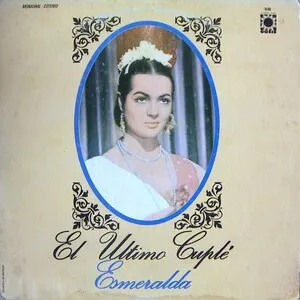
El ultimo cuplé
Esmeralda
Chotis Madrileño
Cuplé
Su majestad el schottis
Esmeralda
Cuplé
Su majestad el schottis
Esmeralda
Chotis Madrileño
Similar artists
1
/5
Germaine Montero
French Jazz
Chanson Réaliste
Chotis Madrileño
1
/5
Olga Ramos
Chotis Madrileño
Cuplé
5
/5
Luis Miguel
Bolero
Latin Pop
Mariachi
5
/5
Mon Laferte
Latin Alternative
Latin Pop
Latin Indie
5
/5
José José
Bolero
Canción Melódica
Ballad
5
/5
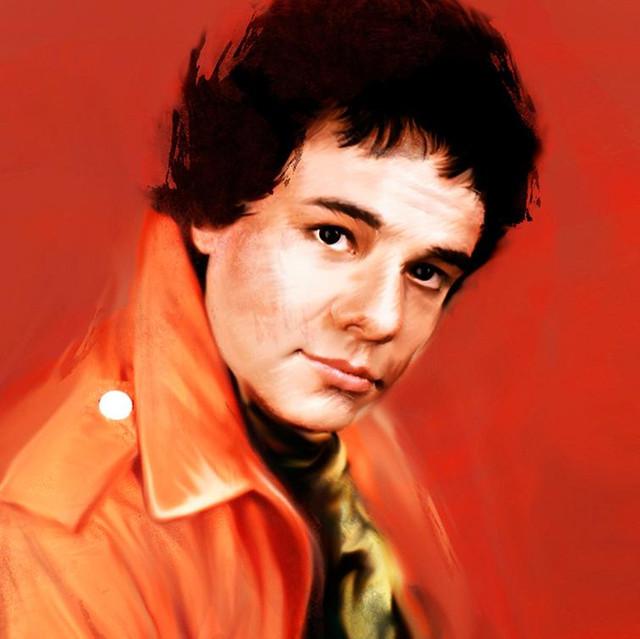
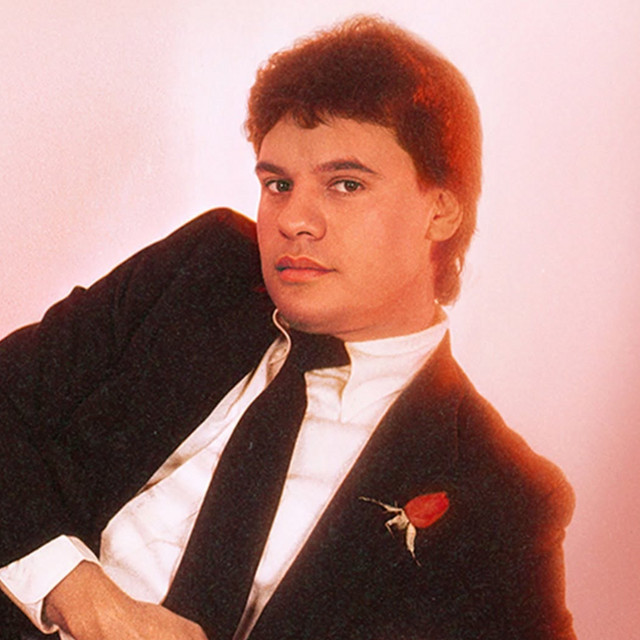
Juan Gabriel
Bolero
Mariachi
Canción Melódica
5
/5
Vicente Fernández
Bolero
Mariachi
Ranchera
4
/5
Alejandro Fernández
Ranchera
Latin
Mariachi
4
/5
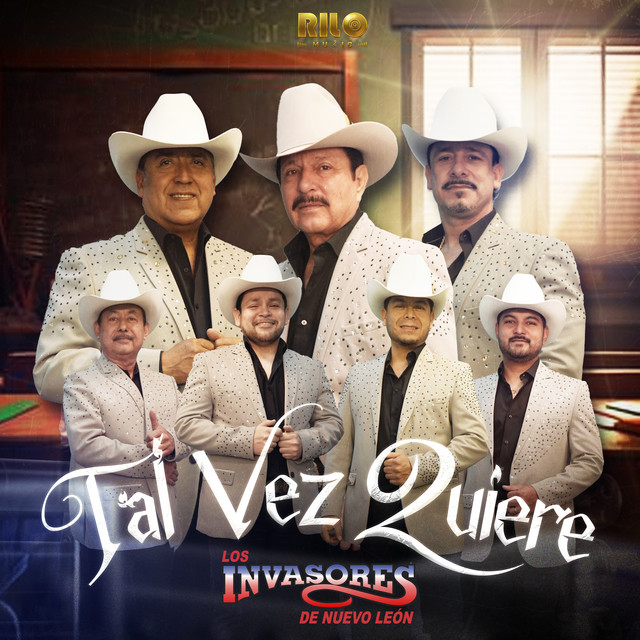
Los Invasores De Nuevo León
Corrido
Banda
Bolero
4
/5
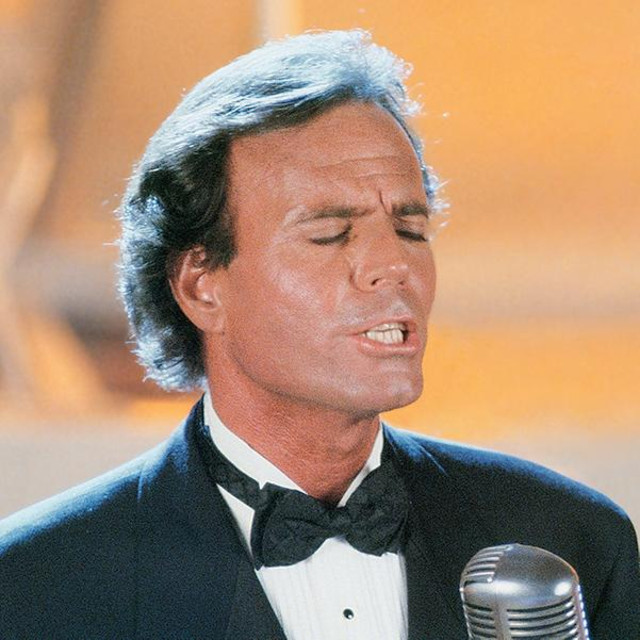
Julio Iglesias
Bolero
Chill Pop
Latin Afrobeat
Download our mobile app
Get the Melodigging app and start digging for new genres on the go
Download on the App Store
Get it on Google Play
© 2026 Melodigging
Give feedback
Legal
Melodding was created as a tribute to
Every Noise at Once
, which inspired us to help curious minds keep digging into music's ever-evolving genres.