Genres
Artists
Albums
Make Music
Sign in
Sign in
Artists
Opera
Artists
Opera
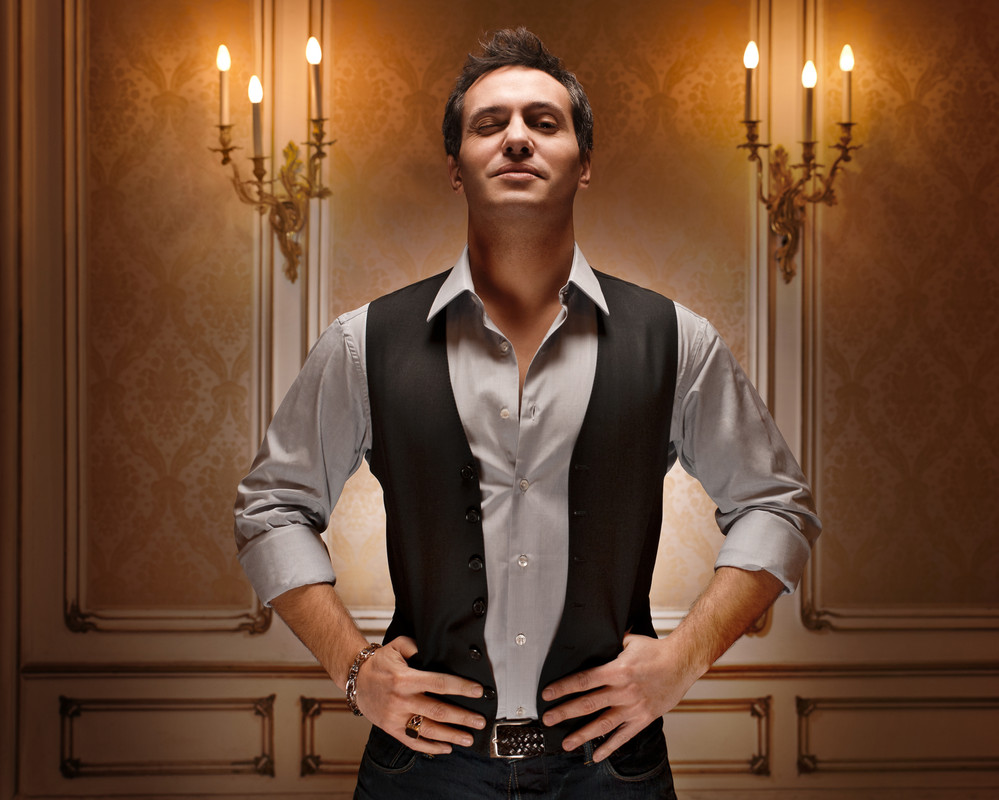
Erwin Schrott
2012
·
1 album
Listen
1
/5
Genres
Tango
Tango is a song-and-dance music from the Río de la Plata region, crystallizing in Buenos Aires (Argentina) and Montevideo (Uruguay) in the late 19th century. It is characterized by a melancholic, dramatic tone; richly expressive melodies; and a distinctive rhythmic feel rooted in the habanera and milonga. Core ensembles feature bandoneón, violin(s), piano, double bass, and sometimes guitar, forming the famed orquesta típica. Across the 1920s–1950s it became a worldwide craze, moving from rough immigrant bars to grand salons and radio, developing highly sophisticated arranging and performance practices. Lyrics often employ lunfardo (Buenos Aires slang) and dwell on urban nostalgia, love, betrayal, and the neighborhood (el barrio). Note on terminology: in flamenco, “tangos” is a distinct palo (song form) with a lively 4/4 compás, often in A Phrygian, closely related in feeling to rumba flamenca. Although it shares the name and a spirited character, flamenco tangos is a different tradition from the Río de la Plata tango described above.
Discover
Listen
Classical Bass
Classical bass is the tradition of double bass performance and composition within Western classical music. It centers on the double bass as a solo, chamber, and orchestral instrument, highlighting its deep timbre, wide range, and expressive capabilities. Repertoire spans concertos, sonatas, character pieces, orchestral excerpts, and chamber works in which the bass either anchors harmony or emerges as a lyrical, virtuosic voice. The style relies on bow (arco) technique—détaché, legato, spiccato, staccato, and martelé—alongside pizzicato, natural and artificial harmonics, and advanced thumb-position playing. Players use orchestral tuning (E–A–D–G) and often solo tuning (F♯–B–E–A) with transposition. Both French and German bow holds are common. Notation crosses bass, tenor, and treble clefs to accommodate range, and writing idiomatically respects string crossings, shifting, and the instrument’s resonance.
Discover
Listen
Opera
Opera is a large-scale theatrical genre that combines music, drama, and visual spectacle, in which the story is primarily conveyed through singing accompanied by an orchestra. It unites solo voices, ensembles, and chorus with staging, costumes, and often dance to create a total artwork. Emerging in late Renaissance Italy and flourishing in the Baroque era, opera developed signature forms such as recitative (speech-like singing that advances the plot) and aria (lyrical numbers that explore character and emotion). Over the centuries it evolved diverse national styles—Italian bel canto, French grand opéra, German music drama—while continually experimenting with orchestration, harmony, narrative structure, and stagecraft.
Discover
Listen
Albums
2012
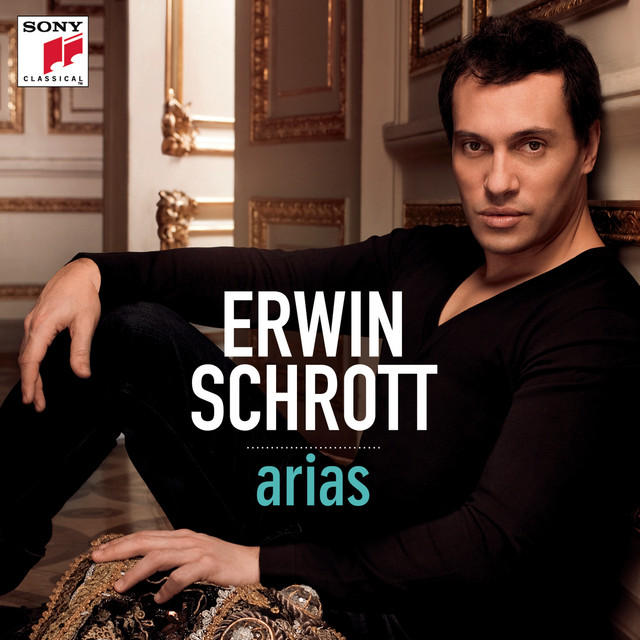
Arias
Erwin Schrott
Classical Bass
Similar artists
2
/5
Orchestre Du Capitole De Toulouse
Classical
Opera
Tango
1
/5
Marcelo Álvarez
Opera
Tango
1
/5
Jose Manuel Zapata
Opera
Tango
1
/5
Various Artists
Soundtrack
Afro-Funk
Alternative Rock
4
/5
Wolfgang Amadeus Mozart
Classical
Requiem
Classical Period
4
/5
London Symphony Orchestra
Classical
Ballet
American Classical Piano
4
/5
Berliner Philharmoniker
Classical
Symphony
Romantic Classical
4
/5
Herbert von Karajan
Classical
Symphonic Poem
Symphony
4
/5
Andrea Bocelli
Opera
Classical
Pop
4
/5
Wiener Philharmoniker
Classical
Romantic Classical
Romanticism
Download our mobile app
Get the Melodigging app and start digging for new genres on the go
Download on the App Store
Get it on Google Play
© 2026 Melodigging
Give feedback
Legal
Melodding was created as a tribute to
Every Noise at Once
, which inspired us to help curious minds keep digging into music's ever-evolving genres.