Genres
Artists
Albums
Make Music
Sign in
Sign in
Artists
Choro
Artists
Choro
Ernesto Nazareth
2005
·
1 album
Listen
2
/5
Genres
Valsa Brasileira
Valsa brasileira is the Brazilian take on the European waltz, rendered in 3/4 time but phrased with the lyricism, rubato, and subtle swing of Brazilian popular music. It flourished first as salon and seresta (serenade) music and soon became a core form in the choro repertoire. Compared with the Viennese tradition, Brazilian waltzes favor singing melodic lines, chromatic inner motion, and bass “baixaria” counter-lines on 7‑string guitar. Forms often mirror choro structures (e.g., ABACA or AABBACCA), and harmonies draw from Romantic classical language—secondary dominants, diminished passing chords, modal mixture, and smooth modulations—while keeping a warm, intimate, and nostalgic character.
Discover
Listen
Choro
Choro is an urban Brazilian instrumental genre that arose in Rio de Janeiro in the late 19th century. It blends European dance forms (polka, schottische, waltz, mazurka) with Afro-Brazilian rhythmic sensibilities from styles like lundu and early maxixe, producing a supple, highly syncopated groove. Typical choro ensembles (regionais) feature a lead melodic instrument—often flute, clarinet, or bandolim (mandolin)—supported by cavaquinho and 6-string guitar for harmony, a 7‑string guitar providing counter-melodic bass lines (baixarias), and pandeiro for light percussion. Pieces commonly use multi-strain forms (e.g., AABBACCA), incorporate modulations, and encourage melodic variations and counterpoint rather than long harmonic solos. The result is music that is both virtuosic and lyrical, at once salon-refined and street-savvy.
Discover
Listen
Maxixe
Maxixe is a lively Brazilian couple dance and the music that accompanies it, often nicknamed the "Brazilian tango." It crystallized in Rio de Janeiro in the late 19th century as a hybrid of Afro‑Brazilian and European dance musics. Musically, maxixe sits in duple meter (2/4) with buoyant, off‑beat accents and syncopation derived from lundu and the habanera/tresillo cell, but propelled with the forward motion of the European polka and schottische. The style flourished in urban salons, theater revues, street festivities, and early carnival, moving deftly between refined piano pieces (sometimes labeled "tango brasileiro") and small ensemble settings with guitars, cavaquinho, flute, and clarinet. As a social dance it was animated, close‑embrace, and playful, which lent it both popularity and controversy. Stylistically it bridged the 19th‑century salon world and the emerging 20th‑century sound of Rio, helping to seed choro, marchinha, and eventually samba.
Discover
Listen
Polka
Polka is a lively Central European couple dance and musical style in a brisk 2/4 meter, characterized by its buoyant “oom‑pah” bass-chord accompaniment and bright, diatonic melodies. Originating in Bohemia (today’s Czech Republic) in the early 19th century, it quickly became a pan-European craze before taking root across immigrant communities in the Americas. Ensembles typically feature accordion or button box/concertina, clarinet or saxophone, trumpets/trombone, tuba or string bass, and drum kit, with regional variants highlighting different lead voices and rhythmic feels. While the classical ballroom tradition codified polka into formal strains (often AABB with a contrasting trio), folk and popular styles favor singable tunes, simple I–IV–V harmonies, and tempos commonly around 115–135 BPM, inviting upbeat social dancing and communal celebration.
Discover
Listen
Waltz
Waltz is a dance-music genre in triple meter, most commonly in 3/4 time, marked by a strong accent on the first beat and the characteristic “oom–pah–pah” accompaniment (bass note followed by two chords). Emerging from Central European folk dances and adopted by urban salons, the waltz spans both functional dance repertoire and concert pieces for piano or orchestra. Tempos vary by style: the Viennese waltz is fast and flowing, while the slow/English waltz is measured and lyrical. Melodies are typically long-breathed and cantabile, with 8- or 16-bar phrases and frequent modulations to closely related keys. The genre is culturally tied to Vienna and the Habsburg lands, where composers such as the Strausses and Lanner helped codify its form, but it has since permeated ballroom traditions, art music, folk repertoires, film, and popular music worldwide.
Discover
Listen
Albums
2005
1
/5
Tangos, Waltzes and Polkas
Ernesto Nazareth / Iara Behs
Maxixe
Valsa Brasileira
Polka
Similar artists
3
/5
Baden Powell
Samba-Jazz
Bossa Nova
Latin Jazz
2
/5
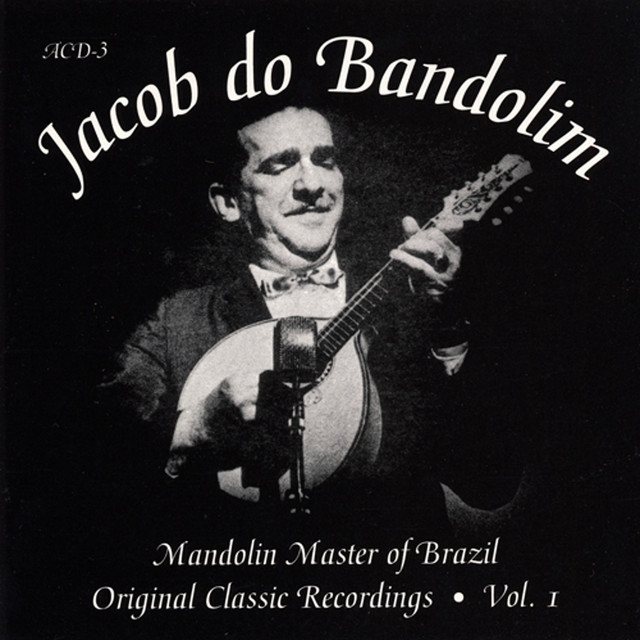
Jacob Do Bandolim
Choro
Latin
Brazilian Jazz
2
/5
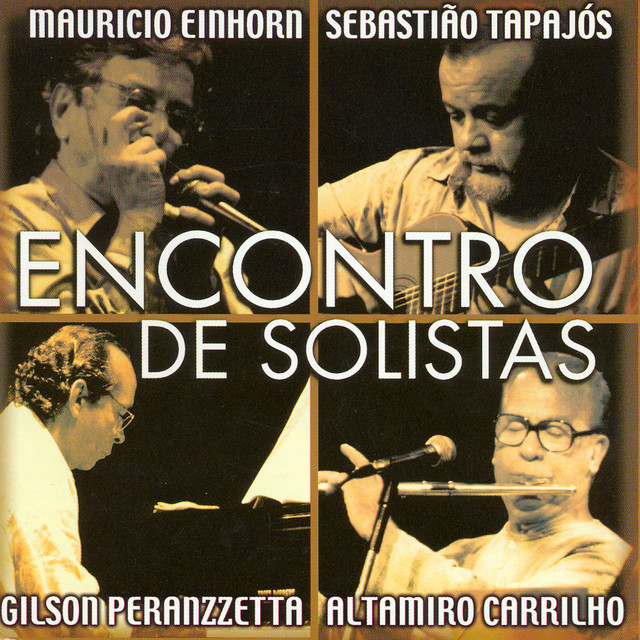
Altamiro Carrilho
Brazilian Jazz
Choro
Dobrado
3
/5
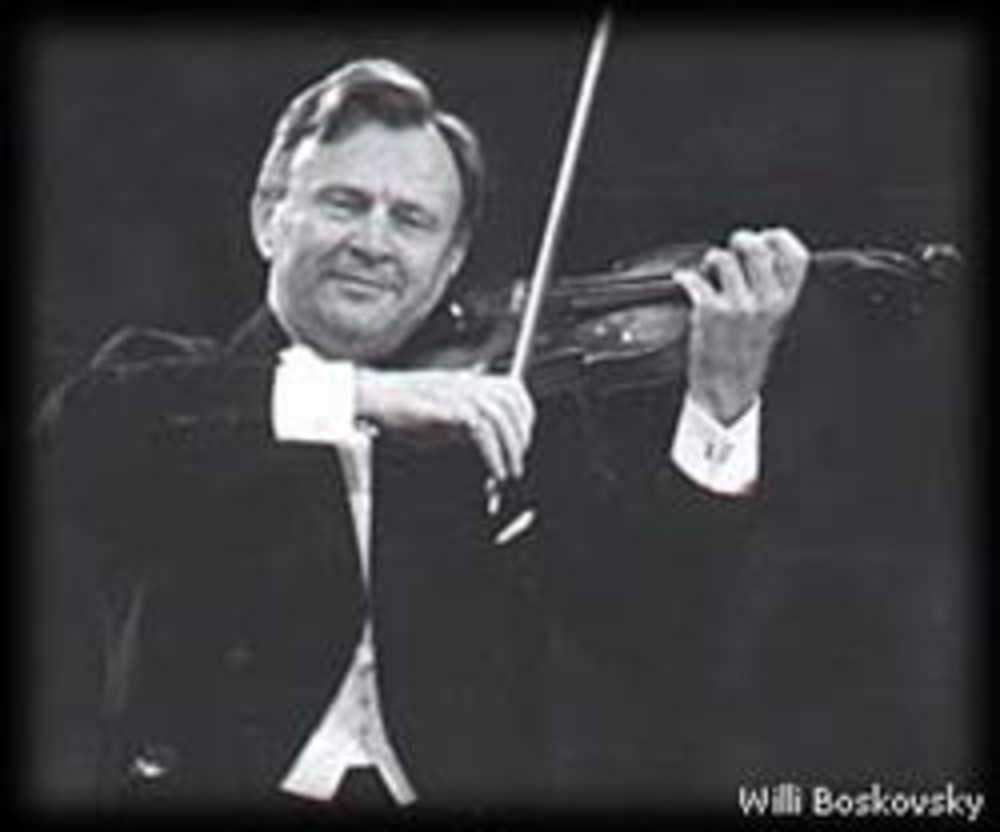
Willi Boskovsky
Classical
Polka
Waltz
3
/5
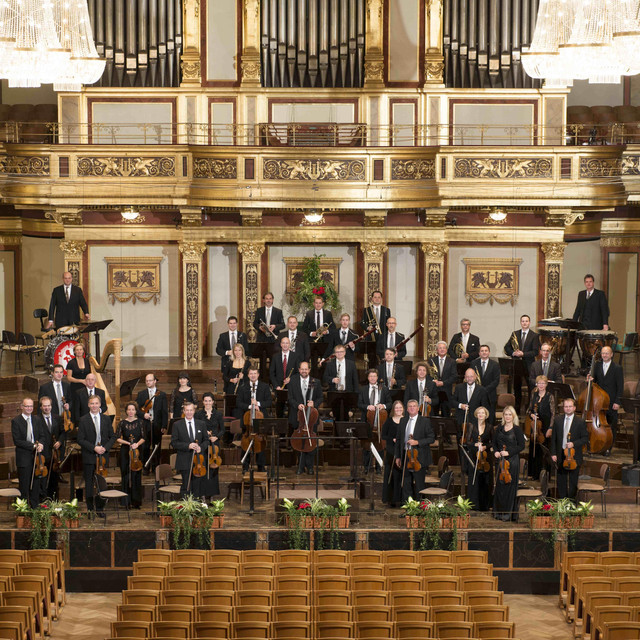
Wiener Johann Strauss Orchester
Classical
Orchestral
Polka
2
/5
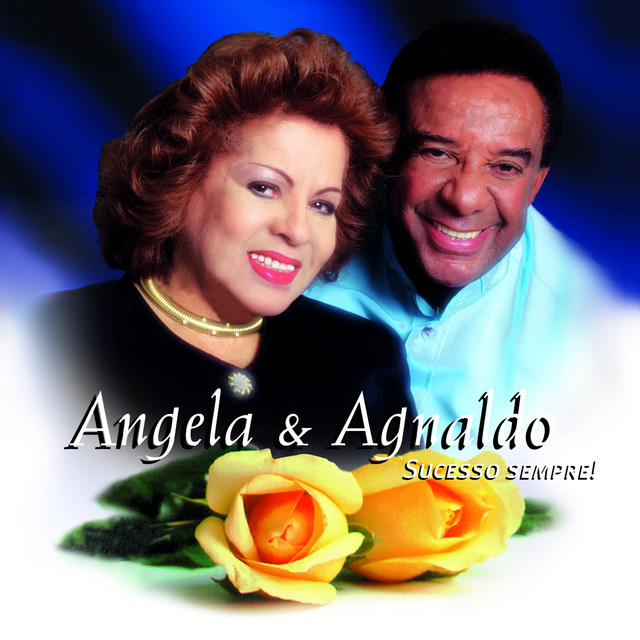
Angela Maria
Bossa Nova
Brega
Mpb
2
/5
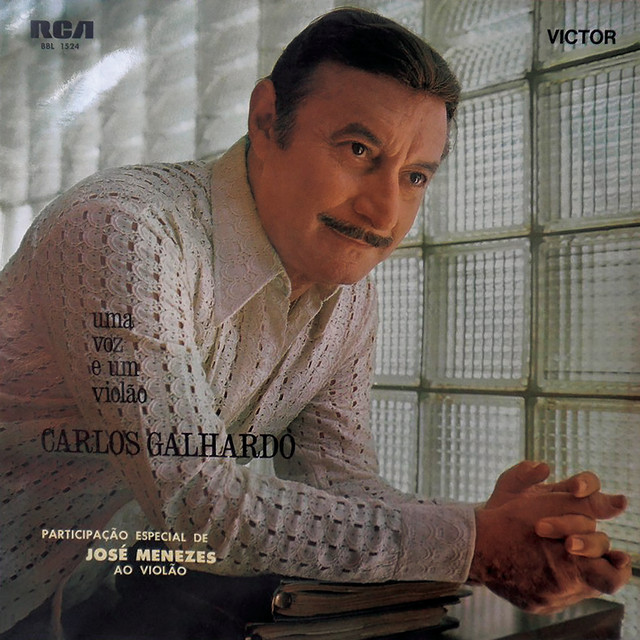
Carlos Galhardo
Valsa Brasileira
Waltz
1
/5
Vicente Celestino
Valsa Brasileira
Brega
Waltz
3
/5
Cartola
Samba
Choro
Samba-Choro
3
/5
Adoniran Barbosa
Samba
Samba-Choro
Bossa Nova
Download our mobile app
Get the Melodigging app and start digging for new genres on the go
Download on the App Store
Get it on Google Play
© 2026 Melodigging
Give feedback
Legal
Melodding was created as a tribute to
Every Noise at Once
, which inspired us to help curious minds keep digging into music's ever-evolving genres.