Genres
Artists
Albums
Make Music
Sign in
Sign in
Artists
Brazilian Jazz
Artists
Brazilian Jazz
Altamiro Carrilho
1970
·
1 album
Listen
2
/5
Genres
Brazilian Jazz
Brazilian jazz is the meeting point of Brazilian popular music and North American jazz, blending samba and bossa nova rhythms with jazz harmony, improvisation, and ensemble interaction. The style typically features syncopated Brazilian grooves (samba, bossa, partido‑alto) under extended jazz chord voicings and lyrical melodies. Acoustic guitar or piano often supplies a gently propulsive, off‑beat rhythmic bed, while bass and drums translate samba’s surdo and pandeiro patterns to the jazz rhythm section. Timbres range from intimate (nylon‑string guitar, brushed drum kit, flute) to expansive (full percussion batteries, horns, and electric keys). The overall feel can be both laid‑back and danceable—romantic yet harmonically sophisticated.
Discover
Listen
Dobrado
Dobrado is a Portuguese march style for wind and brass bands, closely associated with military and civic parades and the vast community of Portuguese and Brazilian "bandas filarmónicas". Written in a lively duple meter (most often 2/4), it emphasizes a steady, emphatic stride suitable for marching, with prominent snare drum patterns, brilliant brass fanfares, and tuneful clarinet/cornet melodies. Structurally, dobrados typically follow the classic European march layout: a short introduction, two contrasting strains, a lyrical trio (frequently modulating to the subdominant), an optional break strain, and a reprise or rousing coda. While primarily instrumental, their memorable, singable themes make them staples at civic festivities, processions, and band festivals across Portugal and in Lusophone communities, especially Brazil.
Discover
Listen
Choro
Choro is an urban Brazilian instrumental genre that arose in Rio de Janeiro in the late 19th century. It blends European dance forms (polka, schottische, waltz, mazurka) with Afro-Brazilian rhythmic sensibilities from styles like lundu and early maxixe, producing a supple, highly syncopated groove. Typical choro ensembles (regionais) feature a lead melodic instrument—often flute, clarinet, or bandolim (mandolin)—supported by cavaquinho and 6-string guitar for harmony, a 7‑string guitar providing counter-melodic bass lines (baixarias), and pandeiro for light percussion. Pieces commonly use multi-strain forms (e.g., AABBACCA), incorporate modulations, and encourage melodic variations and counterpoint rather than long harmonic solos. The result is music that is both virtuosic and lyrical, at once salon-refined and street-savvy.
Discover
Listen
Maxixe
Maxixe is a lively Brazilian couple dance and the music that accompanies it, often nicknamed the "Brazilian tango." It crystallized in Rio de Janeiro in the late 19th century as a hybrid of Afro‑Brazilian and European dance musics. Musically, maxixe sits in duple meter (2/4) with buoyant, off‑beat accents and syncopation derived from lundu and the habanera/tresillo cell, but propelled with the forward motion of the European polka and schottische. The style flourished in urban salons, theater revues, street festivities, and early carnival, moving deftly between refined piano pieces (sometimes labeled "tango brasileiro") and small ensemble settings with guitars, cavaquinho, flute, and clarinet. As a social dance it was animated, close‑embrace, and playful, which lent it both popularity and controversy. Stylistically it bridged the 19th‑century salon world and the emerging 20th‑century sound of Rio, helping to seed choro, marchinha, and eventually samba.
Discover
Listen
March
A march is a musical genre and form designed to accompany orderly movement, most commonly military processions, parades, and ceremonial events. It is typically in duple meter (2/4 or 4/4) or compound duple (6/8), with a steady tempo that supports synchronized stepping. Classical and concert marches evolved a characteristic multi-strain structure: an introduction, two strains, a key-changing trio, a break strain ("dogfight"), and a final strain, often with a strong cadential "stinger." Instrumentation centers on winds and percussion—brass, woodwinds, snare and bass drums, and cymbals—producing a bright, projecting sonority suitable for outdoor performance. While the style is pan-European in origin, the late-19th- and early-20th-century "golden age" of the American march, led by John Philip Sousa, codified the concert march’s form, orchestration, and performance practice, influencing wind band music worldwide.
Discover
Listen
Albums
1970
1
/5
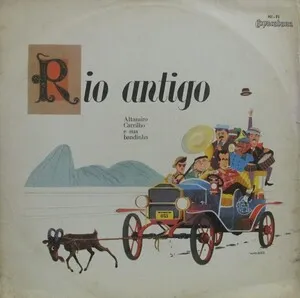
Rio antigo
Altamiro Carrilho e Sua Bandinha
Dobrado
Maxixe
March
Similar artists
3
/5
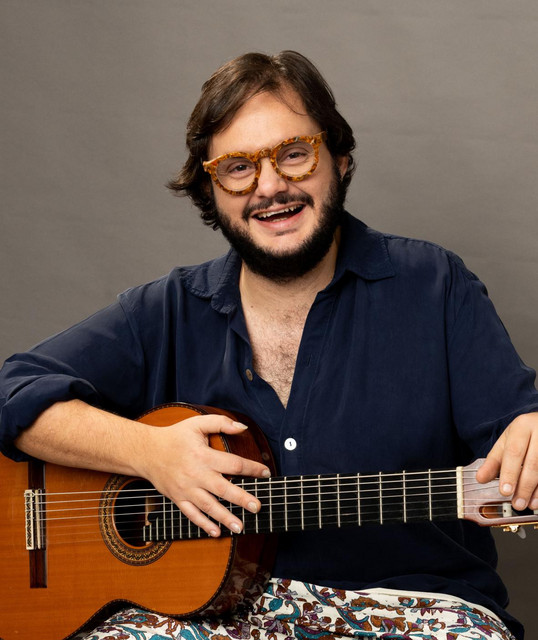
Hamilton De Holanda
Choro
Brazilian Jazz
Mpb
3
/5
Baden Powell
Samba-Jazz
Bossa Nova
Latin Jazz
3
/5
Yamandu Costa
Choro
Música Gaúcha
Southern Brazilian Music
3
/5
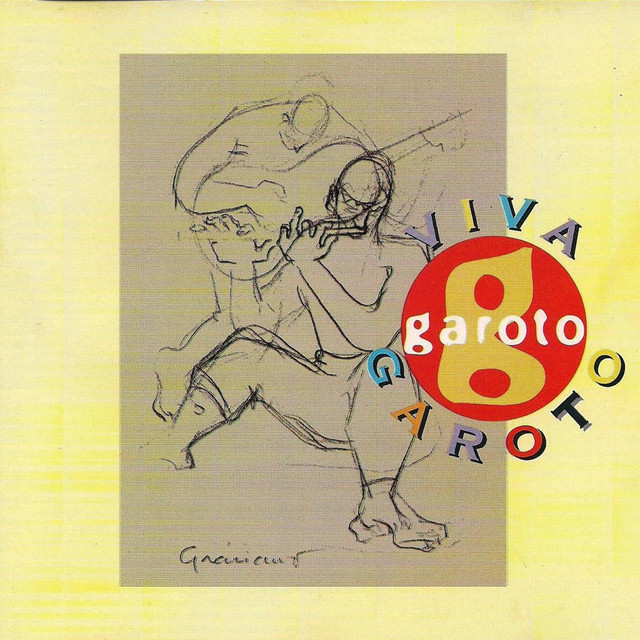
Garoto
Bossa Nova
Brazilian Jazz
Choro
2
/5
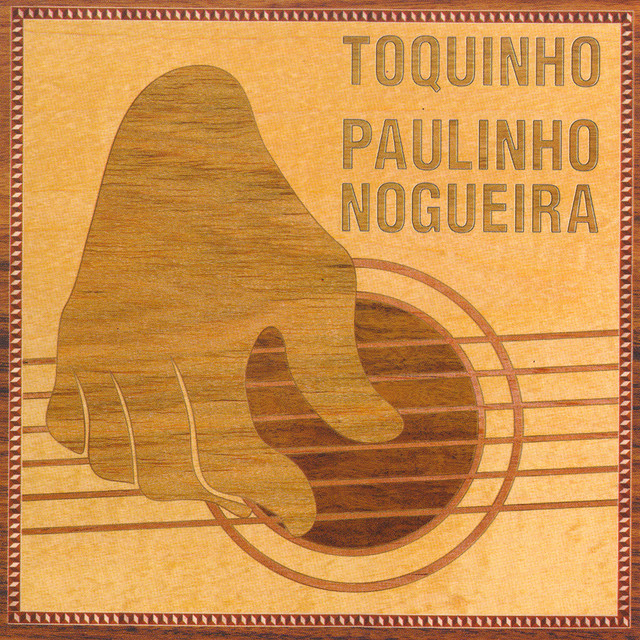
Paulinho Nogueira
Bossa Nova
Brazilian Classical Music
Brazilian Jazz
2
/5
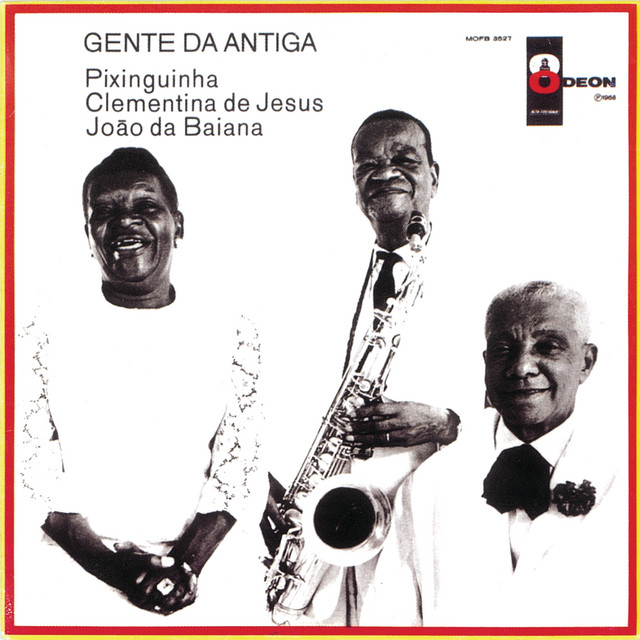
Pixinguinha
Choro
Bossa Nova
Brazilian Jazz
2
/5
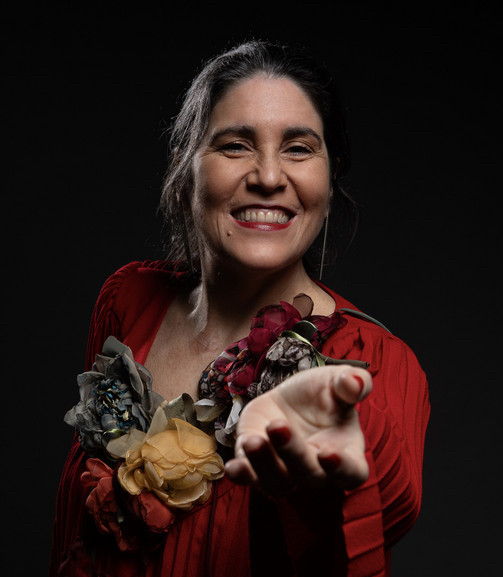
Mônica Salmaso
Brazilian Jazz
Choro
Mpb
2
/5
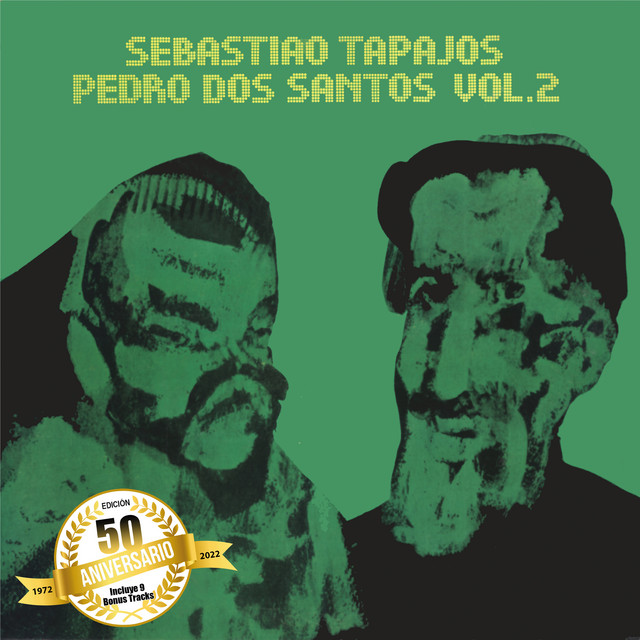
Sebastiao Tapajós
Bossa Nova
Brazilian Jazz
Choro
2
/5
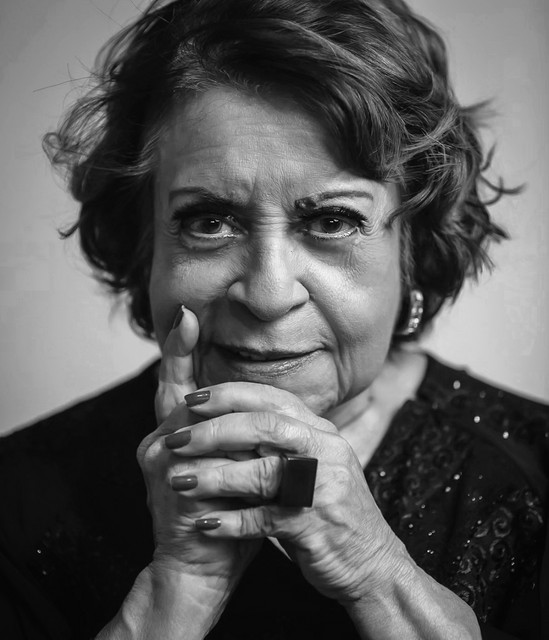
Leny Andrade
Bossa Nova
Brazilian Jazz
Choro
2
/5
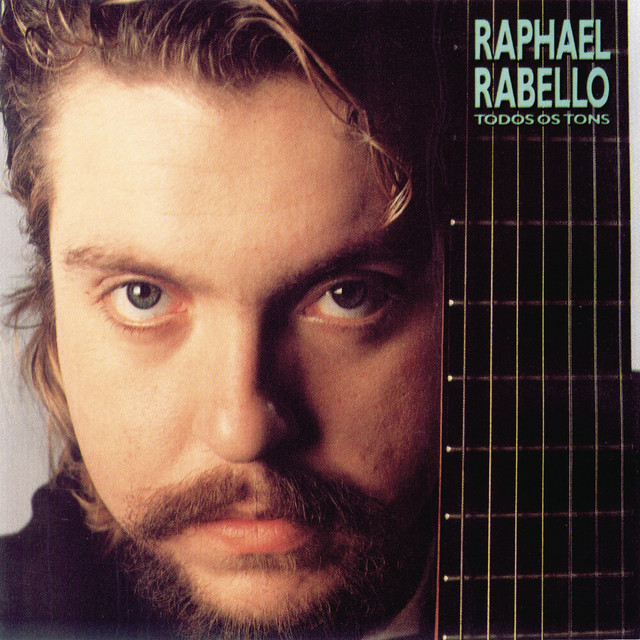
Raphael Rabello
Choro
Brazilian Jazz
Seresta
Download our mobile app
Get the Melodigging app and start digging for new genres on the go
Download on the App Store
Get it on Google Play
© 2026 Melodigging
Give feedback
Legal
Melodding was created as a tribute to
Every Noise at Once
, which inspired us to help curious minds keep digging into music's ever-evolving genres.