Genres
Artists
Albums
Make Music
Sign in
Sign in
Artists
Baroque
Artists
Baroque
Erin Headley
Listen
Genres
Baroque
Baroque is a period and style of Western art music spanning roughly 1600–1750. It is characterized by the birth of functional tonality, the widespread use of basso continuo (figured bass), and a love of contrast—between soloist and ensemble, loud and soft, and different timbres. Hallmark genres and forms of the era include opera, cantata, oratorio, concerto (especially the concerto grosso), dance suite, sonata, and fugue. Textures range from expressive monody to intricate counterpoint, and melodies are richly ornamented with trills, mordents, and appoggiaturas. Baroque music flourished in churches, courts, and theaters across Europe, with regional styles (Italian, French, German, English) shaping distinctive approaches to rhythm, dance, harmony, and ornamentation.
Discover
Listen
Instrumental
Instrumental is music created and performed without sung lyrics, placing the expressive weight on melody, rhythm, harmony, and timbre produced by instruments. As an umbrella practice it appears in many cultures, but its modern identity cohered in Baroque-era Europe when purely instrumental forms such as the sonata, concerto, and dance suites began to flourish. Since then, instrumental thinking—developing motives, structuring form without text, and showcasing timbral contrast—has informed everything from orchestral music and solo piano repertoire to post-rock, film scores, and beat-driven electronic styles. Instrumental works can be intimate (solo or chamber) or expansive (full orchestra), narrative (programmatic) or abstract (absolute music). The absence of lyrics invites listeners to project imagery and emotion, making the style a natural fit for cinema, games, and contemplative listening.
Discover
Listen
Viola Da Gamba
Viola da gamba refers both to a family of bowed, fretted, gut‑strung instruments held between the legs and to the repertoire and performance practice that grew around them. Emerging in late 15th‑century Spain and flourishing across Renaissance and Baroque Europe, gamba music spans intimate solo works, expressive duos, and rich consort textures. Its tone is subtle, vocal, and nuanced—ideal for contrapuntal lines, divisions (ornamented variations), and dance‑derived forms. Typical features include modal and early tonal harmony, contrapuntal writing, elaborate ornamentation, and a refined, inward character suited to courtly and domestic music-making.
Discover
Listen
Classical
Classical music is the notated art-music tradition of Europe and its global descendants, characterized by durable forms, carefully codified harmony and counterpoint, and a literate score-based practice. The term “classical” can refer broadly to the entire Western art-music lineage from the Medieval era to today, not just the Classical period (c. 1750s–1820s). It privileges long-form structures (such as symphonies, sonatas, concertos, masses, and operas), functional or modal harmony, thematic development, and timbral nuance across ensembles ranging from solo instruments to full orchestras and choirs. Across centuries, the style evolved from chant and modal polyphony to tonal harmony, and later to post-tonal idioms, while maintaining a shared emphasis on written notation, performance practice, and craft.
Discover
Listen
Similar artists
5
/5
Hans Zimmer
Country Dawn
Soundtrack
Classical
4
/5
Ludovico Einaudi
Classical
Contemporary Classical
Compositional Ambient
4
/5
Johann Sebastian Bach
Baroque
Classical
Baroque Suite
4
/5
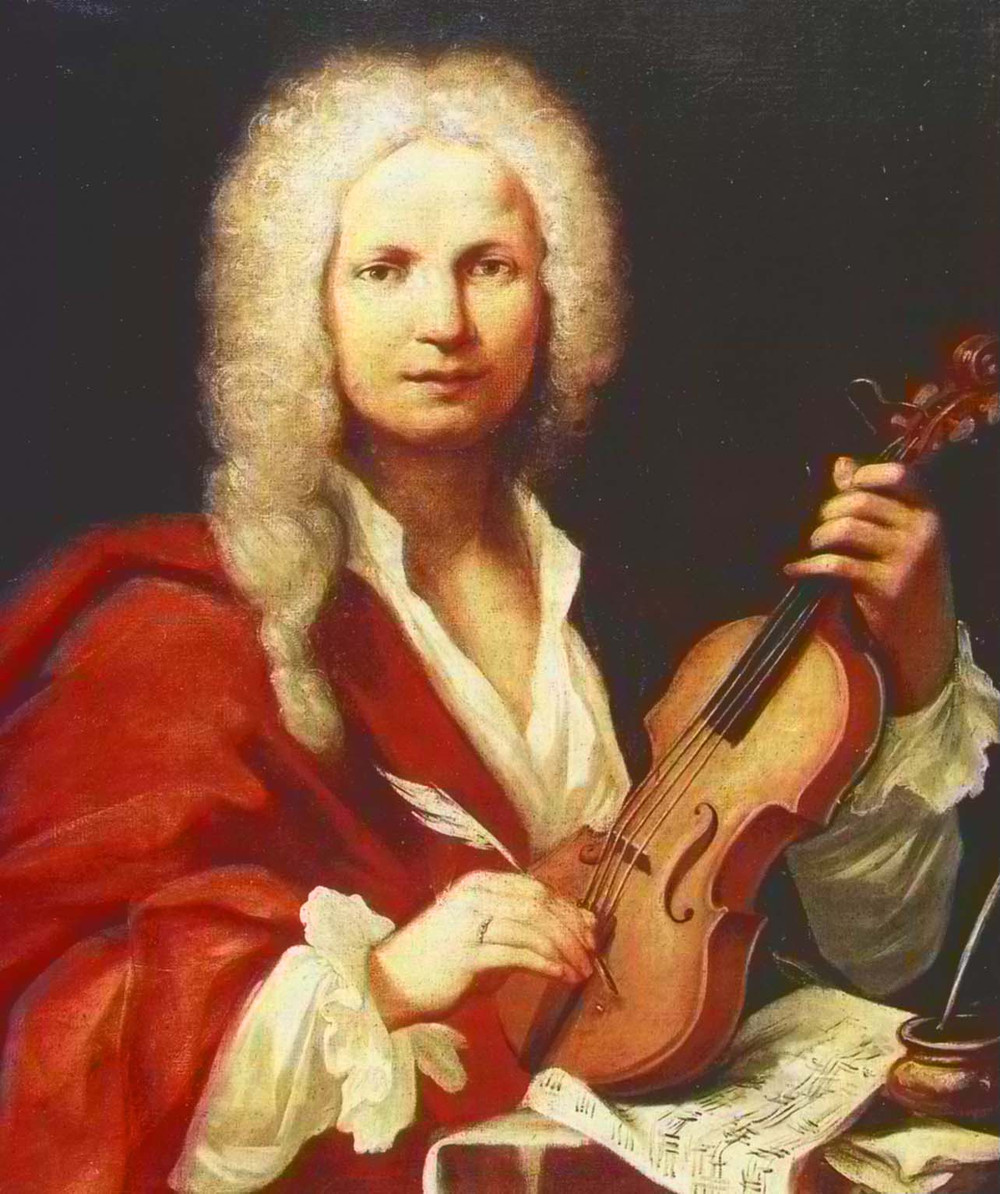
Antonio Vivaldi
Baroque
Classical
Opera Seria
4
/5
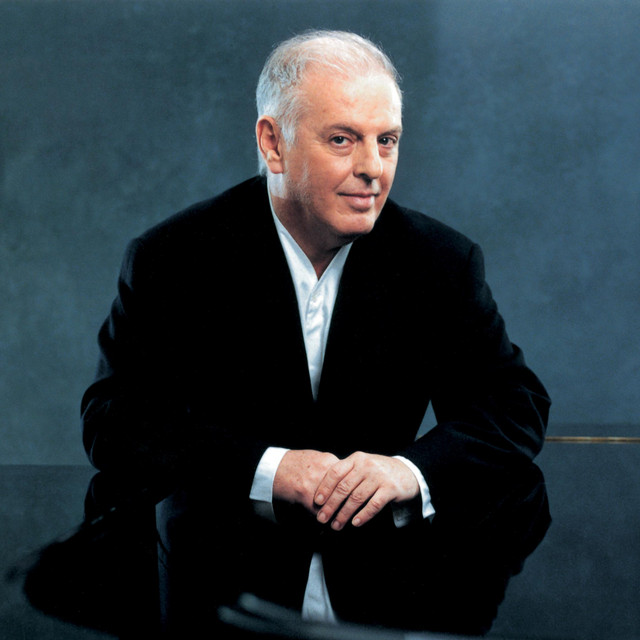
Daniel Barenboim
Impressionism
Classical
Chamber Music
4
/5
Johann Pachelbel
Baroque
Classical
Instrumental
3
/5
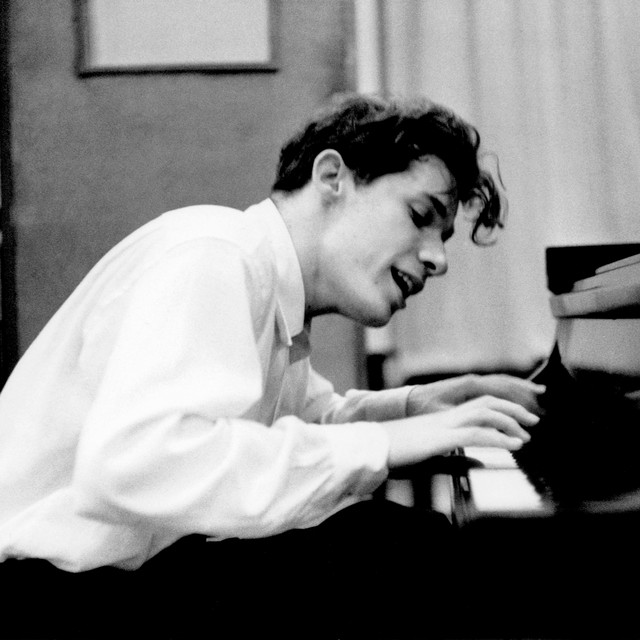
Glenn Gould
Baroque
Classical
Fugue
3
/5
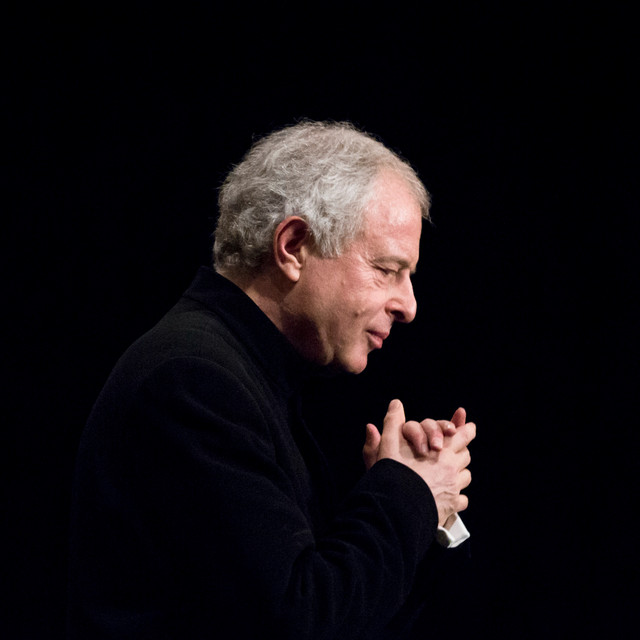
András Schiff
Classical
Classical Piano
Hungarian Classical Performance
3
/5
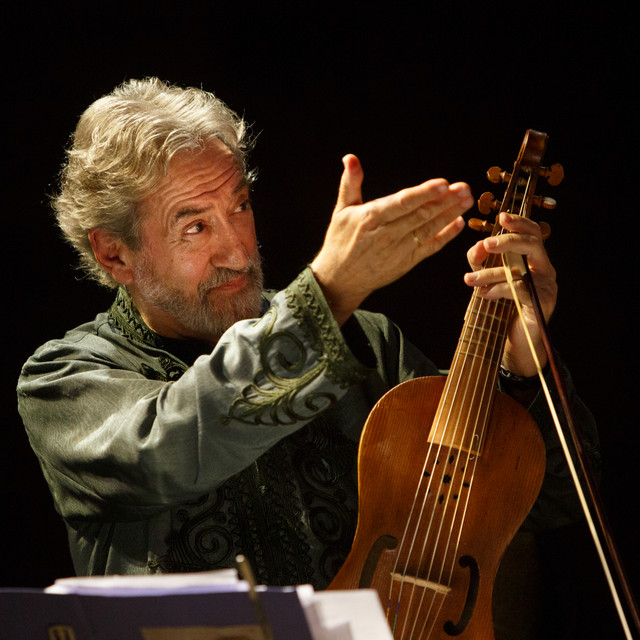
Jordi Savall
Renaissance
Baroque
Classical
3
/5
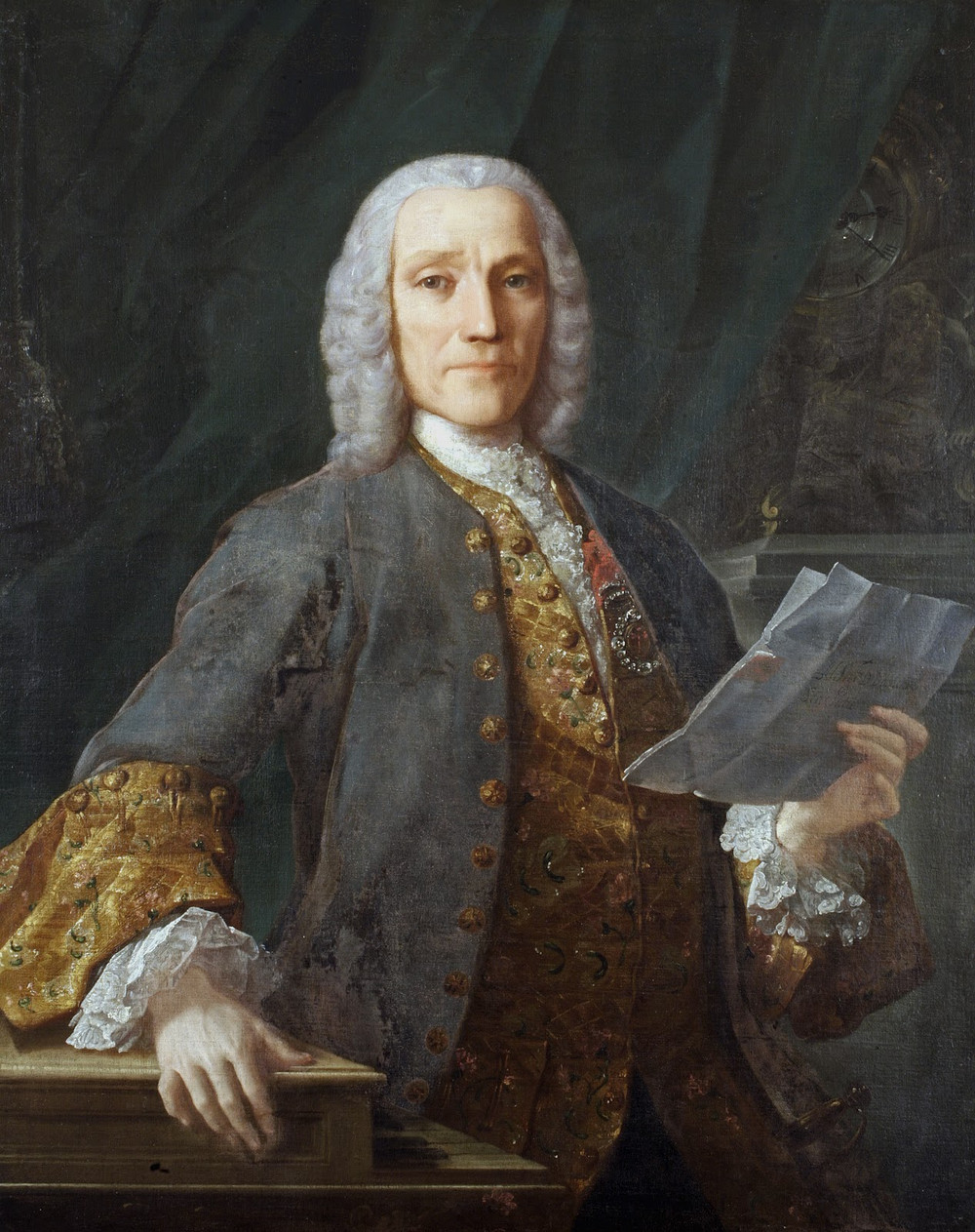
Domenico Scarlatti
Baroque
Classical
Classical Piano
Download our mobile app
Get the Melodigging app and start digging for new genres on the go
Download on the App Store
Get it on Google Play
© 2026 Melodigging
Give feedback
Legal
Melodding was created as a tribute to
Every Noise at Once
, which inspired us to help curious minds keep digging into music's ever-evolving genres.