Genres
Artists
Albums
Make Music
Sign in
Sign in
Artists
Avant-Garde
Artists
Avant-Garde
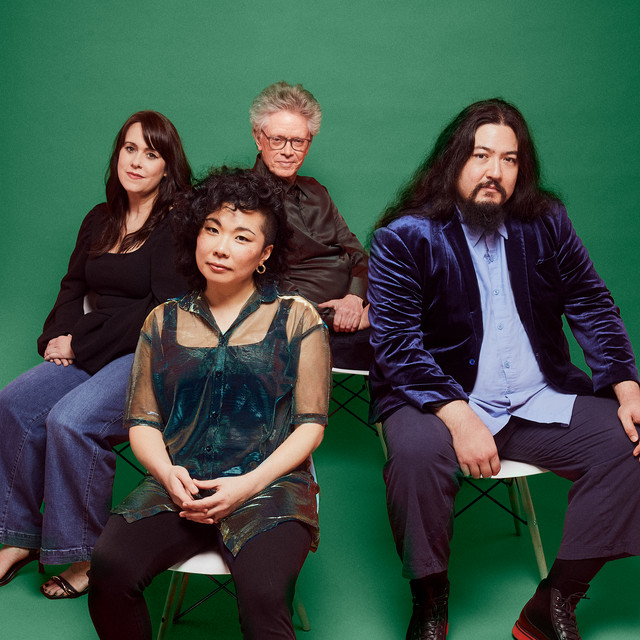
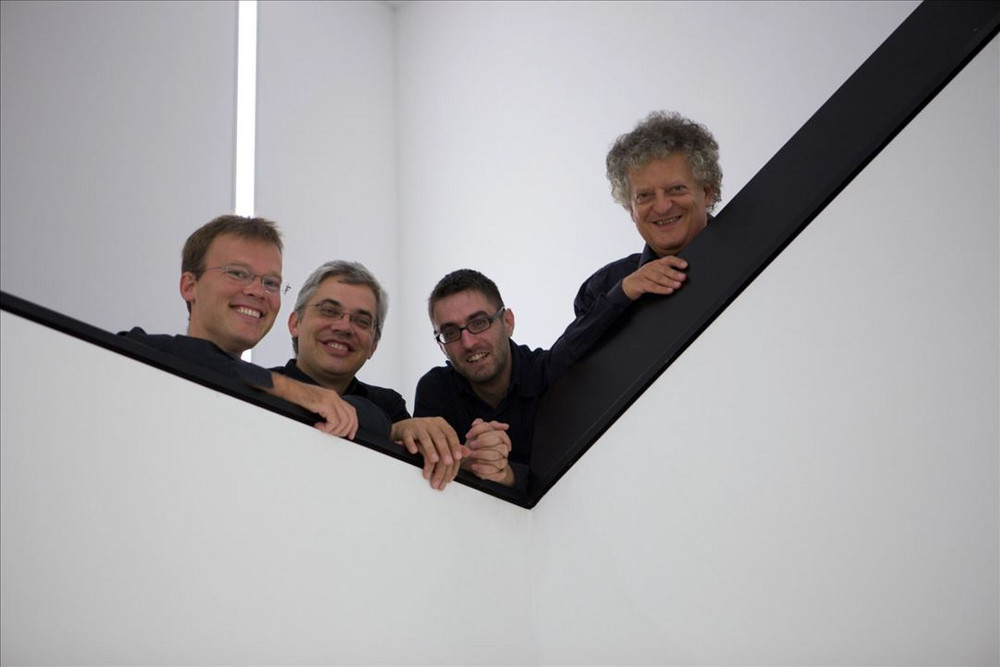
Ensemble Recherche
2005–2009
·
2 albums
Listen
1
/5
Genres
New Isolationism
New isolationism is a contemporary strain of isolationist ambient and post-industrial minimalism that emerged in the 2010s, particularly around Scandinavian experimental labels and studios. It foregrounds intimate, close-mic’d sound, negative space, and a quiet-but-present noise floor; its pieces feel both internal and architectural, like rooms built from reverb tails, tape hiss, and soft electronics. Sonically, the style blends glacial drones, fragile chamber timbres (strings, organ, piano), lo‑fi electronics, and field recordings into stark, slow-evolving tableaux. Melodic information is sparse—often only a few tones or gestures—while rhythm is either absent or reduced to distant pulses, heartbeats, or mechanical cycles. Vocals, when they appear, are murmured, diaristic, or abstracted by pitch and time manipulation. Aesthetically, new isolationism is post‑internet and diaristic: it captures solitude, memory, and dislocation with a palette that feels personal yet estranged, drawing as much from contemporary gallery sound practice as from classic dark ambient.
Discover
Listen
New Complexity
New Complexity is a movement in contemporary classical composition characterized by extremely detailed notation, dense polyphonic textures, and intricate rhythmic layers. Composers in this school aim to encode a wealth of micro-level information—articulations, dynamics, timbral inflections, and nuanced temporal relationships—directly into the score. The music typically features nested tuplets, rapidly shifting meters, microtonal pitch structures, and extensive use of extended techniques. While often perceived as virtuosic and formidable, its goal is not complexity for its own sake but the precise realization of highly differentiated sound worlds and continuously transforming textures.
Discover
Listen
Minimalism
Minimalism is a style of Western art music that emerged in the United States during the 1960s, characterized by the use of very limited musical materials, steady pulse, and extensive repetition. Composers often build pieces from short cells or motifs that are repeated and slowly transformed through additive or subtractive processes, phase shifting, and gradual changes in harmony, texture, or register. Harmony is typically consonant (often modal or diatonic), though just intonation and extended drones are also common. The result is music that foregrounds process, clarity, audibility of structure, and a hypnotic sense of stasis and flow. Typical ensembles include keyboards, mallet percussion, strings, winds, voices, and electronics or tape. Minimalism influenced a wide array of later styles, from ambient and new age to post-minimalism and minimal techno.
Discover
Listen
Avant-Garde
Avant-garde music is an umbrella term for boundary-pushing practices that challenge prevailing norms of harmony, rhythm, timbre, form, and performance. It privileges experimentation, conceptual rigor, and a willingness to reframe what counts as music at all. Historically tied to early 20th‑century artistic modernism, avant-garde music introduced atonality, the emancipation of noise, and new forms of notation and process. It embraces indeterminacy, extended techniques, electronics, spatialization, and multimedia performance, treating sound as material to be sculpted, questioned, and reinvented.
Discover
Listen
Chamber Music
Chamber music is a tradition of composed music for small ensembles—typically one player per part—intended for intimate spaces such as courts, salons, and private rooms rather than large public halls. Its aesthetic emphasizes clarity of texture, conversational interplay among parts, and balance without a conductor. Hallmark formations include the string quartet, piano trio, wind quintet, string quintet, and various mixed ensembles. Multi‑movement cycles (often in sonata form) and finely wrought counterpoint are common, ranging from Baroque trio sonatas to Classical string quartets and modern works with expanded timbres and techniques. Because of its scale and transparency, chamber music has long been a proving ground for compositional craft and ensemble musicianship, shaping the core of Western art music from the Baroque through the present.
Discover
Listen
Albums
2009
1
/5
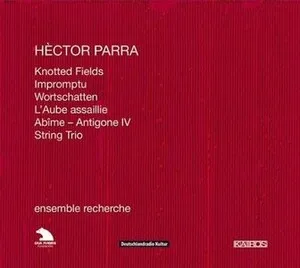
Knotted Fields; Impromptu; Wortschatten; L'aube assaillie; Abîme - Antigone IV; String Trio
Hèctor Parra / ensemble recherche
New Complexity
2005
1
/5
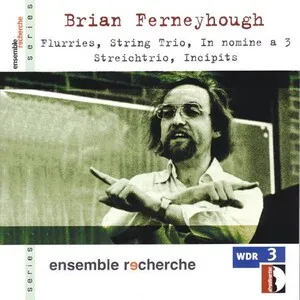
Flurries; String Trio; In nomine a 3; Streichtrio; Incipits
Brian Ferneyhough / ensemble recherche
New Complexity
Similar artists
1
/5
Irvine Arditti
Chamber Music
Avant-Garde
Étude
3
/5
Kronos Quartet
Classical
Chamber Music
Latin American Classical Music
2
/5
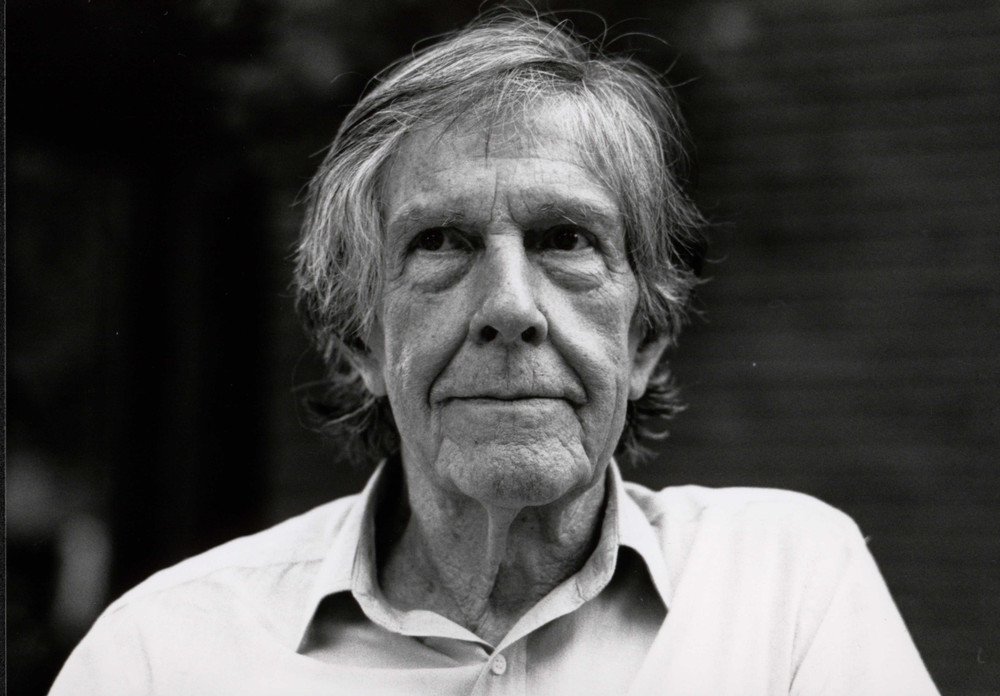
John Cage
Indeterminacy
Classical
Experimental
2
/5
Morton Feldman
Chamber Music
Classical
Avant-Garde
1
/5
Arditti Quartet
Chamber Music
Classical
String Quartet
1
/5
Giacinto Scelsi
Avant-Garde
Microtonal Classical
Chamber Music
1
/5
Quatuor Molinari
Avant-Garde
Chamber Music
Free Jazz
1
/5
JACK Quartet
Chamber Music
Avant-Garde
Classical
1
/5
Jürg Frey
Avant-Garde
Chamber Music
Minimalism
1
/5
Christopher Cerrone
Avant-Garde
Chamber Music
Minimalism
Download our mobile app
Get the Melodigging app and start digging for new genres on the go
Download on the App Store
Get it on Google Play
© 2026 Melodigging
Give feedback
Legal
Melodding was created as a tribute to
Every Noise at Once
, which inspired us to help curious minds keep digging into music's ever-evolving genres.