Genres
Artists
Albums
Make Music
Sign in
Sign in
Artists
Afro Drill
Artists
Afro Drill
Emma'a
Listen
3
/5
Genres
Afro Adura
Afro Adura is a contemporary Nigerian micro-genre of Afrobeats that centers prayerful, motivational, and spiritually reflective lyrics—“adura” means “prayer” in Yoruba—over modern Afro-pop and Amapiano-influenced rhythms. It blends the groove-first sensibility of Afrobeats with Fuji/Jùjú choral textures, gospel-inspired call-and-response, and street-pop vocal delivery. Typical productions feature warm log-drum swells, syncopated percussion, lush pads or churchy organs, and emotive hooks that often invoke faith, hustle, gratitude, and hope. The result is a style that feels both devotional and danceable: intimate storytelling and aspirational mantras carried by club-ready drums and Yoruba/Pidgin-English hooks.
Discover
Listen
Afropiano
Afropiano is a contemporary fusion that marries the songwriting, vocal phrasing, and rhythmic sensibilities of West African Afrobeats with the deep, percussive textures of South Africa’s Amapiano. It retains Amapiano’s signature log drum bass, shaker-led swing, and soulful pads, while adopting Afrobeats’ catchy hooks, call-and-response choruses, and concise, radio-friendly structures. The result is a warm, dance-floor-oriented sound with mid-tempo grooves, plush jazz/house harmonies, and lyrics that often blend English, Nigerian Pidgin, and local languages.
Discover
Listen
Sped-Up Music
Sped-up music is the practice of releasing or circulating versions of existing tracks that have been deliberately accelerated, often with a corresponding pitch raise that produces the classic "chipmunk" timbre. These versions are typically 10–35% faster than the original and are optimized for short‑form video platforms, where quick hooks and heightened energy improve replayability and engagement. While the aesthetic traces back to 2000s nightcore and fan edits on YouTube, the 2020s saw a commercial normalization: labels and artists now issue official “sped up” (and often “slowed”) versions on streaming services. The result is a micro‑genre defined less by unique compositional vocabulary than by a production treatment that recontextualizes mainstream pop, R&B, hip hop, and dance records for viral, danceable, hook‑forward consumption.
Discover
Listen
Afro Drill
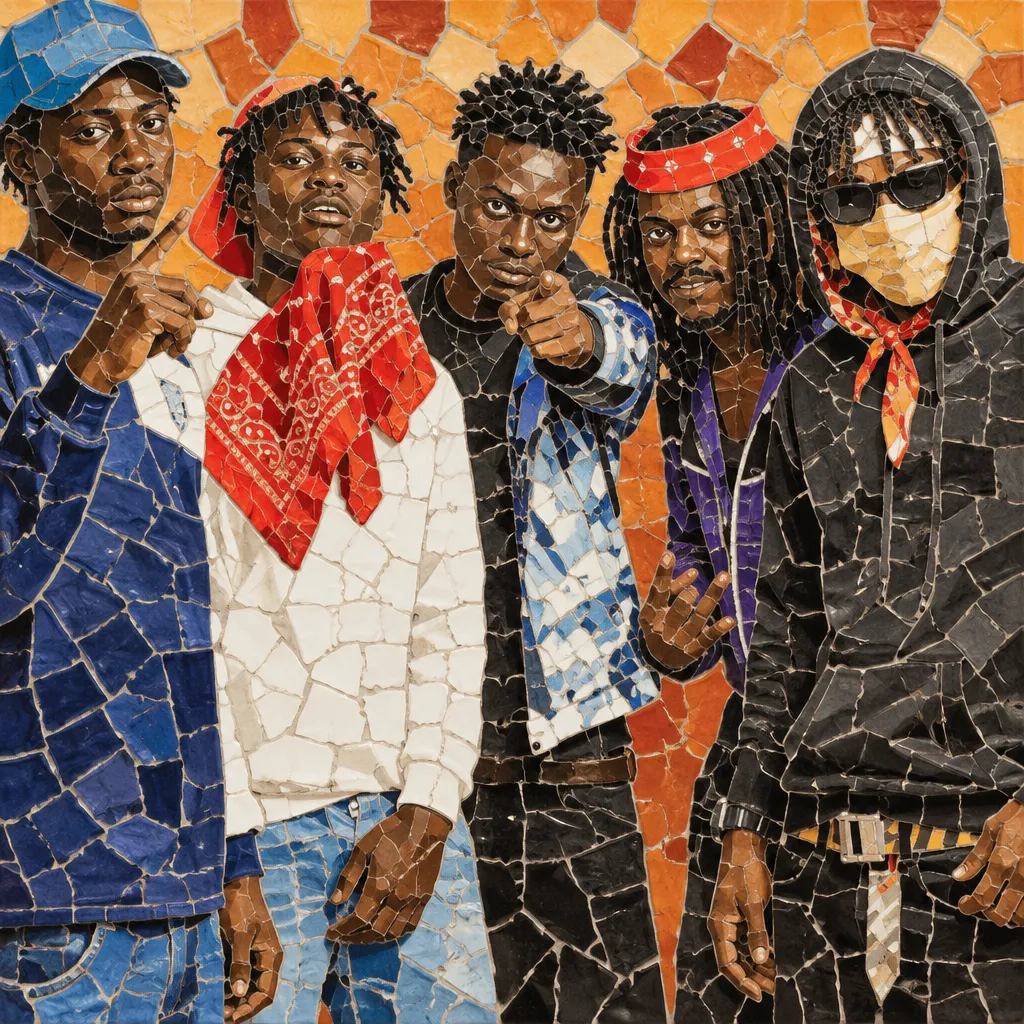
Afro drill is a regionalized form of drill that fuses the gritty, sliding-808 sonics and half‑time bounce of UK/Chicago drill with African rhythmic feel, languages, and street narratives. Born around the turn of the 2020s in Ghana (popularly called the Asakaa movement) and quickly echoed across other African scenes and diasporas, it retains drill’s cold, minor‑key atmosphere while introducing Afrobeats/highlife‑tinged melodies, syncopated percussion, and local flows in Twi, Ghanaian Pidgin, Yoruba, Sheng, and more. The result is music that is simultaneously raw and danceable—dark, street‑level storytelling delivered with regional slang and call‑and‑response hooks, framed by modern drill drum programming and African groove sensibilities.
Discover
Listen
Rap Ivoire
Rap ivoire is the Ivorian strain of hip hop that blends Francophone rap technique with local slang (Nouchi), street storytelling, and high-energy club aesthetics. It typically rides trap or Afro-urban beats while borrowing rhythmic accents from coupé-décalé and broader West African pop. Lyrically, it ranges from boastful punchlines and witty Nouchi wordplay to social observations about Abidjan life, youth hustle, and identity. Sonically, you’ll hear 808-heavy drums, sharp hi-hats, chantable hooks, and call-and-response refrains designed for both street appeal and dancefloor impact.
Discover
Listen
Urban Kiz
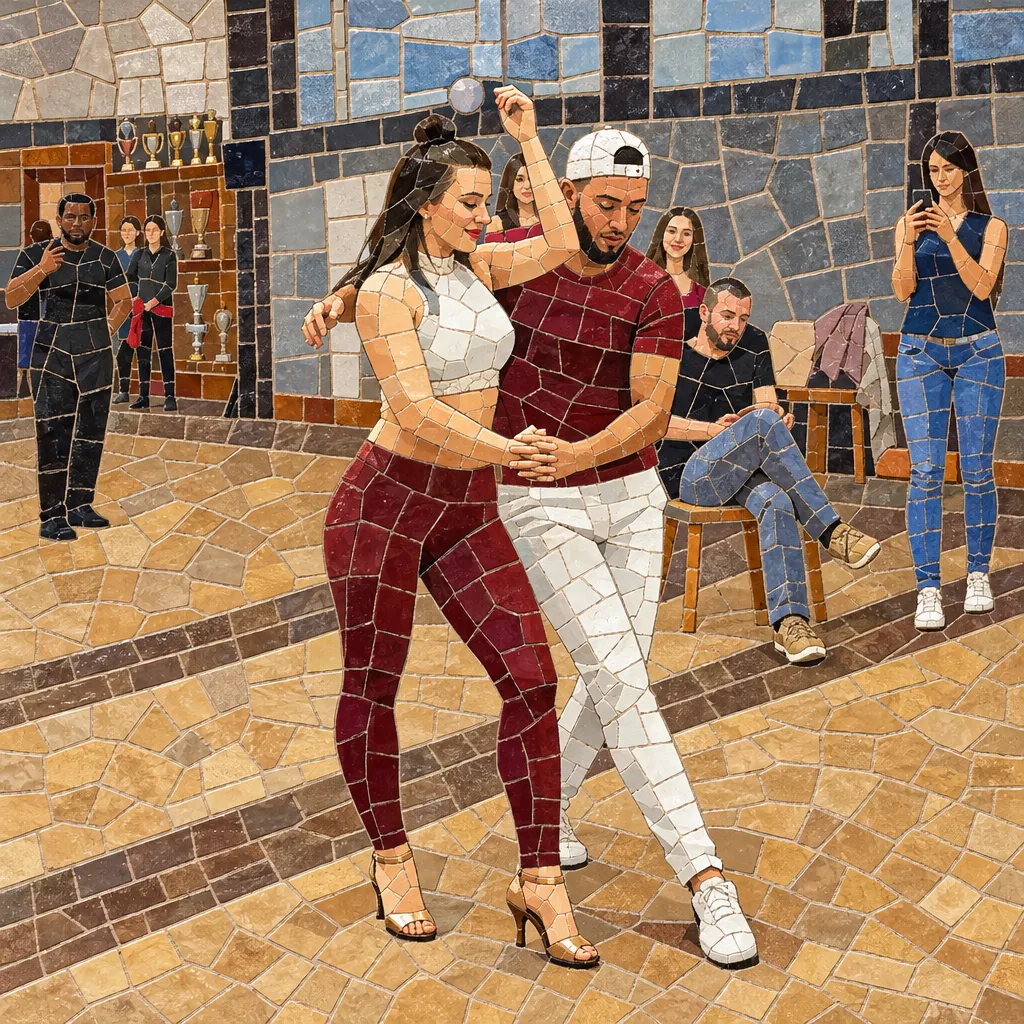
Urban Kiz is a contemporary, club-oriented offshoot of kizomba that took shape in Europe—especially in Paris—in the early-to-mid 2010s. It adapts the sensual, close-connection feel of kizomba to straighter, trap- and R&B-influenced beats with pronounced bass lines, crisp hi‑hats, and engineered breaks that suit the stop‑and‑go aesthetics of Urban Kiz social dancing. Musically, it favors 4/4 grooves around 88–102 BPM, less of the lilting/zouk swing found in classic kizomba, and more linear phrasing with dramatic drops, filters, and space for micro-pauses. Vocals (often in Portuguese, French, Cape Verdean Creole, or English) may be original toplines, sampled phrases, or R&B‑style hooks layered over sleek electronic production. Producers frequently label releases or remixes specifically for "Urban Kiz" floors, reinforcing the genre’s identity within the partner‑dance scene.
Discover
Listen
8d
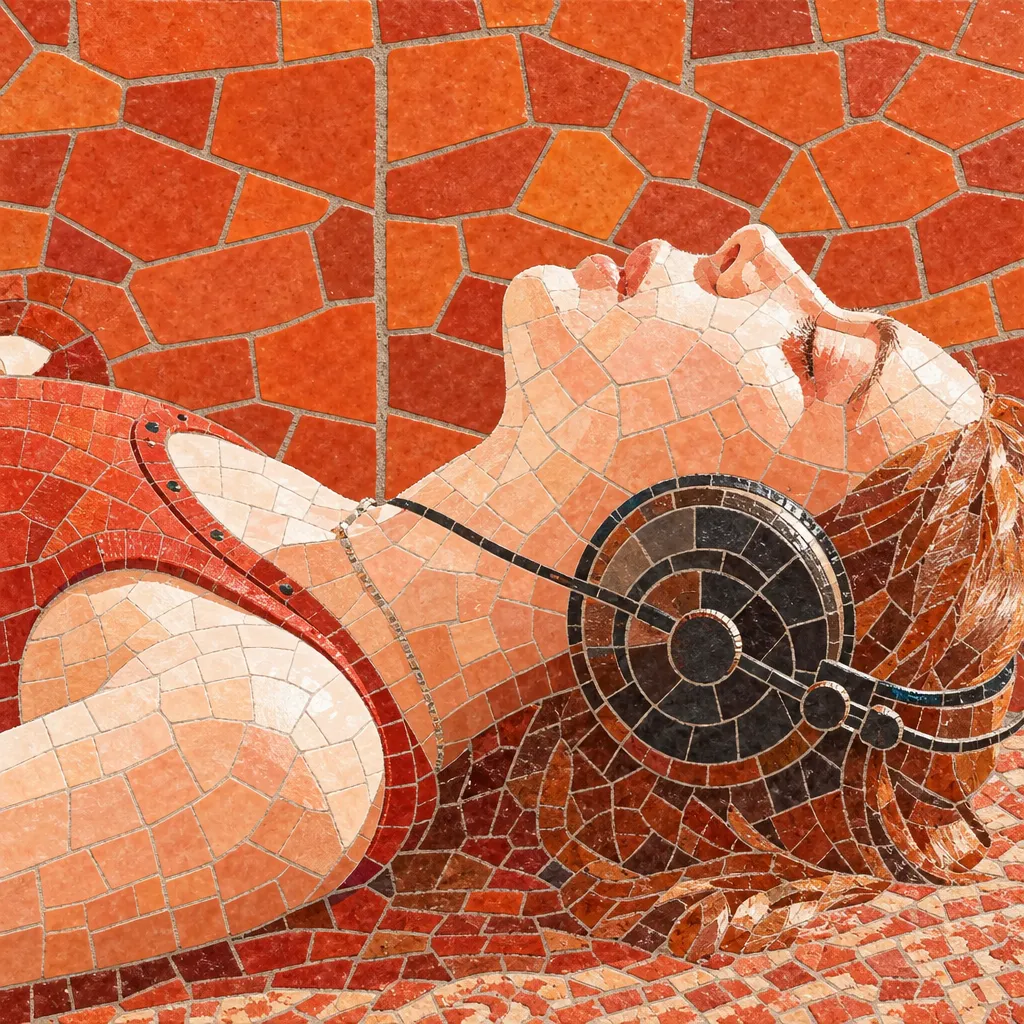
8D (often styled “8D Audio”) is not a traditional genre but a headphone‑centric production approach where a finished song is reprocessed with fast, automated spatial panning and head‑related transfer function (HRTF) filtering to simulate 360‑degree movement around the listener. Despite the name, there are no actual "eight dimensions." The appeal comes from psychoacoustic tricks—continuous circular or figure‑eight panning, binaural/ambisonic processing, Doppler‑like EQ changes, and reverb tails—that create the illusion that sounds orbit your head. The effect became a viral format on streaming platforms and video sites in the late 2010s, commonly applied to pop, lo‑fi, and chill tracks to make “immersive” headphone versions. Because 8D is an effect rather than a compositional style, its repertoire largely consists of fan/producer remixes of pre‑existing music, plus original ambient and chill pieces designed specifically for the "moving sound" experience.
Discover
Listen
Lo Star
Lo star is a streaming-era umbrella tag used to group under-the-radar, low-profile artists who sit on the fringes of indie, alternative, DIY pop, and related scenes. Rather than denoting a single, tightly defined musical vocabulary, it marks a discovery space of self-produced or small-label projects with modest audiences, genre-fluid aesthetics, and a distinctly DIY approach to recording and release. Expect intimate vocals, inexpensive or home-studio production, hybrid acoustic/electronic textures, and songwriting that favors personal storytelling and immediacy over polish. Because it functions as a curatorial category for emerging or niche acts, the sonic palette spans indie rock and folk-pop to bedroom pop and lo-fi electronic, unified by scale, ethos, and distribution more than by strict musical rules.
Discover
Listen
Pop Urbaine
Pop urbaine is a French mainstream pop style that blends contemporary R&B, hip hop, Afrobeats, dancehall, zouk, raï, and reggaeton with chart‑friendly songwriting. It emphasizes melodic hooks, mid‑tempo grooves, and sleek vocal production (often with Auto‑Tune) while foregrounding everyday, romantic, and nightlife themes in colloquial French. Rhythmically it favors syncopated Afro‑Caribbean patterns, sparse but bouncy 808 drums, and light guitar or synth plucks, creating a buoyant, danceable feel without the aggressiveness of club music. Vocals typically alternate between sung refrains and rap‑influenced verses, with catchy refrains designed for streaming and social media virality. The genre became a defining sound of French popular culture in the late 2010s, driven by a new generation of Francophone artists with diasporic roots who globalized French pop while keeping its language and local slang at the center.
Discover
Listen
French R&b
French R&B (R&B français) is a francophone take on contemporary R&B that blends sleek, groove‑driven production with French pop sensibilities and urban slang. It typically features smooth, melismatic vocals, mid‑tempo rhythms, and lush harmonies, while drawing on hip‑hop’s drum programming and featured rap verses. Shaped by France’s multicultural scene, the style often integrates influences from raï and zouk as well as US new jack swing and neo‑soul. Lyrics commonly explore love, vulnerability, empowerment, and everyday city life, delivered in conversational French (sometimes with verlan, Arabic, Lingala, or English code‑switching). Since the 2010s, the sound has increasingly absorbed Afrobeats/afropop grooves and trap‑era textures, widening its appeal across the francophone world.
Discover
Listen
Zouk
Zouk is a high-energy dance music that originated in the French Caribbean (Guadeloupe and Martinique) in the early 1980s, crystallized by the band Kassav’. It blends Haitian compas (kadans) with local folk rhythms and the glossy production aesthetics of disco, funk, and early electronic pop. Early “zouk béton” emphasized driving, tightly arranged rhythms, bright synth-brass stabs, and call-and-response vocals. A slower, smoother branch known as “zouk love” followed, foregrounding romantic lyrics, silky harmonies, and sensual grooves. Sung primarily in Antillean Creole and French, zouk is both a party soundtrack and a cultural statement of Caribbean identity.
Discover
Listen
Compas
Compas (also spelled konpa or compas direct) is Haiti’s modern, méringue-based dance music. It features a steady, driving groove, lyrical melodies, and tight horn or synth hooks designed for continuous social dancing. The style blends Haitian méringue rhythms with jazz and Afro‑Cuban/Latin elements, typically in a mid‑tempo 4/4. A locked‑in drum/cowbell pattern, syncopated bass ostinatos, percussive rhythm guitar, keyboards playing montuno-like figures, and call‑and‑response vocals in Haitian Creole or French are core traits. Since the late 1970s, electronic keyboards and drum machines have been common, but the feel remains warm, romantic, and unshakably danceable.
Discover
Listen
Show all 12 genres
Similar artists
4
/5
Joé Dwèt Filé
Kizomba
Zouk
Shatta
3
/5
Ronisia
Zouk
Afro Drill
Basshall
3
/5
Lil Jay Bingerack
Afro Drill
Basshall
Compas
4
/5
Kalash
Zouk
Dancehall
Shatta
3
/5
Kim
Afro Drill
Basshall
Compas
3
/5
Bamby
Shatta
Afro Drill
Basshall
3
/5
Ya Levis
Kizomba
Zouk
Afro Drill
3
/5
Singuila
Ndombolo
Compas
Congolese Rumba
3
/5
Hiro
Afro Drill
Afrobeats
Compas
3
/5
SenSey'
Afro Drill
Compas
French R&b
Download our mobile app
Get the Melodigging app and start digging for new genres on the go
Download on the App Store
Get it on Google Play
© 2026 Melodigging
Give feedback
Legal
Melodding was created as a tribute to
Every Noise at Once
, which inspired us to help curious minds keep digging into music's ever-evolving genres.