Genres
Artists
Albums
Make Music
Sign in
Sign in
Artists
Emo
Artists
Emo
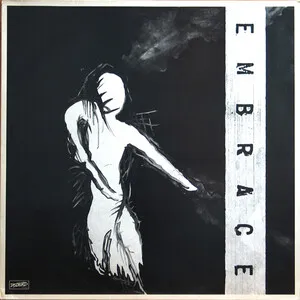
Embrace
1987
·
1 album
Listen
2
/5
Genres
Diy Emo
DIY emo is a grassroots, home-recorded and community-driven branch of contemporary emo that blends twinkly Midwest-emo guitar work, confessional lyricism, and pop-punk urgency with a distinctly lo‑fi, self-produced aesthetic. It foregrounds the ethics of the do‑it‑yourself underground: basement shows, tape or Bandcamp releases, collective touring, and a preference for intimacy over polish. Sonically, it leans on clean, chiming guitars, melodic basslines, dynamic drumming, and unvarnished vocals that veer from soft-spoken to cathartic sing-alongs. Rather than chasing radio gloss, DIY emo embraces rawness and vulnerability—often capturing the feel of a crowded living room show—while channeling themes of friendship, mental health, hometowns, and the bittersweet transitions of early adulthood.
Discover
Listen
Modern Melodic Hardcore
Modern melodic hardcore is a contemporary evolution of hardcore punk that foregrounds tuneful, emotive guitar lines and memorable vocal hooks without sacrificing speed, urgency, or bite. It typically pairs fast, driving rhythms (often in the 160–210 BPM range) and shouted–sung vocals with bright octave riffs, ringing chords, and dynamic shifts between explosive passages and reflective, melodic breaks. Compared with earlier waves, the modern form embraces cleaner production, bigger choruses, and influences from emo, post-hardcore, and power-pop—producing songs that are both cathartic and catchy.
Discover
Listen
Screamo
Screamo is an emotionally charged offshoot of emo and hardcore punk characterized by cathartic, screamed vocals, dynamic extremes, and a blend of melody with discordance. Songs often move rapidly between fragile, clean passages and explosive, chaotic climaxes, emphasizing tension-and-release. Guitars favor octave runs, tremolo-picked melodies, and dissonant chord voicings, while drums switch from driving d-beats to blast beats and spacious half-time drops. Lyrics are typically confessional, poetic, and socially aware, delivered with a visceral intensity that foregrounds vulnerability and urgency. Early recordings embraced raw, DIY production and intimate, basement-show energy; later waves incorporated post-rock atmospherics and more expansive songwriting.
Discover
Listen
Emo
Emo is a rock subgenre that emerged from the mid-1980s Washington, D.C. hardcore punk scene as “emotional hardcore” (often shortened to emocore). It retains punk’s urgency but foregrounds confessional, vulnerable lyrics and dramatic dynamic shifts. Across its eras, emo has encompassed several distinct sounds: the intense, cathartic D.C. style; the melodic, guitar‑intricate “Midwest emo” of the 1990s; and the 2000s mainstream wave that blended emo’s lyrical candor with pop‑punk hooks (often called “emo pop”). Common musical traits include intertwining clean and overdriven guitars, intricate arpeggios and counter‑melodies, elastic song structures, and vocals that range from intimate murmurs to raw, impassioned shouts.
Discover
Listen
Post-Hardcore
Post-hardcore is a branch of hardcore punk that retains the style’s urgency and DIY ethos while expanding its musical vocabulary. Bands push beyond breakneck tempos and simple power-chord progressions into more dynamic song structures, varied rhythms, and a wider emotional range. Guitars often alternate between caustic distortion and clean, chiming textures; vocals can shift from shouted slogans to melodic singing; and arrangements emphasize tension-and-release, odd meters, and dramatic builds. Lyrically, post-hardcore tends to be more introspective and socially conscious than its hardcore roots, touching on personal, political, and philosophical themes.
Discover
Listen
Emocore
Emocore (short for emotional hardcore) is a style of hardcore punk distinguished by intensely personal, confessional lyrics, dynamic song structures, and a heightened emphasis on melody and expressivity. It grew from the Washington, D.C. punk scene as musicians sought more nuanced ways to channel catharsis beyond the blunt-force speed and aggression of early hardcore. Musically, emocore retains hardcore’s driving rhythms and shouted/sung vocals, but it favors dramatic shifts in tempo and volume, ringing octave chords, crawling clean passages that explode into overdrive, and bass/drum interplay that supports sudden mood changes. Lyrically, it pivots from overt political manifestos toward vulnerability, interiority, relationships, and self-interrogation—without abandoning punk’s DIY ethic and intensity.
Discover
Listen
Revolution Summer
Revolution Summer refers to a short but pivotal 1985 movement in Washington, D.C.'s punk scene that redirected local hardcore toward more melodic, emotionally direct, and socially conscious music. Bands retained punk's speed and DIY attack but introduced dynamic shifts, cleaner guitar tones alongside crunch, octave-melody leads, and lyrics that were personal, reflective, and anti-macho—often intertwined with community activism. The sound bridged hardcore punk with post-punk textures and laid crucial groundwork for emo and post-hardcore.
Discover
Listen
Straight Edge
Straight edge is a strain of hardcore punk defined as much by its ethical stance as by its sound. The term comes from Minor Threat’s 1981 song "Straight Edge," which rejected alcohol, tobacco, and recreational drugs, and often extended to promiscuity, gambling, and later to vegetarianism/veganism. Musically, straight edge bands play fast, compact hardcore marked by urgent tempos, shouted lead vocals, gang-chorus hooks, and breakdowns built for stage dives and pile-ons. Guitars use tight, mid-to-high gain power-chords with minimal solos, while drums favor skank beats and brisk two-steps. Lyrically, songs emphasize self-control, personal responsibility, community, and social awareness, delivered with a positive, motivational tone even when confronting anger or injustice. Aesthetically, the movement adopted DIY ethics and recognizable symbols—most famously the “X” on hands—reflecting an all-ages, alcohol-free show culture and a commitment to sober spaces within punk.
Discover
Listen
Hardcore Punk
Hardcore punk is a faster, louder, and more abrasive offshoot of late-1970s punk rock. Songs are typically short (often under two minutes), propelled by rapid tempos, aggressive down‑stroked guitar riffs, and shouted or barked vocals. The style prioritizes raw energy over technical ornamentation: power‑chord harmony, minimal guitar solos, and tightly locked rhythm sections dominate. Lyrically, hardcore punk is intensely direct—often political, anti‑authoritarian, and socially critical—reflecting a DIY ethic that values independent labels, self‑organized shows, and community‑run spaces. The genre coalesced in U.S. scenes such as Los Angeles, Washington, D.C., New York, and Boston, and soon spread internationally. Its velocity, attitude, and grassroots infrastructure profoundly shaped underground music and paved the way for numerous metal, punk, and alternative subgenres.
Discover
Listen
Show all 9 genres
Albums
1987
1
/5
Embrace
Embrace
Revolution Summer
Emocore
Straight Edge
Similar artists
2
/5
Rites of Spring
Emo
Hardcore Punk
Post-Hardcore
1
/5
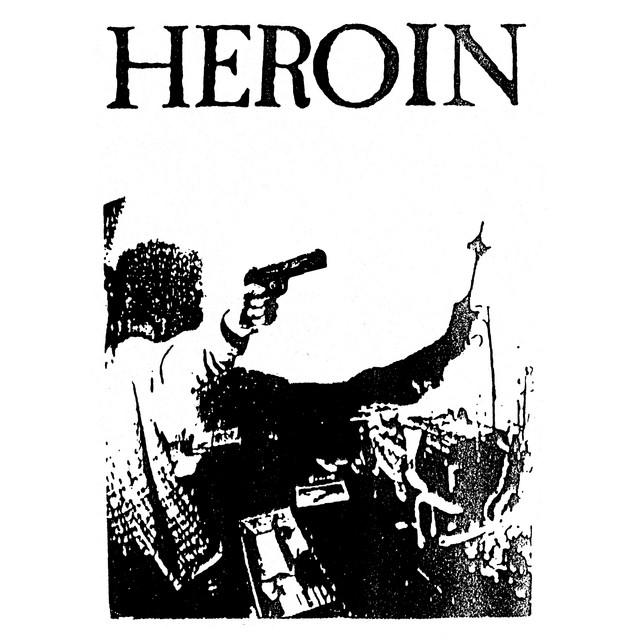
Heroin
Emo
Hardcore Punk
Mathcore
4
/5
Asking Alexandria
Emocore
Trancecore
Electronic Djent
4
/5
Escape the Fate
Emocore
Emo
Pixie
4
/5
Silverstein
Post-Hardcore
Emocore
Emo
3
/5
Saosin
Emocore
Post-Hardcore
Emo
3
/5
Her Words Kill
Emo
Post-Hardcore
Emocore
3
/5
Chiodos
Post-Hardcore
Emo
Emo Revival
3
/5
Alesana
Emo
Emo Revival
Emocore
3
/5
A Skylit Drive
Post-Hardcore
Emo
Emocore
Download our mobile app
Get the Melodigging app and start digging for new genres on the go
Download on the App Store
Get it on Google Play
© 2026 Melodigging
Give feedback
Legal
Melodding was created as a tribute to
Every Noise at Once
, which inspired us to help curious minds keep digging into music's ever-evolving genres.