Genres
Artists
Albums
Make Music
Sign in
Sign in
Artists
Country Blues
Artists
Country Blues
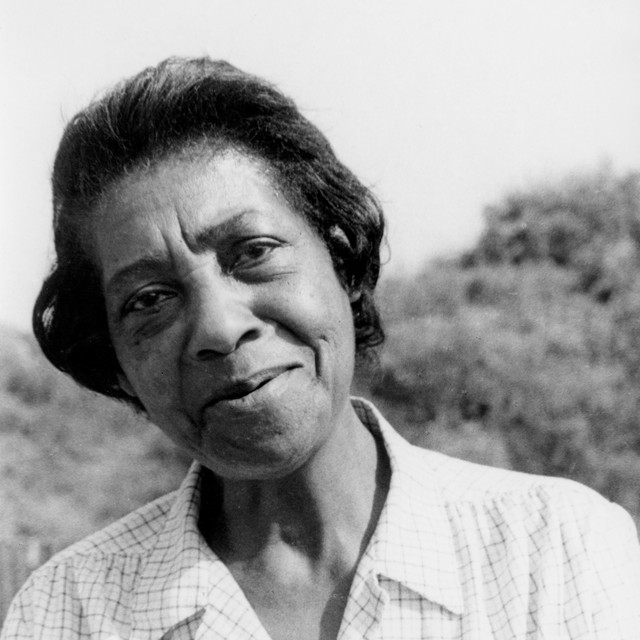
Elizabeth Cotten
1979–2004
·
3 albums
Listen
2
/5
Genres
Modern Indie Folk
Modern indie folk is a 2010s-era evolution of indie folk that blends intimate, acoustic songwriting with contemporary production aesthetics. It keeps the core of folk—storytelling, fingerpicked guitars, and close-miked vocals—but expands the palette with ambient textures, chamber-style strings, subtle electronics, cinematic reverb, and spacious, headphone-first mixes. The result is a sound that feels both handcrafted and atmospheric: confessional lyrics carried by hushed deliveries, layered harmonies, and warm analog or tape-like saturation, often moving between 4/4 and swaying 6/8/12/8 meters. At its center are themes of memory, nature, relationships, and quiet self-reckoning, expressed through vivid imagery and minimalist arrangements that bloom into emotive crescendos.
Discover
Listen
Countrygaze
Countrygaze blends the twang, storytelling, and chord language of alt‑country/Americana with the hazy, textural walls of sound associated with shoegaze and dream pop. Expect pedal steel or slide guitar swimming in reverb and delay, saturated or blown‑out rhythm guitars, and soft, breathy vocals mixed as another texture rather than a dominant lead. The tempos often sit in a mid‑slow sway, while lyrics lean on small‑town imagery, highways, weather, memory, and bittersweet relationships. The result is music that feels both dust‑covered and cloud‑drifted: intimate, earthy narratives wrapped in a dreamy, saturated envelope.
Discover
Listen
Deep Indie Singer-Songwriter
Deep indie singer-songwriter is a micro-genre that spotlights intimate, hushed, and highly personal songwriting crafted outside the mainstream. It blends the confessional lyricism and acoustic focus of the classic singer-songwriter tradition with the understated aesthetics of indie and bedroom production. Arrangements are typically sparse—fingerpicked acoustic guitars, soft pianos, light strings, and subtle electronic atmospheres—so that breathy, close-miked vocals and storytelling take center stage. The overall feel is introspective and reflective, often leaning toward melancholy or tender warmth. Songs prize texture and space over flash, favoring gentle dynamics, slow-to-mid tempos, and an “up-close” emotional delivery that suits late-night listening, film/TV syncs, and reflective playlists.
Discover
Listen
Folk
Folk is a song-centered acoustic tradition rooted in community storytelling, everyday life, and social history. It emphasizes clear melodies, simple harmonies, and lyrics that foreground narrative, protest, and personal testimony. As a modern recorded genre, folk coalesced in the early-to-mid 20th century in the United States out of older ballad, work song, and rural dance traditions. It typically features acoustic instruments (guitar, banjo, fiddle, mandolin, harmonica), strophic song forms, and participatory singing (choruses, call-and-response).
Discover
Listen
Country Blues
Country blues—also called rural blues or folk blues—is the earliest widely documented form of the blues, rooted in the everyday music-making of African Americans in the rural American South. It typically features a solo singer accompanying themselves on acoustic guitar, with flexible time, expressive vocal delivery, and abundant use of blue notes. While 12‑bar structures are common, country blues often stretches or compresses measures to fit the lyric, making phrasing elastic and conversational. Regional flavors emerged—Delta (driving, droning thumb bass and slide), Piedmont (ragtime‑inflected fingerpicking), and Texas (looser phrasing and single‑string leads)—but all share storytelling lyrics about work, travel, love, hardship, and spiritual longing.
Discover
Listen
Acoustic Blues
Acoustic blues is a family of blues styles performed on non-amplified instruments, most commonly solo voice with acoustic guitar and, at times, harmonica. It emphasizes raw, intimate timbres; elastic vocal phrasing; and guitar techniques such as fingerpicking, alternating-bass patterns, and bottleneck slide. Rooted in African American folk traditions of the U.S. South, acoustic blues typically favors small-scale, conversational performance practice—call-and-response between voice and guitar, expressive "blue notes," and lyrics in the AAB stanza form. Substyles include Delta blues (driving, slide-heavy), Piedmont blues (ragtime-influenced fingerpicking), and Texas blues (looser, narrative-driven playing).
Discover
Listen
Piedmont Blues
Piedmont blues is an East Coast style of acoustic blues defined first and foremost by its guitar technique. Players use a steady, alternating-thumb bass on the lower strings while the index (and sometimes middle) finger picks syncopated melodies on the treble strings. The resulting texture imitates ragtime or stride piano: a walking/oom‑pah bass underpinning a dancing, off‑beat melody on top. Developed in the southern Appalachian foothills and the broader U.S. East Coast, the style favors clear, song‑like melodies, buoyant rhythms, and a repertoire that ranges from blues and hokum to gospel and dance tunes. Blues researcher Peter B. Lowry coined the term “Piedmont blues,” sharing credit with folklorist Bruce Bastin, to distinguish this ragtime‑based, melodically oriented approach from the more riff‑driven, modal feel of Mississippi Delta blues.
Discover
Listen
Blues
Blues is an African American musical tradition defined by expressive "blue notes," call-and-response phrasing, and a characteristic use of dominant-seventh harmony in cyclical song forms (most famously the 12‑bar blues). It is as much a feeling as a form, conveying sorrow, resilience, humor, and hard-won joy. Musically, blues commonly employs the I–IV–V progression, swung or shuffled rhythms, and the AAB lyric stanza. Melodies lean on the minor/major third ambiguity and the flattened fifth and seventh degrees. Core instruments include voice, guitar (acoustic or electric), harmonica, piano, bass, and drums, with slide guitar, bends, and vocal melismas as signature techniques. Over time the blues has diversified into regional and stylistic currents—Delta and Piedmont country blues, urban Chicago and Texas blues, West Coast jump and boogie-woogie—while profoundly shaping jazz, rhythm & blues, rock and roll, soul, funk, and much of modern popular music.
Discover
Listen
American Folk Music
American folk music is a broad family of traditional and vernacular musics that developed in the United States from the 19th century onward, drawing on British Isles balladry, African American spirituals and work songs, Native American traditions, and frontier songs. It is typically acoustic, emphasizing voice and narrative over virtuoso display. Common instruments include acoustic guitar, banjo, fiddle, harmonica, mandolin, dulcimer, and upright bass. Forms are often strophic with repeated refrains, and melodies frequently use pentatonic or modal scales (Mixolydian, Dorian). Lyrical themes range from love, labor, faith, migration, and rural life to topical protest and social justice. Regional styles—such as Appalachian ballads and string-band music, cowboy songs of the West, maritime shanties of New England, Cajun and Creole influences in Louisiana, and Midwestern and Southwestern dance tunes—sit under the umbrella of American folk, which later fed revivals and singer‑songwriter traditions.
Discover
Listen
Traditional Folk
Traditional folk is a broad umbrella for orally transmitted songs and dance tunes that circulated in rural and working-class communities before the age of mass recording. Repertoires include narrative ballads, laments, love songs, work songs, lullabies, and instrumental dance sets such as reels, jigs, hornpipes, and marches. Stylistically, traditional folk favors strophic forms, pentatonic or modal melodies (often Dorian and Mixolydian), limited harmonic movement, and strong, memorable tunes designed for communal singing and dancing. Performances range from unaccompanied solo voice to small ensembles built around fiddle, flute/whistle, pipes, concertina/accordion, guitar, banjo, and frame drum. Ornamentation, variation by verse, and flexible tempo are integral, reflecting an oral tradition where songs live through continual reinterpretation. Although it is pan‑regional, the modern idea of “traditional folk” coalesced in the 19th century through collectors and revivalists who documented vernacular music and framed it as cultural heritage.
Discover
Listen
Show all 10 genres
Albums
2004
3
/5
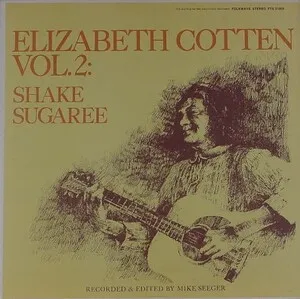
Vol. 2: Shake Sugaree
Elizabeth Cotten
Piedmont Blues
Acoustic Blues
Country Blues
1989
3
/5
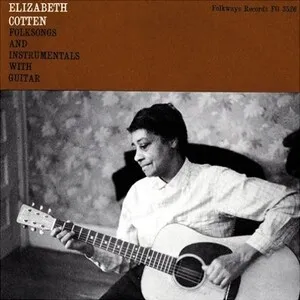
Folksongs and Instrumentals With Guitar
Elizabeth Cotten
Acoustic Blues
Country Blues
Piedmont Blues
1979
2
/5
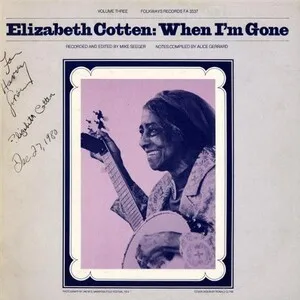
Volume 3: When I'm Gone
Elizabeth Cotten
Piedmont Blues
Acoustic Blues
Blues
Similar artists
1
/5
Various Artists
Afro-Funk
Alternative Rock
Ambient
3
/5
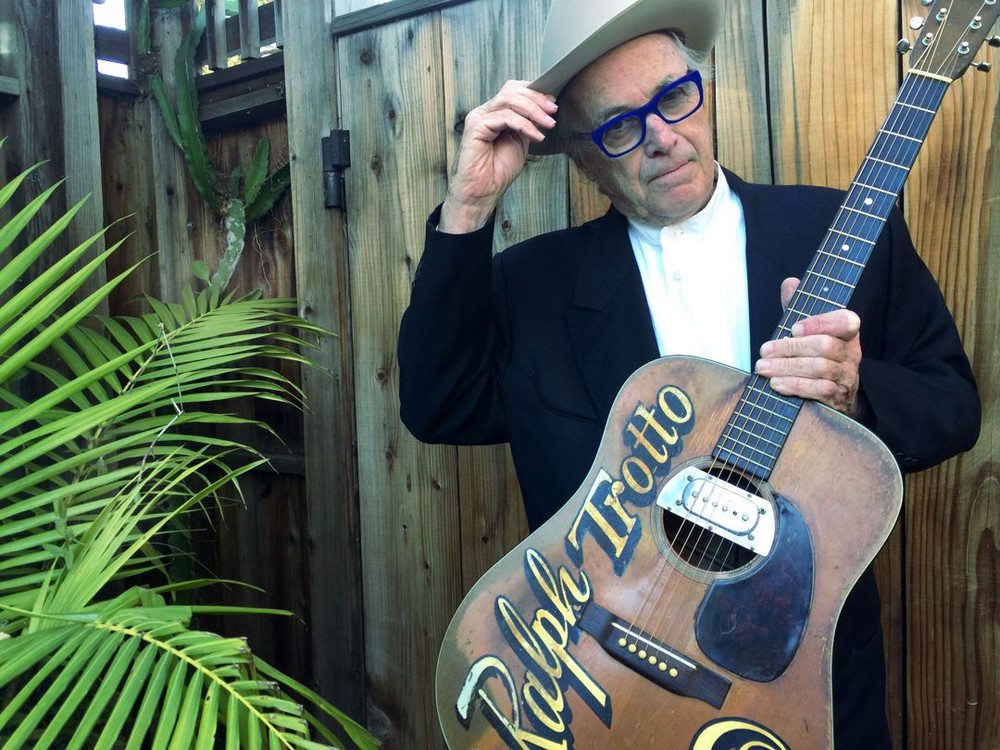
Ry Cooder
Piedmont Blues
Blues
Jazz
2
/5
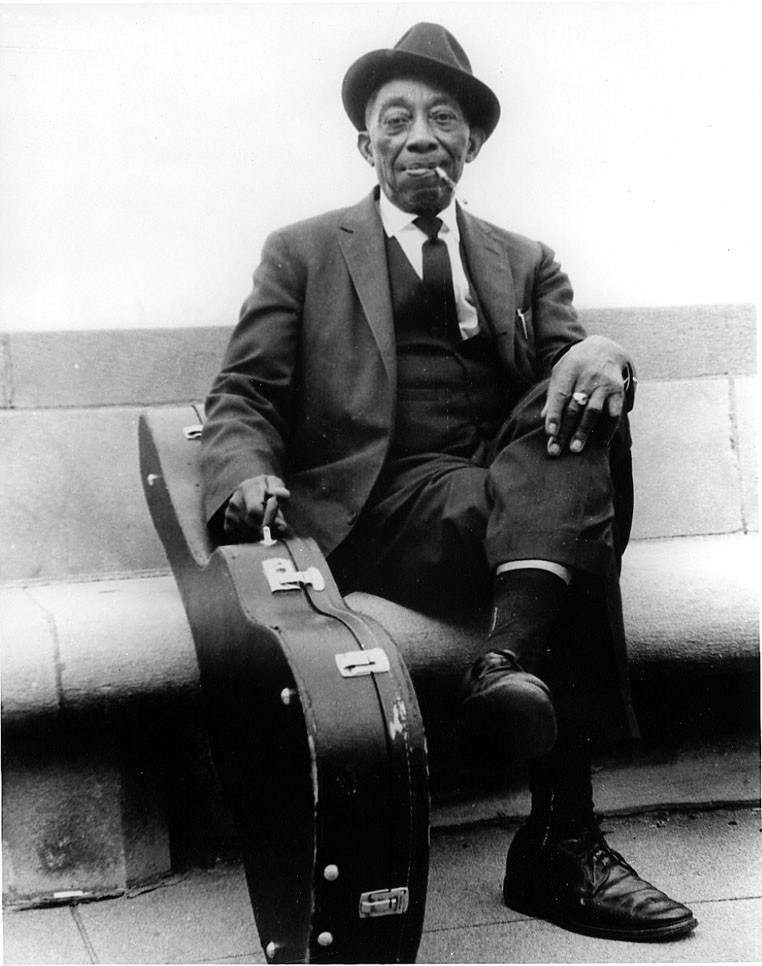
Mississippi John Hurt
Piedmont Blues
Acoustic Blues
Country Blues
3
/5
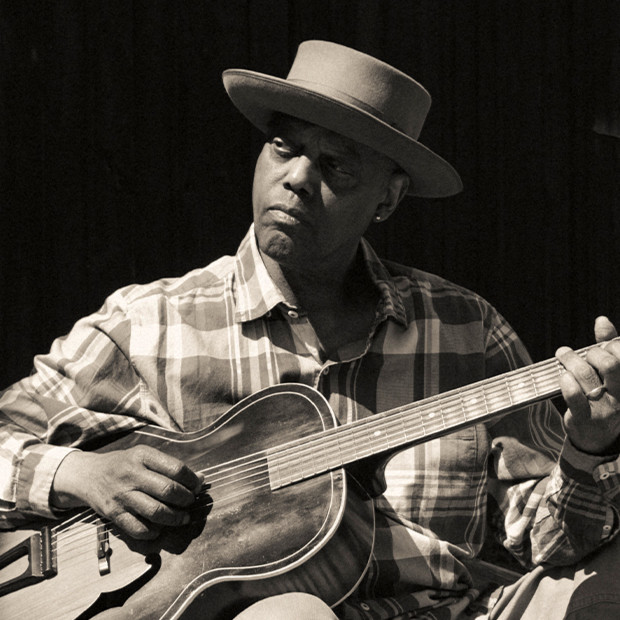
Eric Bibb
Piedmont Blues
Acoustic Blues
Blues
2
/5
Lead Belly
Blues
Country Blues
Folk
2
/5
Blind Willie McTell
Piedmont Blues
Country Blues
Delta Blues
2
/5
Sonny Terry
Country Blues
Piedmont Blues
Acoustic Blues
2
/5
Brownie McGhee
Blues
Country Blues
Piedmont Blues
3
/5
Charlie Parr
Piedmont Blues
Folk
Americana
2
/5
Dave Van Ronk
Folk
Country Blues
Greenwich Village Scene
Download our mobile app
Get the Melodigging app and start digging for new genres on the go
Download on the App Store
Get it on Google Play
© 2026 Melodigging
Give feedback
Legal
Melodding was created as a tribute to
Every Noise at Once
, which inspired us to help curious minds keep digging into music's ever-evolving genres.