Genres
Artists
Albums
Make Music
Sign in
Sign in
Artists
Ambient Folk
Artists
Ambient Folk
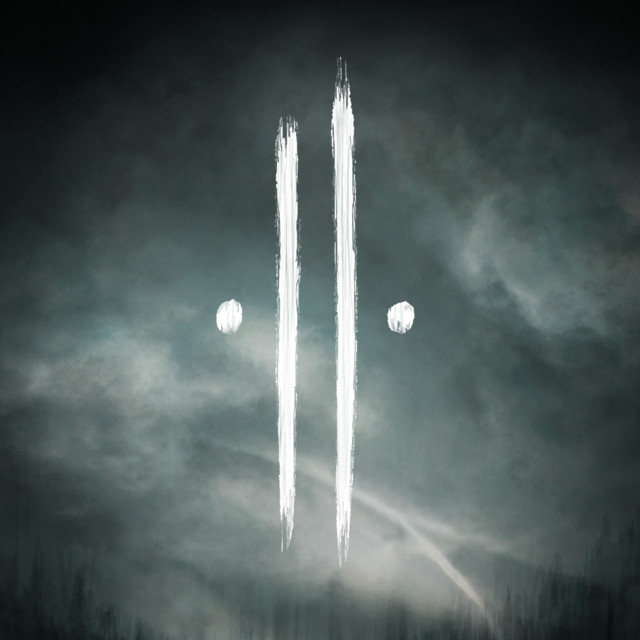
Eihwar
2023–2026
·
3 albums
Listen
3
/5
Genres
Ambient Folk
Ambient folk blends the acoustic intimacy of folk with the spacious sound design of ambient music. Fingerpicked guitars, soft vocals, and organic instruments are layered with drones, reverb-drenched pads, and field recordings to create a hushed, immersive atmosphere. The style favors slow tempos, minimal percussion, and modal or diatonic harmonies, often allowing chords to ring while textures evolve gradually. The result is music that feels pastoral and introspective, equally suited to close listening and quiet, reflective spaces.
Discover
Listen
Pagan Folk
Pagan folk is a contemporary folk style that draws on pre‑Christian European traditions, mythologies, and seasonal rites. It emphasizes acoustic, hand‑crafted instruments, trance‑like percussion, and communal chanting to evoke a ritual, nature‑centric atmosphere. Musically it is modal (often Aeolian, Dorian, and pentatonic), drone‑friendly, and rhythmically driven by frame drums, stomps, and simple ostinatos. Timbres from hurdy‑gurdy, lyres, tagelharpa, nyckelharpa, flutes, and bagpipes are common, with layered vocals ranging from intimate laments to massed, call‑and‑response chants. Aesthetically it sits between neo‑medieval revivalism, dark/ritual folk, and world/ethereal traditions, but unlike folk metal it avoids heavy guitars and drum kits, favoring earthy, organic production and a strong sense of ceremony.
Discover
Listen
Alternative
Alternative is an umbrella term for non-mainstream popular music that grew out of independent and college-radio scenes. It emphasizes artistic autonomy, eclectic influences, and a willingness to subvert commercial formulas. Sonically, alternative often blends the raw immediacy of punk with the mood and texture of post-punk and new wave, adding elements from folk, noise, garage, and experimental rock. While guitars, bass, and drums are typical, production ranges from lo-fi to stadium-ready, and lyrics tend toward introspection, social critique, or surreal storytelling. Over time, “alternative” became both a cultural stance and a market category, spawning numerous substyles (alternative rock, alternative hip hop, alternative pop, etc.) and moving from underground circuits to mainstream prominence in the 1990s.
Discover
Listen
Electro
Electro is an early 1980s machine-funk style built around drum machines (especially the Roland TR-808), sequenced basslines, and a futuristic, robotic aesthetic. It emphasizes syncopated rhythms, sparse arrangements, and timbres drawn from analog and early digital synthesizers. Vocals, when present, are often delivered via vocoder or rap-style chants, reinforcing a sci‑fi, cyborg persona. Electro’s grooves powered breakdance culture, and its sonic palette—crisp 808 kicks, snappy snares, dry claps, cowbells, and squelchy bass—became foundational to later techno and bass music.
Discover
Listen
Neofolk
Neofolk is a post-industrial offshoot that blends traditional acoustic folk instrumentation with the austere atmospheres, ritual rhythms, and poetic sensibilities of the industrial and post-punk underground. It often features intimate acoustic guitars, baritone or chant-like vocals, martial or processional percussion, drones, and sparse strings or harmonium. Thematically, neofolk is preoccupied with memory, myth, and modernity—drawing on pagan or pre-Christian motifs, Romantic poetry, war-time remembrance, esoteric philosophy, and nature mysticism. The sound tends to be minimal and deliberate, favoring modal harmony and restrained dynamics that sharpen lyrical focus and mood. While sometimes called “apocalyptic folk,” the label describes the tone rather than a single ideology, as artists span a wide range of personal and political stances.
Discover
Listen
Medieval
Medieval music refers to the diverse sacred and secular musical practices of Europe between the fall of the Western Roman Empire and the dawn of the Renaissance. It spans more than eight centuries, from early monophonic chant to the first notated polyphony. Core features include the use of church modes rather than major/minor, extensive reliance on vocal music (Latin sacred chant as well as vernacular song), and the progressive development from unmeasured chant to rhythmic modal notation and, later, mensural notation. Texture evolves from monophony (plainchant, troubadour songs) to organum, conductus, and the motet, culminating in complex isorhythmic works by the late 13th–14th centuries. Secular traditions—troubadours and trouvères in France, Minnesänger in German lands, and the Iberian Cantigas—coexisted with and influenced sacred practice. Instruments such as the vielle, harp, psaltery, recorder, shawm, hurdy-gurdy, and portative organ often doubled or accompanied voices, though much music remained purely vocal.
Discover
Listen
Albums
2026
2
/5
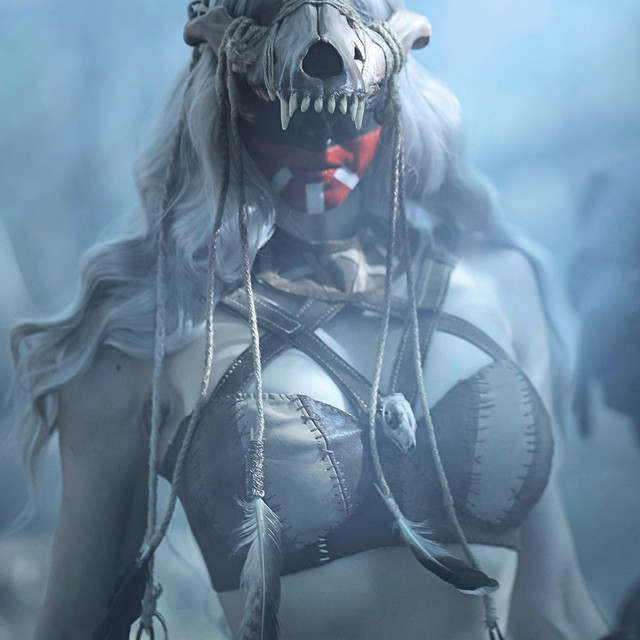
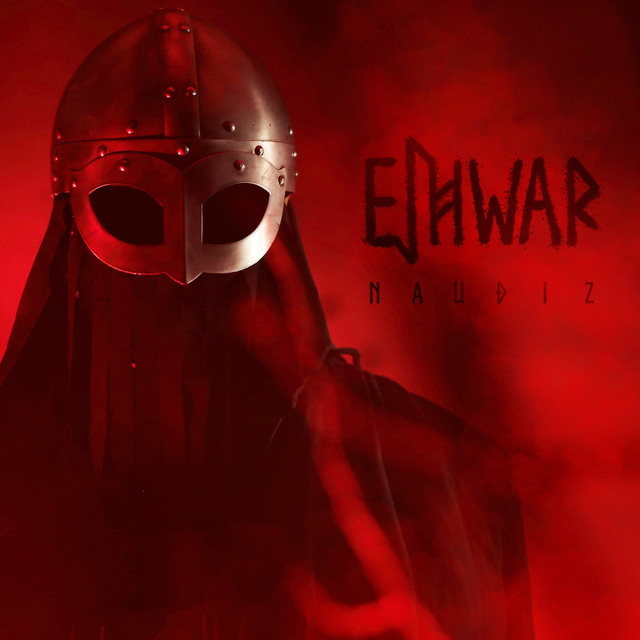
Nauðiz
Eihwar
Ambient Folk
2025
2
/5
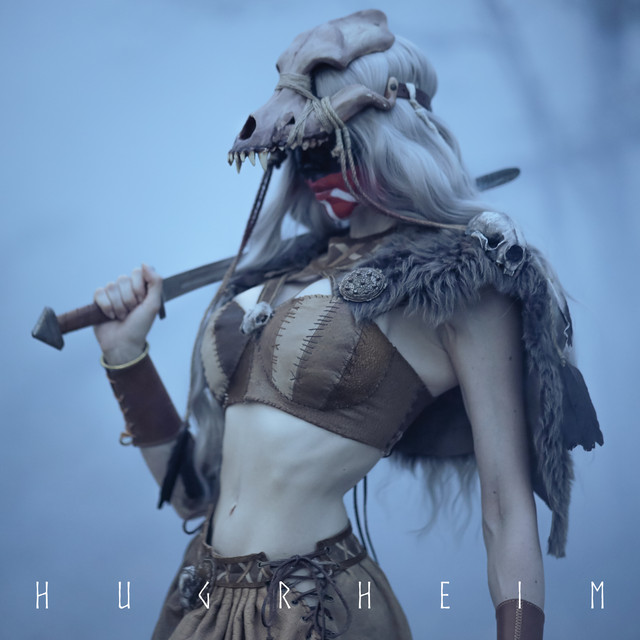
Hugrheim
Eihwar
Ambient Folk
2023
2
/5
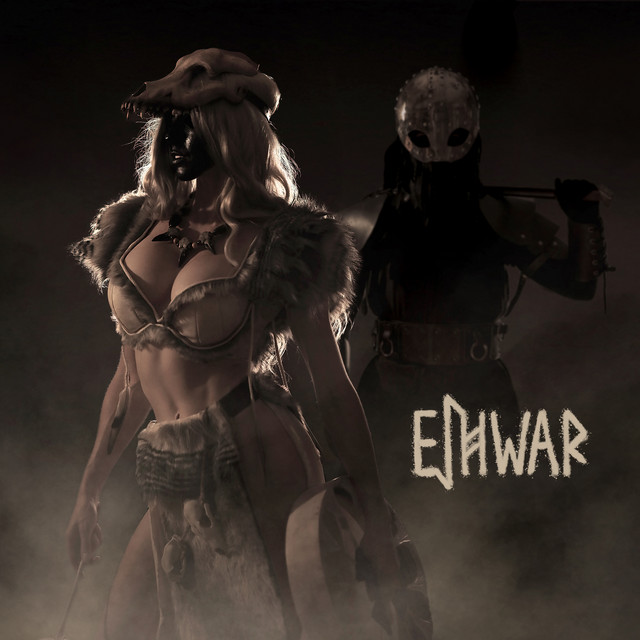
Berserkr
Eihwar
Ambient Folk
Similar artists
3
/5
Heilung
Dark Folk
Rune Folk
Neofolk
3
/5
Wardruna
Neofolk
Rune Folk
Viking Folk
3
/5
Danheim
Neofolk
Rune Folk
Viking Folk
3
/5
Forndom
Dungeon Synth
Rune Folk
Viking Folk
3
/5
A Tergo Lupi
Viking Folk
Ambient Folk
Medieval
3
/5
Gealdýr
Ambient Folk
Celtic
Medieval
2
/5
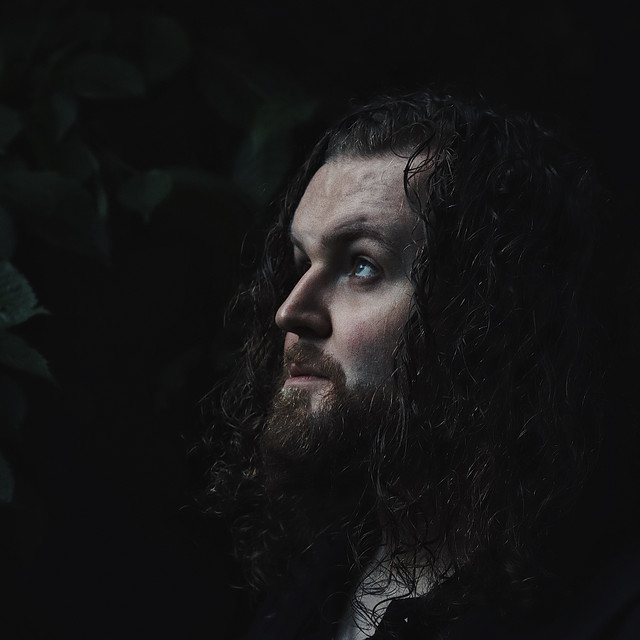
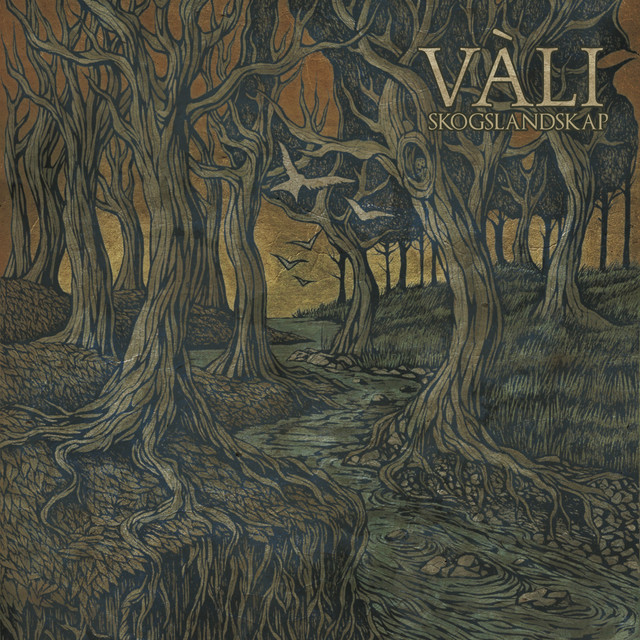
Vàli
Dark Folk
Neofolk
Ambient Folk
2
/5
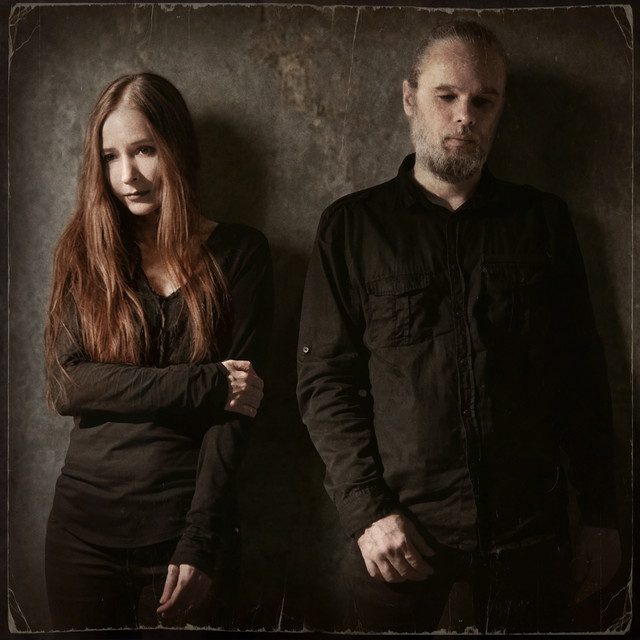
The Moon & The Nightspirit
Neo-Medieval Folk
Rock
Ambient Folk
2
/5
Pablo C. Ursusson
Ambient Folk
Medieval
Dark Folk
1
/5
Neun Welten
Ambient Folk
Medieval
Neoclassicism
Download our mobile app
Get the Melodigging app and start digging for new genres on the go
Download on the App Store
Get it on Google Play
© 2026 Melodigging
Give feedback
Legal
Melodding was created as a tribute to
Every Noise at Once
, which inspired us to help curious minds keep digging into music's ever-evolving genres.