Genres
Artists
Albums
Make Music
Sign in
Sign in
Artists
Mathcore
Artists
Mathcore
Eighteen Visions
2000–2001
·
2 albums
Listen
2
/5
Genres
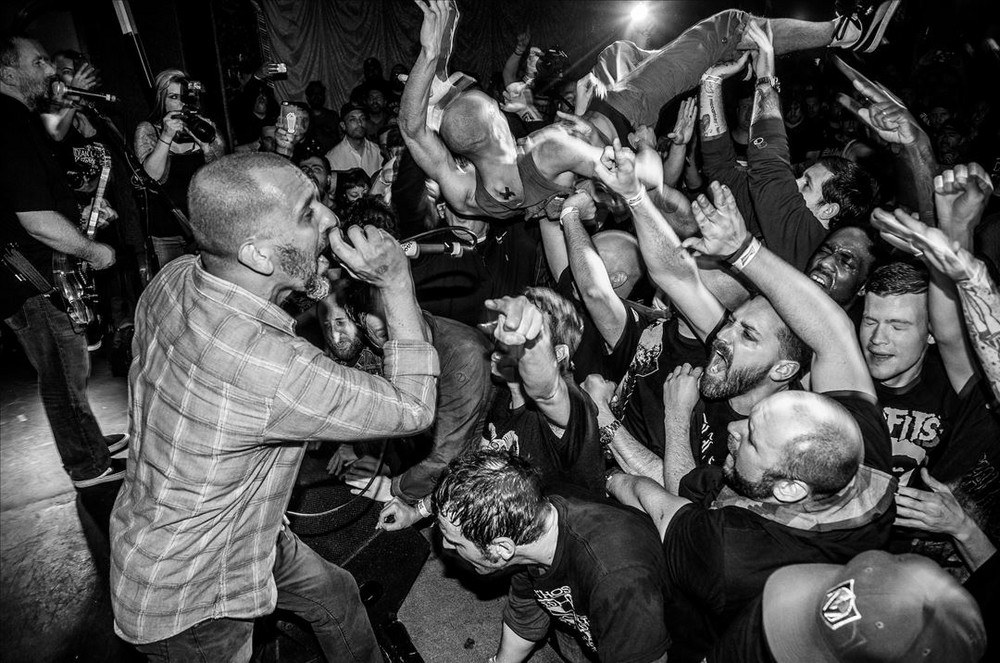
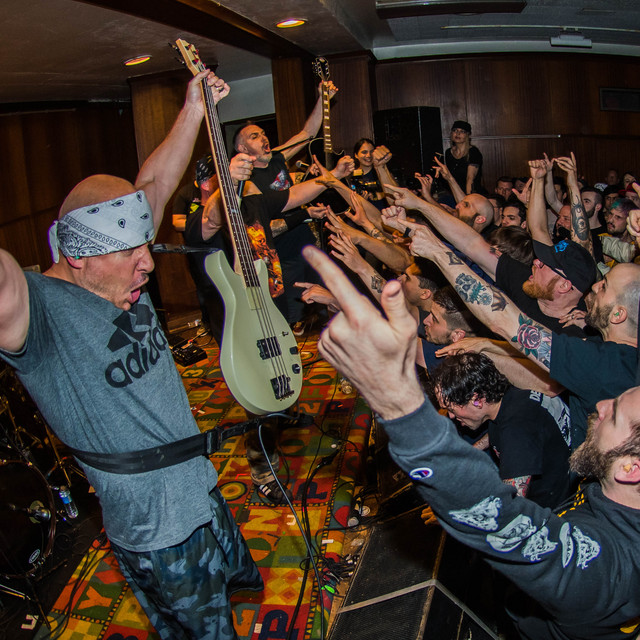
Modern Hardcore
Modern hardcore is a contemporary wave of hardcore punk that blends classic speed and ferocity with 21st‑century heaviness, hook‑writing, and studio punch. It keeps the genre’s DIY, pit‑driven energy while adopting tighter musicianship, down‑tuned, palm‑muted riffs, and massive, half‑time breakdowns. Compared with 1980s and 1990s hardcore, modern hardcore is broader in dynamic range: songs snap from two‑step mosh parts and D‑beats to swaggering NYHC swing, metallic chugs, and chant‑along choruses. Production is deliberately impactful—gated, sample‑reinforced drums, tight low‑end, and high‑gain guitars—yet many bands still prioritize live immediacy over polish. Lyrically it remains grounded in community, resilience, and personal/collective struggle, but it often incorporates contemporary themes (mental health, identity, social precarity). Scenes are sustained by DIY venues, independent labels, and festival culture, with a heavy presence on video channels and social media that has globalized the sound.
Discover
Listen
New Isolationism
New isolationism is a contemporary strain of isolationist ambient and post-industrial minimalism that emerged in the 2010s, particularly around Scandinavian experimental labels and studios. It foregrounds intimate, close-mic’d sound, negative space, and a quiet-but-present noise floor; its pieces feel both internal and architectural, like rooms built from reverb tails, tape hiss, and soft electronics. Sonically, the style blends glacial drones, fragile chamber timbres (strings, organ, piano), lo‑fi electronics, and field recordings into stark, slow-evolving tableaux. Melodic information is sparse—often only a few tones or gestures—while rhythm is either absent or reduced to distant pulses, heartbeats, or mechanical cycles. Vocals, when they appear, are murmured, diaristic, or abstracted by pitch and time manipulation. Aesthetically, new isolationism is post‑internet and diaristic: it captures solitude, memory, and dislocation with a palette that feels personal yet estranged, drawing as much from contemporary gallery sound practice as from classic dark ambient.
Discover
Listen
Mathcore
Mathcore is an extreme offshoot of metalcore and hardcore punk characterized by rapid-fire shifts in meter, tempo, and texture. It emphasizes dissonant, angular riffing; complex, polymetric drum patterns; and whirlwind song structures that often feel deliberately chaotic. The genre fuses the precision and rhythmic gamesmanship of math rock with the aggression of hardcore and the density of extreme metal. Songs routinely feature sudden stops, blast beats, start–stop riffing, odd time signatures, and atonal or chromatic harmonies, producing a sound that is tense, volatile, and cathartic.
Discover
Listen
Metalcore
Metalcore is a fusion of hardcore punk’s urgency and ethos with heavy metal’s riff language and technicality. It is defined by tightly palm‑muted riffs, rapid double‑kick drumming, and frequent breakdowns—rhythmic, syncopated passages written to accentuate impact and crowd movement. Vocals typically alternate between harsh screams or growls and, in many bands, soaring clean choruses—a contrast that emphasizes both aggression and catharsis. Harmony and melody often borrow from melodic death metal, yielding minor‑key leads, harmonized guitars, and hook‑driven refrains. Modern production favors precise editing, dense guitar layering, and punchy drum sounds that keep complex rhythms clear at high intensity.
Discover
Listen
Hardcore
Hardcore (often called hardcore techno in its early form) is a fast, aggressive branch of electronic dance music characterized by heavily distorted, punchy 4/4 kick drums, tempos ranging from roughly 160 to well over 200 BPM, and a dark, high‑energy aesthetic. It emphasizes percussive drive over complex harmony, using clipped and saturated kick-bass sound design, sharp hi-hats, claps on the backbeat, and harsh synth stabs or screeches. Vocals, when present, are typically shouted hooks, sampled movie lines, or crowd chants processed with distortion and effects. Originating in the Netherlands in the early 1990s, the style quickly splintered into related scenes and subgenres such as gabber, happy hardcore, Frenchcore, terrorcore, speedcore, and later hardstyle. Its culture is closely associated with large-scale raves, specialized labels, and distinctive visual branding.
Discover
Listen
Post-Hardcore
Post-hardcore is a branch of hardcore punk that retains the style’s urgency and DIY ethos while expanding its musical vocabulary. Bands push beyond breakneck tempos and simple power-chord progressions into more dynamic song structures, varied rhythms, and a wider emotional range. Guitars often alternate between caustic distortion and clean, chiming textures; vocals can shift from shouted slogans to melodic singing; and arrangements emphasize tension-and-release, odd meters, and dramatic builds. Lyrically, post-hardcore tends to be more introspective and socially conscious than its hardcore roots, touching on personal, political, and philosophical themes.
Discover
Listen
Straight Edge
Straight edge is a strain of hardcore punk defined as much by its ethical stance as by its sound. The term comes from Minor Threat’s 1981 song "Straight Edge," which rejected alcohol, tobacco, and recreational drugs, and often extended to promiscuity, gambling, and later to vegetarianism/veganism. Musically, straight edge bands play fast, compact hardcore marked by urgent tempos, shouted lead vocals, gang-chorus hooks, and breakdowns built for stage dives and pile-ons. Guitars use tight, mid-to-high gain power-chords with minimal solos, while drums favor skank beats and brisk two-steps. Lyrically, songs emphasize self-control, personal responsibility, community, and social awareness, delivered with a positive, motivational tone even when confronting anger or injustice. Aesthetically, the movement adopted DIY ethics and recognizable symbols—most famously the “X” on hands—reflecting an all-ages, alcohol-free show culture and a commitment to sober spaces within punk.
Discover
Listen
Metal
Metal (often used to mean heavy metal in its broad, umbrella sense) is a loud, guitar-driven style of rock defined by high-gain distortion, emphatic and often martial rhythms, and a dense, powerful low end. It foregrounds riff-based songwriting, dramatic dynamics, virtuosic guitar solos, and commanding vocals that range from melodic wails to aggressive snarls and growls. Harmonically, metal favors minor modes, modal color (Aeolian, Phrygian), chromaticism, and tritone-inflected tension, while thematically it explores power, mythology, the occult, social critique, fantasy, and existential subjects. While adjacent to hard rock, metal typically pushes amplification, distortion, precision, and thematic intensity further, forming a foundation for many specialized subgenres.
Discover
Listen
Show all 8 genres
Albums
2001
2
/5
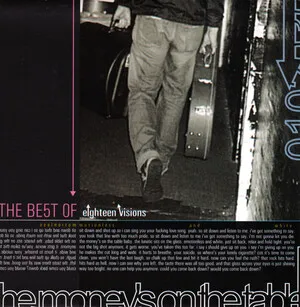
The Best of Eighteen Visions
Eighteen Visions
Straight Edge
2000
2
/5
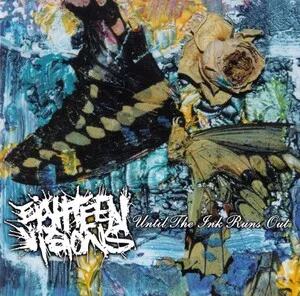
Until the Ink Runs Out
Eighteen Visions
Straight Edge
Similar artists
2
/5
Snapcase
Krishnacore
Hardcore Punk
Metalcore
3
/5
Converge
Hardcore Punk
Metalcore
Mathcore
2
/5
Earth Crisis
Vegan Straight Edge
Groove Metal
Hardcore Punk
2
/5
bulletsbetweentongues
Mathcore
Metalcore
Modern Hardcore
2
/5
Integrity
Holy Terror
Metalcore
Hardcore Punk
4
/5
Architects
Progressive Metalcore
Mathcore
Metal
4
/5
Knocked Loose
Mathcore
Metalcore
Deathcore
3
/5
156/Silence
Mathcore
Deathcore
Metalcore
3
/5
Every Time I Die
Mathcore
Metalcore
Hardcore Punk
3
/5
Norma Jean
Metalcore
Christian Hardcore
Rock
Download our mobile app
Get the Melodigging app and start digging for new genres on the go
Download on the App Store
Get it on Google Play
© 2026 Melodigging
Give feedback
Legal
Melodding was created as a tribute to
Every Noise at Once
, which inspired us to help curious minds keep digging into music's ever-evolving genres.