Genres
Artists
Albums
Make Music
Sign in
Sign in
Artists
Rock
Artists
Rock
Egor Letov
1989–2020
·
4 albums
Listen
3
/5
Genres
Sovietwave
Sovietwave is a retrofuturist microgenre of electronic music that blends the hazy, sample-based nostalgia of vaporwave with the analog synth palettes and cinematic sentiment of late–Cold War era soundtracks. It aims to evoke imagined futures and everyday atmospheres of the Soviet period through audio patina, archival voices, and melancholic, slow-moving harmonies. Typical tracks feature tape hiss, radio static, and excerpts from newsreels, educational films, or cosmonaut broadcasts, set against synth pads, simple drum programming, and minor-key progressions. The result is a bittersweet, dreamy sound that feels both distant and familiar—reconstructing a “lost future” through the sonic memory of the USSR and post-Soviet popular culture.
Discover
Listen
Siberian Punk
Siberian punk is a late–Soviet/early post‑Soviet strain of punk that took root in the cities of Western Siberia (Omsk, Novosibirsk, Tyumen) in the late 1980s. Sonically it fuses the noisy, abrasive immediacy of Garage Punk with the stark angularity of Post‑Punk: fuzzed, overdriven guitars, pounding 4/4 beats, and an intentionally lo‑fi, cassette-sourced sound that foregrounds raw energy over polish. Lyrically it is radical and anti‑totalitarian, melding British punk’s confrontational attitude with Russian-language existentialism, absurdism, and social critique shaped by late‑USSR realities. Because much of the scene operated far from Moscow and Leningrad, isolation and DIY necessity shaped both its aesthetic (tape hiss, rehearsal‑room ambience) and its ethos (magnitizdat self‑distribution, ad‑hoc touring), producing a distinctive Siberian underground identity within broader Russian rock.
Discover
Listen
Punk
Punk is a fast, abrasive, and minimalist form of rock music built around short songs, stripped-down instrumentation, and confrontational, anti-establishment lyrics. It emphasizes DIY ethics, raw energy, and immediacy over virtuosity, often featuring distorted guitars, shouted or sneered vocals, and simple, catchy melodies. Typical songs run 1–3 minutes, sit around 140–200 BPM, use power chords and basic progressions (often I–IV–V), and favor live, unpolished production. Beyond sound, punk is a cultural movement encompassing zines, independent labels, political activism, and a fashion vocabulary of ripped clothes, leather, and safety pins.
Discover
Listen
Post-Punk
Post-punk is a broadly experimental strain of rock that emerged in the late 1970s as artists sought to push beyond the speed, simplicity, and orthodoxy of first-wave punk. It typically features angular, bass-forward grooves; jagged or minimal guitar lines; stark, spacious production; and an openness to dub, funk, electronic, and avant-garde ideas. Lyrics often examine alienation, urban decay, politics, and the inner life with artful or abstract delivery. A studio-as-instrument approach, emphasis on rhythm section interplay, and an appetite for non-rock textures (tape effects, drum machines, found sound, synths) distinguish the style. The result can be danceable yet tense, cerebral yet visceral, and emotionally restrained yet intensely expressive.
Discover
Listen
Punk Rock
Punk rock is a fast, raw, and stripped‑down form of rock music that foregrounds energy, attitude, and the DIY ethic over technical polish. Songs are short (often 90–180 seconds), in 4/4, and driven by down‑stroked power‑chord guitars, eighth‑note bass, and relentless backbeat drumming. Vocals are shouted or sneered rather than crooned, and lyrics are direct, often political, anti‑establishment, or wryly humorous. Production is intentionally unvarnished, prioritizing immediacy and live feel over studio perfection. Beyond sound, punk rock is a culture and practice: independent labels, fanzines, all‑ages venues, self‑organized tours, and a participatory scene that values inclusivity, affordability, and self‑reliance.
Discover
Listen
Rock
Rock is a broad family of popular music centered on amplified instruments, a strong backbeat, and song forms that foreground riffs, choruses, and anthemic hooks. Emerging from mid‑20th‑century American styles like rhythm & blues, country, and gospel-inflected rock and roll, rock quickly expanded in scope—absorbing folk, blues, and psychedelic ideas—while shaping global youth culture. Core sonic markers include electric guitar (often overdriven), electric bass, drum kit emphasizing beats 2 and 4, and emotive lead vocals. Rock songs commonly use verse–chorus structures, blues-derived harmony, and memorable melodic motifs, ranging from intimate ballads to high‑energy, stadium‑sized performances.
Discover
Listen
Albums
2020
Мёртвый Сезон
Егор Летов
Post-Punk
Punk Rock
Rock
1993
Русское поле эксперимента (Акустика)
Егор Летов
Punk
Rock
1989
Всё как у людей
Егор Летов
Post-Punk
Punk Rock
Rock
1989
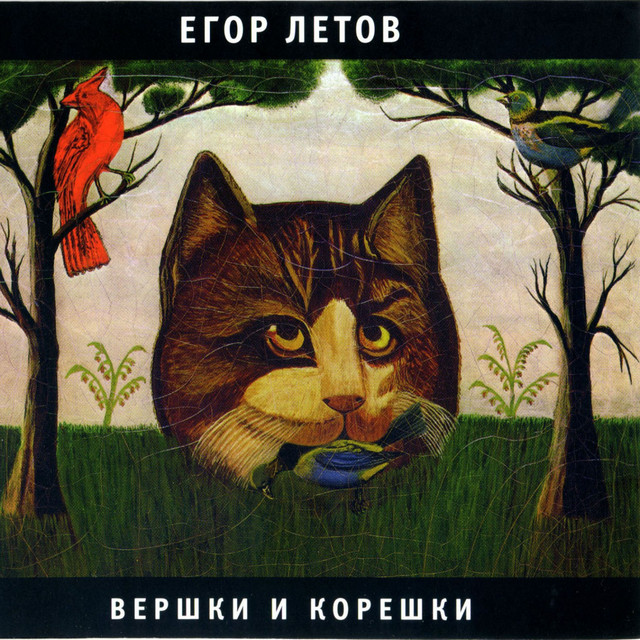
Вершки и корешки
Егор Летов
Punk
Rock
Similar artists
Hide discovered
1
/5
Various Artists
Soundtrack
Afro-Funk
Alternative Rock
4
/5
The Stranglers
New Wave
Pub Rock
Rock
4
/5
Iggy Pop
Rock
Alternative Rock
Hard Rock
4
/5
AFI
Horror Punk
Skate Punk
Punk
3
/5
Destroy Boys
Queercore
Riot Grrrl
Rock
3
/5
Jeff Rosenstock
Power Pop
Punk Rock
Rock
3
/5
Hüsker Dü
Alternative Rock
Hardcore Punk
Experimental Rock
4
/5
Titãs
Pop Rock
Brazilian Rock
Punk Rock
3
/5
Wipers
Punk
Post-Punk
Punk Rock
4
/5
The Clash
Punk
Punk Rock
New Wave
Download our mobile app
Get the Melodigging app and start digging for new genres on the go
Download on the App Store
Get it on Google Play
© 2026 Melodigging
Give feedback
About & FAQ
Legal
Melodding was created as a tribute to
Every Noise at Once
, which inspired us to help curious minds keep digging into music's ever-evolving genres.