Genres
Artists
Albums
Make Music
Sign in
Sign in
Artists
Doo-Wop
Artists
Doo-Wop
Edna McGriff
Listen
1
/5
Genres
Modern Blues
Modern blues is a contemporary evolution of traditional and electric blues that embraces current songwriting, studio techniques, and cross-genre collaboration. It preserves the core blues vocabulary—blue notes, call-and-response phrasing, and 12‑bar and minor‑blues forms—while integrating elements of rock, soul, funk, and even pop and hip hop production. Sonically, modern blues favors saturated but articulate electric guitar tones, prominent backbeat drums, thick bass, and tasteful keys or organ. Lyrically it updates classic themes of struggle, love, resilience, and place with present-day imagery and personal storytelling. The result is a style that feels rooted and authentic yet radio- and festival-ready.
Discover
Listen
Rockabilly
Rockabilly is one of the earliest styles of rock and roll, fusing the twang and storytelling of Southern country ("hillbilly") with the driving backbeat and boogie of rhythm & blues and jump blues. It is marked by slap‑back echo on vocals and guitar, slapping upright bass, twangy hollow‑body electrics, and energetic, danceable grooves. The classic rockabilly sound emerged from mid‑1950s Memphis studios such as Sun Records, where minimal drum kits (or none at all) mixed with percussive bass and bright, overdriven guitars. Songs are typically short, hooky, and built on 12‑bar blues or simple I–IV–V progressions, with lyrics about love, cars, dancing, and youthful rebellion.
Discover
Listen
Doo-Wop
Doo-wop is a vocal harmony–driven style of rhythm and blues that blossomed in mid-century urban America. Built around lead-tenor melodies, lush background harmonies, and playful nonsense syllables (the source of its name), the genre blends church-bred gospel techniques with street-corner spontaneity. Musically, doo-wop favors simple, singable chord cycles—especially the “’50s progression” (I–vi–IV–V)—a steady 4/4 or lilting 12/8 feel, and call-and-response between lead and backing parts. Arrangements range from a cappella to small combos with guitar, piano, bass, light drums, and occasional saxophone. Lyrically, the songs are often teen-centered: romance, longing, heartbreak, and devotion. The sound emerged in the late 1940s within African-American communities and soon resonated across ethnic lines, inspiring groups in cities such as New York, Philadelphia, Chicago, Detroit, and Los Angeles. Its polished harmonies, sweet ballads, and hooky refrains helped shape early rock and roll and later pop harmony traditions.
Discover
Listen
Similar artists
1
/5
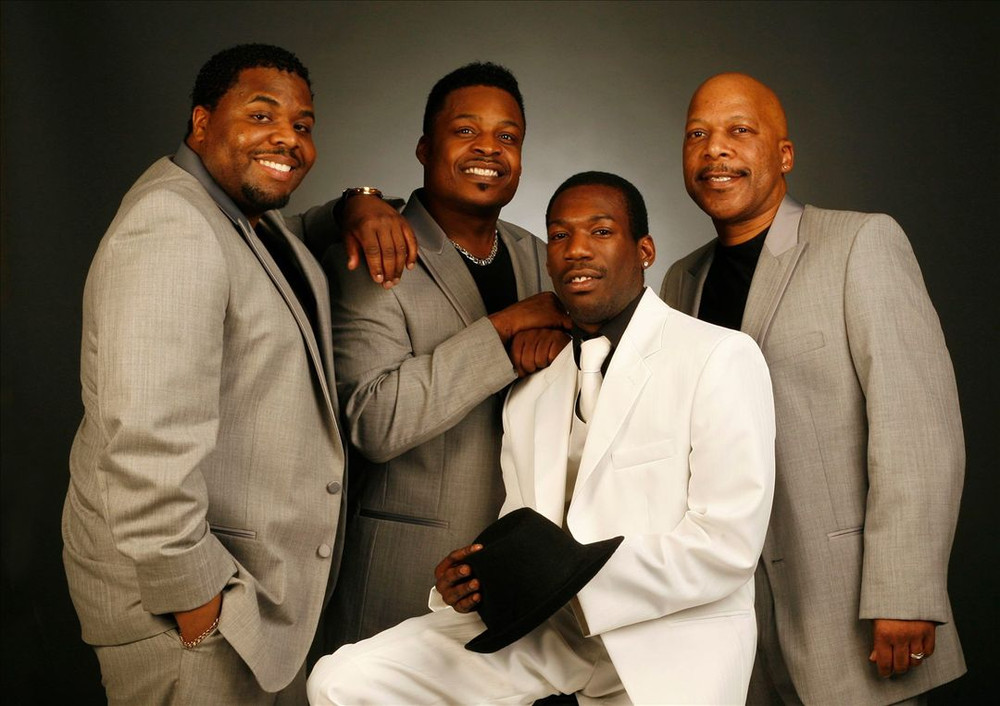
The Four Dots
Doo-Wop
Modern Blues
Rockabilly
3
/5
The Drifters
Doo-Wop
Motown
Rock And Roll
3
/5
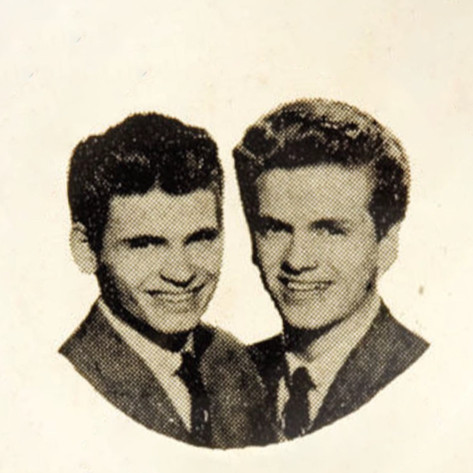
The Everly Brothers
Rock And Roll
Close Harmony
Pop
3
/5
Frankie Valli & The Four Seasons
Doo-Wop
Northern Soul
Rockabilly
3
/5
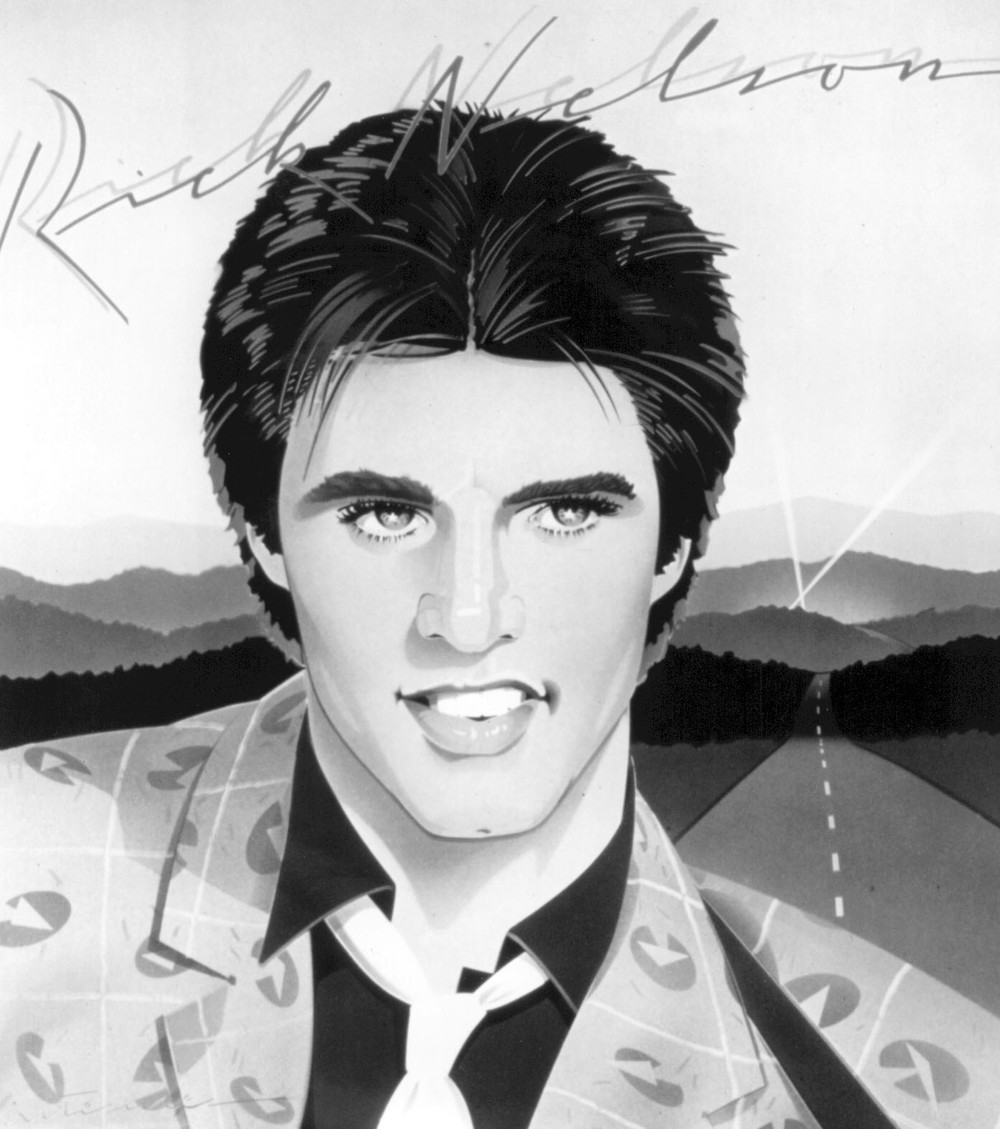
Ricky Nelson
Doo-Wop
Rock And Roll
Rockabilly
3
/5
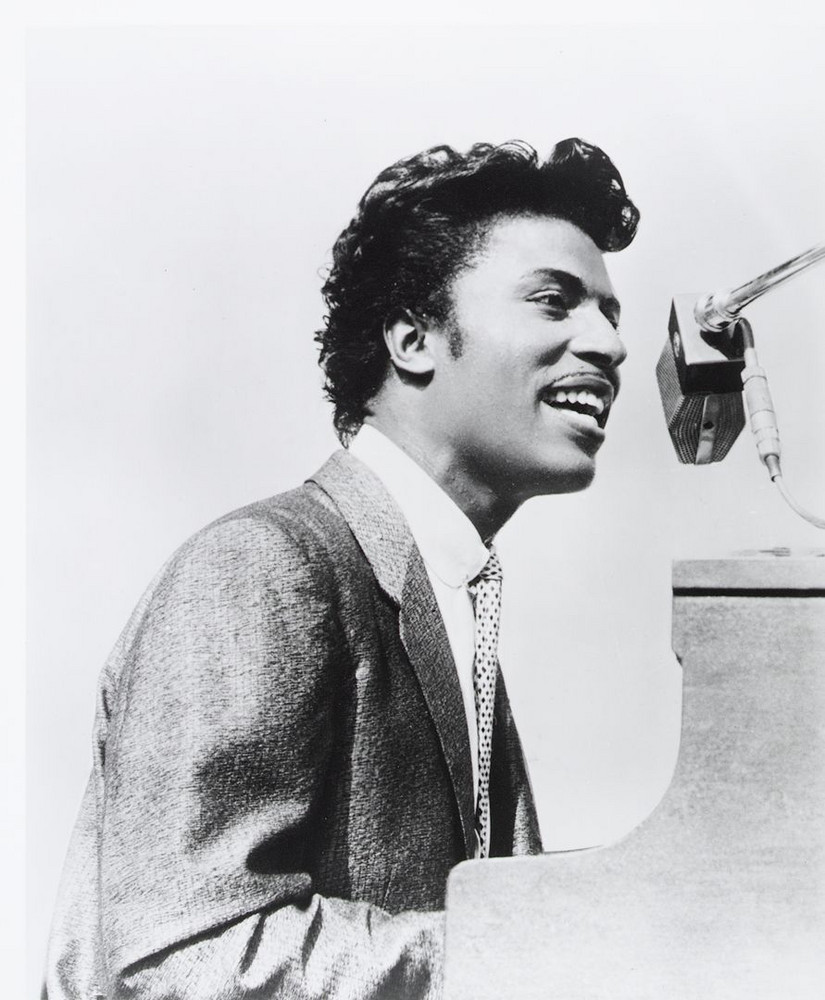
Little Richard
Rock And Roll
Boogie-Woogie
Doo-Wop
3
/5
Buddy Holly
Rock And Roll
Rockabilly
Dark Pop
3
/5
Neil Sedaka
Bubblegum Pop
Doo-Wop
Easy Listening
3
/5
Fats Domino
New Orleans Blues
Piano Blues
Louisiana Blues
3
/5
Bill Haley & His Comets
Chill Pop
Doo-Wop
Rock And Roll
Download our mobile app
Get the Melodigging app and start digging for new genres on the go
Download on the App Store
Get it on Google Play
© 2026 Melodigging
Give feedback
Legal
Melodding was created as a tribute to
Every Noise at Once
, which inspired us to help curious minds keep digging into music's ever-evolving genres.