Genres
Artists
Albums
Make Music
Sign in
Sign in
Artists
Chill Pop
Artists
Chill Pop
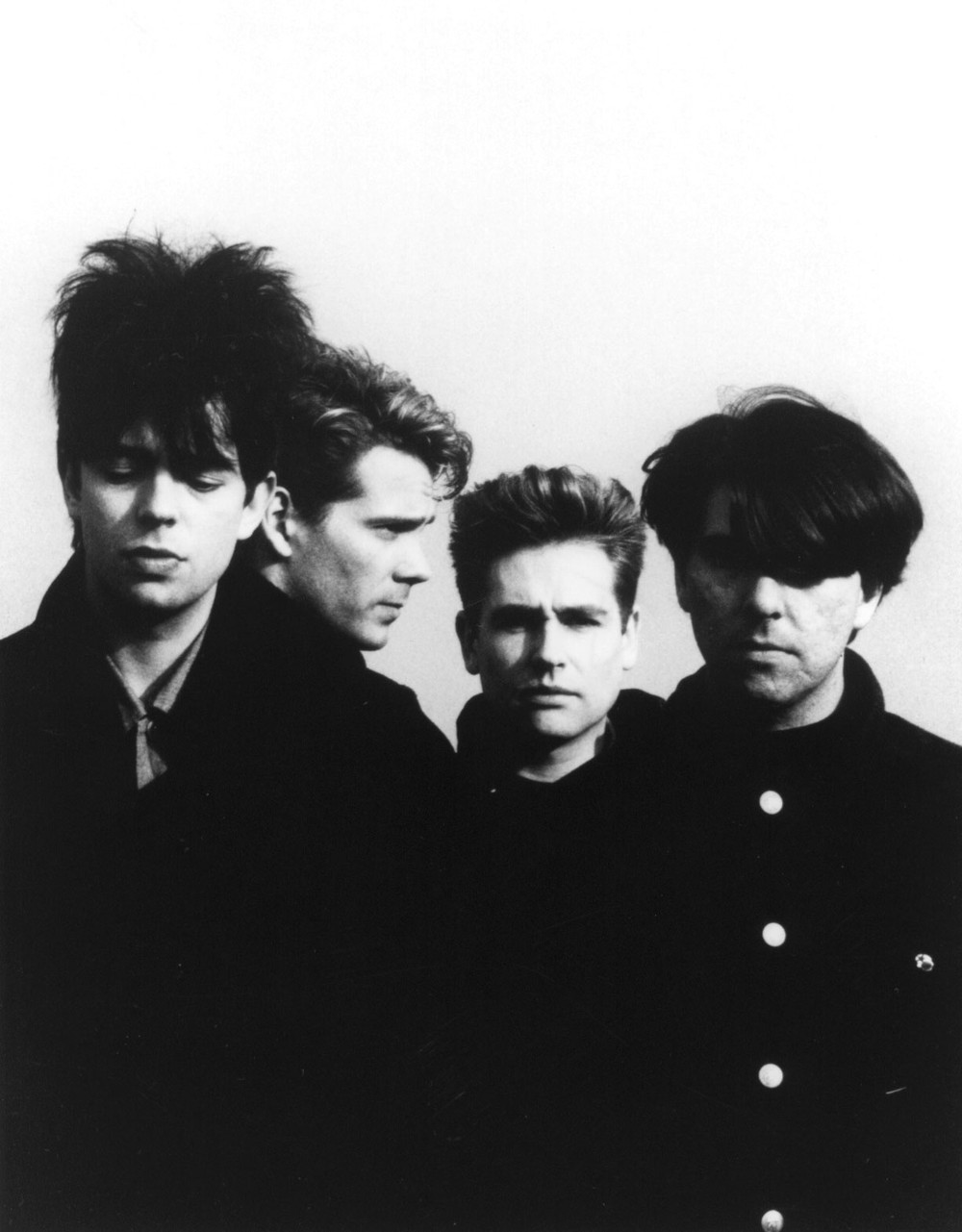
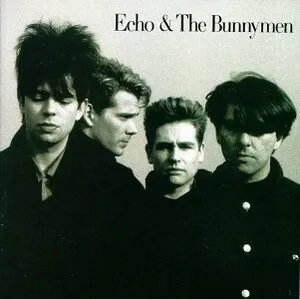
Echo & the Bunnymen
1987
·
1 album
Listen
4
/5
Genres
Chill Pop
Chill pop is a contemporary pop micro‑genre that blends radio‑friendly songwriting with the mellow textures of chillout and lo‑fi aesthetics. It favors soft vocals, smooth synths, clean guitar plucks, understated bass, and relaxed, mid‑tempo grooves. Instead of big, bombastic hooks, chill pop tends toward intimate, conversational melodies and minimal, airy arrangements. Production often borrows from bedroom pop and alternative R&B—subtle trap hi‑hats, warm saturation, roomy reverbs, and gentle side‑chain compression—to create a breezy, pastel sound palette well suited to playlists and late‑night listening. Lyrically, chill pop is introspective and relatable: romance, longing, gentle optimism, and coming‑of‑age themes delivered in a plain‑spoken, whisper‑close tone. The result sits between indie pop’s understated cool and mainstream pop’s catchy structures, optimized for the streaming era’s mood‑driven consumption.
Discover
Listen
Popwave
Popwave is a song‑forward branch of synthwave that fuses glossy 1980s pop aesthetics with contemporary electronic production. Where classic synthwave often favors instrumental, cinematic moods, popwave puts vocals and hooks at the center: big choruses, radio‑ready structures, and emotive lyrics about youth, night drives, neon‑lit romance, and bittersweet nostalgia. Sonically it leans on analog‑styled polysynths, driving eighth‑note basslines, gated‑reverb drums, shimmering guitars, and frequent sax or lead‑guitar cameos—yet it’s mixed and mastered to modern pop standards. The result is a style that feels simultaneously retro and current: the color and optimism of 80s chart pop, filtered through the songwriting discipline of today’s electropop and the sound design DNA of synthwave.
Discover
Listen
Post-Teen Pop
Post-teen pop is a strand of mainstream and alternative-leaning pop that emerges when teen-pop artists and their audiences age into early adulthood. The sound keeps the immediacy and melody of teen pop, but deepens the subject matter and broadens the production palette with alt-pop, electropop, R&B, and indie sensibilities. Songs typically feature glossy but tastefully restrained production, hook-forward toplines, and lyrics about independence, relationships with more nuance, and self-definition after adolescence. Compared with teen pop, tempos are slightly wider in range, beats can be moodier or more minimal, and synth textures and guitar or R&B inflections are more common.
Discover
Listen
Classify
Classify is a streaming-era microgenre that blends light classical technique with contemporary pop repertoire, typically presented as unobtrusive instrumental covers. It prioritizes soft dynamics, gentle tempos, and intimate recording to create a calm, elegant backdrop suitable for studying, working, or events. Most arrangements are for solo piano, string quartet, cello/piano duos, or small chamber ensembles. Harmonies remain diatonic and consonant, melodies are clearly voiced, and textures favor arpeggios, ostinati, and sustained legato lines. The overall aesthetic borrows from modern classical and new age moods while retaining the familiarity of pop song forms.
Discover
Listen
Modern Goth
Modern goth is a contemporary evolution of the original goth and darkwave aesthetics, blending post-punk basslines, reverb-drenched guitars, and analog synth textures with current production practices. It favors minor-key harmonies, baritone or breathy vocals, and skeletal drum-machine patterns that evoke a cinematic, nocturnal mood. Compared with 1980s forebears, modern goth leans more heavily on synthesizers, EBM-adjacent grooves, and minimalist arrangements, often shaped by DIY, modular, and bedroom-production workflows. The result is a sound that is dancefloor-friendly yet introspective, simultaneously cold, romantic, and starkly modern.
Discover
Listen
Wave
Wave is an internet-born electronic genre that emerged in the mid‑2010s, blending half‑time trap rhythms with ambient pads, emotive minor‑key harmony, and dubstep-informed sound design. It favors atmosphere and mood over maximal aggression, often pairing wide, reverb‑washed textures with weighty 808 subs and sparse melodic leads. Tracks typically sit around 120–140 BPM with a half‑time feel (60–70 BPM perceived), featuring crisp hi‑hat flicks, roomy snares on beat three, and long, cinematic builds and breakdowns. Vocals, when present, tend to be ethereal phrases or chopped one‑shots used as textures rather than full verses. While rooted in online communities and labels/collectives, Wave gradually crossed over to physical club spaces, maintaining a balance between headphone introspection and dancefloor momentum.
Discover
Listen
Britpop Revival
Britpop revival is a 21st‑century resurgence of the bright, catchy guitar‑based British pop/rock associated with 1990s Britpop. Bands in this style channel the melodic immediacy, sing‑along choruses and wry, everyday storytelling of classic Britpop, itself rooted in 1960s British pop and mod. The sound typically features chiming or crunchy guitars, prominent hooks, mid‑to‑up‑tempo backbeats and anthemic refrains that celebrate local identity and ordinary life. Culturally, Britpop revival leans on nostalgia for the "Cool Britannia" moment while updating production sheen and festival‑ready dynamics, often positioning itself as a lively, communal alternative to darker indie trends.
Discover
Listen
Cover Acustico
“Cover acústico” (Spanish/Portuguese for “acoustic cover”) refers to intimate, stripped‑down reinterpretations of existing songs performed primarily with acoustic instruments—most often voice with guitar or piano, sometimes light percussion (cajón, brushes) and close‑miked harmonies. On streaming services and digital stores catering to Iberian and Latin American audiences, the label appears explicitly in titles and artist metadata (e.g., singles or albums tagged “cover acústico”), reflecting a cataloging convention for acoustic versions of well‑known repertoire.
Discover
Listen
Dark Wave
Dark wave is a moody, melancholic offshoot of post-punk and new wave that emphasizes minor-key harmonies, somber timbres, and introspective or romantic lyrical themes. It blends the icy textures of early synthesizers and drum machines with reverb-laden guitars and melodic, driving basslines. The style typically features baritone or ethereal vocals, atmospheric production with heavy use of chorus, delay, and reverb, and tempos that range from slow and brooding to mid-tempo and danceable. Dark wave spans both guitar-oriented and synth-forward approaches, and often overlaps with related movements such as coldwave, minimal wave, and ethereal wave.
Discover
Listen
Big Music
Big music is an anthemic strain of 1980s alternative/rock that blends the driving pulse of post‑punk and new wave with widescreen arrangements and spiritual, windswept lyricism. It is characterized by ringing, delay‑drenched guitars, bold, sing‑along choruses, and powerful, gated-reverb drums that aim for stadium scale. Many bands folded Celtic and folk textures—violins, pipes‑like guitar tones, and modal harmonies—into a modern rock framework, creating a sense of grandeur and open skies. The result is music that feels expansive and elevating: emotionally earnest, idealistic, and designed to fill big rooms while retaining the urgency of alternative music.
Discover
Listen
Alternative Rock
Alternative rock is a broad umbrella for guitar-based rock that emerged from the independent and college-radio scenes as a counterpoint to mainstream, commercial rock. It blends the energy and ethos of punk with the textural and songwriting experiments of post-punk, new wave, jangle pop, and noise rock, often foregrounding introspective or socially aware lyrics. Across its many strains—from the melodic minimalism of college rock to the loud-quiet-loud dynamics of grunge and the artful experimentation of Radiohead-era modernism—alternative rock prioritizes authenticity, sonic individuality, and a do-it-yourself approach. Its sound ranges from chiming, chorus-laden clean guitars to abrasive distortion and feedback, supported by straightforward rock rhythms or off-kilter grooves, and production that can be either raw and live-sounding or polished yet unconventional.
Discover
Listen
Gothic Rock
Gothic rock is a dark, atmospheric branch of post-punk that emphasizes brooding moods, melodic basslines, baritone or icy vocal deliveries, and guitar textures drenched in chorus, delay, and reverb. Its lyrics often explore themes of romanticism, existential dread, night, mysticism, and decay, drawing on Gothic literature and cinema as much as rock tradition. Sonically, it blends the stark rhythms and minimalism of post-punk with the theatricality of glam and the textural experimentation of art and psychedelic rock. Drum machines or tightly metronomic drumming underpin prominent, melodic bass figures, while guitars shimmer or scrape with chorus/flanger effects. The result is danceable yet somber music that feels both dramatic and introspective.
Discover
Listen
New Wave
New wave is a broad, pop-oriented umbrella for styles that emerged in the mid-to-late 1970s as a sleeker, more melodic outgrowth of punk culture. Initially, the term varied by region: in the United States it was first used by critics and labels (famously Sire Records’ “Don’t Call It Punk” campaign in 1977) to rebrand punk-associated artists with more radio-friendly aesthetics; in the United Kingdom it encompassed a wider constellation of fresh, stylish post-punk-era sounds. Over time, “new wave” became a catch‑all for hooky guitar pop, synth-driven songs, danceable rhythms, and modernist production sensibilities. Sonically, it blends tight, upbeat rhythms (often disco- and reggae-informed), clean chorus/flanger guitars, prominent synthesizers, and concise, hook-led songwriting. Its visual identity—sharp suits, futurist imagery, and fashion-forward presentation—was integral, aligning with the rise of music television and emphasizing art-school wit, irony, and modern urban themes.
Discover
Listen
Post-Punk
Post-punk is a broadly experimental strain of rock that emerged in the late 1970s as artists sought to push beyond the speed, simplicity, and orthodoxy of first-wave punk. It typically features angular, bass-forward grooves; jagged or minimal guitar lines; stark, spacious production; and an openness to dub, funk, electronic, and avant-garde ideas. Lyrics often examine alienation, urban decay, politics, and the inner life with artful or abstract delivery. A studio-as-instrument approach, emphasis on rhythm section interplay, and an appetite for non-rock textures (tape effects, drum machines, found sound, synths) distinguish the style. The result can be danceable yet tense, cerebral yet visceral, and emotionally restrained yet intensely expressive.
Discover
Listen
Neo-Psychedelia
Neo-psychedelia is a late-20th-century revival and reinvention of 1960s psychedelic music aesthetics, filtered through post-punk, indie, and experimental sensibilities. It emphasizes hypnotic textures, droning guitars, heavy use of effects (reverb, delay, phasing), analogue organs/synths, and dreamlike or surreal lyricism. Rhythms may draw from motorik and other steady, trance-inducing grooves, while harmony often favors modal colors and repetitive vamps. The style ranges from jangly, melodic songs to dense, feedback-laden soundscapes, and has been highly influential on dream pop, shoegaze, Britpop-adjacent scenes, and modern psych rock.
Discover
Listen
Rock
Rock is a broad family of popular music centered on amplified instruments, a strong backbeat, and song forms that foreground riffs, choruses, and anthemic hooks. Emerging from mid‑20th‑century American styles like rhythm & blues, country, and gospel-inflected rock and roll, rock quickly expanded in scope—absorbing folk, blues, and psychedelic ideas—while shaping global youth culture. Core sonic markers include electric guitar (often overdriven), electric bass, drum kit emphasizing beats 2 and 4, and emotive lead vocals. Rock songs commonly use verse–chorus structures, blues-derived harmony, and memorable melodic motifs, ranging from intimate ballads to high‑energy, stadium‑sized performances.
Discover
Listen
Show all 16 genres
Albums
1987
3
/5
Echo & The Bunnymen
Echo & The Bunnymen
Big Music
Similar artists
5
/5
The Cure
Gothic Rock
Post-Punk
New Wave
4
/5
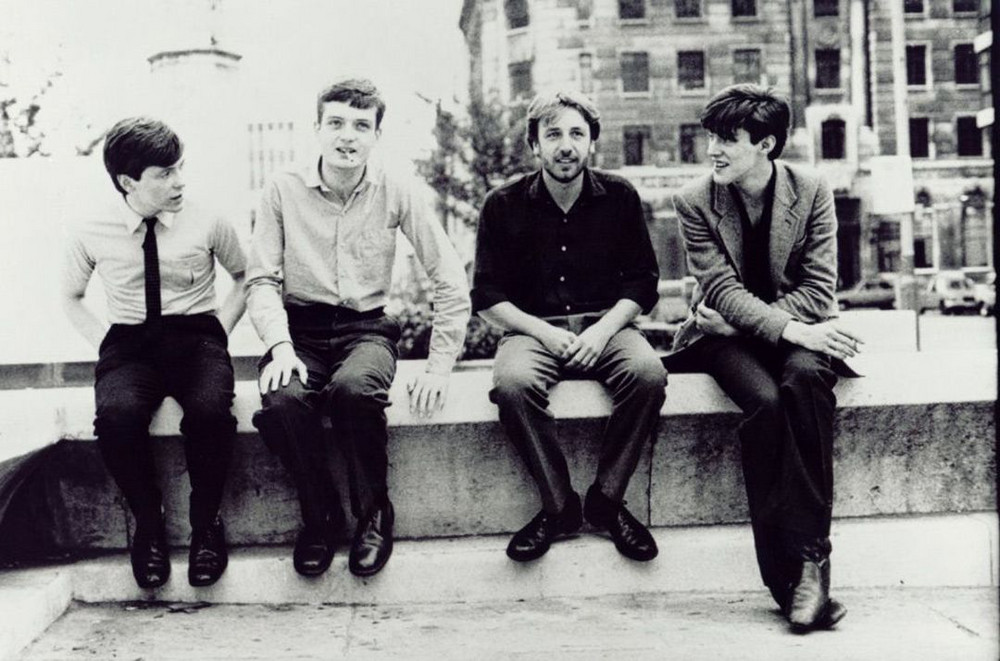
Joy Division
Gothic Rock
Post-Punk
Madchester
4
/5
Siouxsie and the Banshees
Gothic Rock
Post-Punk
Deathrock
3
/5
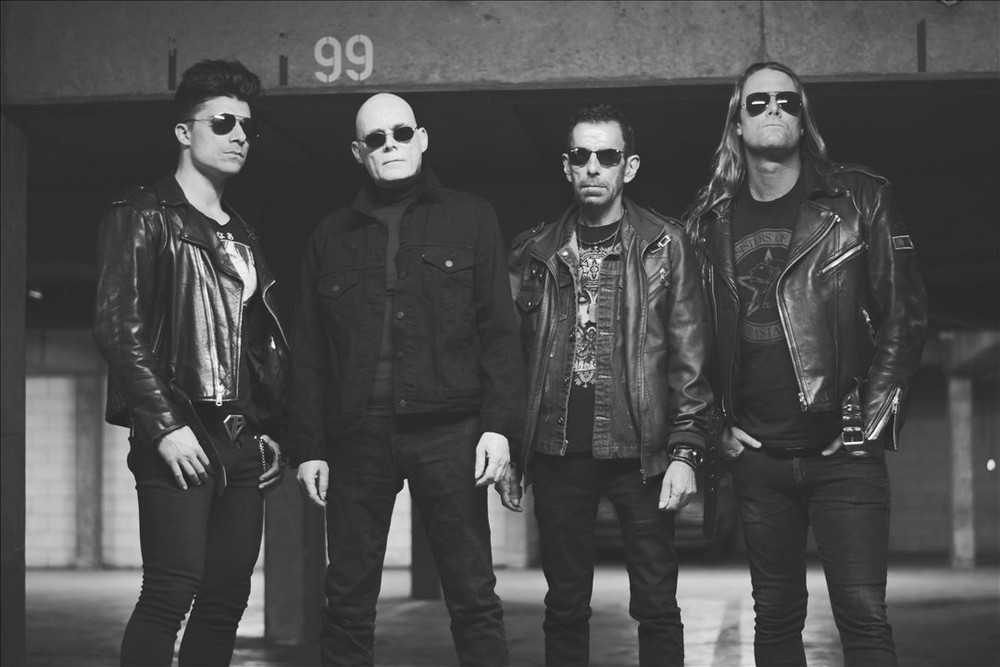
Sisters of Mercy
Gothic Rock
Dark Wave
Deathrock
3
/5
Killing Joke
Industrial Rock
Industrial
Post-Punk
2
/5
Lords Of The New Church
Deathrock
Chill Pop
Coldwave
3
/5
Bauhaus
Dark Wave
Post-Punk
Gothic Rock
3
/5
Peter Murphy
Dark Wave
Deathrock
Gothic Rock
3
/5
The Chameleons
Gothic Rock
Post-Punk
Deathrock
3
/5
Clan of Xymox
Dark Wave
Coldwave
Deathrock
Download our mobile app
Get the Melodigging app and start digging for new genres on the go
Download on the App Store
Get it on Google Play
© 2026 Melodigging
Give feedback
Legal
Melodding was created as a tribute to
Every Noise at Once
, which inspired us to help curious minds keep digging into music's ever-evolving genres.