Genres
Artists
Albums
Make Music
Sign in
Sign in
Artists
Lounge
Artists
Lounge
Dimitri From Paris
1 album
Listen
3
/5
Genres
Modern Indie Pop
Modern indie pop is a 2010s-forward style of pop made largely outside the traditional major-label pop pipeline, but with a strong focus on hooks, concise song forms, and modern production. It typically blends indie-rock songwriting attitudes (personal lyrics, DIY aesthetics, alternative scenes) with contemporary pop sonics such as punchy drums, bright or glassy synths, tight vocal editing, and streaming-era arrangement pacing. Compared with earlier indie pop, “modern” indie pop is usually more producer-led, more influenced by electronic and R&B-informed pop textures, and often designed to translate well to playlists and short-form content without losing an alternative identity.
Discover
Listen
Modern Funk
Modern funk is a 21st‑century revitalization of late‑’70s/’80s boogie and electro‑funk aesthetics, filtered through contemporary R&B, hip‑hop production, and indie dance scenes. It emphasizes pocket‑tight grooves, syncopated basslines (often synth‑driven), crisp drum‑machine patterns, bright polyphonic synths, talkbox/vocoder leads, and clean, choppy rhythm guitar. Compared with classic funk, modern funk leans more on analog and early‑digital synth colors (Juno, Prophet, DX7, Moog), Linn/808/909‑style drums, glossy mixes, and ear‑candy arrangement details. Lyrically, it favors feel‑good party vibes, love themes, and everyday swagger, aiming for dancefloor immediacy with a retro‑futurist sheen.
Discover
Listen
Italo Beats
Italo beats is a contemporary, club-oriented offshoot of the classic Italian Italo sound, fusing the sleek melodicism of 1980s Italo disco with the punch and polish of modern European dance music. Typical tracks feature four-on-the-floor drums, bright synth leads, rubbery basslines, and hook-forward vocals that lean into romantic or nightlife themes. Rather than being a strict historical movement, Italo beats functions as a modern production style and DJ vernacular that revives Italo’s earworm melodies and neon textures while adopting current mixdown aesthetics (sidechained pads, wider stereo imaging, and festival-ready low end). It thrives in streaming-era dance culture, uniting Italian, Central/Eastern European, and broader EU producers around a recognizable “Italo-flavored” club sound.
Discover
Listen
Deep Deep House
Deep deep house is a late-evolution branch of deep house that emphasizes warmth, space, and subtlety over overt hooks or peak-time energy. Compared with classic deep house, it leans even more toward minimal, dub-inflected textures, extended harmonies, and long atmospheric tails. Tracks typically feature understated yet weighty low end, soft Rhodes or pad chords rich in 7ths/9ths, lightly swung percussion, and carefully sculpted ambience. The mood is intimate and immersive—club music that invites close listening as much as dancing—often suited to small rooms, lounges, after-hours sets, and sunset/sunrise moments.
Discover
Listen
Deep Funk Ostentacao
Deep funk ostentação is a moody, late‑night variant of São Paulo’s funk ostentação, emphasizing deeper sub‑bass, sparse percussion, and atmospheric pads while retaining the genre’s themes of luxury, status, and upward mobility. Compared with the brighter, EDM‑leaning hits of ostentação in the early 2010s, the “deep” approach strips arrangements down to hypnotic tamborzão grooves, 808 low‑end, and minimal, minor‑key synth motifs. Vocals often sit closer to the beat, with autotune and chant‑like hooks, but the lyrical focus remains on conspicuous consumption (cars, brands, nightlife) filtered through a more introspective, nocturnal aesthetic.
Discover
Listen
Channel Pop
Channel pop is a digital-era strain of mainstream pop shaped by video and creator platforms—especially YouTube and later TikTok and Instagram—where artists build audiences through frequent uploads on their own “channels.” Musically it favors intimate, highly polished but close-mic’d vocals, acoustic guitar or piano-led arrangements, restrained beats, and succinct, playlist-friendly structures. Many releases are cover-first (reimagining recent chart hits) with a steady flow of glossy singles, session-style performances, and creator collaborations that gradually blend into original material. Titles, artwork, and release cadence are optimized for search and recommendation algorithms, yielding a sound that is simultaneously personal and platform-aware.
Discover
Listen
Deep Groove House
Deep Groove House is a modern house substyle centered on thick, rolling basslines, swung percussion, and soulful or disco-leaning motifs delivered with contemporary club production. It balances the warmth and musicality of classic and deep house with the punch and arrangement sensibilities of present-day tech-leaning club music. Hallmarks include a steady 4/4 kick (typically 122–126 BPM), syncopated bass grooves that drive the track rather than sit under it, crisp hi-hats with subtle swing, and tasteful use of organ stabs, piano chords, and filtered disco/funk samples. Vocals—when present—tend to be hooky but restrained, often chopped or looped to reinforce the groove rather than dominate it. As a playlist and DJ vernacular label, Deep Groove House crystallized around the 2010s, especially in UK- and EU-facing club culture, online stores, and label ecosystems that favored groove-first, dancefloor-ready house with deep and classic roots.
Discover
Listen
Deep Indie Pop
Deep indie pop is a moody, finely textured branch of indie pop that favors introspective songwriting, soft-focus production, and intimate vocal delivery. It sits between bedroom pop and dream pop, borrowing lo‑fi warmth and hazy ambience while maintaining the hook sensibility of pop. Compared with mainstream indie pop, the "deep" variant leans toward slower to mid‑tempo grooves, lush synth pads, chorus‑soaked guitars, and subdued drum programming. Lyrics often explore memory, late‑night reflection, and bittersweet romance, presented with close‑miked, breathy vocals and understated arrangements.
Discover
Listen
Rasteirinha
Rasteirinha (often called “funk rasteirinha”) is a mid‑tempo branch of Brazilian funk that slows the classic baile funk groove to a warmer, more sensual pace. It blends the dembow swing of dancehall and reggaeton with samba and pagode percussion (pandeiro, cuíca, surdo, agogô, tamborim, and shakers), typically sitting around 90–105 BPM. Vocals tend to be chant‑like, playful, and street‑wise, with hooks built from call‑and‑response phrases and chopped vocal shots. Harmony is minimal—often one to three chords—so that the syncopated drums and round sub‑bass can drive the dancefloor. The overall feel is percussive, tropical, and intimate—made for block parties and clubs where groove and swing matter more than dense arrangements.
Discover
Listen
Uk Jackin
UK jackin is a bass-forward strain of house and UK garage that emerged in the UK during the early 2010s. It blends the swing and shuffle of garage with the chunky, percussive drive of house, emphasizing rubbery low‑end riffs, organ stabs, and chopped R&B or soul vocals. Compared with classic Chicago jackin’ house, the UK variant is darker and punchier, drawing heavily from bassline and UK bass aesthetics. Tracks typically sit around 124–130 BPM, use swung drums and syncopated bass patterns, and are arranged with DJ‑friendly intros, tension‑building breakdowns, and emphatic drops.
Discover
Listen
Nu Disco
Nu disco is a 21st‑century reinterpretation of 1970s/early‑1980s disco, post‑disco, and Italo‑disco aesthetics filtered through modern house production. It favors warm analog timbres, live‑sounding basslines, four‑on‑the‑floor drums, and lush chords, but with contemporary clarity, arrangement discipline, and low‑end weight. Compared with classic disco or disco house, nu disco typically runs a touch slower and groovier, leans into Balearic and space‑disco atmospheres, and often blends boogie/funk instrumentation with synth‑pop and French‑house sensibilities. It is equally at home on sunset terraces and peak‑time dancefloors, embracing both nostalgia and modern dance utility.
Discover
Listen
Disco House
Disco house is a subgenre of house music that fuses the four-on-the-floor pulse and DJ/club culture of house with the songcraft, instrumentation, and feel-good ethos of 1970s disco and late-1970s/early-1980s post‑disco. Characterized by looped and filtered samples of disco strings, rhythm guitars, horn stabs, and soulful vocals, it commonly employs low‑pass filter sweeps, pumping sidechain compression, and swung hi‑hats to create a warm, euphoric, and dance‑centric groove. Typical tempos range from 118–128 BPM. The style is closely associated with the mid‑to‑late 1990s “French Touch” wave (Parisian producers popularizing filtered disco loops), but its roots include Chicago house’s sample-based approach and the lush arrangements of Philadelphia soul.
Discover
Listen
French House
French house, often called the "French touch," is a sample-centric substyle of house music known for filtering and looping fragments of 1970s–1980s disco, boogie, and funk. It features a steady four-on-the-floor kick, syncopated and swung hi-hats, punchy sampled basslines, and a distinctive "pumping" feel created by heavy sidechain compression. Production commonly emphasizes warm, saturated textures and filter sweeps—automated low‑pass and high‑pass filters that open and close across loops—to create tension and release on the dancefloor. Vocoder or talkbox-tinted vocals, brief earworm hooks, and concise, groove-first arrangements are typical, with tempos usually between 120–128 BPM. The sound is closely associated with Parisian labels and crews from the mid-to-late 1990s and early 2000s, and it helped re-popularize disco aesthetics within contemporary dance music.
Discover
Listen
Funky House
Funky house is an upbeat, feel‑good strain of house music that blends the four‑on‑the‑floor pulse with the grooves, instrumentation, and harmony of 1970s/80s disco, funk, and soul. It typically features syncopated basslines (often live or sampled), bright piano or Rhodes stabs, wah‑wah or Nile Rodgers‑style guitar comping, horn and string hits, and soulful, song‑centric vocals. The production emphasizes a steady 120–128 BPM rhythm, swung hi‑hats, and crisp claps on beats 2 and 4, with tasteful filtering and sidechain compression to make basslines and chords pump against the kick. Stylistically, it sits between disco house and soulful/vocal house, aiming squarely at dancefloors while retaining pop‑friendly musicality.
Discover
Listen
Downtempo
Downtempo is a mellow, groove-oriented branch of electronic music characterized by slower tempos, plush textures, and a focus on atmosphere over dancefloor intensity. Typical tempos range from about 60–110 BPM, with swung or laid-back rhythms, dub-informed basslines, and warm, jazz-tinged harmonies. Stylistically, it blends the spaciousness of ambient, the head-nodding rhythms of hip hop and breakbeat, and the cosmopolitan smoothness of lounge and acid jazz. Producers often use sampled drums, Rhodes or Wurlitzer electric pianos, guitar licks with delay, and field recordings to create intimate, cinematic soundscapes. The mood spans from soulful and romantic to introspective and dusk-lit, making it a staple of after-hours listening, cafes, and relaxed club back rooms.
Discover
Listen
Electronica
Electronica is a broad, largely 1990s umbrella term for a spectrum of electronic music crafted as much for immersive, album‑oriented listening as for clubs and raves. It gathers elements from techno, house, ambient, breakbeat, IDM, and hip hop production, emphasizing synthesizers, drum machines, samplers, and studio experimentation. The sound can range from downtempo and atmospheric to hard‑hitting and breakbeat‑driven, but it typically foregrounds sound design, texture, and mood over strict dance‑floor utility. In the mid‑to‑late 1990s the term was used by labels and press—especially in the United States—to market and introduce diverse electronic acts to mainstream rock and pop audiences.
Discover
Listen
Shibuya-Kei
Shibuya-kei is a Japanese pop micro‑genre that emerged from Tokyo’s Shibuya district in the early–mid 1990s. It blends 1960s French yé‑yé, bossa nova, lounge/easy listening, baroque pop, jazz, sunshine pop, and slick city‑pop with contemporary sampling and electronic production. The style is cosmopolitan and retro‑futurist: it celebrates crate‑digging, witty pastiche, and graphic design/fashion as much as music. Songs often feature breezy melodies, airy or whispery vocals in Japanese, English, or French, and richly orchestrated arrangements that feel both nostalgic and playful.
Discover
Listen
House
House is a dance music genre that emerged in Chicago in the early 1980s, defined by a steady four-on-the-floor kick drum, off-beat hi-hats, soulful or hypnotic vocals, and groove-centric basslines. Typical tempos range from 118–130 BPM, and tracks are structured in DJ-friendly 16–32 bar phrases designed for seamless mixing. Drawing on disco’s celebratory spirit, electro-funk’s drum-machine rigor, and Italo/Hi-NRG’s synth-led sheen, house prioritizes repetition, tension-and-release, and communal energy on the dancefloor. Its sound palette often includes 808/909 drums, sampled or replayed disco/funk elements, filtered loops, piano/organ stabs, and warm, jazzy chords. Over time, house diversified into many substyles—deep house, acid house, French house, tech house, progressive house, and more—yet it remains a global foundation of club culture, known for emphasizing groove, inclusivity, and euphoria.
Discover
Listen
Disco
Disco is a dance-music genre and nightlife subculture that crystallized in the United States during the 1970s, drawing especially from African-American, Italian-American, Latino, and queer club communities. Musically, disco is typified by a steady four-on-the-floor kick drum, syncopated and melodic electric-bass lines, lush string sections, bright brass and horns, electric pianos and synthesizers, and percussive, choppy rhythm guitars. Arrangements often feature orchestral colors, handclaps, congas, and vibraphone or bell textures, all engineered to deliver a continuous, groove-forward experience for the dance floor. The style combines the rich orchestration and romantic sweep of Philadelphia soul with the bottom-end drive of funk and the songcraft of contemporary R&B/pop, delivered in DJ-friendly extended mixes and 12-inch singles designed for club play.
Discover
Listen
Lounge
Lounge music is a style of easy listening designed to evoke a sense of place and atmosphere—tropical islands, jungles, elegant cocktail bars, or even outer space. It prizes a chilled, urbane mood achieved through light instrumentation, lush arrangements, and crooning or wordless vocals. Rooted in earlier light music and crooner traditions, classic lounge blossomed in the 1950s and 1960s alongside hi‑fi and stereo “space age” culture. It draws from Dixieland and small‑combo jazz, Latin dance rhythms (mambo, cha‑cha, bossa inflections), novelty/gimmick songs, and occasional experimental studio techniques. The spectrum ranges from exotica and beautiful‑music instrumentals to suave, jazzy vocal numbers—and in modern eras, it can intersect with downtempo and electronica while keeping its retro, escapist ambiance.
Discover
Listen
Show all 20 genres
Albums
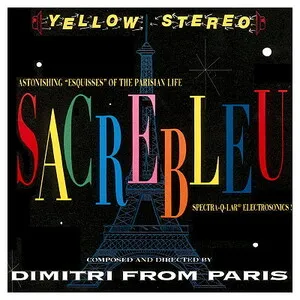
Sacrebleu
Dimitri From Paris
Lounge
Similar artists
2
/5
Jupiter
French House
Funky House
Indie Dance
4
/5
L'Impératrice
French House
French Indie Pop
French Pop
3
/5
Cerrone
Disco
Euro-Disco
Electronic
3
/5
Yuksek
French House
Electrofox
Disco House
3
/5
Dave 'Love' Lee
Disco
Disco House
Funky House
3
/5
Louis La Roche
Disco House
French House
Funky House
3
/5
Fred Falke
French House
Disco House
Funky House
3
/5
Roisto
Disco House
French House
Funky House
3
/5
Discotron
Disco
Disco House
Funky House
3
/5
Horse Meat Disco
Disco
Disco House
Funky House
Download our mobile app
Get the Melodigging app and start digging for new genres on the go
Download on the App Store
Get it on Google Play
© 2026 Melodigging
Give feedback
Legal
Melodding was created as a tribute to
Every Noise at Once
, which inspired us to help curious minds keep digging into music's ever-evolving genres.