Genres
Artists
Albums
Make Music
Sign in
Sign in
Artists
Hip Hop
Artists
Hip Hop
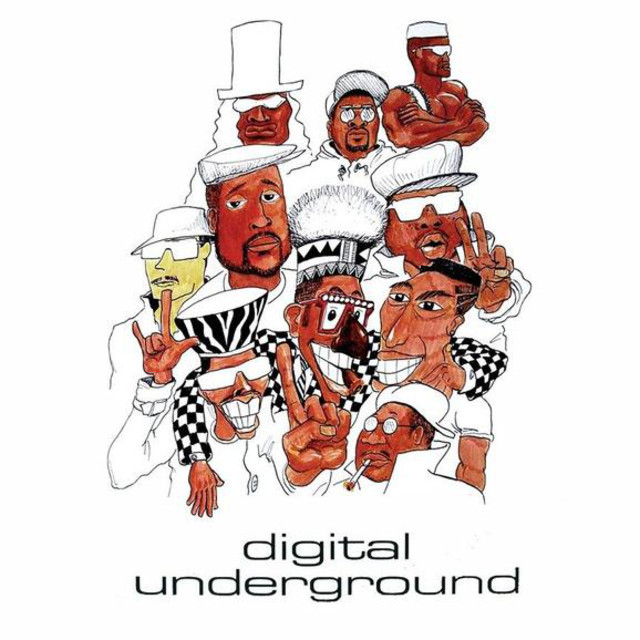
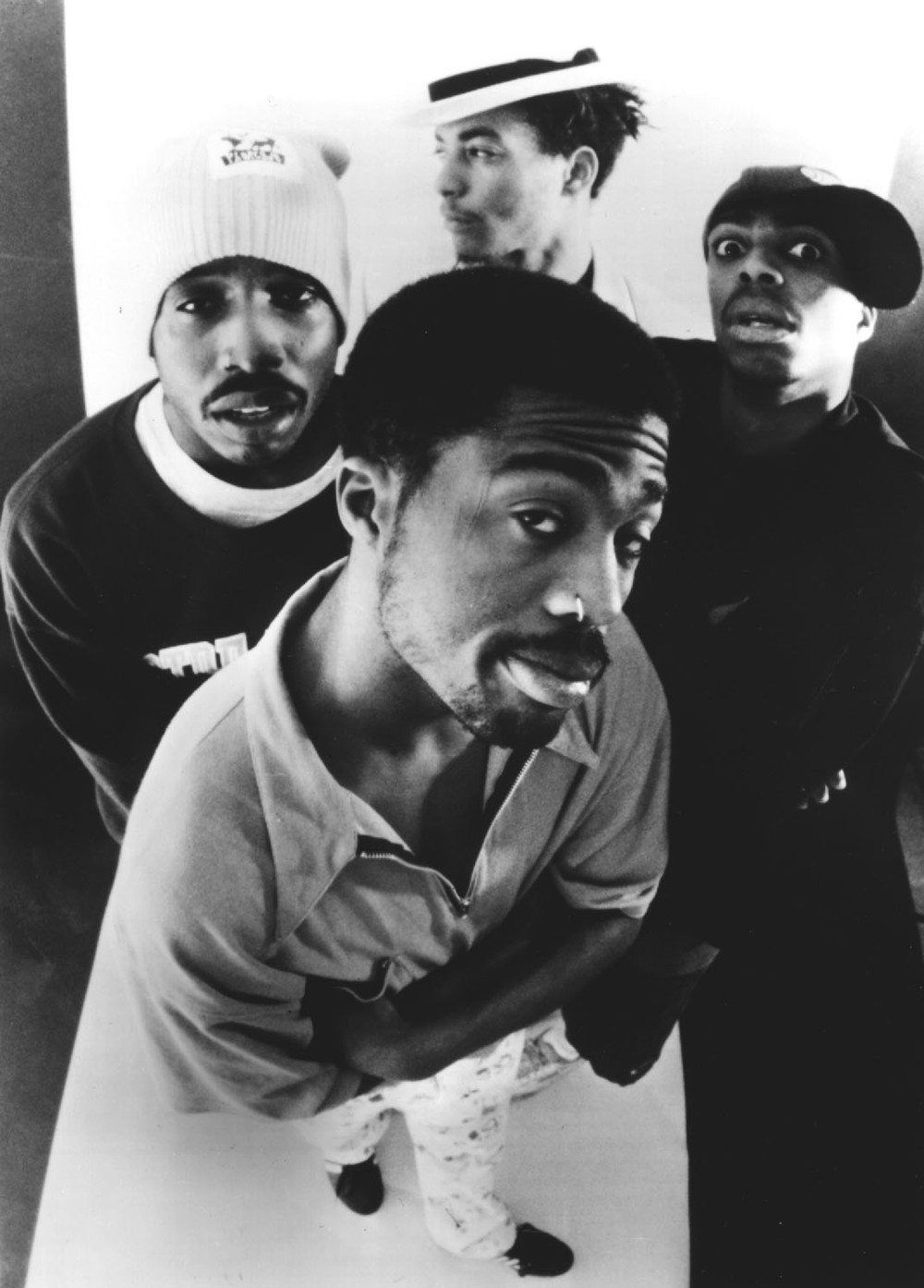
Digital Underground
1990–2008
·
7 albums
Listen
3
/5
Genres
Classify
Classify is a streaming-era microgenre that blends light classical technique with contemporary pop repertoire, typically presented as unobtrusive instrumental covers. It prioritizes soft dynamics, gentle tempos, and intimate recording to create a calm, elegant backdrop suitable for studying, working, or events. Most arrangements are for solo piano, string quartet, cello/piano duos, or small chamber ensembles. Harmonies remain diatonic and consonant, melodies are clearly voiced, and textures favor arpeggios, ostinati, and sustained legato lines. The overall aesthetic borrows from modern classical and new age moods while retaining the familiarity of pop song forms.
Discover
Listen
Pov: Indie
"pov: indie" is a social-media-native microstyle built around short, cinematic indie-pop/indie-rock snippets designed to accompany a first-person (POV) narrative. Instead of being defined by a single new musical technique, it is defined by context: the music is chosen or written to feel like the soundtrack to a specific moment (a crush, a late-night walk, moving to a new city, seasonal nostalgia). Sonically it typically uses bright but soft guitars or synths, intimate vocals, simple memorable hooks, and production that reads clearly on phone speakers. The emotional tone is often wistful, tender, and “coming-of-age,” with lyrics that can be understood quickly in a 10–30 second clip.
Discover
Listen
Trap Soul
Trap soul is a fusion of contemporary R&B singing and songwriting with the sonic palette and rhythmic feel of trap. It features moody, minor‑key harmonies; airy pads and Rhodes/piano textures; deep 808 sub‑bass with glides; and skittering hi‑hat rolls and halftime drum patterns. Vocals often blend crooning and rapping, with intimate, confessional lyrics about love, heartbreak, desire, ambition, and late‑night introspection. The production is typically spacious and minimal, prioritizing atmosphere and groove over density. Subtle Auto‑Tune, layered ad‑libs, and lush reverbs/delays are common, giving tracks a nocturnal, cinematic feel.
Discover
Listen
G-Funk
G-funk (short for "gangsta-funk") is a West Coast hip hop style that blends gangsta rap lyricism with the smooth, melodic grooves of 1970s funk, especially the Parliament-Funkadelic (P-Funk) tradition. It is characterized by slow-to-mid tempos, warm and heavy basslines, lush chords, prominent high-pitched synth leads (often Moog-style whistles), talkbox/vocoder hooks, and relaxed, behind-the-beat drum programming. The sound feels laid-back and summery even when the subject matter is gritty, pairing street narratives with feel-good, bass-driven bounce. G-funk defined the early-to-mid 1990s Los Angeles sound—popularized by Dr. Dre, Snoop Dogg, Warren G, and Nate Dogg—and became one of the most commercially successful and widely recognizable flavors of hip hop.
Discover
Listen
West Coast Hip Hop
West Coast hip hop is a regional style of hip hop that arose on the U.S. West Coast, especially in Los Angeles and the San Francisco Bay Area. It is known for its heavy funk-influenced grooves, prominent synthesizer leads, deep bass, and a laid-back but confident delivery. While the early scene mixed electro and old-school rap aesthetics, the late 1980s ushered in hard-edged street narratives associated with gangsta rap. In the early 1990s, Dr. Dre and peers popularized G-funk, a sleek, bass-heavy update that sampled and reinterpreted P-Funk. Later waves—from Bay Area mobb music and hyphy to Los Angeles “jerkin’” and ratchet—continued the region’s emphasis on catchy hooks, swagger, and club- and car-ready beats. Lyrically, West Coast hip hop ranges from party anthems and cruising music to vivid depictions of street life, social realities, and personal introspection, all delivered with distinctive regional slang and cadence.
Discover
Listen
Boom Bap
Boom bap is a foundational East Coast hip hop style defined by hard, punchy drums—“boom” for the kick and “bap” for the snare—laid under sample-based loops from jazz, soul, and funk records. It typically runs around 85–96 BPM, favors gritty, minimally processed textures (often associated with SP‑1200 and early Akai MPC samplers), and foregrounds lyrical skill: multisyllabic rhyme schemes, internal rhymes, storytelling, street reportage, and battle bars. DJ techniques such as scratching and cut‑choruses are common, and arrangements emphasize head‑nod grooves, sparse basslines, and tight bar structures that give MCs room to “sit in the pocket.”
Discover
Listen
Electro
Electro is an early 1980s machine-funk style built around drum machines (especially the Roland TR-808), sequenced basslines, and a futuristic, robotic aesthetic. It emphasizes syncopated rhythms, sparse arrangements, and timbres drawn from analog and early digital synthesizers. Vocals, when present, are often delivered via vocoder or rap-style chants, reinforcing a sci‑fi, cyborg persona. Electro’s grooves powered breakdance culture, and its sonic palette—crisp 808 kicks, snappy snares, dry claps, cowbells, and squelchy bass—became foundational to later techno and bass music.
Discover
Listen
Pop Rap
Pop rap blends the rhythmic vocal delivery and beat-centric production of hip hop with the catchy hooks, polished structures, and radio-friendly sensibilities of pop music. It typically features melodic choruses (often sung), accessible themes, and mid-tempo grooves designed for mass appeal. Production prioritizes clean, bright sonics, simple harmonic progressions, and memorable top-line melodies, while verses keep to clear, punchy flows that are easy for broad audiences to follow. Because it sits between two commercial powerhouses—pop and hip hop—pop rap has frequently served as a gateway for mainstream listeners to explore rap, while giving hip hop artists a framework to cross over to pop charts.
Discover
Listen
Alternative Hip Hop
Alternative hip hop is a broad, eclectic wing of hip hop that prioritizes experimentation, left‑field aesthetics, and nonconformist subject matter over commercial formulas. It blends classic rap techniques with unconventional production, live instrumentation, genre cross‑pollination (jazz, funk, rock, electronic, reggae), and inventive songwriting. As a cultural stance, it often rejects narrow mainstream archetypes—embracing thoughtful lyricism, humor, Afrocentricity, social critique, and artistic playfulness—while keeping core elements of MCing, DJing, and sampling at the center.
Discover
Listen
Hip Hop
Hip hop is a cultural and musical movement that emerged from Black, Latino, and Caribbean communities, centering around rapping (MCing), DJing/turntablism, sampling-based production, and rhythmic speech over beats. It prioritizes groove, wordplay, and storytelling, often reflecting the social realities of urban life. Musically, hip hop is built on drum-centric rhythms (from breakbeats to 808 patterns), looped samples, and bass-forward mixes. Lyrically, it ranges from party anthems and braggadocio to political commentary and intricate poetic forms, with flow, cadence, and rhyme density as core expressive tools. Beyond music, hip hop encompasses a broader culture, historically intertwined with graffiti, b-boying/b-girling (breakdance), fashion, and street entrepreneurship, making it both an art form and a global social language.
Discover
Listen
Old School Hip Hop
Old school hip hop is the earliest commercially recorded form of hip hop and the original template for the culture’s recorded sound. The term generally refers to music made from the early Bronx party era of 1973 through roughly 1983, before the harder, more sample‑dense “new school” sound took hold. Musically, it centers on extended breakbeats drawn from funk and disco records, live turntable techniques (cutting, backspinning, and early scratching), simple but infectious drum programming (often with the TR‑808), and crowd‑engaging MC routines. Rapping tends to feature clear enunciation, party chants, call‑and‑response, braggadocio, and narrative vignettes, delivered over steady 4/4 grooves in the 95–112 BPM range. Culturally, old school hip hop grew out of DJ‑led block parties, b‑boy/b‑girl dance breaks, and the Jamaican sound‑system tradition, and it codified the core pillars of the hip hop ethos: DJing, MCing, breaking, and graffiti.
Discover
Listen
Electronic
Electronic is a broad umbrella genre defined by the primary use of electronically generated or electronically processed sound. It encompasses music made with synthesizers, drum machines, samplers, computers, and studio/tape techniques, as well as electroacoustic manipulation of recorded or synthetic sources. The genre ranges from academic and experimental traditions to popular and dance-oriented forms. While its sonic palette is rooted in electricity and circuitry, its aesthetics span minimal and textural explorations, structured song forms, and beat-driven club permutations. Electronic emphasizes sound design, timbre, and studio-as-instrument practices as much as melody and harmony.
Discover
Listen
Show all 12 genres
Albums
2008
... Cuz a D.U. Party Don't Stop!
Digital Underground
Electro
Hip Hop
1999
The Lost Files
Digital Underground
Hip Hop
1998
Who Got the Gravy?
Digital Underground
Boom Bap
G-Funk
Hip Hop
1996
Future Rhythm
Digital Underground
Hip Hop
1993
The Body-Hat Syndrome
Digital Underground
Hip Hop
1991
Sons of the P
Digital Underground
Hip Hop
Pop Rap
West Coast Hip Hop
1990
Sex Packets
Digital Underground
Electronic
Hip Hop
West Coast Hip Hop
Similar artists
Hide discovered
1
/5
Various Artists
Soundtrack
Afro-Funk
Alternative Rock
5
/5
Snoop Dogg
G-Funk
Gangsta Rap
Hip Hop
4
/5
Sir Mix-A-Lot
Hip Hop
West Coast Hip Hop
Electro
4
/5
The Pharcyde
Hip Hop
Jazz Rap
West Coast Hip Hop
3
/5
Souls Of Mischief
Hip Hop
Jazz Rap
West Coast Hip Hop
2
/5
Tha Alkaholiks
Boom Bap
Old School Hip Hop
Underground Hip Hop
5
/5
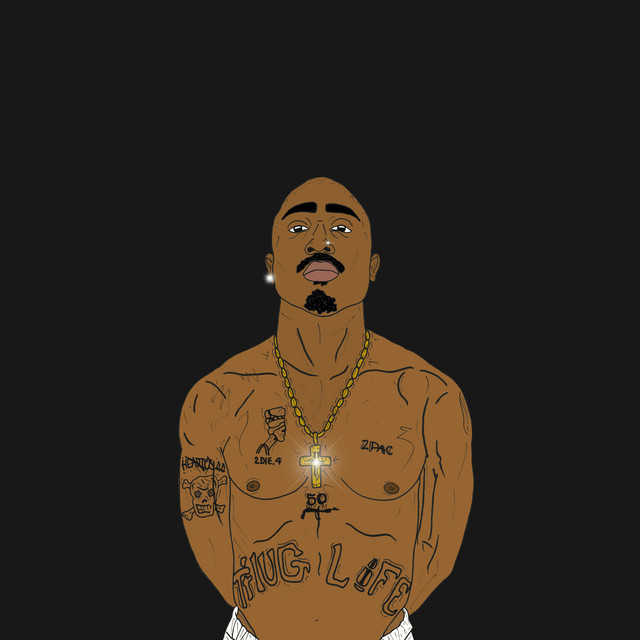
2Pac
G-Funk
Hip Hop
Gangsta Rap
5
/5
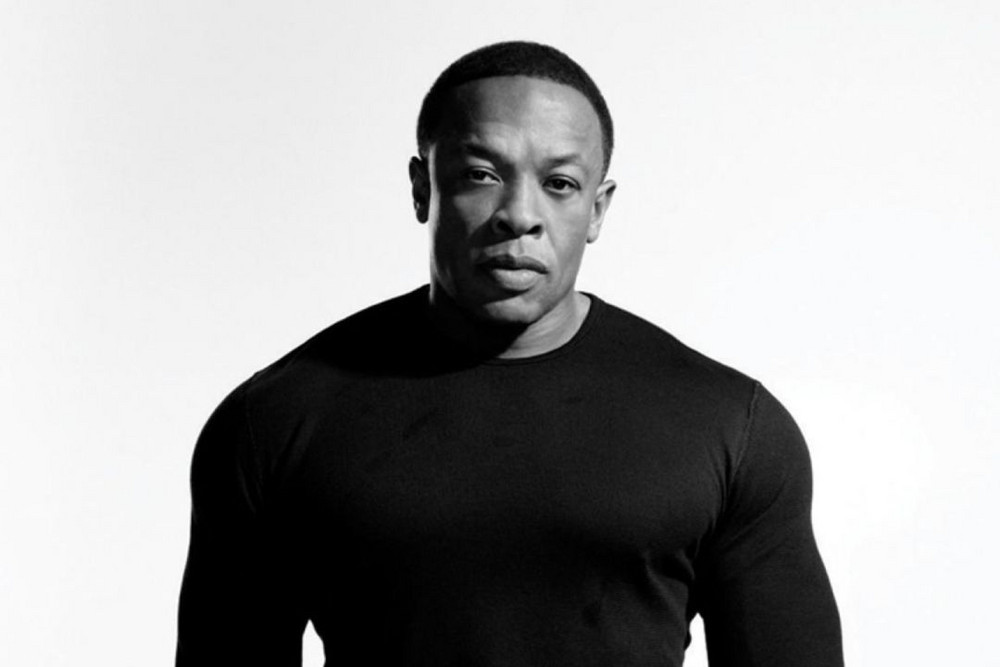
Dr. Dre
G-Funk
Hip Hop
Gangsta Rap
4
/5
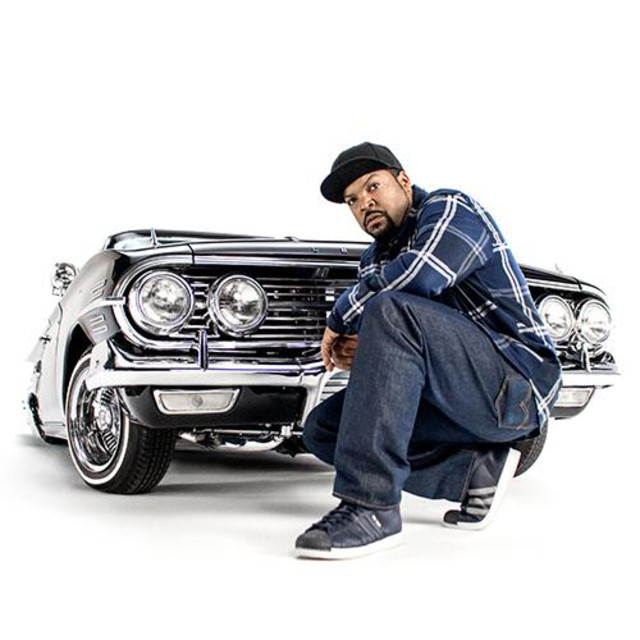
Ice Cube
G-Funk
Hip Hop
West Coast Hip Hop
4
/5
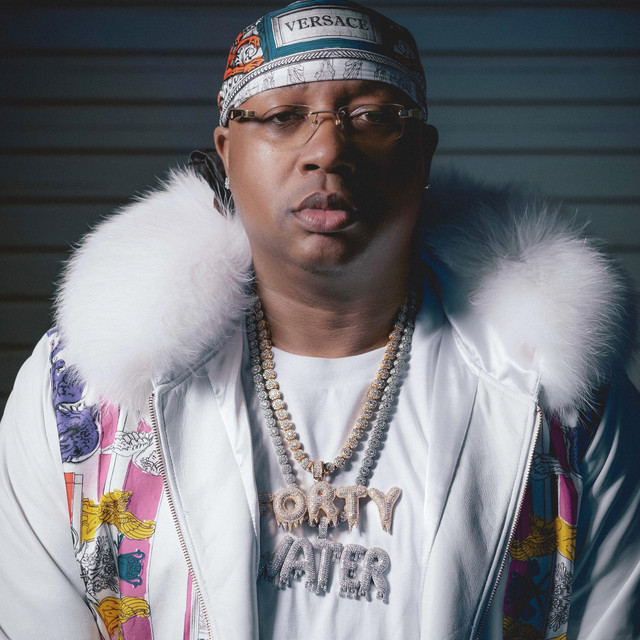
E-40
Hyphy
Gangsta Rap
Hip Hop
Download our mobile app
Get the Melodigging app and start digging for new genres on the go
Download on the App Store
Get it on Google Play
© 2026 Melodigging
Give feedback
About & FAQ
Legal
Melodding was created as a tribute to
Every Noise at Once
, which inspired us to help curious minds keep digging into music's ever-evolving genres.