Genres
Artists
Albums
Make Music
Sign in
Sign in
Artists
Arrocha
Artists
Arrocha
DG e Batidão Stronda
2018
·
1 album
Listen
4
/5
Genres
Arrocha Funk
Arrocha funk is a Brazilian fusion that marries the romantic, crooner-style melodies of Arrocha with the streetwise punch of contemporary funk and reggaeton production. Characterized by slow and gritty reggaeton-like drums, it places a clear emphasis on brassy horn riffs and stabs, echoing Arrocha’s band arrangements while keeping the rhythmic engine syncopated and danceable. Harmonies tend to be minor and bittersweet, supporting lyrical themes of longing, jealousy, reconciliation, and celebration. Vocals are typically upfront and expressive, often ornamented with melisma, light Auto‑Tune, and call‑and‑response hooks that translate well to dance floors and social media clips.
Discover
Listen
Brazilian Trap
Brazilian trap (trap brasileiro) is the Brazilian adaptation of the Atlanta-born trap sound, performed primarily in Portuguese and colored by local rhythms, slang, and aesthetics. It features 808-heavy beats, half-time grooves, rapid hi-hat rolls, and melodic, Auto-Tuned vocals, while often folding in the swing and percussive feel of funk carioca. Lyrics commonly move between street realities, internet-native lifestyle, fashion, and aspirational luxury, with strong regional accents and Brazilian vernacular giving it a distinct identity from US trap.
Discover
Listen
Funk 150 Bpm
Funk 150 BPM is a high‑tempo offshoot of Brazilian funk (funk carioca) that standardizes the groove around 150 beats per minute. It speeds up the classic tamborzão rhythm, emphasizing pounding sub‑kicks, snappy claps/snares, tom fills, sirens, and shouty vocal tags designed for baile (street party) energy. Arrangements are usually minimal and loop‑driven, centering on call‑and‑response MC lines, short hooks, and montage-style edits, with drops that arrive quickly and repeat often. The result is an intense, dance-forward sound that retains the raw grit of Rio’s funk while pushing the adrenaline and club-readiness to the foreground.
Discover
Listen
Game Mood
Game mood is a contemporary, internet-native style that blends chill, loop-friendly electronic production with the melodic signifiers of video game music. It is crafted to sit comfortably behind gameplay, streaming, studying, or casual listening. The palette typically includes soft synth pads, gentle sidechained chords, arpeggiated leads, and light, clicky drum programming. Subtle chiptune timbres, sparkling bell or mallet tones, retro console textures, and synthwave-adjacent pads are common, while arrangements avoid intrusive vocals and sharp transients so the music remains non-distracting. Tempos are usually mid-slow (often 70–100 BPM or 120–140 BPM in half-time), harmonies are diatonic and consonant, and tracks are structured in seamless loops or gradual layer builds. The overall feel is soothing, nostalgic, and lightly propulsive—ideal for maintaining focus while preserving a sense of playful immersion.
Discover
Listen
Batidão Romântico
Batidão romântico is a Brazilian funk-related style centered on slower, more sensual, and more melodic grooves than harder club-oriented batidão variants. It blends the percussive drive and loop-based production language of funk brasileiro with romantic, sentimental, and sometimes seductive vocal delivery. In many tracks, the rhythm shows clear affinity with kizomba-influenced swing, giving the music a smoother and more intimate pulse. Compared with more aggressive or party-focused forms of funk, batidão romântico tends to emphasize love themes, heartbreak, flirting, longing, and emotional storytelling. Its atmosphere is usually warm, intimate, and danceable rather than raw or confrontational. The genre is commonly built from electronic drum programming, soft synth textures, bass-heavy low end, and accessible vocal hooks that can work both for listening and for close-couple social dancing.
Discover
Listen
Bregadeira
Bregadeira is a contemporary Brazilian party style that fuses romantic and melodic brega songwriting with the percussive swing of pagodão baiano and the booming low‑end of funk scenes. Built for paredão (sound‑system) culture, it emphasizes catchy hooks, call‑and‑response vocals, and drop‑driven arrangements that explode on heavy car and street systems. Producers blend tamborzão- and pagodão‑inspired drum patterns with technobrega/brega‑funk synths and sub‑bass, creating an extroverted, dance‑first sound that can be both flirtatious and rowdy.
Discover
Listen
Deboxe
Deboxe is a contemporary Brazilian club and car-audio offshoot of funk that emphasizes massive, hypnotic sub‑bass, sparse drum patterns, and short, chant-like vocal phrases. Compared with earlier funk styles, deboxe is darker and more minimal: long 808 glides, roomy percussive hits, and reverbed stabs create an atmosphere designed for huge speaker arrays and parking‑lot parties. Drops are often built around “desande” moments—sections where the groove strips down, then slams back with heavier bass—while producer tags, chopped ad‑libs, and micro‑hooks replace long verses. Tempos most commonly sit between 135–150 BPM, borrowing the drive of mega funk and the weight of automotivo (car‑sound) culture, but delivered with a swaggering, deboche (“mocking”) attitude that gives the genre its name and vibe.
Discover
Listen
Trapfunk
Trapfunk is a Brazilian hybrid that fuses the drum programming, 808 bass, and hi‑hat articulations of trap with the syncopated tamborzão grooves, vocal cadences, and party‑ready attitude of funk carioca (baile funk). Tracks typically balance sparse, hard‑hitting trap frameworks with driving Brazilian funk percussion at 130–150 BPM, sliding 808s, and vocal deliveries that alternate between melodic hooks and rapid-fire chants. Lyrically, it draws on the street storytelling, ostentation, and party culture of the baile while adopting the darker textures and sound design of contemporary trap. The result is a club-optimized, bass-forward style that feels equally at home in the baile, on streaming playlists, and across social platforms, linking Brazil’s local funk scenes to global trap aesthetics.
Discover
Listen
Fake
“Fake” is an informal, streaming-era genre tag used for sound‑alike covers, karaoke takes, tribute recordings, and generic instrumental remakes that closely mimic current or classic hits. Rather than foregrounding the original songwriter’s concept, these recordings prioritize recognizability, search optimization, and fast turnaround. Session singers and studio players reproduce the hook, tempo, and arrangement with minimal reinterpretation; track and artist names often echo the original title or lyrical catchphrase to capture search traffic.
Discover
Listen
Funk Evangelico
Funk evangélico is a Brazilian Christian take on funk carioca that keeps the style’s hard-hitting, dance‑floor energy while replacing secular or explicit themes with evangelical Christian messages. Built on the classic tamborzão beat, booming sub‑bass, and call‑and‑response hooks, it uses the language of the baile to preach testimony, “vitória,” and spiritual warfare. The result is music that feels at once street‑level and devotional—meant for dancing, collective chanting, and faith‑based outreach in the same neighborhoods where funk originally flourished.
Discover
Listen
Arrocha
Arrocha is a romantic, dance-oriented pop style that emerged in the interior of Bahia, Brazil—most notably around Candeias. The name comes from Brazilian Portuguese slang meaning “to hold tight,” which captures the genre’s intimate, slow-to-mid‑tempo embrace on the dance floor. Musically, arrocha blends the sentimental, melodramatic songwriting of brega romântico with rhythmic and timbral touches from Bahia’s axé and the northeastern forró tradition. Smooth synths, electric guitar arpeggios, accordion or keyboard leads, and programmed drums support emotive, melismatic vocals that center on love, longing, jealousy, and reconciliation.
Discover
Listen
Arrochadeira
Arrochadeira (also called bregadeira) is a high‑energy Bahian dance‑pop fusion that blends the romantic, keyboard‑led sound of arrocha with the percussion‑heavy swingueira/pagodão groove. Born for paredão (car sound‑system) culture and Carnival blocks, its tracks emphasize catchy call‑and‑response hooks, syncopated drum programming over Afro‑Bahian percussion, and simple, sing‑along harmonies. The result is a club‑ready style that feels both street‑party raw and pop‑melodic.
Discover
Listen
Piseiro
Piseiro is a contemporary Brazilian dance style that emerged in the interior of Northeast Brazil in the 2000s. It is commonly described as a homemade, pared-down branch of forró eletrônico, built around electronic keyboard timbres, a strong, repetitive groove, and catchy vocal hooks. The sound often favors simple harmonic movement, punchy bass lines, and sing-along choruses, with vocal harmonization used to amplify the party-friendly, communal feel. In the 2010s–2020s it became nationally popular through streaming and social media, frequently blending with other regional “forró/sertanejo” currents while keeping its characteristic keyboard-driven backbone.
Discover
Listen
Pop Teen Brasileiro
Pop teen brasileiro is the Brazilian branch of teen-oriented pop, crafted for adolescents and young adults and sung primarily in Brazilian Portuguese. It blends glossy dance-pop production, catchy sing-along hooks, and relatable coming‑of‑age lyrics about friendship, school life, first love, self‑image, and digital life. Musically, it sits between mainstream Brazilian pop and global teen pop, drawing on electropop synths, guitar-led pop rock from the 2000s "happy rock" wave, and, in the 2010s–2020s, rhythmic borrowings from local styles such as funk carioca and brega‑pop. Visuals, choreography, and social media presence are integral, with artists emerging from TV talent shows, teen telenovelas, and influencer culture.
Discover
Listen
Funk Brasileiro
Funk brasileiro (also known internationally as baile funk) is an urban dance music from Brazil that grew out of Rio de Janeiro’s favela party culture. It took the skeletal templates of Miami bass and electro, then reimagined them with Portuguese lyrics, crowd‑shouting hooks, and Afro‑Brazilian rhythmic ideas. The sound is defined by booming 808 sub‑bass, punchy drum programming, and chant‑like vocals designed for participation on the dance floor. While early tracks typically sat around 130–140 BPM with the iconic tamborzão groove, later waves popularized 150 BPM energy and an even more percussive, hard‑hitting feel. Lyrically it ranges from party anthems and romantic “melody” cuts to street reportage and social commentary. Over time it branched into many substyles—proibidão, ostentação, 150 BPM/mandelão, automotivo, and pop‑crossover hybrids—while influencing global pop, rap, and club music.
Discover
Listen
Brega Romantico
Brega romântico is a sentimental branch of Brazilian brega that centers love ballads, melodramatic storytelling, and highly emotive singing. Emerging from working‑class dance halls and radio circuits—especially in Brazil’s Northeast—it frames romance, betrayal, jealousy, and longing as everyday dramas set to catchy, keyboard‑driven arrangements. Musically, it blends the melodic directness of classic brega with bolero- and Latin‑ballad‑style phrasing, simple but effective pop harmonies, and a steady 4/4 groove that can move from slow, tear‑stained ballads to mid‑tempo floor‑fillers. Arranger keyboards, drum machines, bright synth strings, and clean electric guitar (often drenched in chorus and delay) are signature timbres. Vocals are impassioned—frequently rising to climactic high notes, with melisma on key words—while lyrics favor plainspoken, intimate language to heighten the sense of confession and catharsis. Although long stigmatized as “kitschy” by elites, brega romântico built a massive audience via local radio, street markets, and later DVDs and streaming, and it has continually fed new regional scenes and crossover trends across Brazil.
Discover
Listen
Forró
Forró is a popular dance-music tradition from Brazil’s Northeast, centered on the trio of accordion (sanfona), zabumba (bass/tenor drum), and triangle. It encompasses a family of rhythms—most notably baião, xote, arrasta-pé, and xaxado—and is performed for partner dancing at parties and the June festivals (Festas Juninas). The style balances infectious, syncopated grooves with singable melodies and simple, diatonic harmony. Lyrically, forró often celebrates rural life, love, longing (saudade), and the culture of the sertão. Over time, it has branched into substyles ranging from the acoustic, rootsy pé-de-serra to modern, amplified and electronic variants.
Discover
Listen
Show all 17 genres
Albums
2018
3
/5
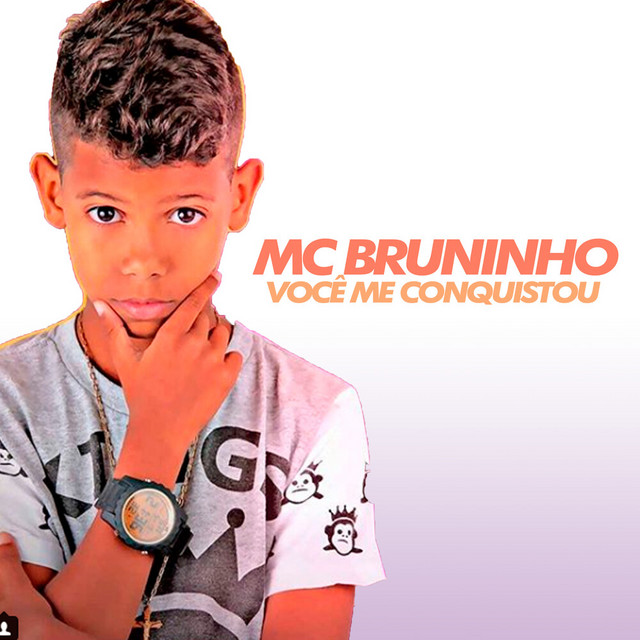
Você Me Conquistou
MC Bruninho
Brega Romantico
Pop Teen Brasileiro
Batidão Romântico
Similar artists
2
/5
Boyzinho o Rei da Bregadeira
Arrocha
Arrochadeira
Axé
4
/5
Léo Santana
Axé
Arrocha
Brazilian Pop
4
/5
Zé Felipe
Arrochadeira
Arrocha
Brazilian Trap
4
/5
Kadu Martins
Funk De Bh
Bregadeira
Arrocha
4
/5
Paulo Pires
Arrochadeira
Arrocha
Forró
3
/5
Rogerinho
Arrocha
Bregadeira
Brega
3
/5
Biu do Piseiro
Arrochadeira
Brega
Piseiro
3
/5
Bonde do gato preto
Arrochadeira
Arrocha
Brega
3
/5
Aldair Playboy
Brega Funk
Arrocha
Brega
3
/5
Anderson & Vei da Pisadinha
Arrochadeira
Arrocha
Brega
Download our mobile app
Get the Melodigging app and start digging for new genres on the go
Download on the App Store
Get it on Google Play
© 2026 Melodigging
Give feedback
Legal
Melodding was created as a tribute to
Every Noise at Once
, which inspired us to help curious minds keep digging into music's ever-evolving genres.