Your digging level

For this genre
0/8
🏆
Sign in, then listen to this genre to level up

Description

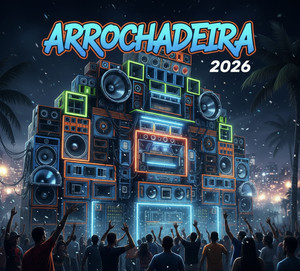
Arrochadeira (also called bregadeira) is a high‑energy Bahian dance‑pop fusion that blends the romantic, keyboard‑led sound of arrocha with the percussion‑heavy swingueira/pagodão groove.

Born for paredão (car sound‑system) culture and Carnival blocks, its tracks emphasize catchy call‑and‑response hooks, syncopated drum programming over Afro‑Bahian percussion, and simple, sing‑along harmonies. The result is a club‑ready style that feels both street‑party raw and pop‑melodic. (pt.wikipedia.org)


Sources: Spotify, Wikipedia, Discogs, Rate Your Music, MusicBrainz, and other online sources

History

Origins in Bahia (2000s)

Arrochadeira emerged in Bahia in the mid‑2000s, created and named by singer‑composer Dan Ventura. Musically it fuses the electronic keyboards and romantic songwriting of arrocha with the faster, percussion‑forward feel of pagodão (pagode baiano). Some scenes also absorbed textures from regional electronic forró. (pt.wikipedia.org)

From local parties to the national stage (2010s)

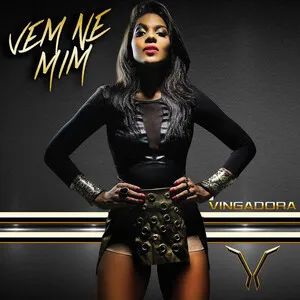
The style grew around interior‑Bahia street parties and paredões de som (powerful mobile sound systems). Its first national breakout arrived when Banda Vingadora’s hit “Metralhadora” became one of the anthems of Carnival 2016, bringing arrochadeira to a country‑wide audience. (pt.wikipedia.org)

Sound and performance

Core traits include keyboard and sampler leads from arrocha, syncopated swingueira/pagodão rhythms on timbal, surdo and repique, and crowd‑participation refrains. Banda Vingadora popularized adding showy violin lines to the beat, underscoring the style’s pop‑spectacle side. (pt.wikipedia.org)

Scene and adoption

As it spread after 2014, acts from the pagodão circuit incorporated arrochadeira into their sets, while artists tied to paredão culture—such as Vingadora, Neto LX and Rei da Cacimbinha—became reference points for the sound. (pt.wikipedia.org)

How to make a track in this genre

Rhythm and tempo
•   Use a 4/4 swingueira/pagodão feel with off‑beat accents and shuffled subdivisions. Typical party tempos sit roughly between 120–140 BPM, though DJs sometimes stretch slower/ faster for paredão impact. (songbpm.com)
Instrumentation and sound design
•   Lead with electronic keyboards/synths playing bright, lyrical motifs. •   Program drum machines/samplers to interlock with Afro‑Bahian percussion (timbal, surdo, repique). Layer claps and whistles for crowd energy. •   Add electric‑guitar riffs or power‑chords to lift choruses; optional violin hooks (a Vingadora signature) create ear‑catching lines. Sub‑bass should be loud, as tracks are mixed for paredões. (music.apple.com)
Harmony and melody
•   Keep harmony simple and diatonic (I–V–vi–IV or I–IV–V variants). Melodies are direct and memorable, borrowing the emotive phrasing of arrocha for verses and opening up to chantable refrains in the chorus. (pt.wikipedia.org)
Vocals and lyrics
•   Alternate solo lines with call‑and‑response choruses; write lyrics that balance romance/flirtation with playful double entendres, echoing pagodão’s crowd‑teasing tone. Short, imperative hooks work well for live choreography. (en.wikipedia.org)
Arrangement tips
•   Structure for immediate impact: short intro, verse → pre‑chorus → big chorus, then a percussion break or drop designed for dance cues and audience chants. End with a DJ‑friendly outro for seamless mixing on sound systems. (pt.wikipedia.org)

Top tracks

Locked
Share your favorite track to unlock other users’ top tracks
Influenced by
Has influenced
Challenges
Digger Battle
Let's see who can find the best track in this genre
© 2026 Melodigging
Melodding was created as a tribute to Every Noise at Once, which inspired us to help curious minds keep digging into music's ever-evolving genres.
Buy me a coffee for Melodigging