Genres
Artists
Albums
Make Music
Sign in
Sign in
Artists
Southeast Asian Post-Rock
Artists
Southeast Asian Post-Rock
Desktop Error
2009–2013
·
2 albums
Listen
2
/5
Genres
Italogaze
Italogaze is the Italian school of shoegaze and dream‑pop: a haze of saturated guitars, breathy vocals, and melodic bass lines, filtered through Italy’s post‑punk/new‑wave heritage and a taste for cinematic atmosphere. Compared with Anglo‑American shoegaze, italogaze often leans on minimalist, motorik‑adjacent grooves, clear melodic motifs (sometimes even folk‑tinged), and production that balances noise and negative space. Lyrics appear in English or Italian, with a wistful, nocturnal tone. The result is music that feels simultaneously airy and tactile: reverb‑washed walls of sound that still foreground melody.
Discover
Listen
Southeast Asian Post-Rock
Southeast Asian post-rock is a regional strain of instrumental, cinematic rock that blends the slow-burn dynamics and textural layering of post-rock with rhythmic cycles, timbres, and modal colors drawn from Southeast Asia. Bands typically build long-form crescendos with interlocking guitar ostinati, roomy drums, and expansive reverbs, while weaving in local instruments (e.g., gamelan metallophones, kulintang, angklung) or evoking them through prepared guitar techniques and bell-like delay lines. Field recordings (monsoon rain, street markets, temple ambience) and modal inflections from pelog/slendro, pentatonic, or folk scales give the music a sense of place without abandoning the idiom’s global vocabulary. The result is a spacious, emotionally resonant sound—at once familiar to fans of classic post-rock and distinctly Southeast Asian in groove, color, and atmosphere.
Discover
Listen
Thai Indie Pop
Thai indie pop is a mellow, melody-forward strain of Thailand’s independent scene that blends jangly guitars, soft synth textures, and understated grooves with intimate, conversational Thai lyrics. It favors smooth, pastel-toned production, warm basslines, and clean, chorus-touched guitars, often borrowing retro colors from city pop and 80s synth-pop while keeping the songwriting concise and hook-driven. Vocals are typically gentle and airy, with phrasing that respects the tonal contours of the Thai language, resulting in songs that feel effortless, romantic, and nostalgically sunlit.
Discover
Listen
Post-Rock
Post-rock is a style that uses traditional rock instrumentation—guitars, bass, drums, and often piano or strings—to create expansive textures, evolving soundscapes, and dynamic arcs rather than conventional verse–chorus songs. It emphasizes timbre, atmosphere, and gradual development: clean or lightly overdriven guitars drenched in delay and reverb, cyclical ostinatos, layered crescendos, and pronounced quiet–loud dynamics. Vocals, if present, are often sparse, wordless, or treated as another textural layer. The genre draws heavily from ambient, minimalism, krautrock, progressive and space rock, shoegaze, noise rock, and experimental practices, yielding music that can feel cinematic, contemplative, and emotionally cathartic.
Discover
Listen
Shoegaze
Shoegaze is a subgenre of alternative rock characterized by dense, immersive walls of guitar sound, heavily layered effects, and vocals that blend into the mix as another texture rather than a focal point. Typically mid-tempo and enveloping, it emphasizes timbre, atmosphere, and harmonic color over riff-driven hooks. Reverb, delay, chorus, tremolo, fuzz, and pitch-bending create a blurred, dreamlike quality—often described as a "wash"—while bass and drums provide a steady, understated foundation. The style emerged in the United Kingdom in the late 1980s; the term "shoegaze" was coined by the British press, referencing performers’ tendency to look down at their pedalboards during live shows.
Discover
Listen
Phleng Phuea Chiwit
Phleng phuea chiwit, literally "songs for life," is a Thai folk-rock and protest-music tradition that blends Western singer-songwriter and rock idioms with Thai folk forms. It emerged around student and workers' movements in the 1970s and became a vehicle for social critique, storytelling, and cultural pride. Musically, it combines acoustic guitars and band-based rock arrangements with Thai instruments and melodic contours drawn from luk thung, luk krung, and mor lam. Lyrically, it is narrative and topical, addressing rural hardship, labor rights, democracy, and everyday struggles, often with poetic language and memorable choruses meant for communal singing.
Discover
Listen
T-Pop
T-pop is the umbrella term for contemporary Thai popular music. It blends Western pop structures and production with local Thai sensibilities, including melodic turns from luk thung/luk krung and regional styles like mor lam. In practice, T-pop ranges from glossy dance-pop and synth-pop to guitar-led pop-rock and tender ballads, often featuring bilingual Thai–English hooks, rap breaks, and choreography-friendly arrangements. Since the late 2010s, a renewed "T-pop" branding has highlighted idol groups and highly visual, social media–driven campaigns, while a parallel stream of singer–songwriters and pop-rock bands maintains the genre’s breadth.
Discover
Listen
Thai Rock
Thai rock is the umbrella term for rock music created in Thailand, blending Western rock idioms with Thai melodic sensibilities, rhythms, and lyrical themes. It grew from 1960s "wong shadow" bands that covered The Shadows and surf music, and evolved into distinctive hard rock, alternative, and stadium-ready styles. Across decades, Thai rock has fused electric guitars and drum kits with Thai vocal phrasing, pentatonic and Luk Thung/Luk Krung-tinged melodies, and lyrics that range from youthful romance and nostalgia to social commentary. By the 1980s and 1990s it became a dominant force in Thai popular music, producing arena headliners and an enduring indie/alternative ecosystem.
Discover
Listen
Rock
Rock is a broad family of popular music centered on amplified instruments, a strong backbeat, and song forms that foreground riffs, choruses, and anthemic hooks. Emerging from mid‑20th‑century American styles like rhythm & blues, country, and gospel-inflected rock and roll, rock quickly expanded in scope—absorbing folk, blues, and psychedelic ideas—while shaping global youth culture. Core sonic markers include electric guitar (often overdriven), electric bass, drum kit emphasizing beats 2 and 4, and emotive lead vocals. Rock songs commonly use verse–chorus structures, blues-derived harmony, and memorable melodic motifs, ranging from intimate ballads to high‑energy, stadium‑sized performances.
Discover
Listen
Show all 9 genres
Albums
2013
3
/5
Keep looking at the window
Desktop Error
Southeast Asian Post-Rock
2009
2
/5
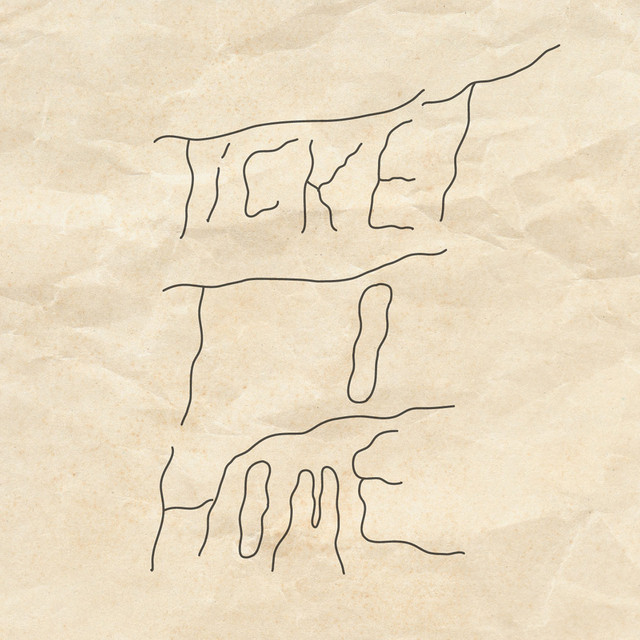
Ticket to Home
Desktop Error
Southeast Asian Post-Rock
Similar artists
2
/5
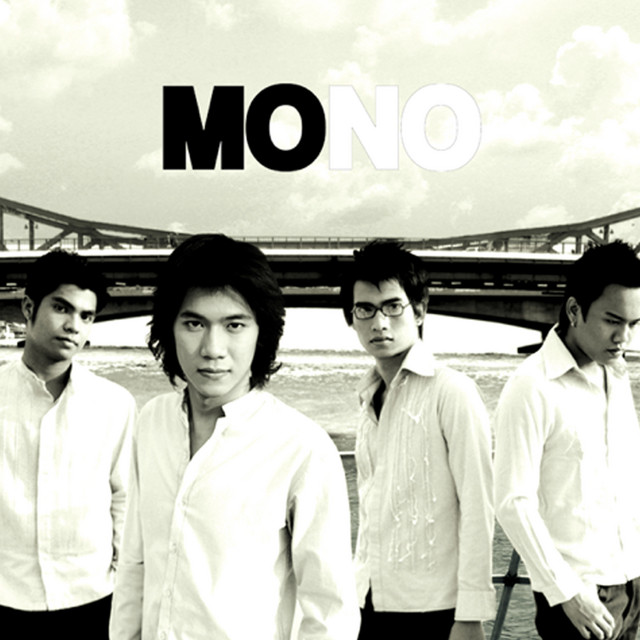
Mono
Phleng Phuea Chiwit
Post-Rock
Southern Thai Music
2
/5
Niskala
Indonesian Indie Rock
Math Rock
Midwest Emo
1
/5
Hariguem Zaboy
Dream Pop
Luk Thung
Phleng Phuea Chiwit
3
/5
康士坦的變化球
Southeast Asian Post-Rock
Post-Rock
Chinese Indie
2
/5
Elephant Gym
Southeast Asian Post-Rock
Post-Rock
Math Rock
2
/5
Tom's Story
Southeast Asian Post-Rock
Math Rock
Midwest Emo
2
/5
Inspirative
Southeast Asian Post-Rock
Post-Rock
Rock
4
/5
Ethel Cain
Countrygaze
Modern Dream Pop
Slowcore
4
/5
YOUNGOHM
Phleng Phuea Chiwit
Thai Hip Hop
Thai Trap
4
/5
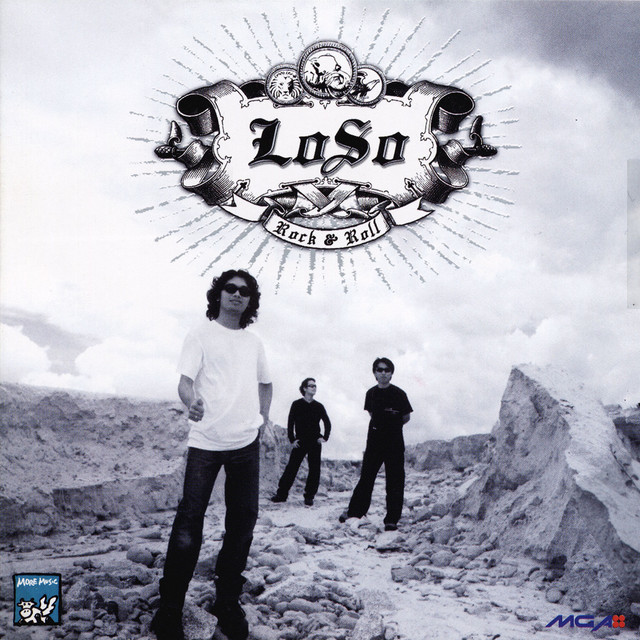
Loso
Luk Thung
Phleng Phuea Chiwit
Southern Thai Music
Download our mobile app
Get the Melodigging app and start digging for new genres on the go
Download on the App Store
Get it on Google Play
© 2026 Melodigging
Give feedback
Legal
Melodding was created as a tribute to
Every Noise at Once
, which inspired us to help curious minds keep digging into music's ever-evolving genres.