Genres
Artists
Albums
Make Music
Sign in
Sign in
Artists
Batida
Artists
Batida
Deejay Telio
2015–2025
·
19 albums
Listen
3
/5
Genres
Brazilian Trap
Brazilian trap (trap brasileiro) is the Brazilian adaptation of the Atlanta-born trap sound, performed primarily in Portuguese and colored by local rhythms, slang, and aesthetics. It features 808-heavy beats, half-time grooves, rapid hi-hat rolls, and melodic, Auto-Tuned vocals, while often folding in the swing and percussive feel of funk carioca. Lyrics commonly move between street realities, internet-native lifestyle, fashion, and aspirational luxury, with strong regional accents and Brazilian vernacular giving it a distinct identity from US trap.
Discover
Listen
Funk Bruxaria
Funk bruxaria is a dark, occult-tinged microstyle of Brazilian baile funk that blends the raw, percussive drive of funk carioca with eerie sound design and gothic/witchy aesthetics. Producers favor minor modes, ominous pads, whispered or pitched-down vocal chops, ritual-like percussive cycles, and cinematic foley (bells, chimes, wind, thunder) to create a brooding, supernatural atmosphere over unmistakably dance-oriented funk rhythms. The result sits between the street energy of baile funk and the hazy, nocturnal mood of witch house and trap, often at 130–150 BPM (with frequent 150-BPM variants).
Discover
Listen
Funk Evangelico
Funk evangélico is a Brazilian Christian take on funk carioca that keeps the style’s hard-hitting, dance‑floor energy while replacing secular or explicit themes with evangelical Christian messages. Built on the classic tamborzão beat, booming sub‑bass, and call‑and‑response hooks, it uses the language of the baile to preach testimony, “vitória,” and spiritual warfare. The result is music that feels at once street‑level and devotional—meant for dancing, collective chanting, and faith‑based outreach in the same neighborhoods where funk originally flourished.
Discover
Listen
Musica Portuguesa Contemporanea
Música portuguesa contemporânea refers to the wave of Portuguese-made popular and art-leaning music that has flourished in the 2010s and 2020s. It blends the poetic sensibility and timbral colors of fado and folk with modern pop writing, indie craft, hip hop flows, and electronic production. Across this umbrella you’ll hear Portuguese-language lyrics shaped by saudade and everyday storytelling, acoustic textures (nylon-string and Portuguese guitar), and grooves informed by Lusophone urban dance (kizomba/batida) alongside chart-ready pop and indie aesthetics. The result is a scene that feels unmistakably Portuguese yet cosmopolitan, often minimalist and intimate in tone, but equally capable of sleek, dance-oriented production.
Discover
Listen
Big Room House
Big room house is a festival-focused strain of EDM built for massive sound systems and outdoor main stages. It typically runs around 126–132 BPM (most commonly 128), uses four-on-the-floor kick patterns, and features huge, simple lead riffs designed to be instantly memorable to large crowds. A defining trait is the contrast between cinematic, reverb-washed breakdowns and ultra-dry, percussive drops driven by a powerful kick, sub, and a few bold supersaw or horn-like synth stabs. Arrangements lean on dramatic builds with snare rolls, risers, and crowd-hyping vocal chops, culminating in drops that emphasize impact over harmonic complexity.
Discover
Listen
Pop Reggaeton
Pop reggaeton is a mainstream-friendly fusion of reggaeton’s dembow rhythm with pop songwriting, melody, and production polish. It keeps the genre’s signature off‑beat snare pattern and half‑time swing while foregrounding catchy toplines, bright synths, and clean, radio-ready mixes. Tempos typically sit around 85–100 BPM (or 170–200 BPM felt in halftime), with warm 808 subs, syncopated percussion, and hook‑centric choruses. Vocals—often in Spanish or Spanglish—lean toward memorable, romantic, or aspirational themes. Compared with classic reggaeton, pop reggaeton softens timbres, smooths cadences, and uses pop structures (verse–pre‑chorus–chorus–bridge) for broad crossover appeal.
Discover
Listen
Pop Urbaine
Pop urbaine is a French mainstream pop style that blends contemporary R&B, hip hop, Afrobeats, dancehall, zouk, raï, and reggaeton with chart‑friendly songwriting. It emphasizes melodic hooks, mid‑tempo grooves, and sleek vocal production (often with Auto‑Tune) while foregrounding everyday, romantic, and nightlife themes in colloquial French. Rhythmically it favors syncopated Afro‑Caribbean patterns, sparse but bouncy 808 drums, and light guitar or synth plucks, creating a buoyant, danceable feel without the aggressiveness of club music. Vocals typically alternate between sung refrains and rap‑influenced verses, with catchy refrains designed for streaming and social media virality. The genre became a defining sound of French popular culture in the late 2010s, driven by a new generation of Francophone artists with diasporic roots who globalized French pop while keeping its language and local slang at the center.
Discover
Listen
Urban Kiz
Urban Kiz is a contemporary, club-oriented offshoot of kizomba that took shape in Europe—especially in Paris—in the early-to-mid 2010s. It adapts the sensual, close-connection feel of kizomba to straighter, trap- and R&B-influenced beats with pronounced bass lines, crisp hi‑hats, and engineered breaks that suit the stop‑and‑go aesthetics of Urban Kiz social dancing. Musically, it favors 4/4 grooves around 88–102 BPM, less of the lilting/zouk swing found in classic kizomba, and more linear phrasing with dramatic drops, filters, and space for micro-pauses. Vocals (often in Portuguese, French, Cape Verdean Creole, or English) may be original toplines, sampled phrases, or R&B‑style hooks layered over sleek electronic production. Producers frequently label releases or remixes specifically for "Urban Kiz" floors, reinforcing the genre’s identity within the partner‑dance scene.
Discover
Listen
Trapfunk
Trapfunk is a Brazilian hybrid that fuses the drum programming, 808 bass, and hi‑hat articulations of trap with the syncopated tamborzão grooves, vocal cadences, and party‑ready attitude of funk carioca (baile funk). Tracks typically balance sparse, hard‑hitting trap frameworks with driving Brazilian funk percussion at 130–150 BPM, sliding 808s, and vocal deliveries that alternate between melodic hooks and rapid-fire chants. Lyrically, it draws on the street storytelling, ostentation, and party culture of the baile while adopting the darker textures and sound design of contemporary trap. The result is a club-optimized, bass-forward style that feels equally at home in the baile, on streaming playlists, and across social platforms, linking Brazil’s local funk scenes to global trap aesthetics.
Discover
Listen
Portuguese Hip Hop
Portuguese hip hop (often called “hip hop tuga”) is the Portuguese-language branch of hip hop culture that took root in Lisbon and Porto’s suburbs during the early-to-mid 1990s. It blends boom-bap aesthetics and East Coast rap lyricism with local slang, Lusophone African inflections (from Cape Verdean, Angolan, and Guinean diasporas), and occasional nods to Portuguese musical heritage such as fado and guitarra portuguesa. Across its evolution, the scene has moved from sample-heavy, DJ-and-MC cypher culture to a wider palette that includes R&B hooks, dancehall/reggae flavors, and modern trap sound design. While socially engaged storytelling and sharp wordplay remain central, the genre now spans everything from classic conscious rap and backpack sensibilities to radio-friendly hits and darker, street-oriented flows.
Discover
Listen
Batida
Batida is a percussion‑driven, sample‑heavy club style from Angola that foregrounds syncopated drum patterns and looped rhythm figures over minimal harmony. Its name literally means “beat,” and the music prioritizes groove, energy, and dancefloor momentum. Initially assembled by bedroom producers and DJs in Luanda using drum machines and samplers, Batida drew on imported Caribbean records and local dance culture. The result is a hard‑edged, uptempo sound that sits between soca and zouk rhythms and the raw, DIY aesthetics that later fed into Angolan and Lusophone diaspora club styles.
Discover
Listen
Kizomba
Kizomba is a smooth, romantic dance-music style that originated in Angola, blending the melodic sensibilities of local semba with the lush, slow-tempo grooves of Caribbean zouk. Typically set in 4/4 time around 86–100 BPM, it emphasizes a deep, round sub‑bass, sparse drum programming, and gently syncopated percussion that encourages close, flowing partner movement. Arrangements favor silky synth pads, clean electric guitar arpeggios or comping, and R&B-influenced vocals in Portuguese and other Angolan or Cape Verdean languages. Lyrical themes gravitate to love, intimacy, nostalgia, and urban life. Over time, kizomba diversified into substyles (such as the even sparser, bass-forward tarraxinha) and spread through the Lusophone diaspora, especially in Portugal, before becoming a global social-dance phenomenon.
Discover
Listen
Kuduro
Kuduro is a high-energy dance music and street culture that originated in Angola in the late 1980s and early 1990s. Its name comes from Angolan Portuguese, roughly meaning “hard butt,” a playful reference to the explosive, physically demanding dance moves and the hard-hitting, percussive beats that drive the style. Musically, kuduro fuses local Angolan rhythms with electronic dance music, hip hop, ragga/dancehall, and Caribbean influences like soca and zouk. Tracks typically sit around 140–150 BPM, feature pounding, syncopated kick patterns, claps on off-beats, chopped vocal shouts, sirens, and whistle FX. Harmony is sparse or loop-based; the focus is on rhythm, call-and-response MCing (in Portuguese and local languages), and relentless forward motion tailored for dance battles and street parties.
Discover
Listen
Funaná
Funaná is a fast, accordion-driven dance music from the island of Santiago in Cape Verde. It is built around the diatonic accordion (locally called gaita) and the ferrinho, a scraped metal rod that supplies an unrelenting, syncopated rhythm. The style is exuberant, rural in origin, and often features social commentary sung in Cape Verdean Creole. Traditionally, funaná was played at community gatherings and dances, with melodies that move briskly over simple harmonic progressions while the ferrinho and hand percussion lock in a propulsive 2/4 pulse. In its contemporary form, the genre frequently adds electric bass, drum kit, and keyboards, retaining the core energy while expanding its sound for modern stages.
Discover
Listen
Show all 14 genres
Albums
2025
3
/5
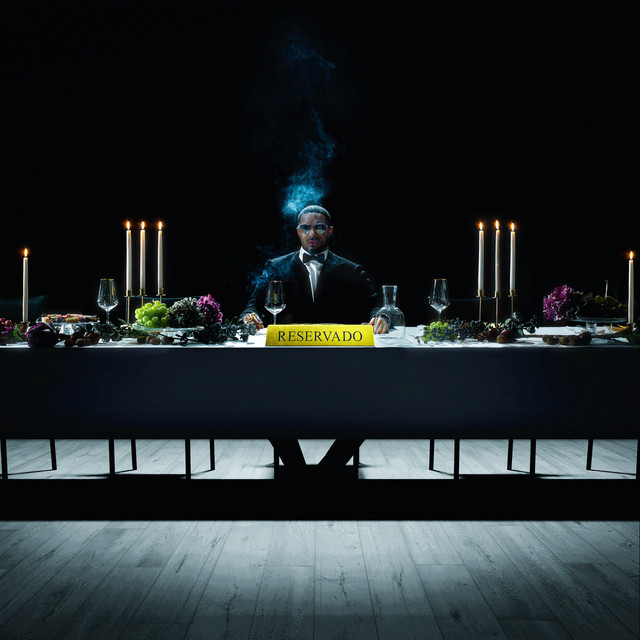
Reservado
Deejay Telio
Funaná
Batida
2024
2
/5
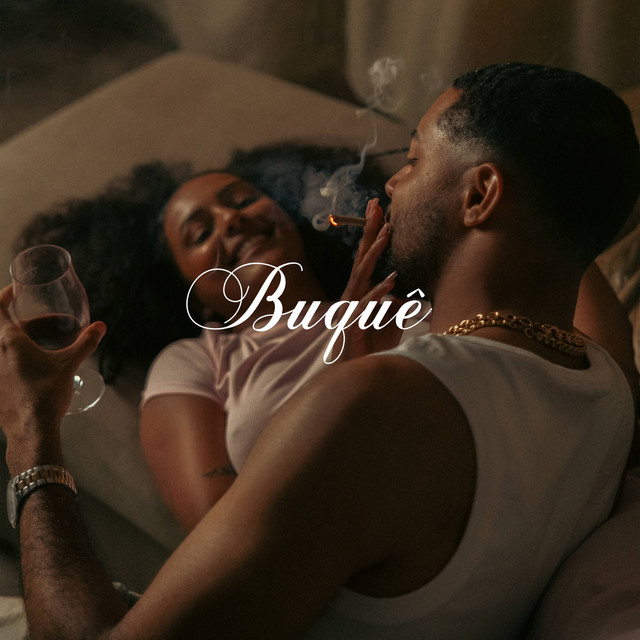
Buquê
Deejay Telio
Batida
Funaná
2023
2
/5
Tropa do Madruga
Deejay Telio
Funaná
Batida
2023
1
/5
Tropa do Madruga
Deejay Telio
Batida
Funaná
2022
2
/5
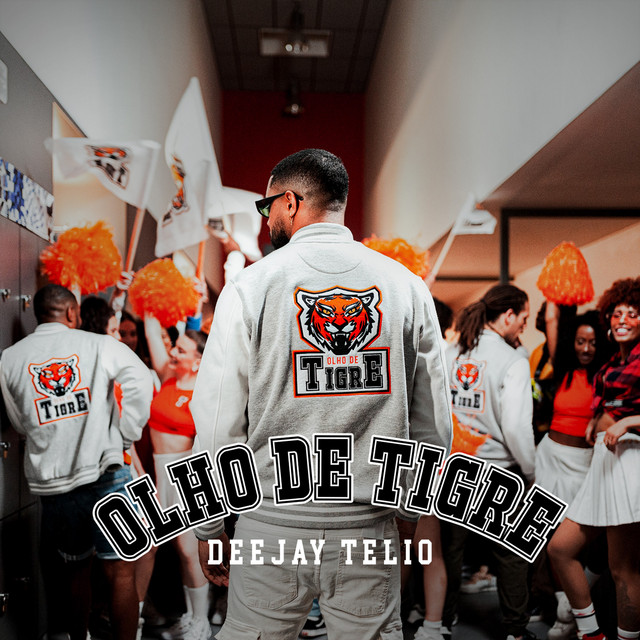
Olho de Tigre
Deejay Telio
Funaná
Batida
2022
1
/5
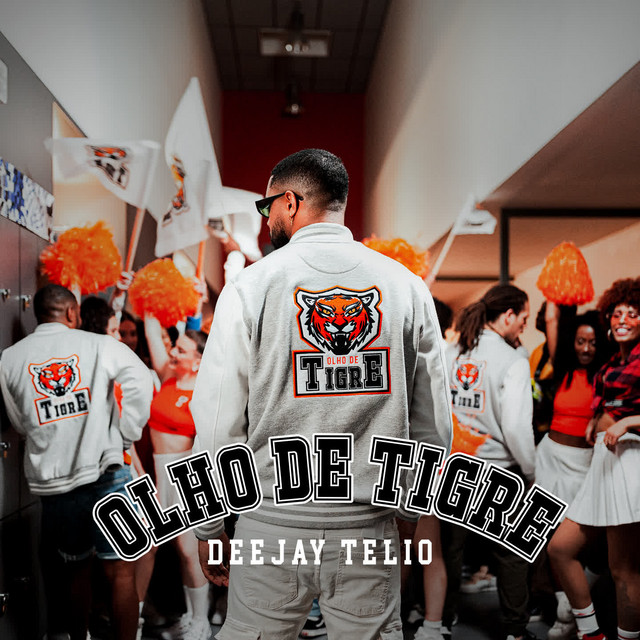
Olho de Tigre
Deejay Telio
Funaná
Batida
2021
1
/5
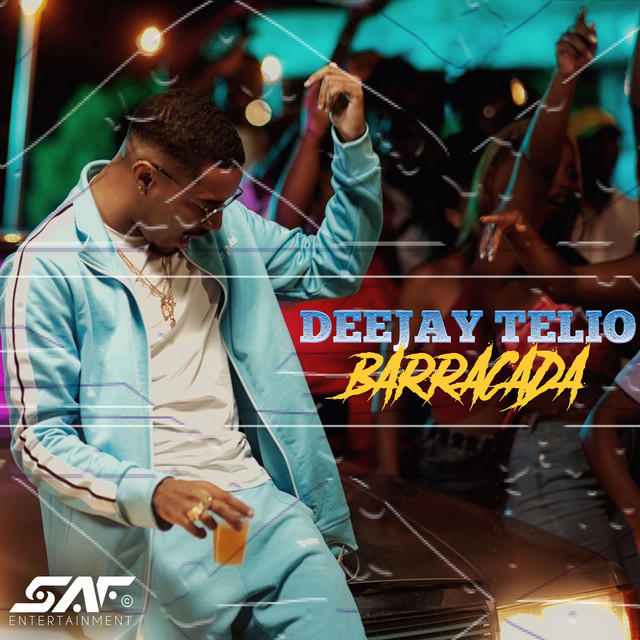
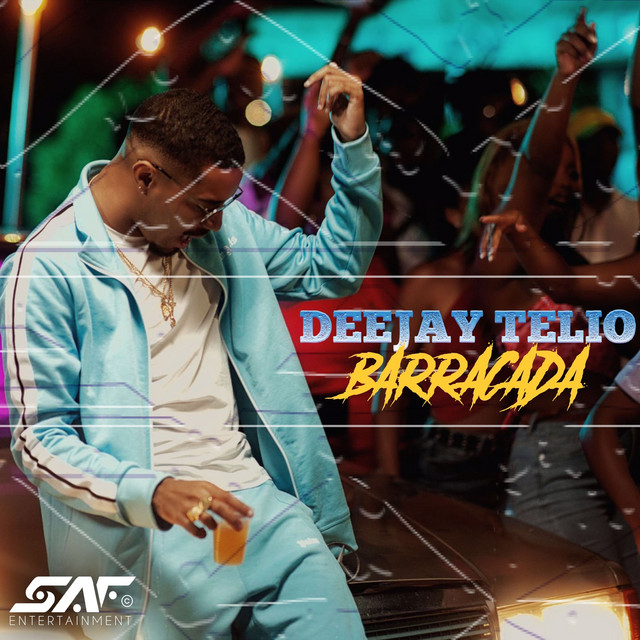
Barracada
Deejay Telio
Funaná
Batida
2021
2
/5
Barracada
Deejay Telio
Funaná
Batida
2021
1
/5
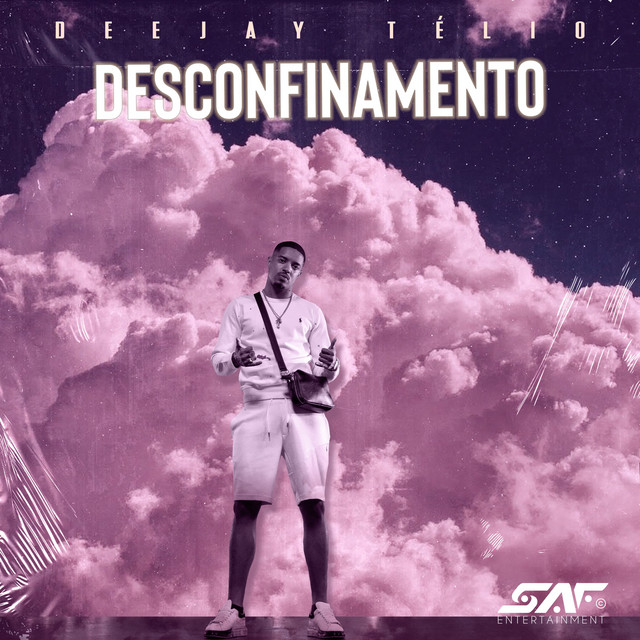
Desconfinamento
Deejay Telio
Batida
Funaná
2020
1
/5
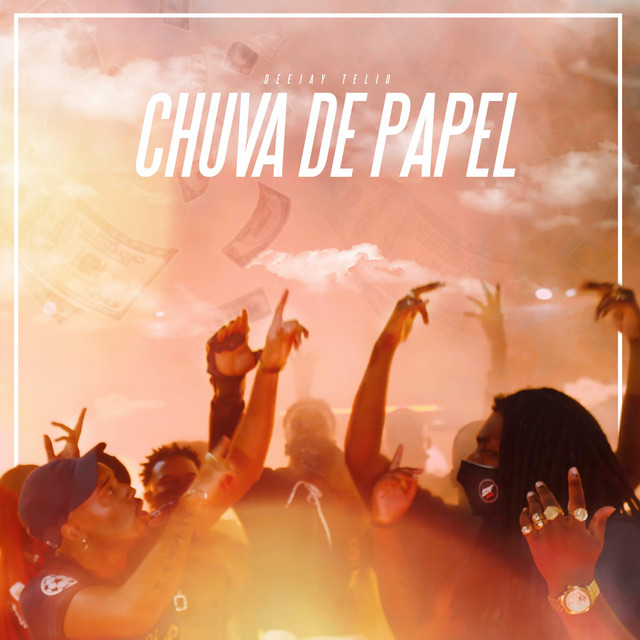
Chuva de Papel
Deejay Telio
Funaná
Batida
2020
3
/5
D'Ouro
Deejay Telio
Funaná
2020
1
/5
D'Ouro
Deejay Telio
Funaná
Batida
2020
1
/5
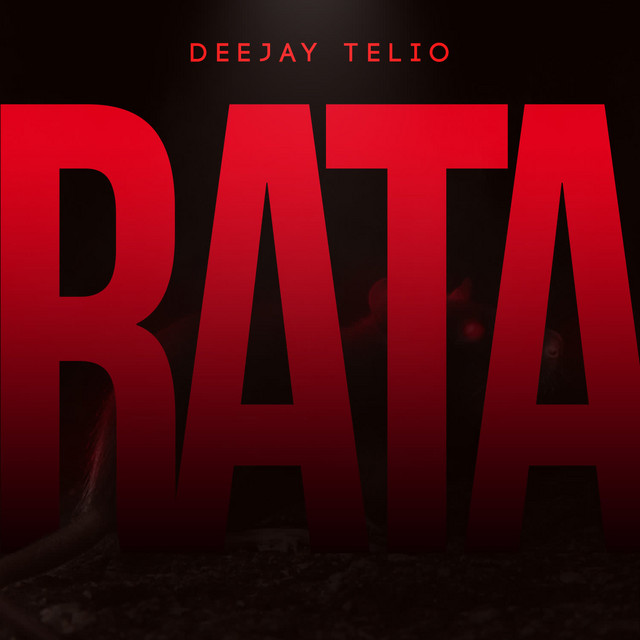
Rata
Deejay Telio
Funaná
Batida
2019
1
/5
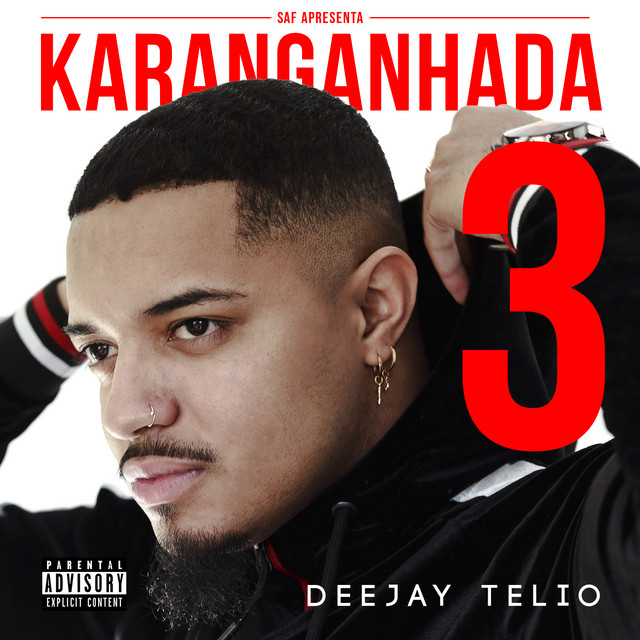
Karanganhada 3
Deejay Telio
Funaná
Batida
2017
1
/5
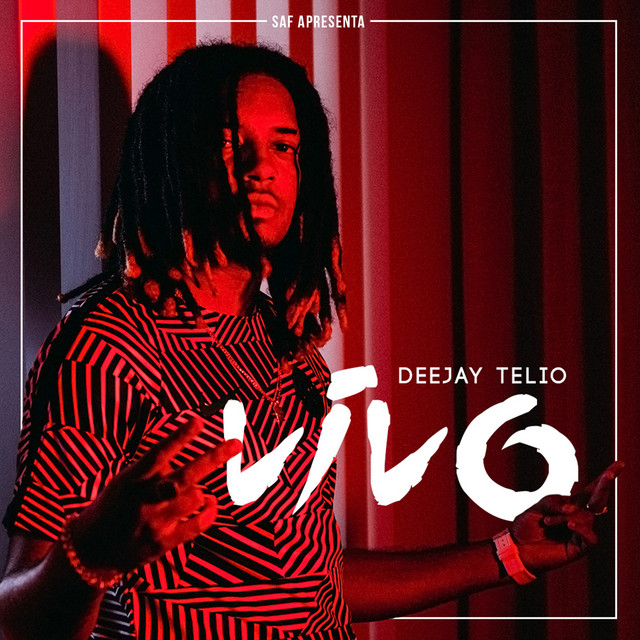
VIVO
Deejay Telio
Funaná
Batida
2017
2
/5
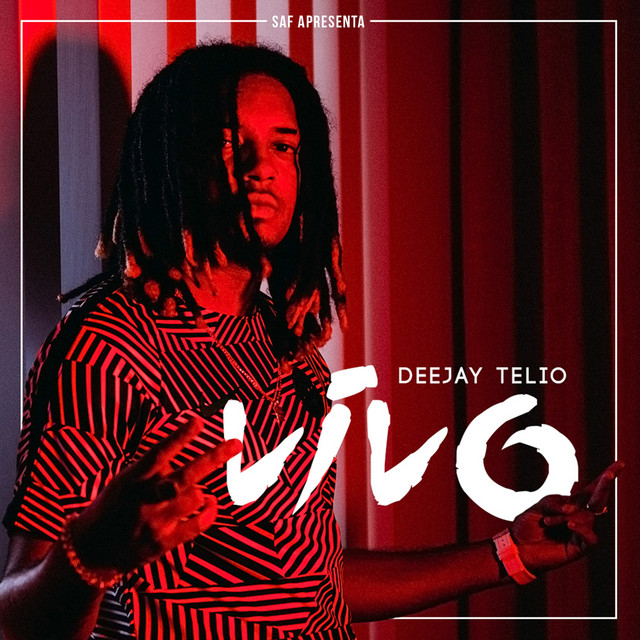
VIVO
Deejay Telio
Funaná
Batida
2016
3
/5
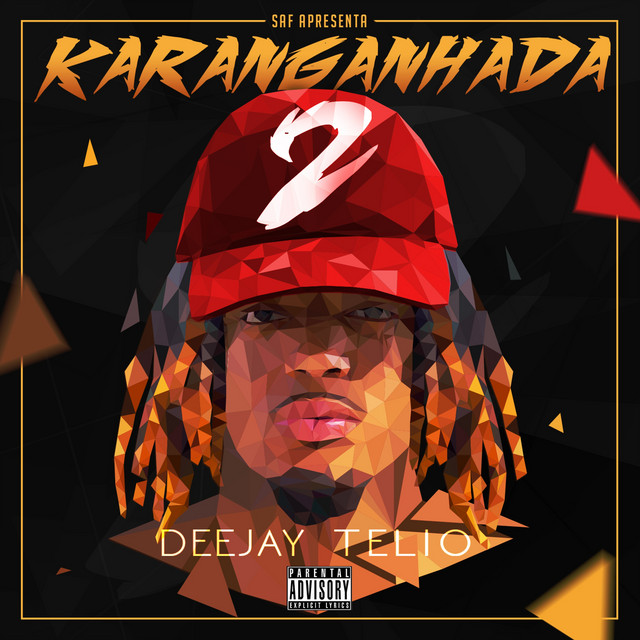
Karanganhada 2
Deejay Telio
Funaná
Batida
2015
1
/5
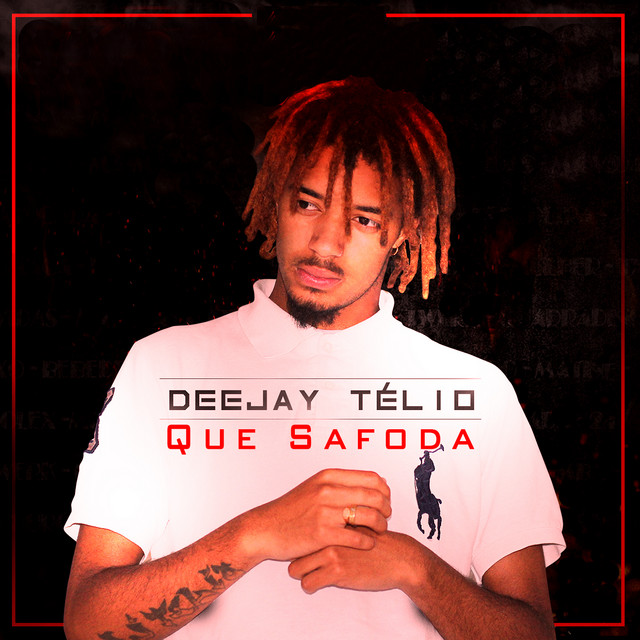
Que Safoda
Deejay Telio
Funaná
Batida
2015
3
/5
Que Safoda
Deejay Telio
Batida
Funaná
Kuduro
Similar artists
3
/5
Deedz B
Brazilian Trap
Funk Bruxaria
Kizomba
3
/5
Branko
Kuduro
Batida
Brazilian Trap
3
/5
Dino d'Santiago
Brazilian Trap
Kizomba
Portuguese Hip Hop
2
/5
Dotorado Pro
Batida
Afro House
Afrobeat
2
/5
Nerú Americano
Batida
Afro House
Afrobeat
2
/5
Dina Medina
Funaná
Fado
Kizomba
2
/5
Lejemea
Funaná
Kizomba
Kuduro
1
/5
Nídia
Batida
Kuduro
Deep Big Room
2
/5
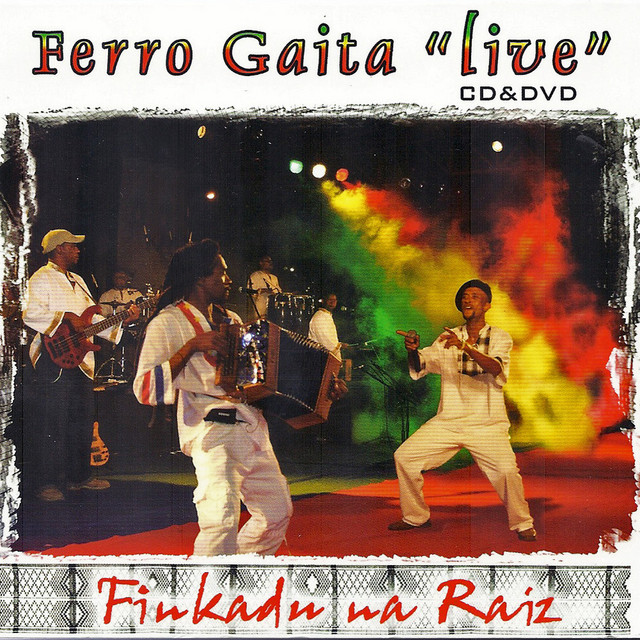
Ferro Gaita
Funaná
Kizomba
Kuduro
2
/5
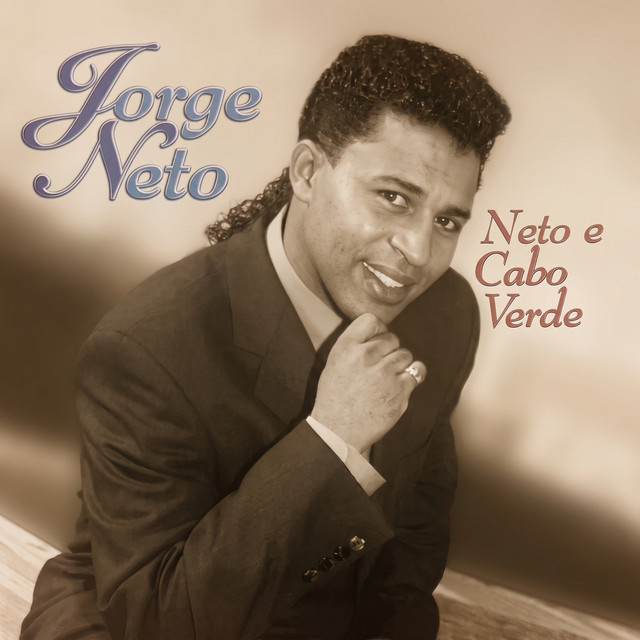
Jorge Neto
Funaná
Kizomba
Kuduro
Download our mobile app
Get the Melodigging app and start digging for new genres on the go
Download on the App Store
Get it on Google Play
© 2026 Melodigging
Give feedback
Legal
Melodding was created as a tribute to
Every Noise at Once
, which inspired us to help curious minds keep digging into music's ever-evolving genres.