Genres
Artists
Albums
Make Music
Sign in
Sign in
Artists
Brazilian Trap
Artists
Brazilian Trap
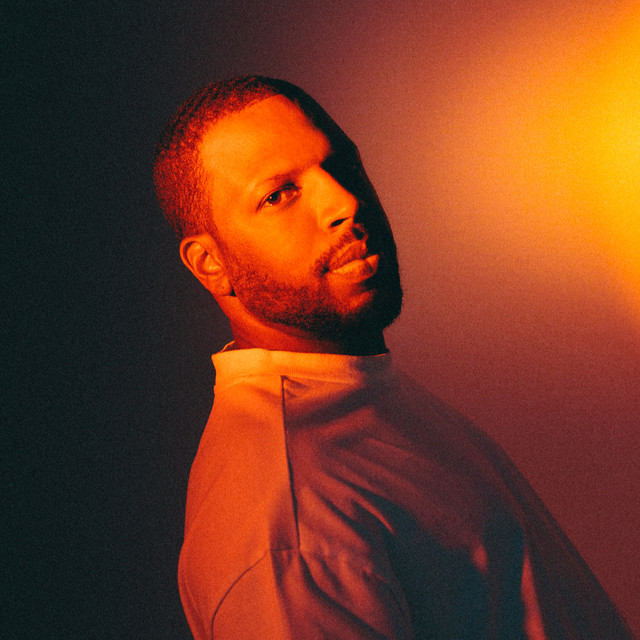
Dino d'Santiago
2018
·
1 album
Listen
3
/5
Genres
Brazilian Trap
Brazilian trap (trap brasileiro) is the Brazilian adaptation of the Atlanta-born trap sound, performed primarily in Portuguese and colored by local rhythms, slang, and aesthetics. It features 808-heavy beats, half-time grooves, rapid hi-hat rolls, and melodic, Auto-Tuned vocals, while often folding in the swing and percussive feel of funk carioca. Lyrics commonly move between street realities, internet-native lifestyle, fashion, and aspirational luxury, with strong regional accents and Brazilian vernacular giving it a distinct identity from US trap.
Discover
Listen
Urban Kiz
Urban Kiz is a contemporary, club-oriented offshoot of kizomba that took shape in Europe—especially in Paris—in the early-to-mid 2010s. It adapts the sensual, close-connection feel of kizomba to straighter, trap- and R&B-influenced beats with pronounced bass lines, crisp hi‑hats, and engineered breaks that suit the stop‑and‑go aesthetics of Urban Kiz social dancing. Musically, it favors 4/4 grooves around 88–102 BPM, less of the lilting/zouk swing found in classic kizomba, and more linear phrasing with dramatic drops, filters, and space for micro-pauses. Vocals (often in Portuguese, French, Cape Verdean Creole, or English) may be original toplines, sampled phrases, or R&B‑style hooks layered over sleek electronic production. Producers frequently label releases or remixes specifically for "Urban Kiz" floors, reinforcing the genre’s identity within the partner‑dance scene.
Discover
Listen
Portuguese Hip Hop
Portuguese hip hop (often called “hip hop tuga”) is the Portuguese-language branch of hip hop culture that took root in Lisbon and Porto’s suburbs during the early-to-mid 1990s. It blends boom-bap aesthetics and East Coast rap lyricism with local slang, Lusophone African inflections (from Cape Verdean, Angolan, and Guinean diasporas), and occasional nods to Portuguese musical heritage such as fado and guitarra portuguesa. Across its evolution, the scene has moved from sample-heavy, DJ-and-MC cypher culture to a wider palette that includes R&B hooks, dancehall/reggae flavors, and modern trap sound design. While socially engaged storytelling and sharp wordplay remain central, the genre now spans everything from classic conscious rap and backpack sensibilities to radio-friendly hits and darker, street-oriented flows.
Discover
Listen
Kizomba
Kizomba is a smooth, romantic dance-music style that originated in Angola, blending the melodic sensibilities of local semba with the lush, slow-tempo grooves of Caribbean zouk. Typically set in 4/4 time around 86–100 BPM, it emphasizes a deep, round sub‑bass, sparse drum programming, and gently syncopated percussion that encourages close, flowing partner movement. Arrangements favor silky synth pads, clean electric guitar arpeggios or comping, and R&B-influenced vocals in Portuguese and other Angolan or Cape Verdean languages. Lyrical themes gravitate to love, intimacy, nostalgia, and urban life. Over time, kizomba diversified into substyles (such as the even sparser, bass-forward tarraxinha) and spread through the Lusophone diaspora, especially in Portugal, before becoming a global social-dance phenomenon.
Discover
Listen
Funaná
Funaná is a fast, accordion-driven dance music from the island of Santiago in Cape Verde. It is built around the diatonic accordion (locally called gaita) and the ferrinho, a scraped metal rod that supplies an unrelenting, syncopated rhythm. The style is exuberant, rural in origin, and often features social commentary sung in Cape Verdean Creole. Traditionally, funaná was played at community gatherings and dances, with melodies that move briskly over simple harmonic progressions while the ferrinho and hand percussion lock in a propulsive 2/4 pulse. In its contemporary form, the genre frequently adds electric bass, drum kit, and keyboards, retaining the core energy while expanding its sound for modern stages.
Discover
Listen
Cape Verdean Music
Cape Verdean music is the umbrella for the archipelago’s rich Creole soundworld, sung largely in Cape Verdean Kriolu and shaped by centuries of Atlantic exchange between West Africa, Portugal, and the Caribbean. It encompasses emblematic genres such as morna (slow, poetic, and deeply nostalgic), coladeira (lighter, witty, and danceable), funaná (fast, accordion‑driven grooves with the metallic ferrinho scraper), and batuque (communal, polyrhythmic call‑and‑response). Its melodies and harmonies blend European tonal songcraft with African rhythmic sensibilities, while instruments range from guitars, cavaquinho, violin, clarinet/saxophone, and accordion to hand percussion and ferrinho. Themes of saudade, migration, the sea, love, and everyday life run through the repertoire, giving Cape Verdean music an immediately recognizable balance of melancholy and uplift.
Discover
Listen
Albums
2018
2
/5
Mundu Nôbu
Dino D'Santiago
Funaná
Cape Verdean Music
Similar artists
3
/5
Deejay Telio
Batida
Funaná
Brazilian Trap
3
/5
Deedz B
Brazilian Trap
Funk Bruxaria
Kizomba
3
/5
Mayra Andrade
Morna
Cape Verdean Music
Brazilian Trap
1
/5
Finaçon
Funaná
Coladeira
Kizomba
4
/5
Calema
Kizomba
Zouk
Basshall
3
/5
Ivandro
Portuguese Hip Hop
Kizomba
Zouk
3
/5
Bárbara Bandeira
Portuguese Hip Hop
Kizomba
Pop
3
/5
Prodígio
Kizomba
Portuguese Hip Hop
3
/5
Soraia Ramos
Kizomba
Portuguese Hip Hop
Zouk
3
/5
Nenny
Kizomba
Portuguese Hip Hop
Pop Reggaeton
Download our mobile app
Get the Melodigging app and start digging for new genres on the go
Download on the App Store
Get it on Google Play
© 2026 Melodigging
Give feedback
Legal
Melodding was created as a tribute to
Every Noise at Once
, which inspired us to help curious minds keep digging into music's ever-evolving genres.