Genres
Artists
Albums
Make Music
Sign in
Sign in
Artists
Kuduro
Artists
Kuduro
Branko
2022–2024
·
2 albums
Listen
3
/5
Genres
Brazilian Trap
Brazilian trap (trap brasileiro) is the Brazilian adaptation of the Atlanta-born trap sound, performed primarily in Portuguese and colored by local rhythms, slang, and aesthetics. It features 808-heavy beats, half-time grooves, rapid hi-hat rolls, and melodic, Auto-Tuned vocals, while often folding in the swing and percussive feel of funk carioca. Lyrics commonly move between street realities, internet-native lifestyle, fashion, and aspirational luxury, with strong regional accents and Brazilian vernacular giving it a distinct identity from US trap.
Discover
Listen
Chill Baile
Chill baile is a mellow, beat-driven offshoot of Brazil’s baile funk ecosystem that blends the genre’s signature tamborzão/808 percussion with laid‑back tempos, dreamy chords, and R&B‑ and downtempo‑leaning atmospheres. Instead of the raw, high‑energy club edge typical of baile funk, chill baile smooths the edges: tempos often drop into halftime or mid‑tempo ranges, grooves are swingy and elastic, and harmony favors jazzy seventh and ninth chords. The result is a sun‑bleached, coastal vibe—equal parts street rhythm and bedroom introspection—that sits comfortably between lo‑fi beats, chilled trap, and modern R&B.
Discover
Listen
Moombahton
Moombahton is a dance music genre that fuses the high-energy, synth-driven sound design and build‑drop structures of Dutch/electro house with the slower, syncopated dembow rhythm of reggaeton and dancehall. Characteristically sitting around 108–115 BPM (often ~110), it emphasizes heavy, swung percussion, off‑beat stabs, and midrange lead synths, while retaining Latin/Caribbean groove and call‑and‑response vocal hooks. The result is festival‑ready EDM power at a slower, body‑rolling tempo that feels both tropical and club‑focused.
Discover
Listen
Tarraxinha
Tarraxinha is a slow, intimate Angolan club style that emphasizes heavy-hitting drum programming and deep electronic sub‑bass, with minimal melodic content and sparse or no vocals. It emerged as a stripped‑down, darker, and more sensual offshoot of kizomba/semba social dances. Typically hovering around 88–96 BPM, tarraxinha prioritizes body isolation and close partner connection on the dance floor. Its beat architecture draws on kizomba and zouk rhythmic cells but replaces lush harmonies with percussive syncopation, negative space, and low‑end pressure, creating a hypnotic, late‑night atmosphere.
Discover
Listen
Kuduro
Kuduro is a high-energy dance music and street culture that originated in Angola in the late 1980s and early 1990s. Its name comes from Angolan Portuguese, roughly meaning “hard butt,” a playful reference to the explosive, physically demanding dance moves and the hard-hitting, percussive beats that drive the style. Musically, kuduro fuses local Angolan rhythms with electronic dance music, hip hop, ragga/dancehall, and Caribbean influences like soca and zouk. Tracks typically sit around 140–150 BPM, feature pounding, syncopated kick patterns, claps on off-beats, chopped vocal shouts, sirens, and whistle FX. Harmony is sparse or loop-based; the focus is on rhythm, call-and-response MCing (in Portuguese and local languages), and relentless forward motion tailored for dance battles and street parties.
Discover
Listen
Batida
Batida is a percussion‑driven, sample‑heavy club style from Angola that foregrounds syncopated drum patterns and looped rhythm figures over minimal harmony. Its name literally means “beat,” and the music prioritizes groove, energy, and dancefloor momentum. Initially assembled by bedroom producers and DJs in Luanda using drum machines and samplers, Batida drew on imported Caribbean records and local dance culture. The result is a hard‑edged, uptempo sound that sits between soca and zouk rhythms and the raw, DIY aesthetics that later fed into Angolan and Lusophone diaspora club styles.
Discover
Listen
Kizomba
Kizomba is a smooth, romantic dance-music style that originated in Angola, blending the melodic sensibilities of local semba with the lush, slow-tempo grooves of Caribbean zouk. Typically set in 4/4 time around 86–100 BPM, it emphasizes a deep, round sub‑bass, sparse drum programming, and gently syncopated percussion that encourages close, flowing partner movement. Arrangements favor silky synth pads, clean electric guitar arpeggios or comping, and R&B-influenced vocals in Portuguese and other Angolan or Cape Verdean languages. Lyrical themes gravitate to love, intimacy, nostalgia, and urban life. Over time, kizomba diversified into substyles (such as the even sparser, bass-forward tarraxinha) and spread through the Lusophone diaspora, especially in Portugal, before becoming a global social-dance phenomenon.
Discover
Listen
Show all 7 genres
Albums
2024
2
/5
Soma
Branko
Batida
2022
2
/5
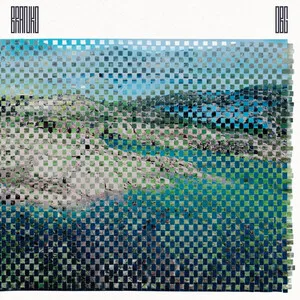
OBG
Branko
Tarraxinha
Kizomba
Batida
Similar artists
3
/5
Deejay Telio
Batida
Funaná
Brazilian Trap
3
/5
Buraka Som Sistema
Kuduro
Kuduro Antigo
Batida
1
/5
Nídia
Batida
Kuduro
Deep Big Room
1
/5
DJ Nigga Fox
Batida
Kuduro
Gqom
1
/5
Dj Narciso Rsproduções
Kuduro
Batida
Gqom
2
/5
DJ Danifox
Kuduro
Afro House
Afro Tech
1
/5
DJ N.K.
Kuduro
Baltimore Club
Gqom
1
/5
RS Produções
Kuduro
Gqom
Singeli
3
/5
Deedz B
Brazilian Trap
Funk Bruxaria
Kizomba
3
/5
Mastiksoul
Kizomba
Kuduro
Latin Afrobeats
Download our mobile app
Get the Melodigging app and start digging for new genres on the go
Download on the App Store
Get it on Google Play
© 2026 Melodigging
Give feedback
Legal
Melodding was created as a tribute to
Every Noise at Once
, which inspired us to help curious minds keep digging into music's ever-evolving genres.