Genres
Artists
Albums
Make Music
Sign in
Sign in
Artists
Batida
Artists
Batida
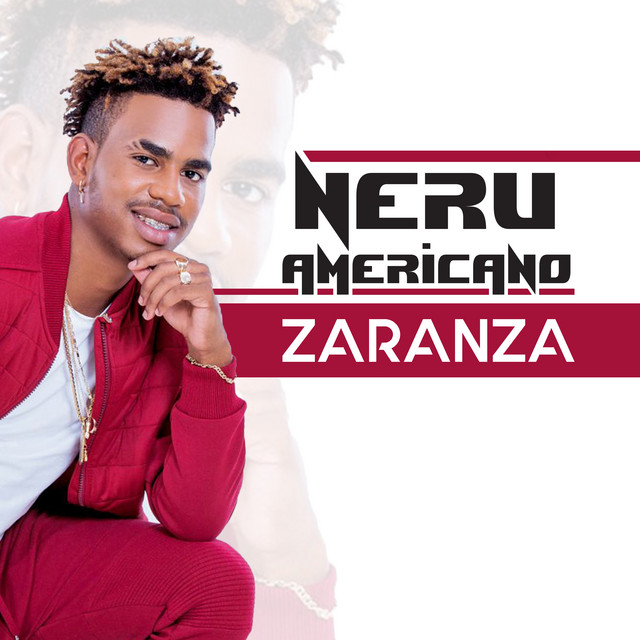
Nerú Americano
2016–2017
·
5 albums
Listen
2
/5
Genres
Afrobeats
Afrobeats (plural) is a contemporary West African pop umbrella that blends indigenous Nigerian and Ghanaian rhythms with global Black music—especially dancehall, hip hop, R&B, and highlife. Typical tracks sit in the mid‑tempo 95–115 BPM range and feature syncopated, polyrhythmic drum programming (shakers, rimshots, congas, talking drum), rubbery sub‑bass lines, bright synths, and guitar licks that recall highlife. Vocals are melodic and hook‑driven, often delivered in a fluid mix of English, Nigerian Pidgin, Yoruba, Twi, or other local languages, with call‑and‑response refrains tailored for dance floors. Distinct from Fela Kuti’s Afrobeat (singular), Afrobeats prioritizes songcraft, club‑ready grooves, and pop structures. It travels easily across diasporas, seamlessly absorbing UK club influences and Caribbean cadence while maintaining unmistakably West African rhythmic DNA.
Discover
Listen
Azonto
Azonto is a contemporary Ghanaian dance-music style built for parties, street performances, and viral choreography. Emerging in the early 2010s, it matches swaggering, humorous dance moves with catchy call-and-response hooks and MC-led verses. Musically, Azonto sits on a bright, syncopated 4/4 groove—often between 105–130 BPM—with crisp handclaps, off‑beat hi‑hats, bouncing kick patterns, and short melodic riffs from synths, bell/mallet tones, or plucks. Harmony is usually minimal (two to four repeating chords), keeping the spotlight on rhythm, energy, and vocal interplay. Lyrics blend Twi, Ga, and Ghanaian Pidgin with English, and celebrate fashion, flirtation, everyday jokes, and local slang. The genre rose with dance challenges and YouTube-era virality, helping push West African pop into UK and global club culture. Signature tracks include Sarkodie & E.L.’s “U Go Kill Me,” Fuse ODG’s “Azonto” and “Antenna,” Castro’s “Azonto Fiesta,” and Gasmilla’s “Aboodatoi.”
Discover
Listen
Shatta
Shatta is a raw, high-energy French Caribbean take on dancehall that crystallized in the 2010s within the Guadeloupe–Martinique scene. It is powered by hard-hitting dembow-derived grooves, booming 808 sub-bass, clipped snares, and sirens/airhorns designed for clubs and car sound systems. Vocals—often in Antillean Creole and French—favor short, repetitive hooks, call-and-response chants, and provocative, party-focused or streetwise themes. Stylistically, Shatta blends Jamaican dancehall attitude with local French Antillean aesthetics (and some bouyon drive), plus trap-era sound design. The result is an aggressive, minimal, dancefloor-first sound that’s immediately “bashment” in feel yet distinct to the FWI (French West Indies).
Discover
Listen
Afro House
Afro house is a subgenre of house music that took shape in South Africa in the 1990s. It blends classic house’s 4/4 pulse with African rhythmic sensibilities, emphasizing hand percussion such as congas, bongos, shakers and djembe alongside warm basslines and steadily dancing kick drums. Tracks often sit around 118–124 BPM and lean into hypnotic, polyrhythmic grooves, soulful harmonies, and an organic, spiritual atmosphere. Producers commonly use piano, saxophone, synthesizers, marimba/kalimba and rich pads, while vocals appear in a variety of African languages in call‑and‑response or chantlike phrases. The result is music that feels both deeply communal and club‑ready, equally at home on outdoor dance floors and late‑night sets.
Discover
Listen
Batida
Batida is a percussion‑driven, sample‑heavy club style from Angola that foregrounds syncopated drum patterns and looped rhythm figures over minimal harmony. Its name literally means “beat,” and the music prioritizes groove, energy, and dancefloor momentum. Initially assembled by bedroom producers and DJs in Luanda using drum machines and samplers, Batida drew on imported Caribbean records and local dance culture. The result is a hard‑edged, uptempo sound that sits between soca and zouk rhythms and the raw, DIY aesthetics that later fed into Angolan and Lusophone diaspora club styles.
Discover
Listen
Kizomba
Kizomba is a smooth, romantic dance-music style that originated in Angola, blending the melodic sensibilities of local semba with the lush, slow-tempo grooves of Caribbean zouk. Typically set in 4/4 time around 86–100 BPM, it emphasizes a deep, round sub‑bass, sparse drum programming, and gently syncopated percussion that encourages close, flowing partner movement. Arrangements favor silky synth pads, clean electric guitar arpeggios or comping, and R&B-influenced vocals in Portuguese and other Angolan or Cape Verdean languages. Lyrical themes gravitate to love, intimacy, nostalgia, and urban life. Over time, kizomba diversified into substyles (such as the even sparser, bass-forward tarraxinha) and spread through the Lusophone diaspora, especially in Portugal, before becoming a global social-dance phenomenon.
Discover
Listen
Kuduro
Kuduro is a high-energy dance music and street culture that originated in Angola in the late 1980s and early 1990s. Its name comes from Angolan Portuguese, roughly meaning “hard butt,” a playful reference to the explosive, physically demanding dance moves and the hard-hitting, percussive beats that drive the style. Musically, kuduro fuses local Angolan rhythms with electronic dance music, hip hop, ragga/dancehall, and Caribbean influences like soca and zouk. Tracks typically sit around 140–150 BPM, feature pounding, syncopated kick patterns, claps on off-beats, chopped vocal shouts, sirens, and whistle FX. Harmony is sparse or loop-based; the focus is on rhythm, call-and-response MCing (in Portuguese and local languages), and relentless forward motion tailored for dance battles and street parties.
Discover
Listen
Afrobeat
Afrobeat is a horn-driven, polyrhythmic, and politically charged style that emerged in Nigeria, spearheaded by bandleader Fela Kuti and drummer Tony Allen. It fuses West African highlife and juju with American funk, jazz, and soul to create extended, hypnotic grooves. Typical tracks revolve around interlocking guitar and keyboard ostinatos, elastic bass vamps, dense percussion (shekere, congas, agogô, cowbell), and tightly arranged horn riffs that punctuate the beat. Vocals often use call-and-response and socially conscious lyrics, delivered in English, Nigerian Pidgin, or Yoruba. Harmonically sparse but rhythmically intricate, Afrobeat prioritizes feel: long, evolving arrangements, richly syncopated drum patterns, and sectional dynamics that spotlight solos and collective interplay.
Discover
Listen
Show all 8 genres
Albums
2017
2
/5
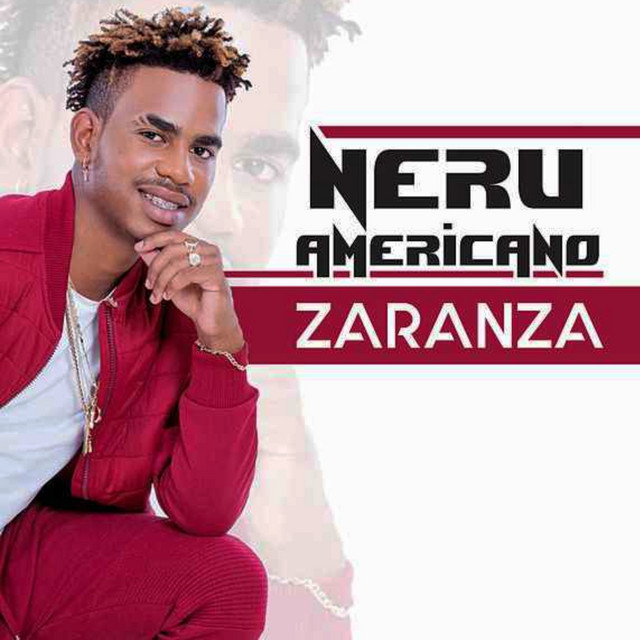
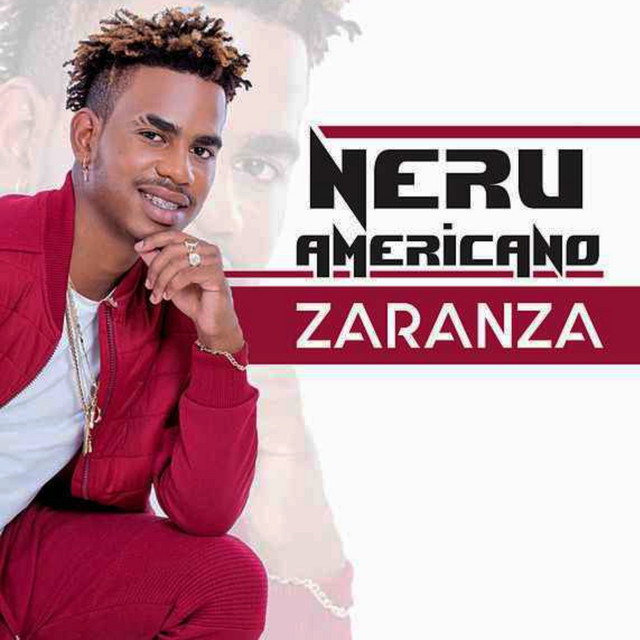
Zaranza
Nerú Americano
Batida
2017
1
/5
Zaranza
Nerú Americano
Batida
2017
1
/5
Zaranza
Nerú Americano
Batida
2016
1
/5
Mambo Rijo
Nerú Americano
Batida
2016
1
/5
Mambo Rijo
Nerú Americano
Batida
Similar artists
2
/5
Dotorado Pro
Batida
Afro House
Afrobeat
2
/5
Homeboyz Muzik
Batida
Afro House
Afrobeat
2
/5
Puto Prata
Afro House
Batida
Kizomba
2
/5
DJ Danifox
Kuduro
Afro House
Afro Tech
2
/5
DJ Lycox
Batida
Kuduro
Afro House
3
/5
Deejay Telio
Batida
Funaná
Brazilian Trap
1
/5
Nídia
Batida
Kuduro
Deep Big Room
1
/5
DJ Nigga Fox
Batida
Kuduro
Gqom
3
/5
DJ Malvado
Afro House
Afro Tech
Kizomba
3
/5
DODDY
Afro House
Kizomba
Kuduro
Download our mobile app
Get the Melodigging app and start digging for new genres on the go
Download on the App Store
Get it on Google Play
© 2026 Melodigging
Give feedback
Legal
Melodding was created as a tribute to
Every Noise at Once
, which inspired us to help curious minds keep digging into music's ever-evolving genres.