Genres
Artists
Albums
Make Music
Sign in
Sign in
Artists
Rock
Artists
Rock
deadman
2022
·
3 albums
Listen
3
/5
Genres
Texasgaze
Texasgaze is a regional strain of modern shoegaze that crystallized in Texas during the 2010s. It blends the immersive guitar wash and hazy vocals of classic shoegaze with the grit and heft of Southern grunge, noise rock, and post-hardcore. Compared with dreamier UK-inspired scenes, texasgaze typically runs hotter and heavier: high‑gain guitars, drop‑tuned or thickly voiced riffs, and punchy, live‑room drums sit under breathy, often buried vocals. The result is both enveloping and physical—equal parts shimmering atmosphere and concrete, stage‑shaking impact.
Discover
Listen
Dreamgaze
Dreamgaze is a contemporary, internet-era blend of shoegaze and dream pop that emphasizes hazy guitar textures, soft vocals, and a nostalgic, romantic atmosphere. The style favors slow-to-mid tempos, chorus- and reverb-drenched guitars, gauzy synth pads, and pillow-soft drum programming or lightly compressed live drums. Vocals tend to be breathy and mixed as part of the texture rather than as a dominant lead, with lyrics that evoke memory, distance, and intimate, cinematic imagery. Production leans toward lush ambience and gentle saturation—think washed-out delays, shimmering modulations, side-chained pads, and layers of stereo width—creating a weightless, dreamlike sound field.
Discover
Listen
Grungegaze
Grungegaze is a hybrid of 1990s grunge’s gritty, riff‑forward heaviness and shoegaze’s hazy, reverb‑soaked atmosphere. It pairs thick, down‑tuned guitars and a muscular rhythm section with smeared walls of delay, chorus, and fuzz, letting chords bloom into clouds of overtones. Vocals are often breathy, melancholic, and mixed low—more another texture than a focal hook—while songs pivot between quiet, foggy verses and explosive, saturated crescendos. The result is music that feels simultaneously weighty and weightless: emotionally raw like grunge, yet dreamy and enveloping like shoegaze.
Discover
Listen
Nagoya Kei
Nagoya kei is a darker, gloomier offshoot within Japan’s visual kei movement that crystallized in the early 1990s around the city of Nagoya. While it initially denoted bands from Nagoya, the tag quickly came to describe a distinct aesthetic: restrained visuals, muted or monochrome styling, and an emphasis on weighty, melancholic songwriting over elaborate costumes. Musically, Nagoya kei leans more on Western post‑punk, gothic rock, punk rock, alternative rock, and heavy metal than on the glam theatrics often associated with visual kei, favoring minor‑key harmonies, tense atmospheres, and brooding vocal deliveries. Compared to mainstream visual kei, it is less flamboyant and more composition‑driven, with taut guitar work, tom‑forward drumming, and bass lines that carry melodic counterpoint.
Discover
Listen
Visual Kei
Visual kei is a Japanese rock/metal-centered movement defined as much by its theatrical, gender-fluid visual presentation as by its sound. Bands employ elaborate makeup, dramatic hairstyles, flamboyant or gothic costumes, and stylized stagecraft to create a total art experience that fuses music and spectacle. Musically, visual kei spans hard rock, heavy/speed metal, punk/post-punk, new wave, and gothic influences, often blending melodic hooks with virtuosic guitar work, dynamic arrangements, and emotionally charged vocals. Lyrical themes commonly explore romance, decadence, existential angst, fantasy, and nostalgic longing, while arrangements may incorporate strings, synths, or piano for cinematic effect. Substyles like kote kei (early, heavier), Nagoya kei (darker, post-punk/goth-leaning), and later softer or pop-inflected variants illustrate its breadth and evolution.
Discover
Listen
Alternative Rock
Alternative rock is a broad umbrella for guitar-based rock that emerged from the independent and college-radio scenes as a counterpoint to mainstream, commercial rock. It blends the energy and ethos of punk with the textural and songwriting experiments of post-punk, new wave, jangle pop, and noise rock, often foregrounding introspective or socially aware lyrics. Across its many strains—from the melodic minimalism of college rock to the loud-quiet-loud dynamics of grunge and the artful experimentation of Radiohead-era modernism—alternative rock prioritizes authenticity, sonic individuality, and a do-it-yourself approach. Its sound ranges from chiming, chorus-laden clean guitars to abrasive distortion and feedback, supported by straightforward rock rhythms or off-kilter grooves, and production that can be either raw and live-sounding or polished yet unconventional.
Discover
Listen
J-Rock
J-rock (Japanese rock) is the umbrella term for rock music created in Japan, spanning everything from classic rock, punk, and metal to alternative, indie, and progressive strains. It blends Western rock instrumentation and songcraft with Japanese melodic sensibilities, crisp production, and lyrics primarily in Japanese (often mixed with some English phrases). Typical features include hook-forward choruses, expressive guitar leads, tight rhythm sections, and dynamic arrangements that can pivot from delicate verses to big, anthemic refrains. Because of Japan’s media ecosystem, J-rock frequently intersects with anime, TV dramas, and video games, which helps bands reach mainstream audiences while retaining a band-centric, live-performance identity. Although stylistically diverse, J-rock commonly emphasizes memorable melodies, emotional catharsis, and precise musicianship, with influences ranging from British Invasion and classic rock to punk/new wave, progressive rock, and heavy metal.
Discover
Listen
Rock
Rock is a broad family of popular music centered on amplified instruments, a strong backbeat, and song forms that foreground riffs, choruses, and anthemic hooks. Emerging from mid‑20th‑century American styles like rhythm & blues, country, and gospel-inflected rock and roll, rock quickly expanded in scope—absorbing folk, blues, and psychedelic ideas—while shaping global youth culture. Core sonic markers include electric guitar (often overdriven), electric bass, drum kit emphasizing beats 2 and 4, and emotive lead vocals. Rock songs commonly use verse–chorus structures, blues-derived harmony, and memorable melodic motifs, ranging from intimate ballads to high‑energy, stadium‑sized performances.
Discover
Listen
Show all 8 genres
Albums
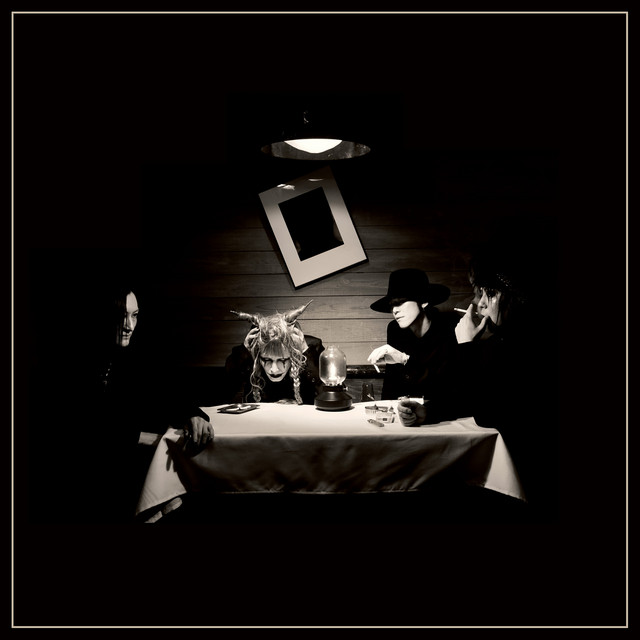
2022
2
/5
No Alternative
Deadman
Nagoya Kei
Rock
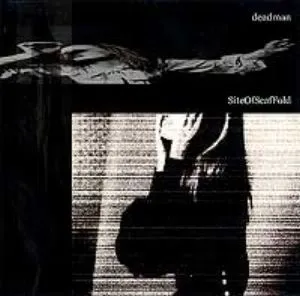
2022
3
/5
Site of Scaffold
Deadman
Nagoya Kei
Rock
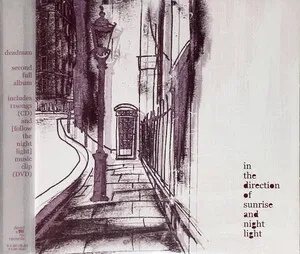
2022
3
/5
In the Direction of Sunrise and Night Light
Deadman
Nagoya Kei
Visual Kei
Alternative Rock
Similar artists
4
/5
ONE OK ROCK
Visual Kei
K-Rock
J-Rock
3
/5
BUCK-TICK
Visual Kei
Beat Rock
Rock
3
/5
Plastic Tree
Visual Kei
Alternative Rock
J-Rock
3
/5
GACKT
Soft Visual
Rock
Alternative Rock
3
/5
花冷え。
Visual Kei
Emo Revival
J-Rock
3
/5
LUNA SEA
Visual Kei
Soft Visual
J-Rock
4
/5
RADWIMPS
Visual Kei
Anime
J-Pop
3
/5
THE YELLOW MONKEY
Visual Kei
J-Pop
J-Rock
3
/5
BAND-MAID
Kawaii Metal
Idol Rock
Hard Rock
3
/5
DIR EN GREY
Visual Kei
J-Rock
Alternative Metal
Download our mobile app
Get the Melodigging app and start digging for new genres on the go
Download on the App Store
Get it on Google Play
© 2026 Melodigging
Give feedback
Legal
Melodding was created as a tribute to
Every Noise at Once
, which inspired us to help curious minds keep digging into music's ever-evolving genres.