Genres
Artists
Albums
Make Music
Sign in
Sign in
Artists
Avant-Garde
Artists
Avant-Garde
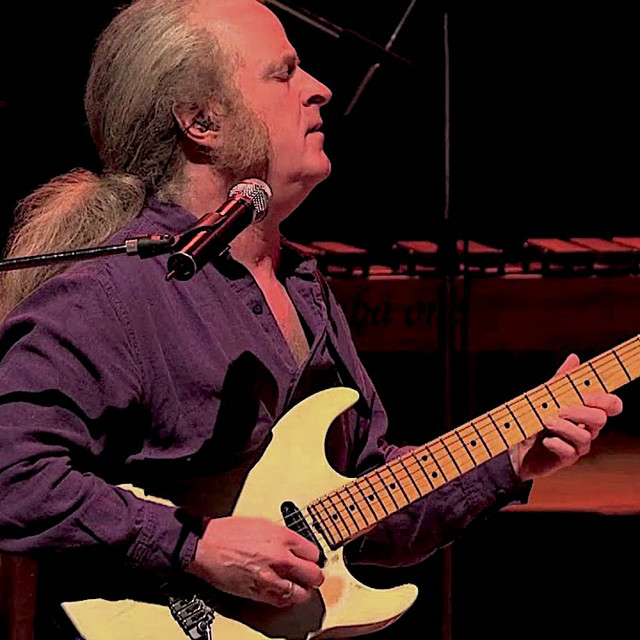
David Rosenboom
2000–2018
·
3 albums
Listen
1
/5
Genres
Data Sonification
Data sonification is a practice and genre in which numerical or categorical datasets are mapped to sound so that patterns in the data are perceived as musical structure. It differs from simple parameter automation by letting the data itself determine pitch, rhythm, dynamics, timbre, and spatial behavior through clearly defined mappings. Works range from direct audification of scientific signals (e.g., seismic or astronomical measurements) to carefully designed parameter mappings and model-based approaches that translate complex, multivariate datasets into layered sonic textures. Because it sits at the intersection of art, science, and design, data sonification is used both for aesthetic expression and for communicating or revealing structure in data that might be hard to see visually.
Discover
Listen
Process Music
Process music is a movement in which a composition is generated by a clearly defined procedure or rule-set. Sometimes this procedure is made audible—so the listener can follow the gradual changes as they unfold—and sometimes the process remains hidden behind the surface of the sound. Typical processes include phasing (two identical patterns drifting out of sync), additive or subtractive procedures (expanding or contracting a pattern by fixed steps), iterative feedback (repeating an operation so the output becomes the next input), permutations, stochastic or probabilistic rules, or instruction-based performance systems. The aesthetic ranges from hypnotic and pulse-driven to fragile and static, but the core idea remains: the music arises from the process.
Discover
Listen
Experimental
Experimental music is an umbrella term for practices that prioritize exploration, process, and discovery over adherence to established genre norms. It embraces new sound sources, nonstandard tuning systems, indeterminacy and chance operations, graphic and open-form scores, extended techniques, and technology-led sound design (tape, electronics, computers, and live processing). Rather than a single style, it is a methodology and ethos: testing hypotheses about sound, structure, and performance, often blurring boundaries between composition, improvisation, sound art, and performance art. Listeners can expect unfamiliar timbres, unusual forms, and an emphasis on how music is made as much as the resulting sound.
Discover
Listen
Avant-Garde
Avant-garde music is an umbrella term for boundary-pushing practices that challenge prevailing norms of harmony, rhythm, timbre, form, and performance. It privileges experimentation, conceptual rigor, and a willingness to reframe what counts as music at all. Historically tied to early 20th‑century artistic modernism, avant-garde music introduced atonality, the emancipation of noise, and new forms of notation and process. It embraces indeterminacy, extended techniques, electronics, spatialization, and multimedia performance, treating sound as material to be sculpted, questioned, and reinvented.
Discover
Listen
Cabaret
Cabaret is an intimate form of stage entertainment centered on songs, witty monologues, satire, and character pieces, typically presented in small rooms with table seating and a master of ceremonies. Performers address the audience directly, and the atmosphere is conversational, risqué, and often politically or socially pointed. Musically, cabaret blends the French chanson tradition with Weimar-era “Kabarett” and, later, American torch-song and jazz idioms. Arrangements are usually piano-led with small ensembles (accordion, violin, clarinet, upright bass, light percussion), supporting nuanced storytelling and dramatic delivery. Vocal approaches range from parlando (speech-like) delivery to a smoky croon. Common grooves include waltz and musette-inflected 3/4, tango and habanera patterns, foxtrot, and slow blues; harmonies are tonal with chromatic color and expressive rubato. Lyrics favor irony, double entendre, longing, and social commentary.
Discover
Listen
Musical Theatre And Entertainment
Musical theatre and entertainment is an umbrella term for stage works that combine spoken drama with song, dance, comedy, and popular spectacle. It spans a range of formats—revue, vaudeville/variety, music hall, operetta, zarzuela, cabaret, and, later, the modern musical—that were designed first and foremost to delight broad public audiences. In theatre studies it is often treated as one of the four classical branches of the theater (alongside spoken drama, opera, and dance/ballet). Historically, it crystallized in Europe and the United States during the 19th century and flourished into the mid‑20th century, evolving in dialogue with popular music, dance fashions, and new technologies (from gas and electric lighting to film and radio).
Discover
Listen
Albums
2018
1
/5
My New Music
Jacqueline Humbert
Cabaret
Musical Theatre And Entertainment
2000
1
/5
On Being Invisible
David Rosenboom
Data Sonification
Brainwave Music
David Rosenboom
Process Music
Similar artists
3
/5
Steve Reich
Minimalism
Classical
Modern Classical
3
/5
Ryoji Ikeda
Microsound
Glitch
Sound Art
2
/5
Terry Riley
Minimalism
Classical
Experimental
2
/5
Karlheinz Stockhausen
Integral Serialism
Serialism
Darmstadt School
2
/5
Jim O'Rourke
Drone
Chicago School
Avant-Garde
2
/5
Bang On A Can All-Stars
Avant-Garde
Classical
Experimental
1
/5
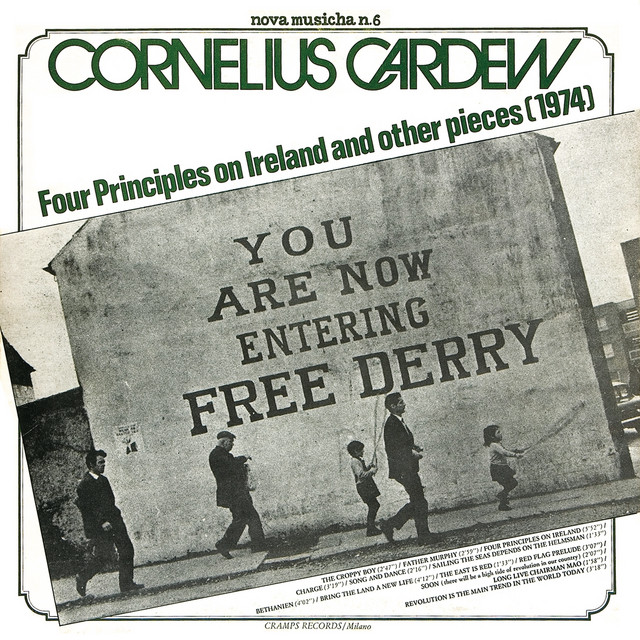
Cornelius Cardew
Experimental
Avant-Garde
Indeterminacy
1
/5
Alvin Lucier
Acousmatic
New England Experimental
Sound Art
1
/5
Steve Roden
Lowercase
Reductionism
Ambient
1
/5
Jennifer Walshe
Avant-Garde
Experimental
Sound Poetry
Download our mobile app
Get the Melodigging app and start digging for new genres on the go
Download on the App Store
Get it on Google Play
© 2026 Melodigging
Give feedback
Legal
Melodding was created as a tribute to
Every Noise at Once
, which inspired us to help curious minds keep digging into music's ever-evolving genres.