Genres
Artists
Albums
Make Music
Sign in
Sign in
Artists
Contemporary Classical
Artists
Contemporary Classical
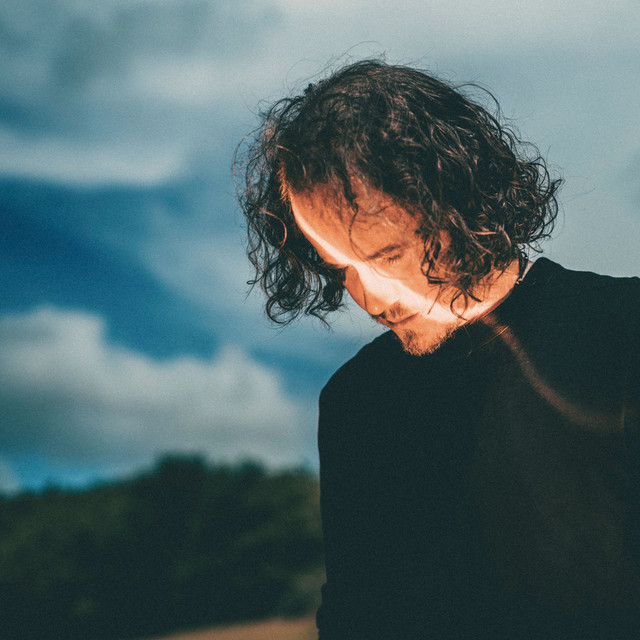
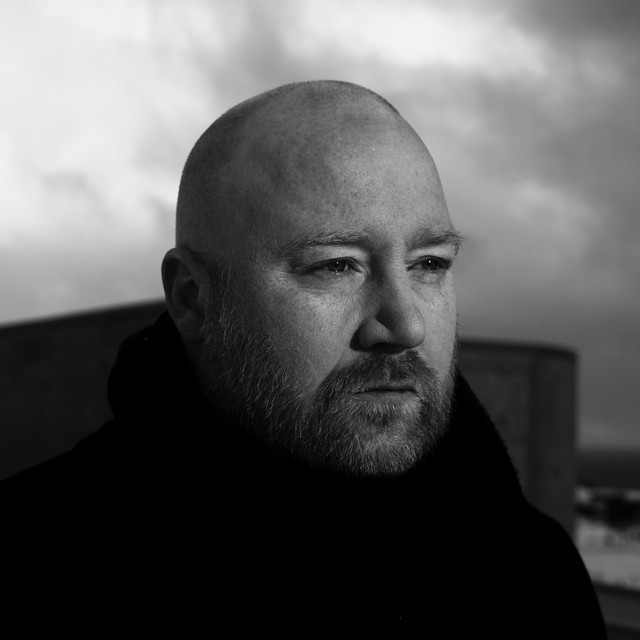
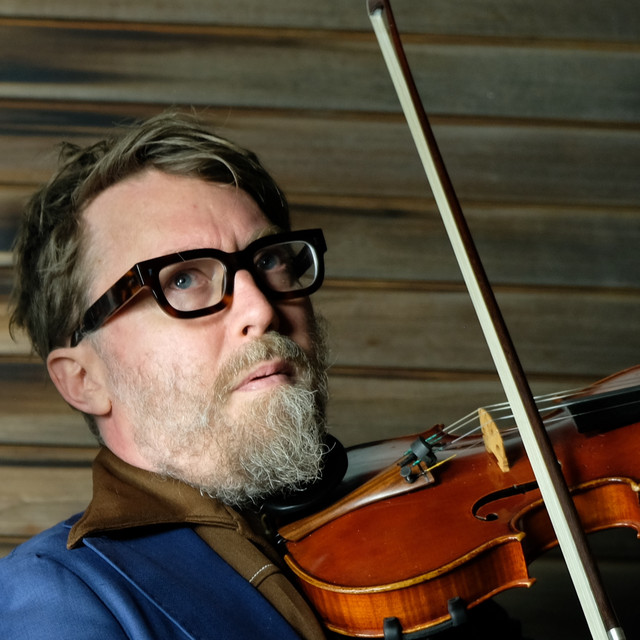
David Chalmin
2018
·
1 album
Listen
2
/5
Genres
Minimalism
Minimalism is a style of Western art music that emerged in the United States during the 1960s, characterized by the use of very limited musical materials, steady pulse, and extensive repetition. Composers often build pieces from short cells or motifs that are repeated and slowly transformed through additive or subtractive processes, phase shifting, and gradual changes in harmony, texture, or register. Harmony is typically consonant (often modal or diatonic), though just intonation and extended drones are also common. The result is music that foregrounds process, clarity, audibility of structure, and a hypnotic sense of stasis and flow. Typical ensembles include keyboards, mallet percussion, strings, winds, voices, and electronics or tape. Minimalism influenced a wide array of later styles, from ambient and new age to post-minimalism and minimal techno.
Discover
Listen
Contemporary Classical
Contemporary classical is the broad field of Western art music created after World War II. It embraces an array of aesthetics—from serialism and indeterminacy to minimalism, spectralism, electroacoustic practices, and post‑tonal lyricism—while retaining a concern for notated composition and timbral innovation. Unlike the unified styles of earlier eras, contemporary classical is pluralistic. Composers freely mix acoustic and electronic sound, expand instrumental techniques, adopt non‑Western tuning and rhythm, and explore new forms, from process-based structures to open and graphic scores. The result is a music that can be rigorously complex or radically simple, technologically experimental or intimately acoustic, yet consistently focused on extending how musical time, timbre, and form can be shaped.
Discover
Listen
Neoclassicism
Neoclassicism in music is a 20th‑century movement that revived forms, genres, and aesthetics from the Baroque and Classical eras, but reframed them with modern harmony, rhythm, and orchestration. It emphasizes clarity, balance, objectivity, and contrapuntal craft, often rejecting late‑Romantic excess while retaining a tonal or modal center enriched by dissonance, bitonality, and crisp rhythmic drive. Typical hallmarks include neobaroque dance suites, neoclassical sonatas and concerti, chamber‑oriented scoring, clean textures, and a dry, anti‑rhetorical performance style.
Discover
Listen
Baroque Ensemble
Baroque ensemble refers to groups performing instrumental and vocal music from the Baroque era using the ensemble formats of the time—string bands with continuo, mixed winds and brass, and, at larger scale, early orchestras. It foregrounds basso continuo (harpsichord, organ, theorbo, cello/violone) supporting melody instruments (violins, violas, oboes, recorders, trumpets, flutes) in forms such as trio sonatas, dance suites, concerti grossi, overtures, and early symphonies. In contemporary usage, the term often implies historically informed approaches: period or replica instruments with gut strings, natural trumpets and horns, Baroque bows, and performance practices like ornamentation, notes inégales, overdotting, and rhetorical phrasing. The sound is clear, articulate, and texturally transparent, with terraced dynamics and continuo-driven harmony that emphasizes affect and musical rhetoric.
Discover
Listen
Spectra
Spectra appears on Every Noise at Once, a map of genres identified by Spotify, in Spotify’s genre labels for artists, and in The Sounds of Spotify playlist “The Sound of Spectra”; little has been written about it. Much of the music is spacious and contemplative, built from sustained synthesizer tones, slowly changing chords and repeating arpeggios. Some pieces have no drums or clear pulse, letting their patterns drift through reverberant space. Others settle into slow, heavy grooves with drums, deep electric bass and clean guitar alongside synthesizers. Vocals appear in some tracks, though instrumental music is prominent. The music ranges from beatless ambient and minimalist electronics to moody, slow-grooving music with blues, soul and art-pop elements. Its artists are also associated with drone, electroacoustic music and experimental music: sustained tones, repetition and processed sound help shape its atmospheric character. Moods range from serene and meditative to melancholic or nocturnal. Track titles appear in English, Spanish, French and other languages. The listed tracks and albums span releases from 1989 to 2025.
Discover
Listen
Albums
2018
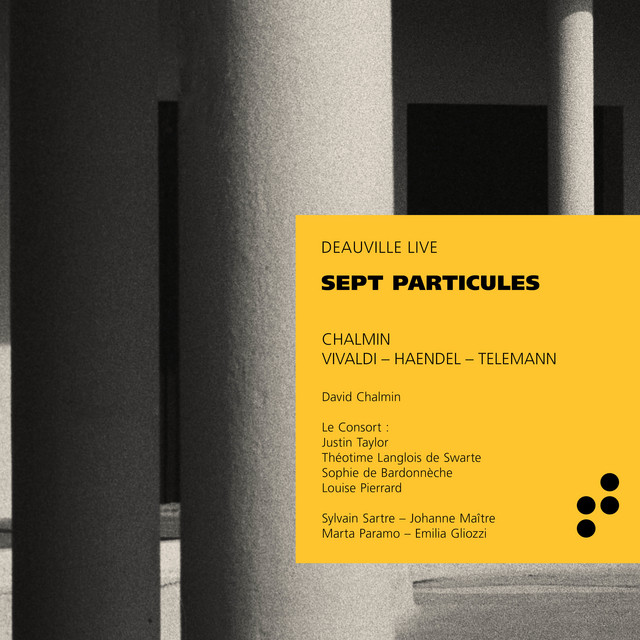
Sept particules (Live at Deauville)
David Chalmin, Le Consort
Baroque Ensemble
Similar artists
4
/5
Max Richter
Post-Minimalism
Classical
Contemporary Classical
4
/5
Ólafur Arnalds
Contemporary Classical
Minimalism
Compositional Ambient
4
/5
Philip Glass
Classical
Minimalism
Modern Classical
4
/5
Jóhann Jóhannsson
Contemporary Classical
Minimalism
Score
4
/5
Nils Frahm
Minimalism
Contemporary Classical
Modern Classical
4
/5
Hania Rani
Contemporary Classical
Minimalism
Neo-Classical
3
/5
Natalia Bonner
Contemporary Classical
Minimalism
Neoclassicism
3
/5
Ben Russell
Ambient
Contemporary Classical
Minimalism
3
/5
Chris Worsey
Contemporary Classical
Minimalism
Neoclassicism
3
/5
Brian Snow
Ambient
Contemporary Classical
Drone
Download our mobile app
Get the Melodigging app and start digging for new genres on the go
Download on the App Store
Get it on Google Play
© 2026 Melodigging
Give feedback
Legal
Melodding was created as a tribute to
Every Noise at Once
, which inspired us to help curious minds keep digging into music's ever-evolving genres.