Genres
Artists
Albums
Make Music
Sign in
Sign in
Artists
Pop
Artists
Pop
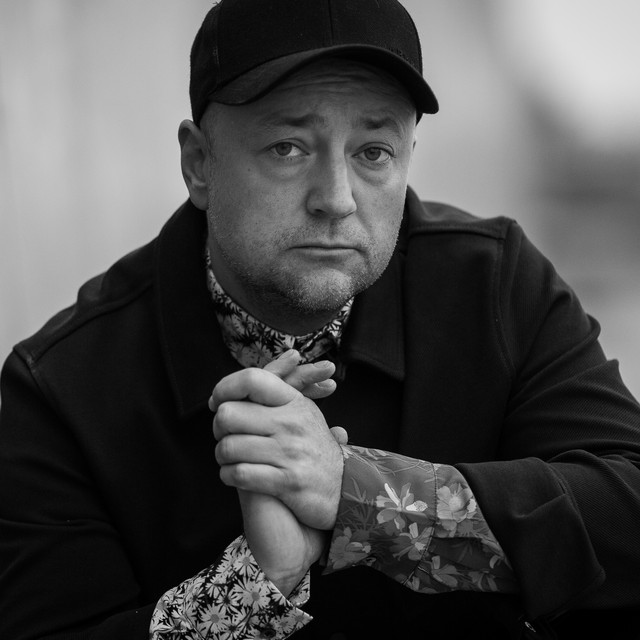
Czesław Śpiewa
2008–2017
·
6 albums
Listen
2
/5
Genres
Alternative Rock
Alternative rock is a broad umbrella for guitar-based rock that emerged from the independent and college-radio scenes as a counterpoint to mainstream, commercial rock. It blends the energy and ethos of punk with the textural and songwriting experiments of post-punk, new wave, jangle pop, and noise rock, often foregrounding introspective or socially aware lyrics. Across its many strains—from the melodic minimalism of college rock to the loud-quiet-loud dynamics of grunge and the artful experimentation of Radiohead-era modernism—alternative rock prioritizes authenticity, sonic individuality, and a do-it-yourself approach. Its sound ranges from chiming, chorus-laden clean guitars to abrasive distortion and feedback, supported by straightforward rock rhythms or off-kilter grooves, and production that can be either raw and live-sounding or polished yet unconventional.
Discover
Listen
Alternative
Alternative is an umbrella term for non-mainstream popular music that grew out of independent and college-radio scenes. It emphasizes artistic autonomy, eclectic influences, and a willingness to subvert commercial formulas. Sonically, alternative often blends the raw immediacy of punk with the mood and texture of post-punk and new wave, adding elements from folk, noise, garage, and experimental rock. While guitars, bass, and drums are typical, production ranges from lo-fi to stadium-ready, and lyrics tend toward introspection, social critique, or surreal storytelling. Over time, “alternative” became both a cultural stance and a market category, spawning numerous substyles (alternative rock, alternative hip hop, alternative pop, etc.) and moving from underground circuits to mainstream prominence in the 1990s.
Discover
Listen
Poezja Śpiewana
Poezja śpiewana (sung poetry) is a Polish song tradition in which existing poems or poetically crafted lyrics are set to intimate, text‑first musical settings. Musically, it draws on cabaret, French‑style chanson, folk and singer‑songwriter idioms, favoring voice with guitar or piano, subtle chamber textures, and restrained rhythm sections. The melody and phrasing closely follow the prosody of the Polish language and the poem’s imagery, while harmony often leans on tonal or lightly jazz‑tinged palettes that keep the words in the foreground. Artists interpret works by renowned poets (e.g., Osiecka, Tuwim, Leśmian) with theatrical nuance and clear diction. The result sits between concert music and popular song: lyrical, literate, and emotionally direct, meant as much for listening and reflection as for performance.
Discover
Listen
Folk Pop
Folk pop is a commercially friendly blend of traditional folk sensibilities and modern pop songwriting. It preserves the acoustic instrumentation, close harmonies, and storytelling of folk while adopting pop structures, memorable hooks, and radio-ready production. The genre is marked by clear vocals, singalong choruses, and warm, organic textures built around acoustic guitar, light percussion, and sometimes banjo, mandolin, or strings. Lyrically it is personal and narrative-driven, often touching on love, memory, place, and everyday life in a direct and relatable way.
Discover
Listen
Pop
Pop is a broad, hook-driven style of popular music designed for wide appeal. It emphasizes memorable melodies, concise song structures, polished vocals, and production intended for radio, charts, and mass media. While pop continually absorbs elements from other styles, its core remains singable choruses, accessible harmonies, and rhythmic clarity. Typical forms include verse–pre-chorus–chorus, frequent use of bridges and middle-eights, and ear-catching intros and outros. Pop is not defined by a single instrumentation. It flexibly incorporates acoustic and electric instruments, drum machines, synthesizers, and increasingly digital production techniques, always in service of the song and the hook.
Discover
Listen
Rock
Rock is a broad family of popular music centered on amplified instruments, a strong backbeat, and song forms that foreground riffs, choruses, and anthemic hooks. Emerging from mid‑20th‑century American styles like rhythm & blues, country, and gospel-inflected rock and roll, rock quickly expanded in scope—absorbing folk, blues, and psychedelic ideas—while shaping global youth culture. Core sonic markers include electric guitar (often overdriven), electric bass, drum kit emphasizing beats 2 and 4, and emotive lead vocals. Rock songs commonly use verse–chorus structures, blues-derived harmony, and memorable melodic motifs, ranging from intimate ballads to high‑energy, stadium‑sized performances.
Discover
Listen
Miejski Folk
Miejski folk (urban folk) is a Polish strand of folk music rooted in the songs, dances, and street-ballad traditions of big cities—above all interwar Warsaw. It draws on dance rhythms popular in city dance halls (tango, foxtrot, waltz, polka) and blends them with the narrative, often humorous or bittersweet storytelling of street singers. Typical instrumentation includes accordion, guitar, banjo or mandolin, violin, double bass, and occasionally barrel-organ timbres, creating an acoustic but lively sound. Lyrics frequently use colloquial language, slang, or elements of Warsaw dialect and focus on everyday urban life: love, work, neighborhood camaraderie, and the city’s rough edges. Contemporary revivals of miejski folk keep the core qualities—danceability, direct storytelling, and acoustic ensembles—while intersecting with singer‑songwriter, indie folk, and folk‑punk aesthetics.
Discover
Listen
Folk
Folk is a song-centered acoustic tradition rooted in community storytelling, everyday life, and social history. It emphasizes clear melodies, simple harmonies, and lyrics that foreground narrative, protest, and personal testimony. As a modern recorded genre, folk coalesced in the early-to-mid 20th century in the United States out of older ballad, work song, and rural dance traditions. It typically features acoustic instruments (guitar, banjo, fiddle, mandolin, harmonica), strophic song forms, and participatory singing (choruses, call-and-response).
Discover
Listen
Avant-Garde
Avant-garde music is an umbrella term for boundary-pushing practices that challenge prevailing norms of harmony, rhythm, timbre, form, and performance. It privileges experimentation, conceptual rigor, and a willingness to reframe what counts as music at all. Historically tied to early 20th‑century artistic modernism, avant-garde music introduced atonality, the emancipation of noise, and new forms of notation and process. It embraces indeterminacy, extended techniques, electronics, spatialization, and multimedia performance, treating sound as material to be sculpted, questioned, and reinvented.
Discover
Listen
Jazz
Jazz is an improvisation-centered music tradition that emerged from African American communities in the early 20th century. It blends blues feeling, ragtime syncopation, European harmonic practice, and brass band instrumentation into a flexible, conversational art. Defining features include swing rhythm (a triplet-based pulse), call-and-response phrasing, blue notes, and extended harmonies built on 7ths, 9ths, 11ths, and 13ths. Jazz is as much a way of making music—spontaneous interaction, variation, and personal sound—as it is a set of forms and tunes. Across its history, jazz has continually hybridized, from New Orleans ensembles and big-band swing to bebop, cool and hard bop, modal and free jazz, fusion, and contemporary cross-genre experiments. Its influence permeates global popular and art music.
Discover
Listen
Non-Music
Non-music is an umbrella category for recorded audio whose primary purpose is not musical performance. It encompasses spoken word, speeches, interviews, poetry readings, comedy, audio documentaries, instructional recordings, field recordings, sound effects, and other forms of organized sound meant to inform, narrate, document, or entertain without relying on melody or conventional song structure. Rather than emphasizing harmony, rhythm, and instrumentation, non-music foregrounds voice, text, ambient sound, narrative flow, informational content, and sonic texture. Its aesthetics range from raw, unedited actuality to highly produced studio works, and its scope spans archival preservation, education, performance art, and mass entertainment.
Discover
Listen
Classical
Classical music is the notated art-music tradition of Europe and its global descendants, characterized by durable forms, carefully codified harmony and counterpoint, and a literate score-based practice. The term “classical” can refer broadly to the entire Western art-music lineage from the Medieval era to today, not just the Classical period (c. 1750s–1820s). It privileges long-form structures (such as symphonies, sonatas, concertos, masses, and operas), functional or modal harmony, thematic development, and timbral nuance across ensembles ranging from solo instruments to full orchestras and choirs. Across centuries, the style evolved from chant and modal polyphony to tonal harmony, and later to post-tonal idioms, while maintaining a shared emphasis on written notation, performance practice, and craft.
Discover
Listen
Show all 12 genres
Albums
2017
Czesław Śpiewa & Arte dei Suonatori
Czesław Śpiewa
Classical
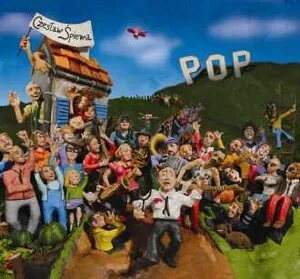
Pop
2014
Księga emigrantów, tom I
Czesław Śpiewa
Avant-Garde
Folk
Non-Music
2013
Grać nie srać
Czesław Śpiewa
Pop
2011
Czesław Śpiewa Miłosza
Czesław Śpiewa
Jazz
Non-Music
2010
2
/5
Pop
Czesław Śpiewa
Miejski Folk
Alternative Rock
Pop
2008
2
/5
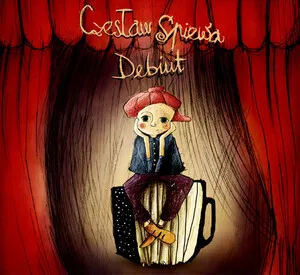
Debiut
Czesław Śpiewa
Miejski Folk
Alternative Rock
Rock
Similar artists
1
/5
Various Artists
Afro-Funk
Alternative Rock
Ambient
5
/5
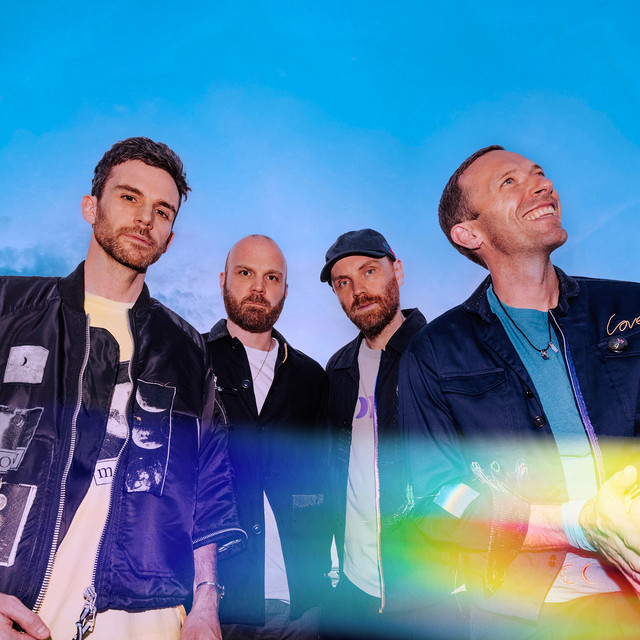
Coldplay
Rock
Permanent Wave
Alternative Rock
5
/5
Arctic Monkeys
Garage Rock
Indie
Indie Rock
5
/5
Maroon 5
Pop
Pop Rock
Alternative Rock
5
/5
Imagine Dragons
Rock
Pop
Alternative Rock
5
/5
The Neighbourhood
Modern Alternative Rock
Rock
Alternative Rock
5
/5
Twenty One Pilots
Modern Rock
Rock
Indie Pop
5
/5
Paramore
Emo Pop
Candy Pop
Pixie
5
/5
OneRepublic
Piano Rock
Pop
Soft Pop
5
/5
Halsey
Etherpop
Electropop
Indie Poptimism
Download our mobile app
Get the Melodigging app and start digging for new genres on the go
Download on the App Store
Get it on Google Play
© 2026 Melodigging
Give feedback
Legal
Melodding was created as a tribute to
Every Noise at Once
, which inspired us to help curious minds keep digging into music's ever-evolving genres.