Genres
Artists
Albums
Make Music
Sign in
Sign in
Artists
Kawaii Future Bass
Artists
Kawaii Future Bass
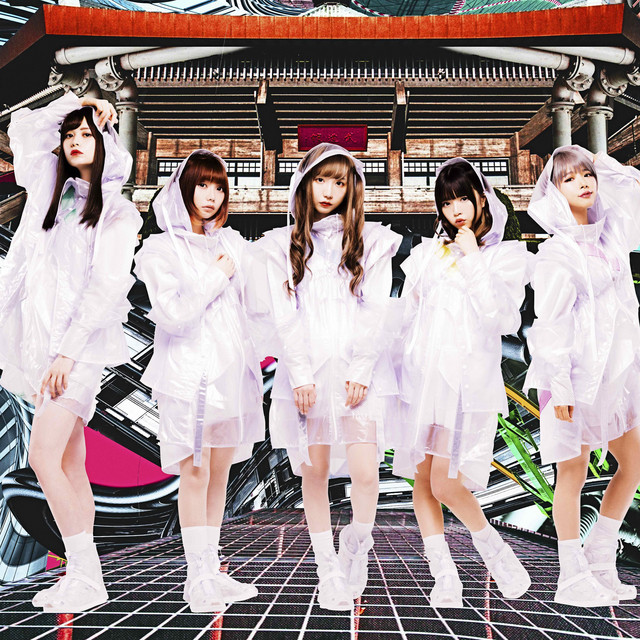
CY8ER
2018
·
1 album
Listen
2
/5
Genres
Kawaii Future Bass
Kawaii future bass is a Japanese-born microgenre that blends the sidechained, chord-heavy drops of future bass with the cheery melodies, cute sound design, and pop sensibilities of J-pop, anime music, and game-inspired chiptune. It typically features bright supersaw stacks, bell and mallet plucks, high-pitched vocal chops (often from Vocaloid or J-pop/utaite sources), and sugary melodies in major or Lydian modes. Drums follow a half-time trap groove with crisp snares on beat three, while heavy sidechain compression creates a buoyant, bouncy feel. The aesthetic emphasizes “kawaii” (cute) culture—pastel tones, playful samples, and whimsical ear-candy—resulting in upbeat, feel-good tracks that are as much about personality and texture as they are about harmony and rhythm.
Discover
Listen
Future Bass
Future bass is a melodic, drop-focused style of electronic dance music built around lush, detuned saw-tooth chords, dramatic swells, and emotive, pop- and R&B-leaning progressions. It typically runs at 70–90 BPM (or 140–180 BPM in double-time), uses trap-inspired drums (808 kicks, crisp snares on the third beat, syncopated hi-hats), and features heavy sidechain compression for a breathing, "pumping" feel. Producers often layer shimmering supersaws, pitch-automated leads, and chopped/pitched vocal snippets to create euphoric, weightless drops that contrast with airy verses and cinematic builds. A hallmark is its glossy, future-leaning sound design—gliding chords, LFO modulation, wide stereo images—paired with catchy, sentimental melodies that make it equally club-ready and radio-friendly.
Discover
Listen
Edm
EDM (Electronic Dance Music) refers to the mainstream, festival-oriented wave of electronic dance styles that rose to global prominence in the early 2010s. It emphasizes high-energy drops, ear-catching toplines, and crowd-pleasing arrangements designed for large stages and mass audiences. Musically, EDM typically sits around 124–130 BPM with a strong four-on-the-floor kick, wide supersaw leads, bright plucks, and heavily sidechained pads and basses for a pumping feel. Tracks are structured around tension-and-release: intros and builds lead to explosive drops, followed by breakdowns that rebuild energy. Vocals and pop-style songwriting frequently appear, enabling crossover success on radio and streaming platforms.
Discover
Listen
Kawaii Edm
Kawaii EDM is a Japanese-born microgenre of electronic dance music that blends bright, "cute" pop aesthetics with modern club production. It emphasizes sparkling timbres, buoyant melodies, and animated sound design (glissando "chirps," toy-like mallets, chip-bleeps, and airy vocal chops) while keeping EDM’s sidechained punch and dance-floor momentum. Stylistically, it sits at the intersection of J‑pop songwriting and future-bass/EDM frameworks: major or Lydian-leaning harmonies, jazzy 7ths/9ths, catchy hooks, and half‑time drops with supersaw stacks or bell/pluck arpeggios. Visually and culturally, it is inseparable from anime, doujin/otaku culture, and internet netlabel communities, pairing sugar‑rush optimism with a polished, hyper-detailed mix.
Discover
Listen
Moombahcore
Moombahcore is a heavy, mid‑tempo offshoot of moombahton that fuses reggaeton’s dembow groove with the sound‑design and impact of dubstep and electro house. Typically set around 100–115 BPM (with 108–110 BPM common), it features syncopated dembow drums, massive wobble/growl basses, hard electro leads, and festival‑style builds and drops. Compared to standard moombahton, moombahcore is darker, more aggressive, and more sound‑design‑driven, yet it retains the swaying, dance‑forward pulse of Latin and dancehall rhythms. Producers often employ complex bass resampling, heavy distortion and saturation, sharp snare accents on the 3, and percussive fills drawn from reggaeton and dancehall, making the genre ideal for high‑energy club and festival contexts.
Discover
Listen
Proto-Hyperpop
Proto-hyperpop is a retrospective label for the cluster of internet-born pop experiments in the early-to-mid 2010s that foreshadowed what would later be called “hyperpop.” It fused candy-coated melodies and pitched-up vocals with maximalist sound design, glossy synthetic timbres, and playful, self-aware pop tropes. Rather than being a single scene, proto-hyperpop emerged across YouTube nightcore edits, early PC Music releases, and adjacent electronic and indie-pop circles. It drew heavily from Eurodance and trance hooks, J-pop and Vocaloid aesthetics, chiptune brightness, and the irreverent futurism of experimental pop and deconstructed club, while keeping an addictive, radio-ready sense of melody.
Discover
Listen
Alternative Idol
Alternative idol (often shortened to alt-idol) is a Japanese offshoot of the idol scene that fuses conventional pop-idol vocal formats and choreography with underground and left-field music aesthetics. Instead of polished, uniformly cheerful arrangements, alternative idol projects lean into punk, post-punk, noise, metal, industrial, and experimental electronics, often embracing darker themes, abrasive timbres, and performance-art sensibilities. The result preserves the immediacy, hooks, and audience participation of idols while introducing unpredictable song structures, heavier guitars, club-ready drops, screams or harsh vocals, and conceptual imagery. Visually and lyrically, alt‑idol cultivates a self-aware, sometimes subversive response to mainstream idol culture—playing with vulnerability, catharsis, and satire—yet still prioritizing big choruses, chantable hooks, and high-energy live shows.
Discover
Listen
Neurohop
Neurohop is a bass music subgenre that fuses the intricate, high-tech sound design and tense atmospheres of neurofunk with the swagger, swing, and groove of hip hop and glitch-hop tempos. Typically sitting around 90–115 BPM (often felt as halftime), it emphasizes surgically sculpted mid-bass lines, resampled textures, and precision drum programming. The result is music that is simultaneously head‑nodding and highly technical, pairing hip hop’s rhythmic feel with the detailed modulation, movement, and spectral complexity associated with modern drum and bass and dubstep.
Discover
Listen
J-Pop
J-pop (Japanese pop) is a broad umbrella for mainstream Japanese popular music that blends Western pop/rock, dance, and R&B with distinctly Japanese songwriting, vocal delivery, and industry practices. It is characterized by strong hooks, polished production, bright synths and guitars, frequent key changes and modulatory bridges, and chorus-first or chorus-centric structures. J-pop spans idol groups, singer-songwriters, band-oriented pop-rock, electronic dance-pop, and R&B ballads, while remaining closely tied to television, advertising, video games, and anime tie-ins (anisong).
Discover
Listen
Electro
Electro is an early 1980s machine-funk style built around drum machines (especially the Roland TR-808), sequenced basslines, and a futuristic, robotic aesthetic. It emphasizes syncopated rhythms, sparse arrangements, and timbres drawn from analog and early digital synthesizers. Vocals, when present, are often delivered via vocoder or rap-style chants, reinforcing a sci‑fi, cyborg persona. Electro’s grooves powered breakdance culture, and its sonic palette—crisp 808 kicks, snappy snares, dry claps, cowbells, and squelchy bass—became foundational to later techno and bass music.
Discover
Listen
Electropop
Electropop is a branch of pop music that foregrounds electronic instruments—especially synthesizers, drum machines, and sequencers—to deliver catchy, hook-driven songs. It preserves the verse–pre-chorus–chorus architecture and melodic immediacy of pop while replacing most traditional band instrumentation with programmed rhythms, synthetic bass lines, and glossy textures. The style emphasizes earworm toplines, precise rhythmic grids, and tightly produced arrangements that often highlight contrast between minimal, punchy verses and expansive, anthemic choruses. Timbres range from warm analog pads and arpeggiators reminiscent of the late 1970s/early 1980s to ultra-modern, hyper-detailed sound design, making electropop both retro-leaning and future-facing depending on the artist.
Discover
Listen
Girl Group
Girl group is a pop- and R&B-rooted vocal group tradition defined by all-female ensembles whose songs emphasize memorable hooks, close harmonies, and teen-focused narratives about love, longing, friendship, and empowerment. Although female vocal groups existed earlier, the term “girl group” most strongly denotes the early‑to‑mid‑1960s era shaped by the Brill Building writing teams, Motown’s artist-development system, and producers such as Phil Spector. Canonical records combine doo‑wop harmony language, gospel-inflected lead vocals, and sparkling pop arrangements with handclaps, tambourine, string sweetening, and the “Wall of Sound.” Across subsequent decades the template evolved—from 1970s soul and disco through 1990s contemporary R&B and 2000s–2020s global idol scenes—while retaining core hallmarks: tightly blended vocals, catchy chorus-first songwriting, and a strong visual identity with coordinated fashion and choreography.
Discover
Listen
Pop
Pop is a broad, hook-driven style of popular music designed for wide appeal. It emphasizes memorable melodies, concise song structures, polished vocals, and production intended for radio, charts, and mass media. While pop continually absorbs elements from other styles, its core remains singable choruses, accessible harmonies, and rhythmic clarity. Typical forms include verse–pre-chorus–chorus, frequent use of bridges and middle-eights, and ear-catching intros and outros. Pop is not defined by a single instrumentation. It flexibly incorporates acoustic and electric instruments, drum machines, synthesizers, and increasingly digital production techniques, always in service of the song and the hook.
Discover
Listen
Electronic
Electronic is a broad umbrella genre defined by the primary use of electronically generated or electronically processed sound. It encompasses music made with synthesizers, drum machines, samplers, computers, and studio/tape techniques, as well as electroacoustic manipulation of recorded or synthetic sources. The genre ranges from academic and experimental traditions to popular and dance-oriented forms. While its sonic palette is rooted in electricity and circuitry, its aesthetics span minimal and textural explorations, structured song forms, and beat-driven club permutations. Electronic emphasizes sound design, timbre, and studio-as-instrument practices as much as melody and harmony.
Discover
Listen
Show all 14 genres
Albums
2018
2
/5
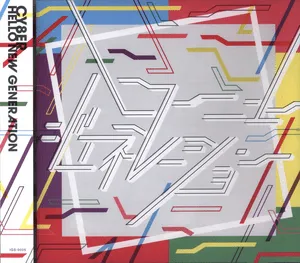
Hello New Generation ハローニュージェネレーション
CY8ER
Kawaii Future Bass
Future Bass
Electro
Similar artists
3
/5
Yunomi
Future Bass
Kawaii Future Bass
Anime
2
/5
ichigorinahamu
Future Bass
Kawaii Future Bass
Electro
2
/5
fusq
Kawaii Future Bass
Electronic
Future Bass
2
/5
Neko Hacker
Future Bass
Kawaii Future Bass
J-Dance
2
/5
Tenkitsune
Kawaii Future Bass
Future Bass
Gamecore
2
/5
23.exe
Kawaii Future Bass
Chillout
Electronic
3
/5
Moe Shop
Future Bass
J-Dance
Kawaii Future Bass
3
/5
Snail's House
Kawaii Future Bass
Future Bass
Downtempo
3
/5
Such
Kawaii Future Bass
Experimental Indie
Future Bass
2
/5
dark cat
Future Bass
Kawaii Future Bass
J-Dance
Download our mobile app
Get the Melodigging app and start digging for new genres on the go
Download on the App Store
Get it on Google Play
© 2026 Melodigging
Give feedback
Legal
Melodding was created as a tribute to
Every Noise at Once
, which inspired us to help curious minds keep digging into music's ever-evolving genres.