Genres
Artists
Albums
Make Music
Sign in
Sign in
Artists
Fuji
Artists
Fuji
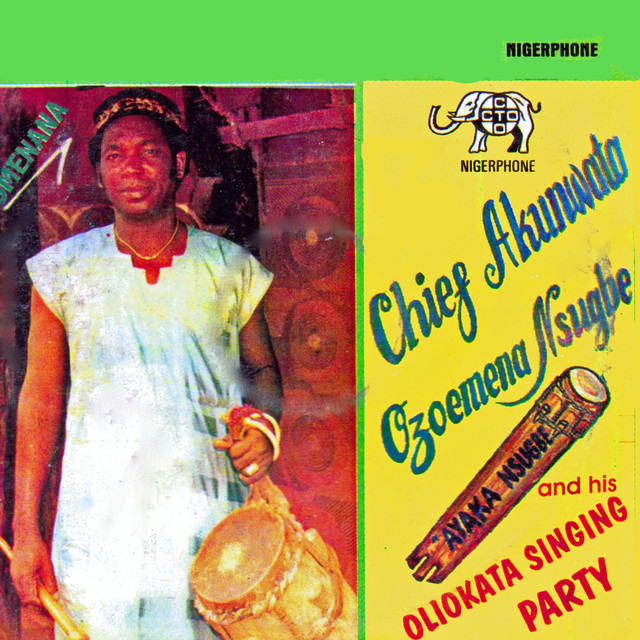
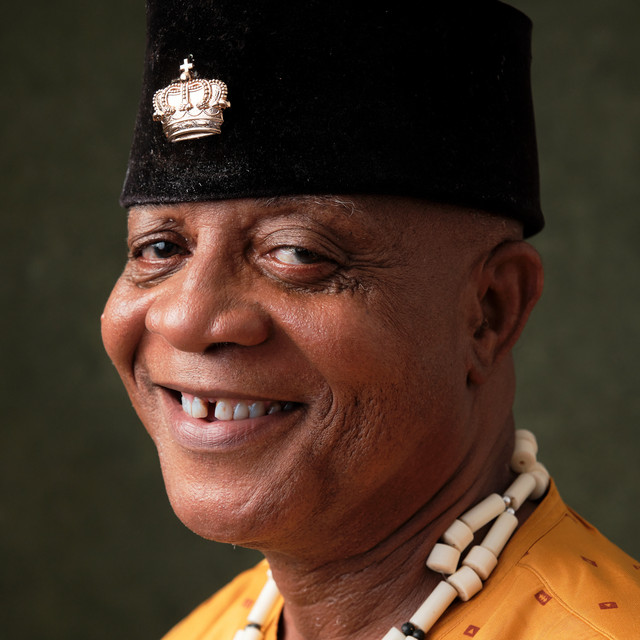
Chief Akunwata Ozoemena Nsugbe & His Oliokata Singing Party
Listen
1
/5
Genres
Fuji
Fuji is a percussion‑driven popular music from southwestern Nigeria that grew out of Muslim wake‑up (wèrè/ajisari) songs performed during Ramadan. It blends the call‑and‑response vocals and praise‑singing tradition of Yoruba culture with dense drum ensembles, hand percussion, and later, modern band instruments. Characterized by rolling polyrhythms, insistent grooves, and melismatic lead vocals, fuji emphasizes rhythm and vocal interplay more than complex harmony. Since the 1980s it has absorbed elements of jùjú, highlife, and contemporary urban pop, producing both traditional street‑party variants and sleek, band‑backed concert styles.
Discover
Listen
Traditional Music
Traditional music is an umbrella term used in the mid–20th century by folklorists and ethnomusicologists to denote community-rooted, orally transmitted repertoires tied to social ritual, work, celebration, and storytelling. Unlike commercial pop or art-music traditions, traditional music is typically learned by ear, varies regionally, and evolves slowly through communal participation. It often features modal melodies, cyclic rhythms, heterophony or unison singing, and indigenous instruments whose timbres are integral to local identity. Lyrics tend to preserve language, history, and collective memory. While the musical practices themselves can be ancient, the phrase “traditional music” emerged to replace earlier, narrower or colonial framings like “folk” or “ethnic” music, foregrounding continuity, locality, and living practice rather than exoticism.
Discover
Listen
Highlife
Highlife is a popular music genre from Ghana that blends indigenous rhythmic cycles and song forms with Western instrumentation and harmonies. It is instantly recognizable by its bright, interlocking guitar lines (often played with a two‑finger plucking technique), buoyant polyrhythms, call‑and‑response vocals, and jazzy horn riffs. Early dance‑band highlife favored brass and woodwinds (trumpet, saxophone, trombone) and big‑band arrangements, while guitar‑band highlife drew from palm‑wine guitar styles with lighter, lilted grooves. Across its variants, the music typically sits in major or mixolydian tonalities and uses dominant 7th/9th chord colors. From its coastal roots in the late 19th and early 20th centuries to post‑independence urban dance halls, highlife has continually evolved, later embracing electric guitars, synthesizers, and drum machines—yielding contemporary uptempo, synth‑driven forms that still retain the genre’s danceable feel.
Discover
Listen
Similar artists
3
/5
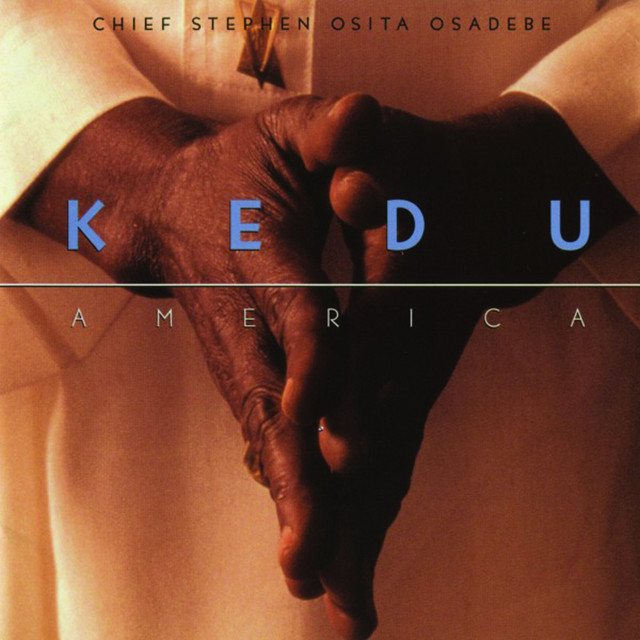
Chief Stephen Osita Osadebe
Traditional Music
Fuji
Highlife
3
/5
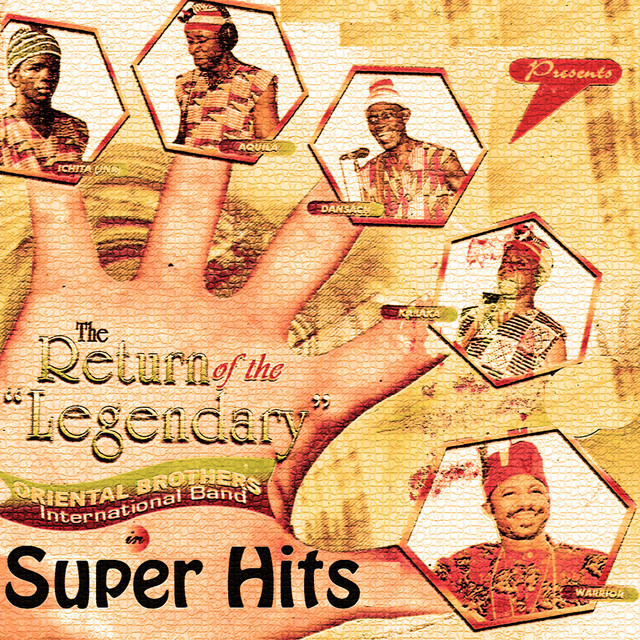
Oriental Brothers International Band
Fuji
Highlife
Traditional Music
2
/5
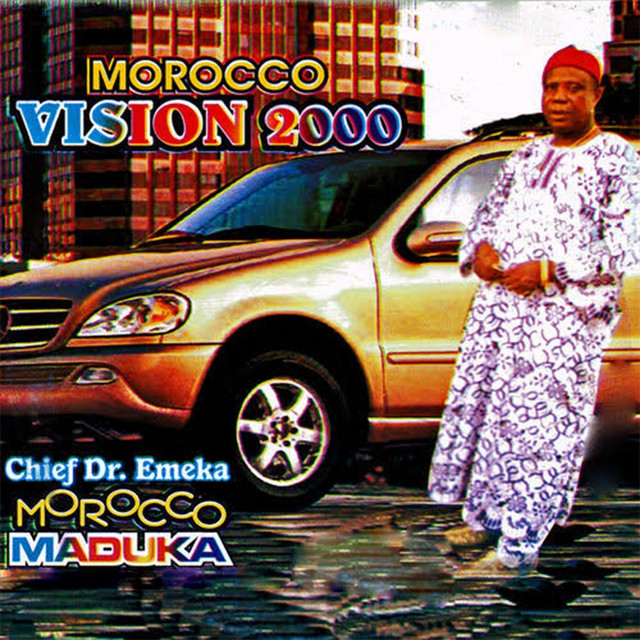
Chief Dr. Emeka Morocco Maduka
Fuji
Highlife
Traditional Music
2
/5
Bright Chimezie
Fuji
Highlife
Traditional Music
2
/5
Emperor Teddy Obinna
Fuji
Highlife
Hiplife
2
/5
Ozoemena Nsugbe
Fuji
Highlife
Traditional Music
3
/5
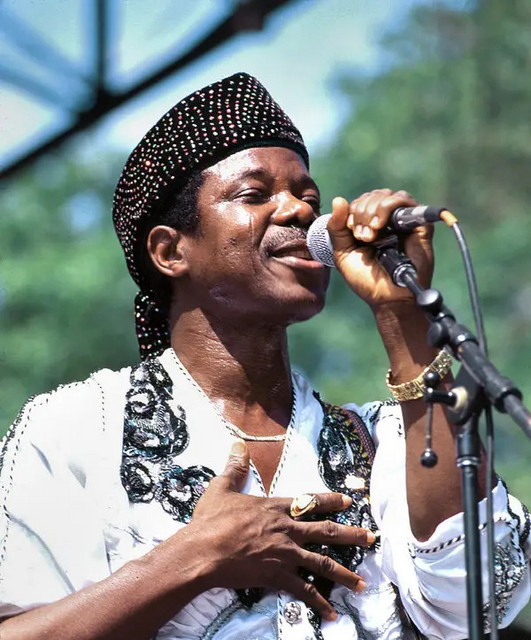
King Sunny Ade
Jùjú
Griot
Yoruba Music
3
/5
K1 De Ultimate
Fuji
Highlife
3
/5
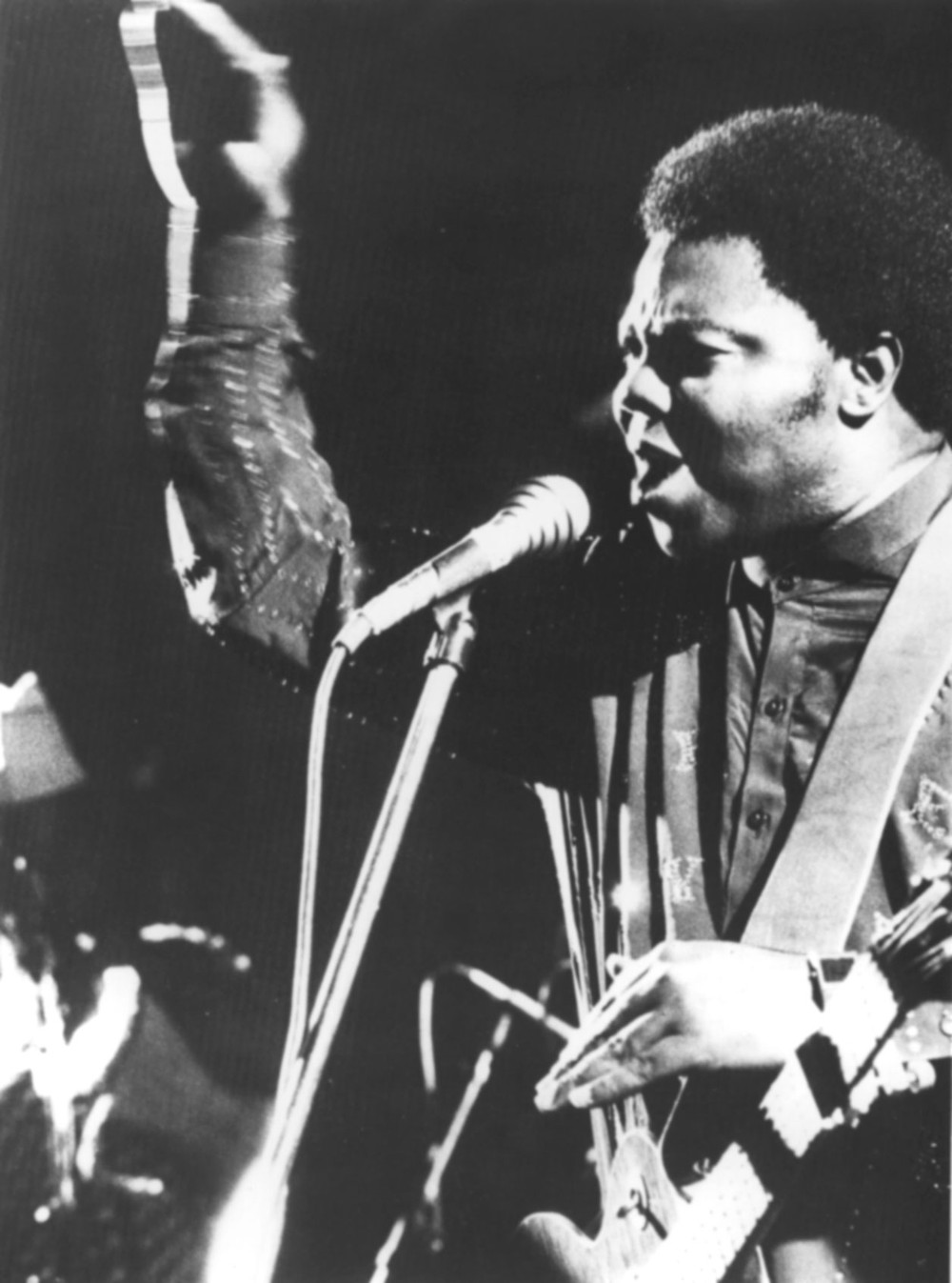
Chief Commander Ebenezer Obey
Afropop
Fuji
Highlife
3
/5
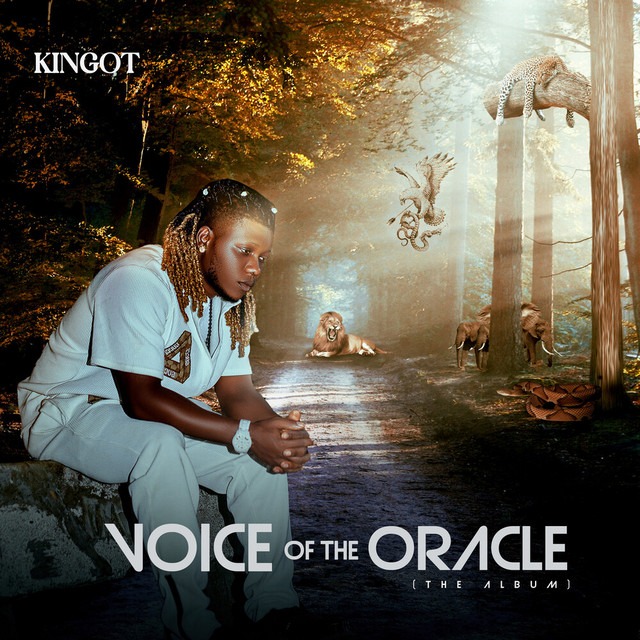
King OT
Fuji
Highlife
Nigerian Drill
Download our mobile app
Get the Melodigging app and start digging for new genres on the go
Download on the App Store
Get it on Google Play
© 2026 Melodigging
Give feedback
Legal
Melodding was created as a tribute to
Every Noise at Once
, which inspired us to help curious minds keep digging into music's ever-evolving genres.