Genres
Artists
Albums
Make Music
Sign in
Sign in
Artists
Big Band
Artists
Big Band
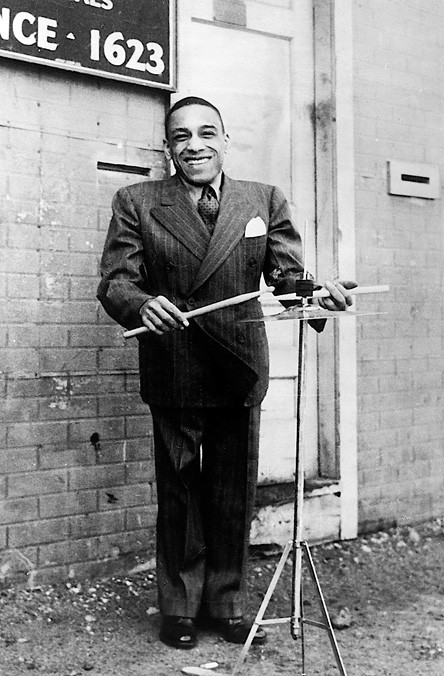
Chick Webb
Listen
3
/5
Genres
Gamecore
Gamecore is an internet-native electronic microgenre that fuses the timbres, melodies, and narrative tropes of classic and modern video game music with contemporary EDM songcraft. Its palette leans heavily on chiptune waveforms (square, triangle, noise), retro console/arcade sound effects, and leitmotif-style hooks, but frames them within club-forward rhythms and sound design drawn from electro house, future bass, glitch hop, dubstep, and drum & bass. The result is a bright, kinetic, and often nostalgic sound that feels like a “boss battle” drop or a euphoric level clear. Scenes and labels tied to VGM remix culture, doujin circles, and demoscene aesthetics helped codify the style, while streamers, esports content, and indie game culture amplified its reach.
Discover
Listen
Swing
Swing is a jazz style centered on a buoyant, danceable groove created by a walking bass, four-to-the-bar rhythm guitar, a backbeat emphasis on 2 and 4, and a lilted “swung” eighth-note feel. Typically performed by big bands (saxes, trumpets, trombones, and a rhythm section) as well as small combos, it balances written arrangements with improvised solos. Hallmarks include call-and-response between horn sections, riff-based melodies, shout choruses that build intensity near the end of an arrangement, and rich sectional voicings grounded in blues language and ii–V–I harmonic motion. Tempos range from medium to brisk, serving social dances like the Lindy Hop and Jitterbug. Swing’s expressive phrasing, dance-floor focus, and sophisticated arranging made it the dominant popular music of the late 1930s and early 1940s.
Discover
Listen
Big Band
Big band is a large-ensemble style of jazz and popular dance music built around brass, reed, and rhythm sections playing arranged parts. Typical instrumentation includes five saxophones (often doubling clarinet/flute), four trombones, four trumpets, and a rhythm section of piano, guitar, upright bass, and drum set. The music emphasizes swing rhythms, call-and-response between sections, riff-based writing, and dramatic shout choruses, while leaving space for improvised solos. Born in American ballrooms and theaters, big band became the sound of the Swing Era, providing both music for dancing and a platform for sophisticated arranging and orchestration that shaped much of 20th‑century jazz and popular music.
Discover
Listen
Harlem Renaissance
The Harlem Renaissance, as a musical movement within a broader cultural flowering, crystallized in 1920s Harlem, New York City. It brought together jazz, blues, spirituals, popular song, and theatre music into a vibrant urban sound shaped by Black bandleaders, composers, singers, and pianists. Musically, it fused blues feeling with sophisticated arranging, stride-piano virtuosity, urbane songwriting, and dance-band propulsion. Call-and-response writing, riff-based textures, and blues-inflected melodies met polished Tin Pan Alley craft. The scene thrived in ballrooms and nightclubs like the Cotton Club and the Savoy, on Broadway stages, and at “rent parties,” where stride pianists drove social dancing and innovation. Beyond entertainment, Harlem Renaissance music signaled modern Black identity and artistry, catalyzing the transition from early New Orleans/Dixieland styles to the big-band swing era and laying cultural groundwork that later enabled bebop and modern jazz.
Discover
Listen
Jazz Blues
Jazz blues is a hybrid idiom that merges the expressive, melodic language and 12‑bar song forms of the blues with the harmony, improvisational vocabulary, and rhythmic feel of jazz. Typically, it retains a blues structure (often the 12‑bar form) while enriching it with jazz devices such as ii–V progressions, secondary dominants, turnarounds, tritone substitutions, and extended chords (9ths, 11ths, 13ths). The feel commonly swings, with walking bass lines, comping on piano or guitar, blue notes, call‑and‑response phrasing, and solos that mix blues scales with mixolydian and bebop lines. The result ranges from earthy shuffles to urbane, harmonically sophisticated vehicles for improvisation, sitting comfortably between New Orleans roots, Kansas City riff traditions, and modern bop language.
Discover
Listen
Dixieland
Dixieland is one of the earliest forms of jazz, crystallizing in New Orleans in the 1910s and spreading to Chicago and New York in the 1920s. It is characterized by collective improvisation, where the front line—trumpet or cornet carrying the melody, clarinet weaving countermelodies, and trombone providing "tailgate" harmonies and slides—creates a lively polyphonic texture over a buoyant two-beat feel. Its rhythm section often features banjo or piano, tuba or string bass, and drums playing parade-derived press rolls and stop-time figures. Harmonically it draws on functional tonality (I–IV–V with frequent secondary dominants), and structurally it favors 12-bar blues, 16-bar strains from ragtime, and 32-bar AABA song forms. Repertoire includes marches, blues, spirituals, popular songs, and Creole dances, rendered with a brassy, celebratory sound that evokes the New Orleans brass band tradition.
Discover
Listen
Jazz
Jazz is an improvisation-centered music tradition that emerged from African American communities in the early 20th century. It blends blues feeling, ragtime syncopation, European harmonic practice, and brass band instrumentation into a flexible, conversational art. Defining features include swing rhythm (a triplet-based pulse), call-and-response phrasing, blue notes, and extended harmonies built on 7ths, 9ths, 11ths, and 13ths. Jazz is as much a way of making music—spontaneous interaction, variation, and personal sound—as it is a set of forms and tunes. Across its history, jazz has continually hybridized, from New Orleans ensembles and big-band swing to bebop, cool and hard bop, modal and free jazz, fusion, and contemporary cross-genre experiments. Its influence permeates global popular and art music.
Discover
Listen
Show all 7 genres
Similar artists
4
/5
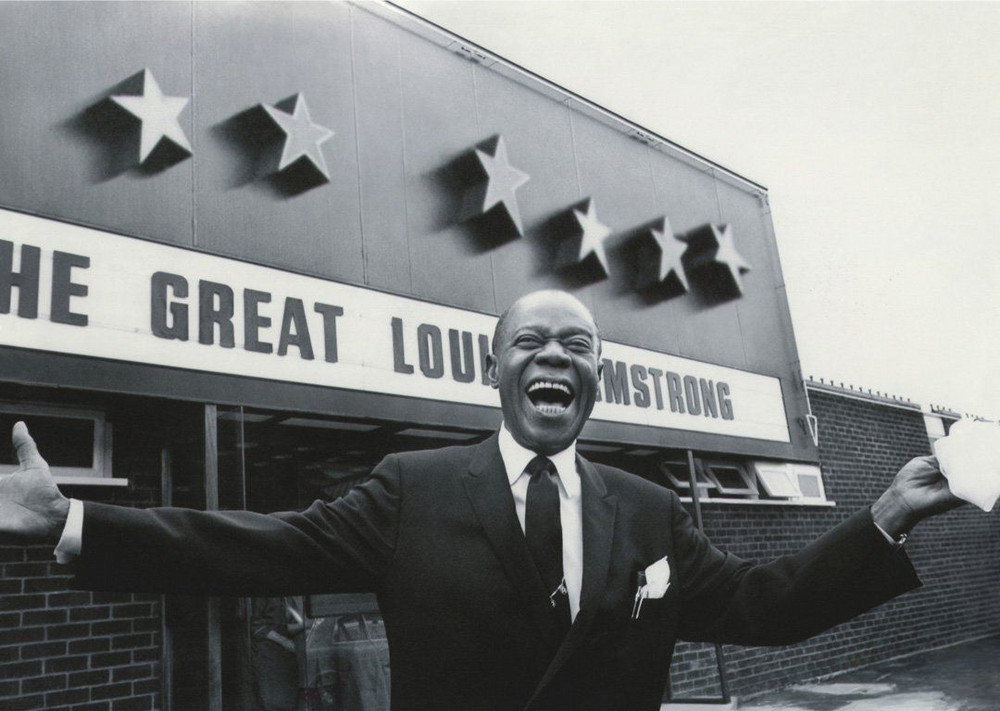
Louis Armstrong
Dixieland
Harlem Renaissance
Jazz Trumpet
4
/5
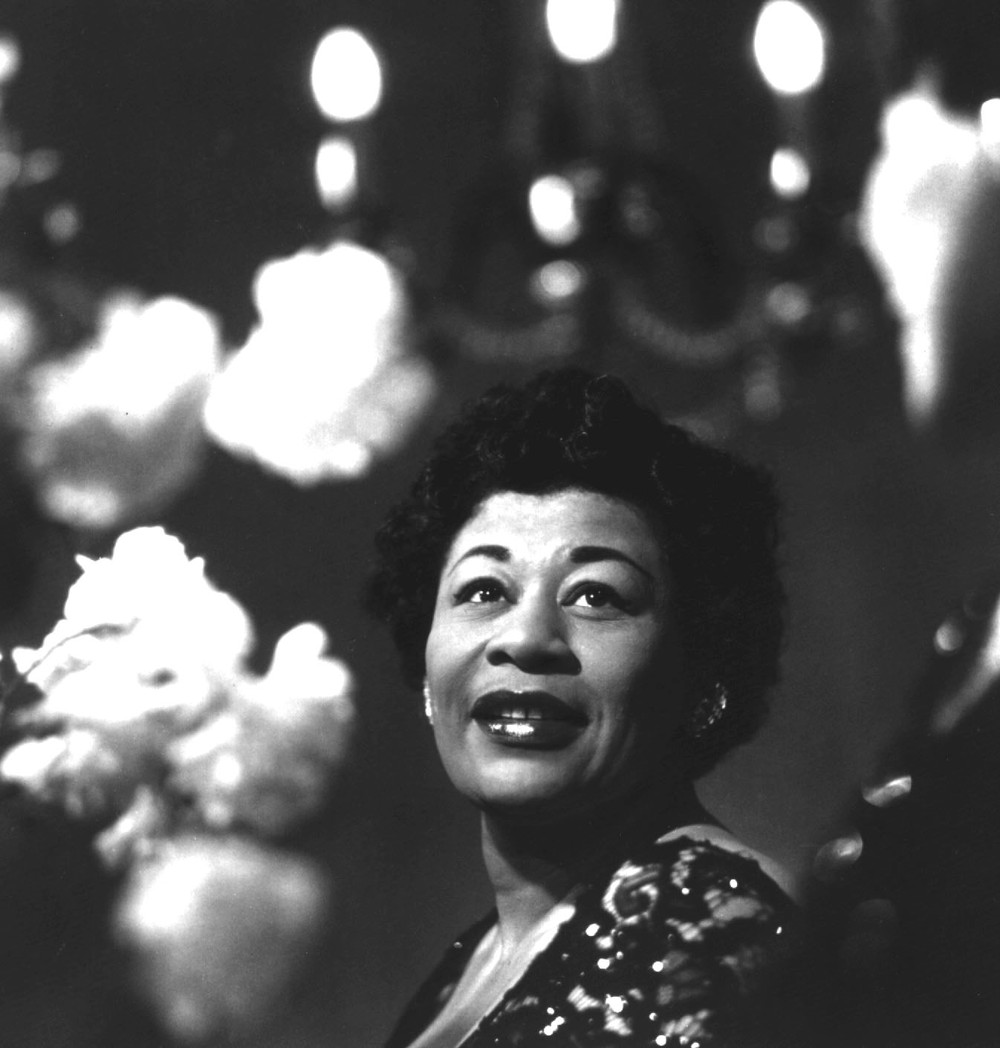
Ella Fitzgerald
Vocal Jazz
Swing
Standards
1
/5
Various Artists
Afro-Funk
Alternative Rock
Ambient
4
/5
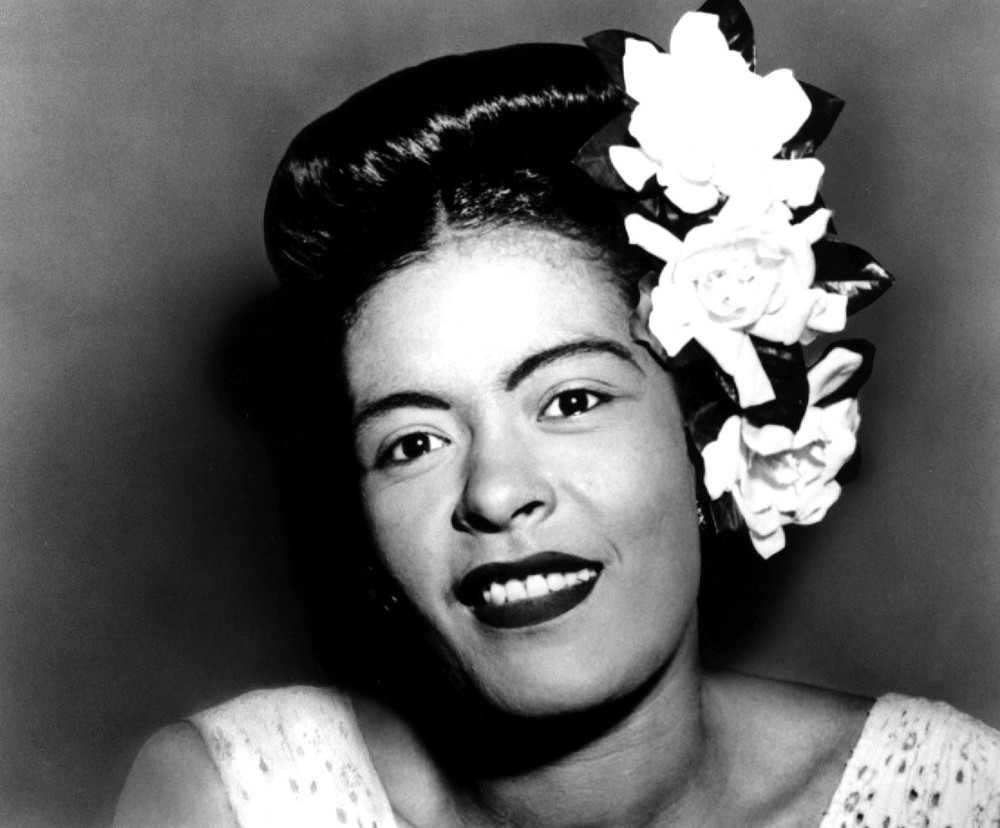
Billie Holiday
Harlem Renaissance
Jazz
Swing
3
/5
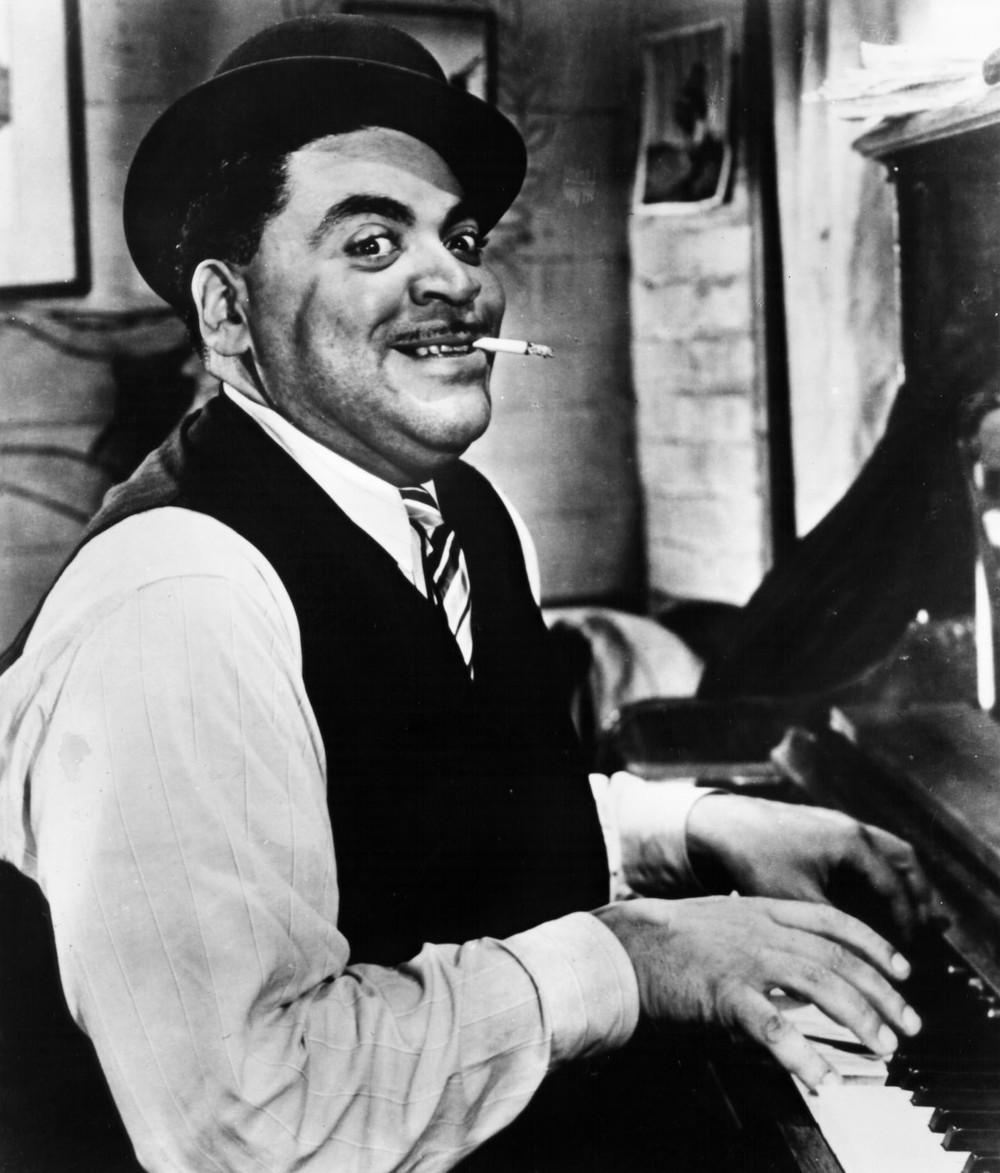
Fats Waller
Stride
Ragtime
Big Band
3
/5
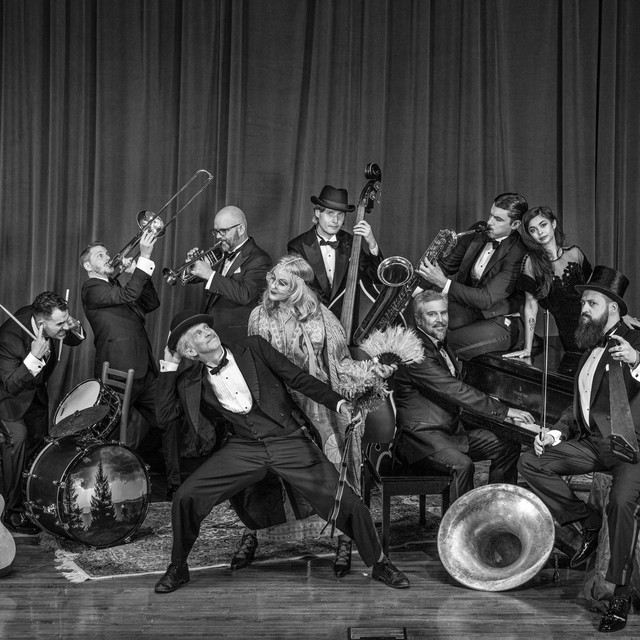
Squirrel Nut Zippers
Swing
Swing Revival
Dixieland
2
/5
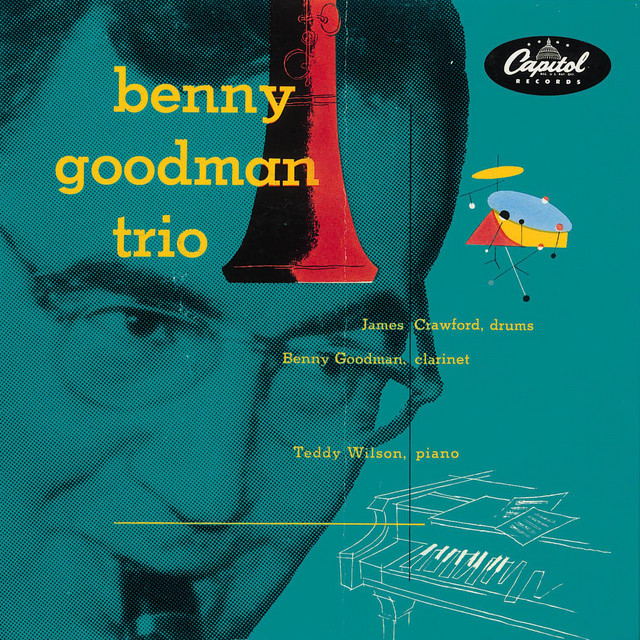
Benny Goodman Trio
Dixieland
Big Band
Jazz
2
/5
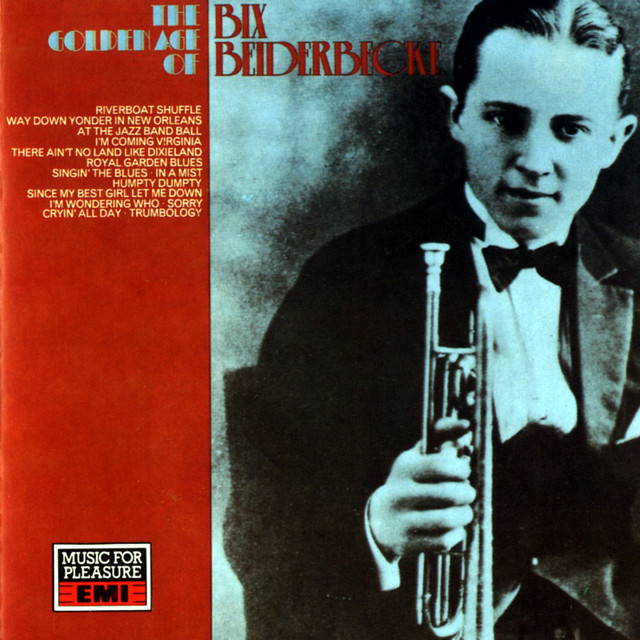
Bix Beiderbecke
Ragtime
Swing
Big Band
2
/5
Louis Armstrong And The All-Stars
Jazz
Swing
Dixieland
2
/5
Fletcher Henderson
Big Band
Dixieland
Jazz
Download our mobile app
Get the Melodigging app and start digging for new genres on the go
Download on the App Store
Get it on Google Play
© 2026 Melodigging
Give feedback
Legal
Melodding was created as a tribute to
Every Noise at Once
, which inspired us to help curious minds keep digging into music's ever-evolving genres.