Genres
Artists
Albums
Make Music
Sign in
Sign in
Artists
Cello Ensemble
Artists
Cello Ensemble
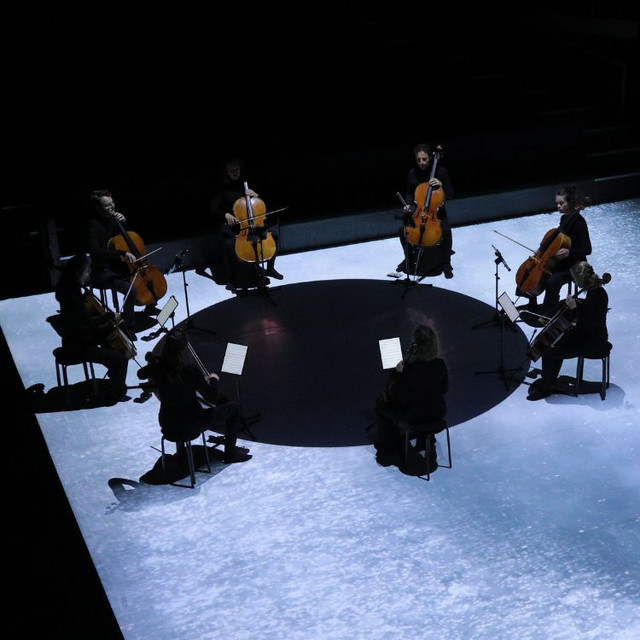
Cello Octet Amsterdam
2015–2021
·
2 albums
Listen
2
/5
Genres
Minimalism
Minimalism is a style of Western art music that emerged in the United States during the 1960s, characterized by the use of very limited musical materials, steady pulse, and extensive repetition. Composers often build pieces from short cells or motifs that are repeated and slowly transformed through additive or subtractive processes, phase shifting, and gradual changes in harmony, texture, or register. Harmony is typically consonant (often modal or diatonic), though just intonation and extended drones are also common. The result is music that foregrounds process, clarity, audibility of structure, and a hypnotic sense of stasis and flow. Typical ensembles include keyboards, mallet percussion, strings, winds, voices, and electronics or tape. Minimalism influenced a wide array of later styles, from ambient and new age to post-minimalism and minimal techno.
Discover
Listen
Cello Ensemble
Cello ensemble refers to repertoire and performing groups written for multiple cellos (typically 4–12, and sometimes far more), treating the cello section as a self‑sufficient choir with soprano‑to‑bass roles covered by the instrument’s wide register. The sound palette spans organ‑like chorales, cantabile melodies in tenor/treble clefs, and percussive, guitar‑like textures when using extended techniques. The idiom coalesced in the early 20th century with Julius Klengel’s Hymnus for 12 cellos (Op. 57), then grew through works such as Villa‑Lobos’s Bachianas Brasileiras Nos. 1 and 5 for at least eight cellos. A major public face of the genre since the 1970s has been dedicated cello‑choir ensembles (e.g., the Twelve Cellists of the Berlin Philharmonic), alongside contemporary octets and crossover groups that commission new music and arrange everything from Baroque to pop and metal.
Discover
Listen
Neoclassicism
Neoclassicism in music is a 20th‑century movement that revived forms, genres, and aesthetics from the Baroque and Classical eras, but reframed them with modern harmony, rhythm, and orchestration. It emphasizes clarity, balance, objectivity, and contrapuntal craft, often rejecting late‑Romantic excess while retaining a tonal or modal center enriched by dissonance, bitonality, and crisp rhythmic drive. Typical hallmarks include neobaroque dance suites, neoclassical sonatas and concerti, chamber‑oriented scoring, clean textures, and a dry, anti‑rhetorical performance style.
Discover
Listen
Albums
2021
Michael Gordon: 8
Michael Gordon, Cello Octet Amsterdam
Cello Ensemble
2015
TR8CKS
Cello Octet Amsterdam
Cello Ensemble
Similar artists
4
/5
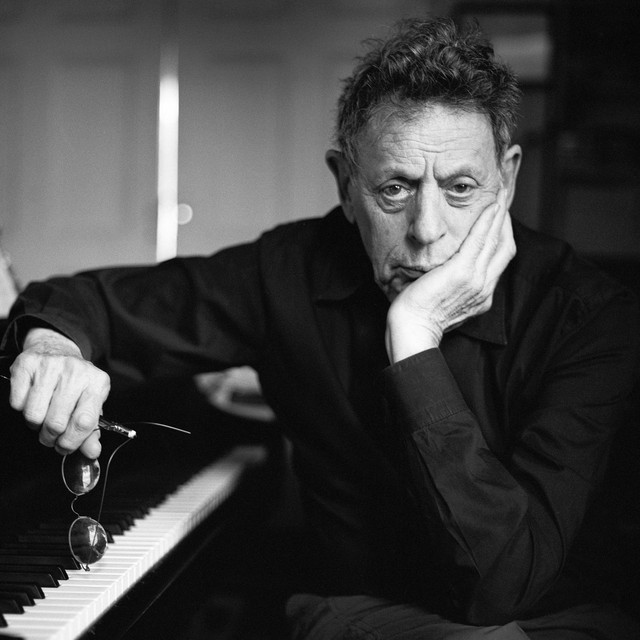
Philip Glass
Classical
Minimalism
Modern Classical
4
/5
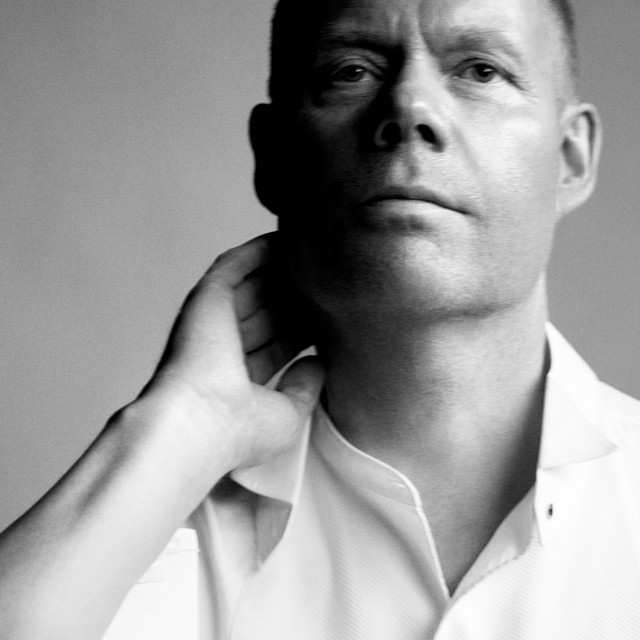
Max Richter
Post-Minimalism
Classical
Contemporary Classical
4
/5
Ólafur Arnalds
Contemporary Classical
Minimalism
Compositional Ambient
4
/5
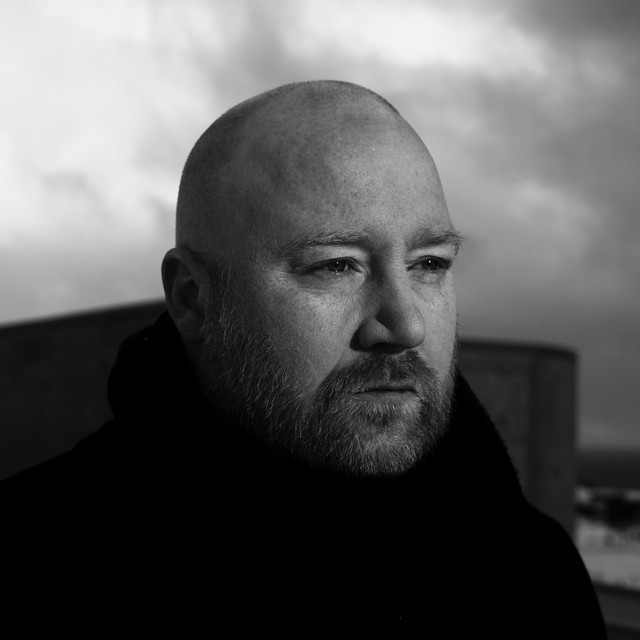
Jóhann Jóhannsson
Contemporary Classical
Minimalism
Score
4
/5
Nils Frahm
Minimalism
Contemporary Classical
Modern Classical
4
/5
Hania Rani
Contemporary Classical
Minimalism
Neo-Classical
3
/5
Natalia Bonner
Contemporary Classical
Minimalism
Neoclassicism
3
/5
Clarice Jensen
Ambient
Drone
Minimalism
3
/5
Ben Russell
Ambient
Contemporary Classical
Minimalism
3
/5
Chad Lawson
Minimalism
Neoclassicism
New Age
Download our mobile app
Get the Melodigging app and start digging for new genres on the go
Download on the App Store
Get it on Google Play
© 2026 Melodigging
Give feedback
Legal
Melodding was created as a tribute to
Every Noise at Once
, which inspired us to help curious minds keep digging into music's ever-evolving genres.