Genres
Artists
Albums
Make Music
Sign in
Sign in
Artists
Malagueña Venezolana
Artists
Malagueña Venezolana
Cecilia Todd
1997–1999
·
3 albums
Listen
2
/5
Genres
Latin Folk
Latin folk is a broad umbrella for singer‑songwriter and ensemble music that draws on traditional folk forms from across Latin America while presenting them in contemporary, often acoustically driven arrangements. It emphasizes storytelling, social and poetic lyricism, and the timbres of regional instruments such as the guitar, charango, quena, zampoña, cuatro, and bombo legüero. Rhythmic cells are borrowed from pan‑regional traditions (chacarera, cueca, zamba, huayno, joropo, son, and others), yet songs are commonly shaped in accessible verse‑chorus structures. While its roots are centuries old, the modern genre coalesced during the mid‑20th‑century folk revival and the Nueva Canción movements, which linked ancestral sounds with contemporary concerns such as identity, justice, and cultural memory.
Discover
Listen
Nueva Trova
Nueva trova is a Cuban singer‑songwriter movement that emerged in the late 1960s, blending the poetic intimacy of the island’s older trova tradition with socially conscious, often revolutionary, lyrics. It is typically guitar‑led and intimate, but can expand to small ensembles with subtle jazz‑inflected harmonies, echoing the filin (feeling) style and the romanticism of bolero while drawing rhythmic color from Cuban son and guajira. While aesthetically close to the broader Latin American nueva canción, nueva trova is distinctly Cuban in its idiom, metaphorical language, and engagement with post‑1959 cultural life.
Discover
Listen
Traditional Music
Traditional music is an umbrella term used in the mid–20th century by folklorists and ethnomusicologists to denote community-rooted, orally transmitted repertoires tied to social ritual, work, celebration, and storytelling. Unlike commercial pop or art-music traditions, traditional music is typically learned by ear, varies regionally, and evolves slowly through communal participation. It often features modal melodies, cyclic rhythms, heterophony or unison singing, and indigenous instruments whose timbres are integral to local identity. Lyrics tend to preserve language, history, and collective memory. While the musical practices themselves can be ancient, the phrase “traditional music” emerged to replace earlier, narrower or colonial framings like “folk” or “ethnic” music, foregrounding continuity, locality, and living practice rather than exoticism.
Discover
Listen
Malagueña Venezolana
Malagueña venezolana is a traditional song form from eastern Venezuela (especially the states of Nueva Esparta, Sucre, and Anzoátegui) that descends from Iberian malagueñas and related Canarian song repertories. It is typically slow, expressive, and minor-key, with a waltz-like feel in 3/4 (often shading into sesquialtera against 6/8). Verses are commonly cast in décima espinela stanzas, inviting ornate vocal melismas and poetic imagery of love, longing, the sea, and daily life. Accompaniment usually features cuatro, guitar, bandola oriental, mandolin, and soft maracas. Strummed rasgueado patterns, brief instrumental falsetas, and Andalusian-cadence turns (i–VII–VI–V) are characteristic. The style is heard in serenades, community gatherings, and some devotional contexts, carrying a bittersweet, nostalgic tone.
Discover
Listen
Música Llanera
Música llanera is the folkloric music of the Orinoco plains (Llanos) of Venezuela and eastern Colombia. It is built around the distinctive joropo llanero dance-song tradition, featuring rapid, interlocking rhythms in a characteristic 3/4–6/8 sesquiáltera feel. Typical ensembles include arpa llanera (plains harp), cuatro (a small four‑string guitar), maracas, bandola llanera, and voice. The music ranges from high-energy, virtuosic "golpes" and the iconic pieces pajarillo, quirpa, and zumba que zumba, to the slower, lyrical "pasaje" numbers. Singing often uses improvised coplas and contrapunteo (sung duels), with lyrics celebrating cattle-driving life, rivers, horses, love, and the vast prairie landscape. Its timbre is defined by the bright, percussive arpa llanera arpeggios, the crisp, syncopated cuatro strumming (golpe llanero), and the maracas’ complex polyrhythms that glue the ensemble together while propelling dancers’ zapateo footwork.
Discover
Listen
Albums
1999
2
/5
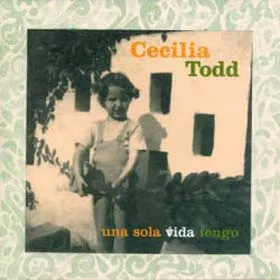
Una sola vida tengo
Cecilia Todd
Malagueña Venezolana
1997
1
/5
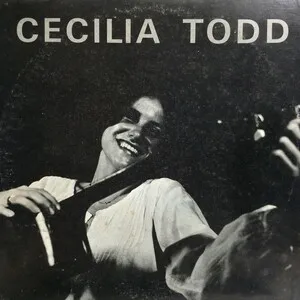
Pajarillo verde
Cecilia Todd
Malagueña Venezolana
Música Llanera
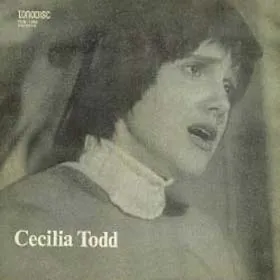
Cecilia Todd: Volumen 3
Cecilia Todd
Malagueña Venezolana
Similar artists
2
/5
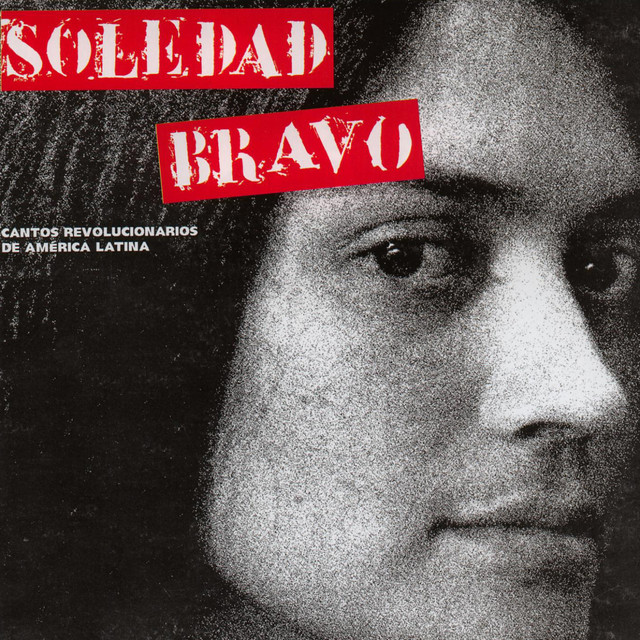
Soledad Bravo
Nueva Trova
Trova
Latin Folk
2
/5
Serenata Guayanesa
Malagueña Venezolana
Calypso
Traditional Music
4
/5
Silvio Rodríguez
Nueva Trova
Trova
Singer-Songwriter
4
/5
Jorge Drexler
Nueva Canción
Candombe
Nueva Trova
4
/5
Mercedes Sosa
Nueva Canción
Argentine Music
Nuevo Cancionero
3
/5
Los Jaivas
Rock Andino
Nueva Trova
Latin Folk
3
/5
Pablo Milanés
Nueva Trova
Trova
Nueva Canción
3
/5
Manuel García
Nueva Trova Chilena
Latin Folk
Latin Rock
3
/5
Illapu
Nueva Canción
Conjunto Andino
Chilean Music
3
/5
Marta Gómez
Nueva Trova
Trova
Latin Folk
Download our mobile app
Get the Melodigging app and start digging for new genres on the go
Download on the App Store
Get it on Google Play
© 2026 Melodigging
Give feedback
Legal
Melodding was created as a tribute to
Every Noise at Once
, which inspired us to help curious minds keep digging into music's ever-evolving genres.