Genres
Artists
Albums
Make Music
Sign in
Sign in
Artists
Choral
Artists
Choral
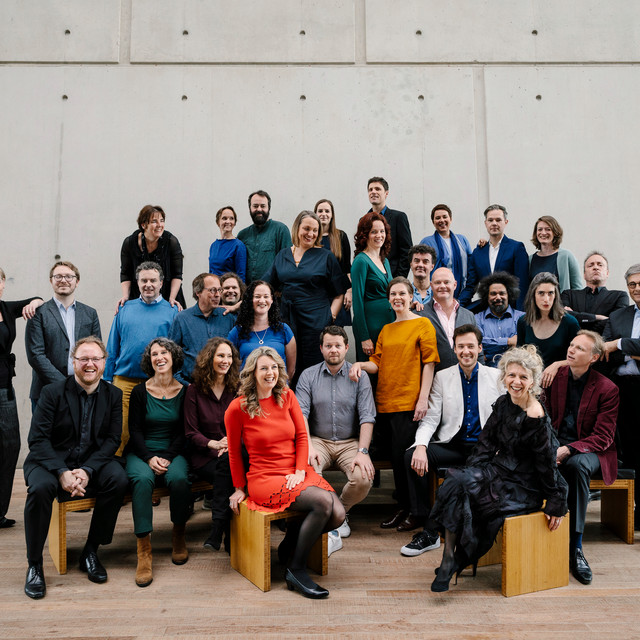
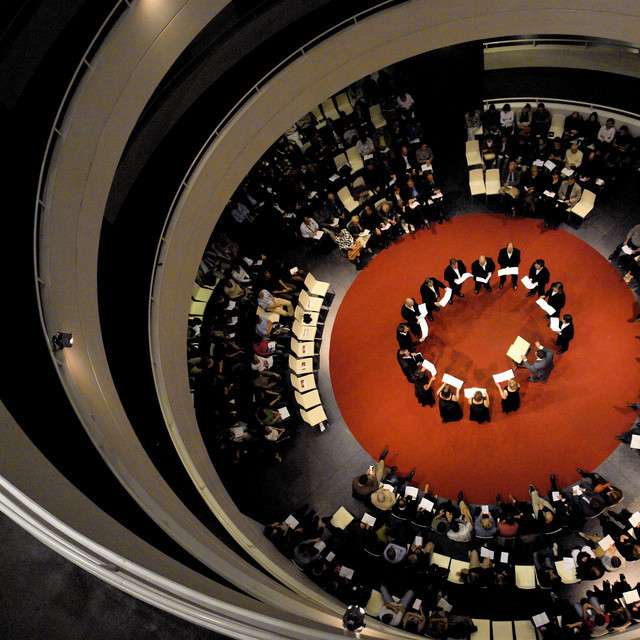
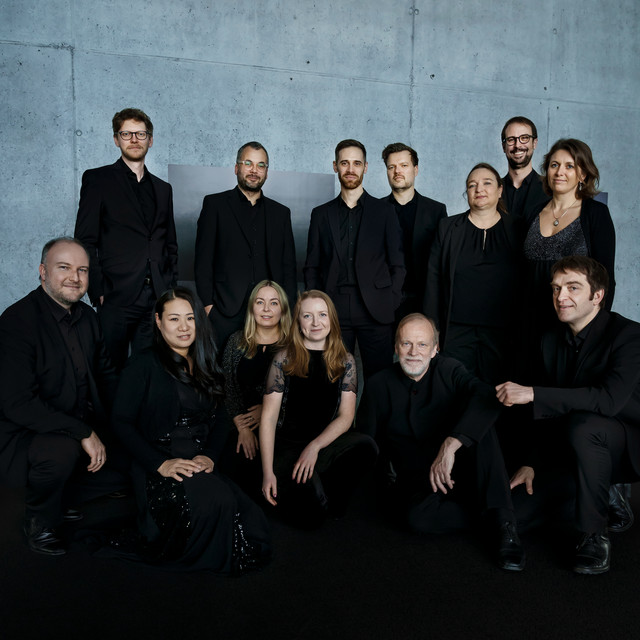
Cappella Amsterdam
1997–2020
·
4 albums
Listen
2
/5
Genres
Zeitoper
Zeitoper (literally “opera of the times”) is a Weimar-era operatic current that set contemporary, urban life on the operatic stage. Emerging in late‑1920s Germany, it fused classical vocal writing with the rhythms, timbres, and topicality of the day—foxtrot and tango grooves, jazz harmonies and instrumentation, telephones, radios, cars, and news bulletins. Typical works are fast‑paced, satirical, and montage‑like, prioritizing clarity, brevity, and immediacy. The music often blends neoclassical transparency with jazz-inflected chords and dance rhythms, while librettos target modern subjects such as mass media, celebrity culture, bureaucracy, and technology. The result is a sharp, witty, and socially observant opera designed for—and about—its contemporary audience.
Discover
Listen
Choral Concerto
The choral concerto is a genre of Eastern Orthodox sacred music that emerged in the mid‑seventeenth century in the Russian Empire, particularly through the work of Ukrainian composers and chapel traditions. Written for unaccompanied choir (a cappella), these works are typically multi‑sectional and contrast homophonic, declamatory blocks with brief soloistic or small‑ensemble passages. Texts are drawn from Psalms and other scriptural or festal sources in Church Slavonic. In liturgical practice, choral concertos were sung during the Divine Liturgy at the moment when the clergy took Holy Communion—just before the Communion of the faithful—so they balance contemplative devotion with vivid rhetorical projection. Stylistically, the genre fuses native chant and Orthodox polyphony with Baroque concepts of contrast and sectional articulation. Although concise, many pieces employ double‑choir writing, antiphonal effects, and expressive dynamic “terracing,” all while maintaining the Orthodox prohibition against instruments inside the church.
Discover
Listen
Renaissance
Renaissance music (c. 1400–1600) marks the shift from medieval sonorities to a clearer, triad-based polyphony in which multiple independent voices are treated with near-equal importance. It favors modal counterpoint, pervasive imitation, smooth voice-leading, and carefully prepared cadences. Text intelligibility and expressive text-setting become central concerns, especially in sacred motets and masses and in secular forms like the Italian madrigal and the French chanson. While much of the repertory is a cappella, instrumental consorts (viol, recorder, sackbut, cornett, organ) play a growing role. A steady tactus underpins rhythms, and tuning systems such as meantone temperament shape its characteristic color. Music printing (from 1501) accelerates stylistic diffusion across Europe.
Discover
Listen
Ars Antiqua
Ars antiqua is a medieval European musical style that flourished roughly from the late 12th century to the early 14th century, with its center of gravity in Paris and the Notre Dame Cathedral school. It is defined by the consolidation of measured rhythm through the six rhythmic modes, the cultivation of polyphony in organum and discant styles, and the emergence of the early motet and conductus. Composers favored two to four vocal parts, with a chant-derived tenor forming the foundation and upper voices providing melismatic and texted counterpoint. Harmony emphasized perfect consonances (unisons, fourths, fifths, and octaves), with cadences carefully prepared. Ars antiqua laid crucial groundwork for European notation (including Franconian mensural concepts), enabling more precise rhythmic coordination and setting the stage for the innovations of the later Ars nova.
Discover
Listen
Motet
A motet is a polyphonic vocal composition, usually on a sacred Latin text, that emerged in the High Middle Ages and became a central genre of European art music during the Renaissance. Early motets layered different texts and rhythms above a chant-derived tenor, while later Renaissance motets favored smooth, imitative counterpoint shared among voice parts. Across its long history the motet served both liturgical and devotional functions, typically performed a cappella by small choirs. Stylistically it ranges from the rhythmically intricate, isorhythmic constructions of the 13th–14th centuries to the balanced, text-sensitive writing of the 16th century, and onward to concerted and chorale-based treatments in the Baroque and beyond.
Discover
Listen
Medieval Classical Music
Medieval classical music refers to the body of sacred and secular art music created in Europe from roughly the 5th to the late 15th centuries. It encompasses the Christian chant traditions of the early Middle Ages, the emergence of notated polyphony in the High Middle Ages, and the rhythmically and formally sophisticated Ars Nova of the 14th century. At its core are modal melodies (church modes), primarily vocal textures, and a gradual evolution from monophony (single melodic line) to increasingly complex polyphony. Notation develops from adiastematic neumes to staff-based pitch notation and, later, mensural systems that codify rhythm. Characteristic sonorities emphasize perfect consonances (octaves, fifths, and fourths), with triadic harmony only beginning to coalesce near the end of the period. Though rooted in the liturgy (Mass, Office, and Latin song), the era also nurtured rich vernacular traditions—troubadours, trouvères, Minnesänger—and instrumental practices on harp, vielle, recorder, lute, and organ. The period laid the foundational techniques, theories, and repertories that define the entire subsequent Western classical tradition.
Discover
Listen
Choral
Choral refers to music written for and performed by a choir—an ensemble of voices organized into sections such as soprano, alto, tenor, and bass (SATB), or same-voice groupings (SSA, TTBB). It encompasses both sacred and secular repertoire and may be sung a cappella or with accompaniment by organ, piano, or full orchestra. Stylistically, choral music ranges from chant-like monophony to intricate polyphony and rich homophonic textures. Texts are drawn from liturgy, scripture, poetry, and vernacular sources, and are set in many languages. Performance contexts include church services, concert halls, and community events, making choral one of the most socially embedded and widely practiced forms of ensemble music. Across history, choral music has served as a laboratory for vocal counterpoint, word painting, and text-driven form, while functioning as a cultural bridge among religious rites, national traditions, and contemporary concert practice.
Discover
Listen
Show all 7 genres
Albums
2020
1
/5
Inferno
Roland de Lassus / Cappella Amsterdam / Daniel Reuss
Motet
Renaissance
2016
2
/5
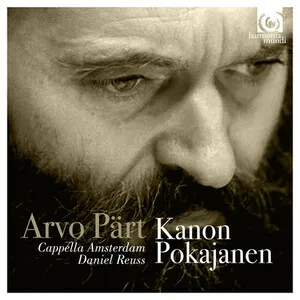
Kanon Pokajanen
Arvo Pärt / Cappella Amsterdam / Daniel Reuss
Choral Concerto
1999
1
/5
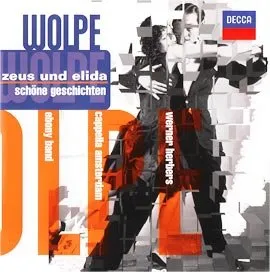
Zeus und Elida; Schöne Geschichten
Stefan Wolpe
Zeitoper
1997
1
/5
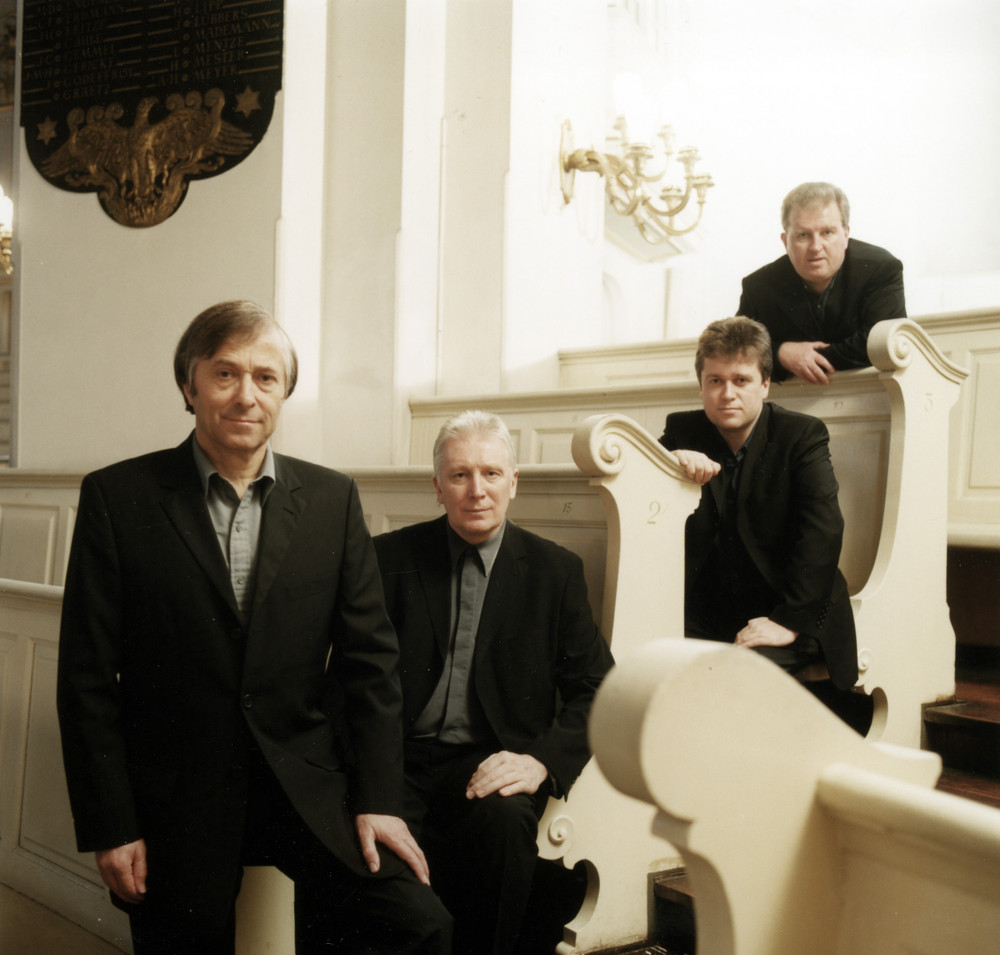
Sacred Music From 12th-Century Paris
Léonin
Ars Antiqua
Medieval Classical Music
Similar artists
2
/5
The Hilliard Ensemble
Madrigal
Gregorian Chant
Medieval Classical Music
2
/5
Huelgas Ensemble
Renaissance
Choral
Franco-Flemish School
3
/5
Collegium Vocale Gent
Classical
Baroque
Cantata
3
/5
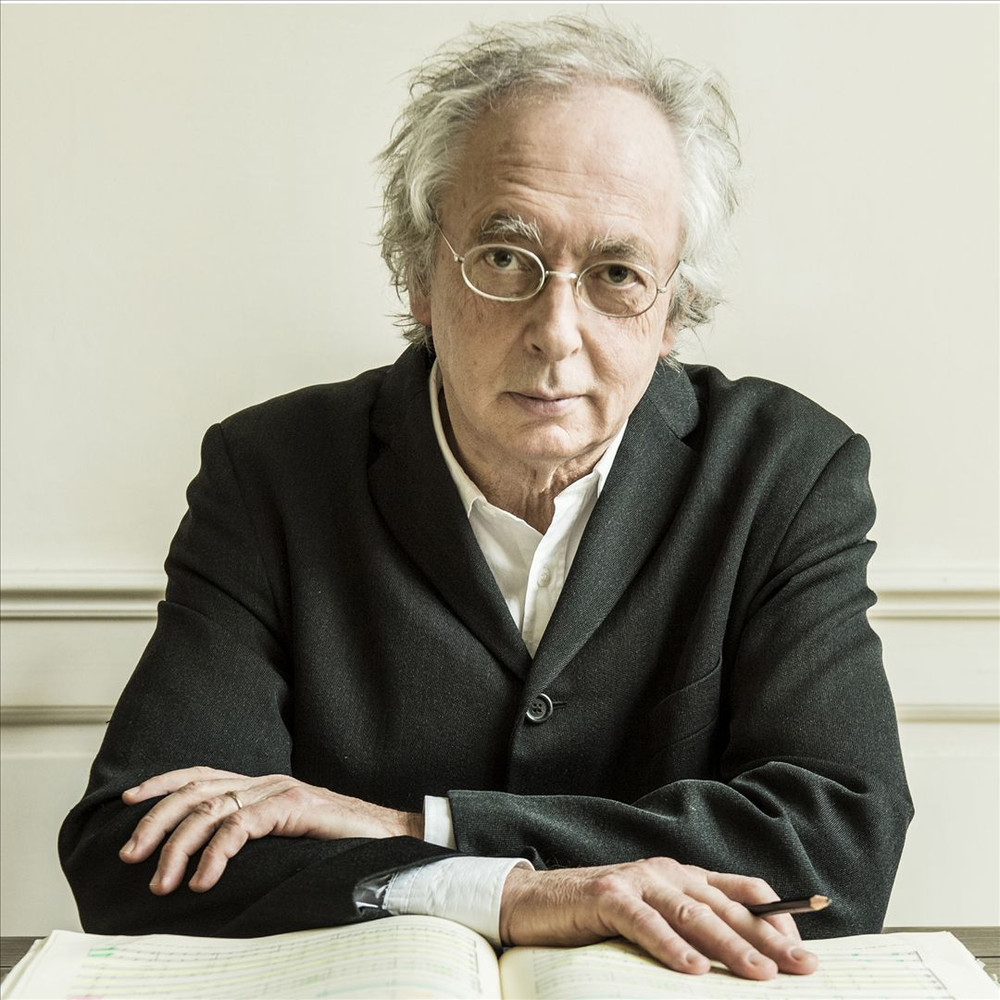
Philippe Herreweghe
Classical
Baroque
Choral
3
/5
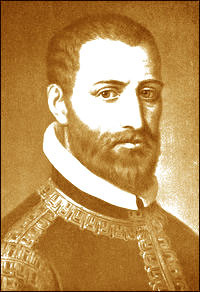
Giovanni Pierluigi da Palestrina
Renaissance
Classical
Choral
3
/5
Peter Phillips
Choral
Renaissance
Requiem
3
/5
Gregorio Allegri
Choral
Early Music
Gregorian Chant
3
/5
Oxford Camerata
Gregorian Chant
Medieval
Classical
3
/5
The Tallis Scholars
Choral
Renaissance
Requiem
3
/5
Jeremy Summerly
Gregorian Chant
Medieval
Classical
Download our mobile app
Get the Melodigging app and start digging for new genres on the go
Download on the App Store
Get it on Google Play
© 2026 Melodigging
Give feedback
Legal
Melodding was created as a tribute to
Every Noise at Once
, which inspired us to help curious minds keep digging into music's ever-evolving genres.