Genres
Artists
Albums
Make Music
Sign in
Sign in
Artists
Tango
Artists
Tango
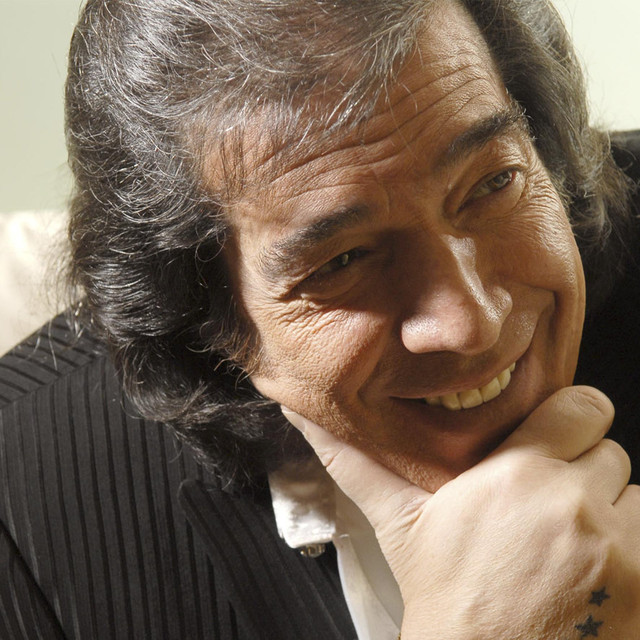
Cacho Castaña
2016
·
1 album
Listen
3
/5
Genres
Canción Melódica
Canción melódica is a Spanish popular song tradition centered on emotive, melody-forward ballads delivered by powerful vocalists and framed by lush, orchestral arrangements. It is the Spanish counterpart to Europe’s mainstream schlager and the Italian canzone tradition, but with clear ties to Iberian styles and Latin romanticism. Characterized by dramatic vocal climaxes, key changes near the finale, and string-heavy, cinematic backdrops, the style privileges memorable melodies, heartfelt lyrics, and a polished, elegant sound. Its themes revolve around love, longing, heartbreak, and resilience, using poetic images and rhetorical flourishes to maximize emotional impact. The genre achieved mass popularity in Spain and the Spanish-speaking world from the late 1960s through the 1980s, and its repertoire remains a staple of television galas, festival circuits, and nostalgic revivals.
Discover
Listen
Latin Ballad
Latin ballad (balada romántica) is a sentimental, melodically rich style of Spanish-language popular song that evolved directly from the Cuban/Mexican bolero tradition. It emphasizes expressive vocals, lush harmonic progressions, and romantic narratives about love, heartbreak, longing, and reconciliation. The genre coalesced in the early 1960s in Los Angeles and Southern California, where Latin-American and Mexican-American songwriters, arrangers, and singers modernized bolero aesthetics with contemporary pop orchestration, crooner-style delivery, and studio production techniques. Typically set at slow-to-medium tempos, Latin ballads feature piano or nylon‑string guitar, warm string sections, and climactic modulations that heighten emotional impact.
Discover
Listen
Folklore Argentino
Folklore argentino (música folklórica argentina) is the umbrella term for Argentina’s regional traditional music and song. It gathers styles such as chacarera and zamba from the Northwest, chamamé and rasguido doble from the Litoral, cueca and tonada cuyana from Cuyo, malambo and milonga pampeana from the Pampas, vidala and baguala from the Andean northwest, and many more. While its roots stretch back to the colonial era and to indigenous traditions, the genre crystallized as a modern national repertoire during the mid‑20th‑century folkloric boom. It is marked by guitar-based accompaniment (rasgueado strumming), bombo legüero drum pulses, rich vocal traditions (solo and choral), and dance forms in compound meters with characteristic hemiolas. Themes often evoke the land, the gaucho, love and longing, community festivities, indigenous memory, and social justice.
Discover
Listen
Pop
Pop is a broad, hook-driven style of popular music designed for wide appeal. It emphasizes memorable melodies, concise song structures, polished vocals, and production intended for radio, charts, and mass media. While pop continually absorbs elements from other styles, its core remains singable choruses, accessible harmonies, and rhythmic clarity. Typical forms include verse–pre-chorus–chorus, frequent use of bridges and middle-eights, and ear-catching intros and outros. Pop is not defined by a single instrumentation. It flexibly incorporates acoustic and electric instruments, drum machines, synthesizers, and increasingly digital production techniques, always in service of the song and the hook.
Discover
Listen
Cuarteto
Cuarteto is a high-energy dance music from Córdoba, Argentina, built on a brisk duple-meter "tunga-tunga" groove that emphasizes a driving bass-and-chord pattern. Its core instrumentation historically featured a quartet—piano, accordion, violin, and bass—from which the style takes its name. Over time, drum kit, congas/timbales, and synthesizers expanded its sonic palette, while the piano’s left-hand ostinato and buoyant bass line remained central. Characterized by catchy melodies, simple diatonic harmonies, and verse–chorus forms designed for continuous dancing, cuarteto’s lyrics typically revolve around romance, nightlife, working-class pride, and Cordobés slang and humor.
Discover
Listen
Tango
Tango is a song-and-dance music from the Río de la Plata region, crystallizing in Buenos Aires (Argentina) and Montevideo (Uruguay) in the late 19th century. It is characterized by a melancholic, dramatic tone; richly expressive melodies; and a distinctive rhythmic feel rooted in the habanera and milonga. Core ensembles feature bandoneón, violin(s), piano, double bass, and sometimes guitar, forming the famed orquesta típica. Across the 1920s–1950s it became a worldwide craze, moving from rough immigrant bars to grand salons and radio, developing highly sophisticated arranging and performance practices. Lyrics often employ lunfardo (Buenos Aires slang) and dwell on urban nostalgia, love, betrayal, and the neighborhood (el barrio). Note on terminology: in flamenco, “tangos” is a distinct palo (song form) with a lively 4/4 compás, often in A Phrygian, closely related in feeling to rumba flamenca. Although it shares the name and a spirited character, flamenco tangos is a different tradition from the Río de la Plata tango described above.
Discover
Listen
Albums
2016
3
/5
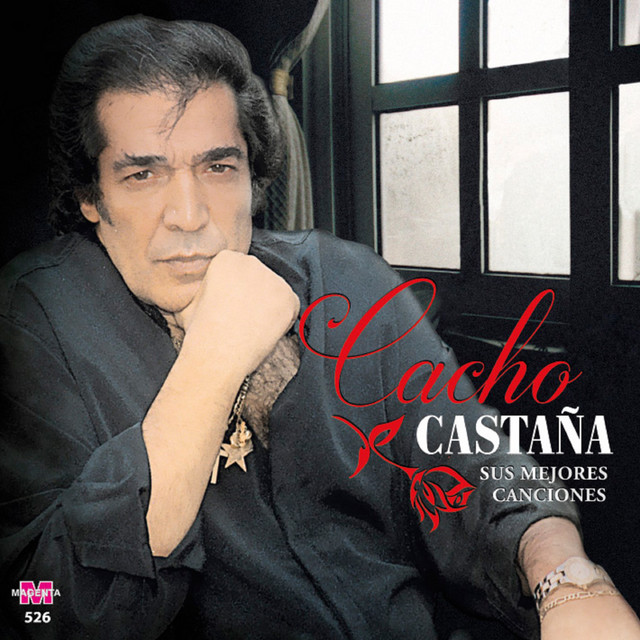
Sus Mejores Canciones
Cacho Castaña
Tango
Similar artists
2
/5
Dino Saluzzi
Tango
Folklore Argentino
Rioplatense Music
4
/5
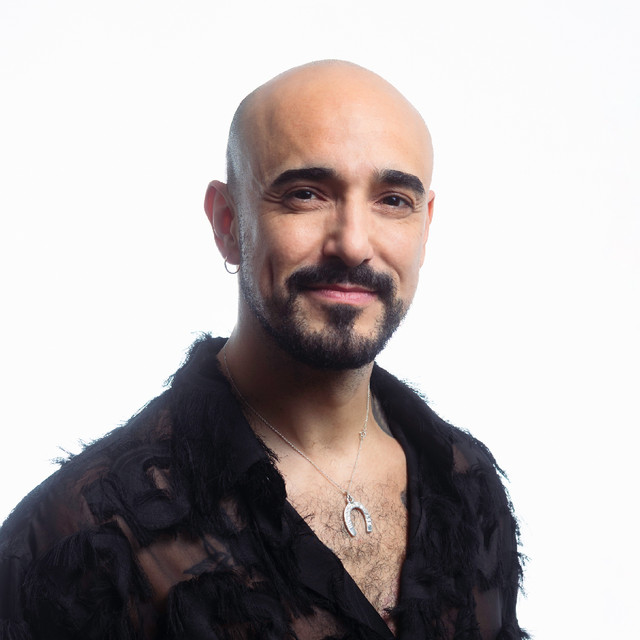
Abel Pintos
Folklore Argentino
Pop Argentino
Cuarteto
4
/5
Luciano Pereyra
Folklore Argentino
Cuarteto
Cumbia Pop
3
/5
Santiago Cañete
Folklore Argentino
Chamamé
Cuarteto
3
/5
Sele Vera Y Los Pampas
Chamamé
Cuarteto
Folklore Argentino
3
/5
Sharon y los Camperos del Chamamé
Folklore Argentino
Chamamé
Cuarteto
3
/5
Ariel Ramírez
Argentine Music
Folclor Andino
Folklore Argentino
3
/5
Juan Carlos Baglietto
Argentine Rock
Folklore Argentino
Latin Folk
3
/5
Lito Vitale
Argentine Rock
Folklore Argentino
Latin Folk
3
/5
Atahualpa Yupanqui
Nuevo Cancionero
Argentine Music
Milonga
Download our mobile app
Get the Melodigging app and start digging for new genres on the go
Download on the App Store
Get it on Google Play
© 2026 Melodigging
Give feedback
Legal
Melodding was created as a tribute to
Every Noise at Once
, which inspired us to help curious minds keep digging into music's ever-evolving genres.