Genres
Artists
Albums
Make Music
Sign in
Sign in
Artists
Argentine Rock
Artists
Argentine Rock
Lito Vitale
Listen
3
/5
Genres
Fake
“Fake” is an informal, streaming-era genre tag used for sound‑alike covers, karaoke takes, tribute recordings, and generic instrumental remakes that closely mimic current or classic hits. Rather than foregrounding the original songwriter’s concept, these recordings prioritize recognizability, search optimization, and fast turnaround. Session singers and studio players reproduce the hook, tempo, and arrangement with minimal reinterpretation; track and artist names often echo the original title or lyrical catchphrase to capture search traffic.
Discover
Listen
New Age
New age is a largely instrumental, mood-driven genre that emphasizes calm, spacious textures and a sense of spiritual or contemplative uplift. It blends gentle electronic timbres, acoustic instruments, and global/folk influences to create immersive soundscapes intended for relaxation, meditation, and introspection. Hallmarks include slow tempos or free time, long sustaining pads, modal and consonant harmonies, nature field recordings, and unobtrusive rhythms. The music often avoids dramatic tension in favor of openness and continuity, conveying themes of inner peace, nature, and the transcendent.
Discover
Listen
Argentine Rock
Argentine rock (Rock Nacional) is the Spanish-language rock tradition that emerged in Argentina in the late 1960s. It blended the energy and songcraft of Anglo-American rock and roll with local poetic sensibilities, urban bohemian culture, and distinctive Argentine rhythms and harmony. Across its history, the genre has absorbed folk, blues, psychedelia, progressive rock, new wave, punk, reggae/ska, and pop, while remaining anchored by melodic guitars, expressive vocals, and literate lyrics. Tango’s bittersweet harmonies and the cadences of Argentine folk (chacarera, milonga) subtly inform its phrasing, melodic turns, and lyric tone. The result is a body of music that ranges from intimate and reflective to stadium-sized and anthemic, with a strong emphasis on metaphor-rich storytelling in Rioplatense Spanish.
Discover
Listen
Latin Folk
Latin folk is a broad umbrella for singer‑songwriter and ensemble music that draws on traditional folk forms from across Latin America while presenting them in contemporary, often acoustically driven arrangements. It emphasizes storytelling, social and poetic lyricism, and the timbres of regional instruments such as the guitar, charango, quena, zampoña, cuatro, and bombo legüero. Rhythmic cells are borrowed from pan‑regional traditions (chacarera, cueca, zamba, huayno, joropo, son, and others), yet songs are commonly shaped in accessible verse‑chorus structures. While its roots are centuries old, the modern genre coalesced during the mid‑20th‑century folk revival and the Nueva Canción movements, which linked ancestral sounds with contemporary concerns such as identity, justice, and cultural memory.
Discover
Listen
Nueva Trova
Nueva trova is a Cuban singer‑songwriter movement that emerged in the late 1960s, blending the poetic intimacy of the island’s older trova tradition with socially conscious, often revolutionary, lyrics. It is typically guitar‑led and intimate, but can expand to small ensembles with subtle jazz‑inflected harmonies, echoing the filin (feeling) style and the romanticism of bolero while drawing rhythmic color from Cuban son and guajira. While aesthetically close to the broader Latin American nueva canción, nueva trova is distinctly Cuban in its idiom, metaphorical language, and engagement with post‑1959 cultural life.
Discover
Listen
Jazz Fusion
Jazz fusion (often simply called "fusion") blends the improvisational language and harmonic richness of jazz with the amplified instruments, grooves, and song forms of rock, funk, and R&B. It typically features electric guitars, electric bass or fretless bass, Rhodes electric piano, clavinet, analog and digital synthesizers, and a drum kit playing backbeat- and syncopation-heavy patterns. Hallmarks include extended chords and modal harmony, complex and shifting meters, brisk unison lines, virtuosic improvisation, and a production aesthetic that embraces effects processing and studio craft. The style ranges from fiery, aggressive workouts to polished, atmospheric textures, often within the same piece. Emerging in the late 1960s and flourishing through the 1970s, jazz fusion became a bridge between jazz audiences and rock/funk listeners, shaping later styles such as jazz-funk, smooth jazz, nu jazz, and parts of progressive and technical rock/metal.
Discover
Listen
Folklore Argentino
Folklore argentino (música folklórica argentina) is the umbrella term for Argentina’s regional traditional music and song. It gathers styles such as chacarera and zamba from the Northwest, chamamé and rasguido doble from the Litoral, cueca and tonada cuyana from Cuyo, malambo and milonga pampeana from the Pampas, vidala and baguala from the Andean northwest, and many more. While its roots stretch back to the colonial era and to indigenous traditions, the genre crystallized as a modern national repertoire during the mid‑20th‑century folkloric boom. It is marked by guitar-based accompaniment (rasgueado strumming), bombo legüero drum pulses, rich vocal traditions (solo and choral), and dance forms in compound meters with characteristic hemiolas. Themes often evoke the land, the gaucho, love and longing, community festivities, indigenous memory, and social justice.
Discover
Listen
Rock
Rock is a broad family of popular music centered on amplified instruments, a strong backbeat, and song forms that foreground riffs, choruses, and anthemic hooks. Emerging from mid‑20th‑century American styles like rhythm & blues, country, and gospel-inflected rock and roll, rock quickly expanded in scope—absorbing folk, blues, and psychedelic ideas—while shaping global youth culture. Core sonic markers include electric guitar (often overdriven), electric bass, drum kit emphasizing beats 2 and 4, and emotive lead vocals. Rock songs commonly use verse–chorus structures, blues-derived harmony, and memorable melodic motifs, ranging from intimate ballads to high‑energy, stadium‑sized performances.
Discover
Listen
Tango
Tango is a song-and-dance music from the Río de la Plata region, crystallizing in Buenos Aires (Argentina) and Montevideo (Uruguay) in the late 19th century. It is characterized by a melancholic, dramatic tone; richly expressive melodies; and a distinctive rhythmic feel rooted in the habanera and milonga. Core ensembles feature bandoneón, violin(s), piano, double bass, and sometimes guitar, forming the famed orquesta típica. Across the 1920s–1950s it became a worldwide craze, moving from rough immigrant bars to grand salons and radio, developing highly sophisticated arranging and performance practices. Lyrics often employ lunfardo (Buenos Aires slang) and dwell on urban nostalgia, love, betrayal, and the neighborhood (el barrio). Note on terminology: in flamenco, “tangos” is a distinct palo (song form) with a lively 4/4 compás, often in A Phrygian, closely related in feeling to rumba flamenca. Although it shares the name and a spirited character, flamenco tangos is a different tradition from the Río de la Plata tango described above.
Discover
Listen
Show all 9 genres
Similar artists
3
/5
Juan Carlos Baglietto
Argentine Rock
Folklore Argentino
Latin Folk
3
/5
León Gieco
Argentine Rock
Folklore Argentino
Latin Folk
3
/5
Victor Heredia
Nueva Canción
Argentine Rock
Folclor Andino
3
/5
Atahualpa Yupanqui
Nuevo Cancionero
Argentine Music
Milonga
3
/5
Alfredo Zitarrosa
Milonga
Nueva Canción
Candombe
4
/5
Mercedes Sosa
Nueva Canción
Argentine Music
Nuevo Cancionero
3
/5
Facundo Cabral
Folklore Argentino
Latin Folk
Nueva Trova
2
/5
Osvaldo Montes
Latin Folk
Nueva Trova
Tango
2
/5
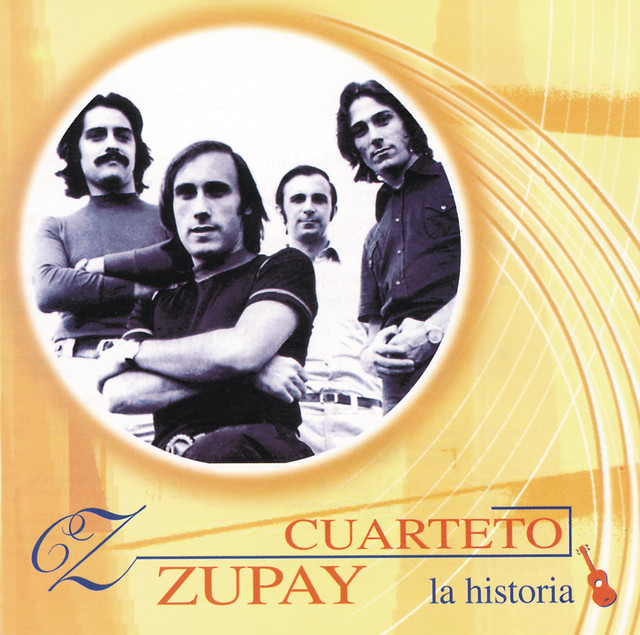
Cuarteto Zupay
Folklore Argentino
Latin Folk
Nueva Trova
2
/5
Chango Farias Gomez
Folklore Argentino
Latin Folk
Nueva Trova
Download our mobile app
Get the Melodigging app and start digging for new genres on the go
Download on the App Store
Get it on Google Play
© 2026 Melodigging
Give feedback
Legal
Melodding was created as a tribute to
Every Noise at Once
, which inspired us to help curious minds keep digging into music's ever-evolving genres.