Genres
Artists
Albums
Make Music
Sign in
Sign in
Artists
Acid Techno
Artists
Acid Techno
Brutalismus 3000
2021–2023
·
2 albums
Listen
3
/5
Genres
Neo Rave
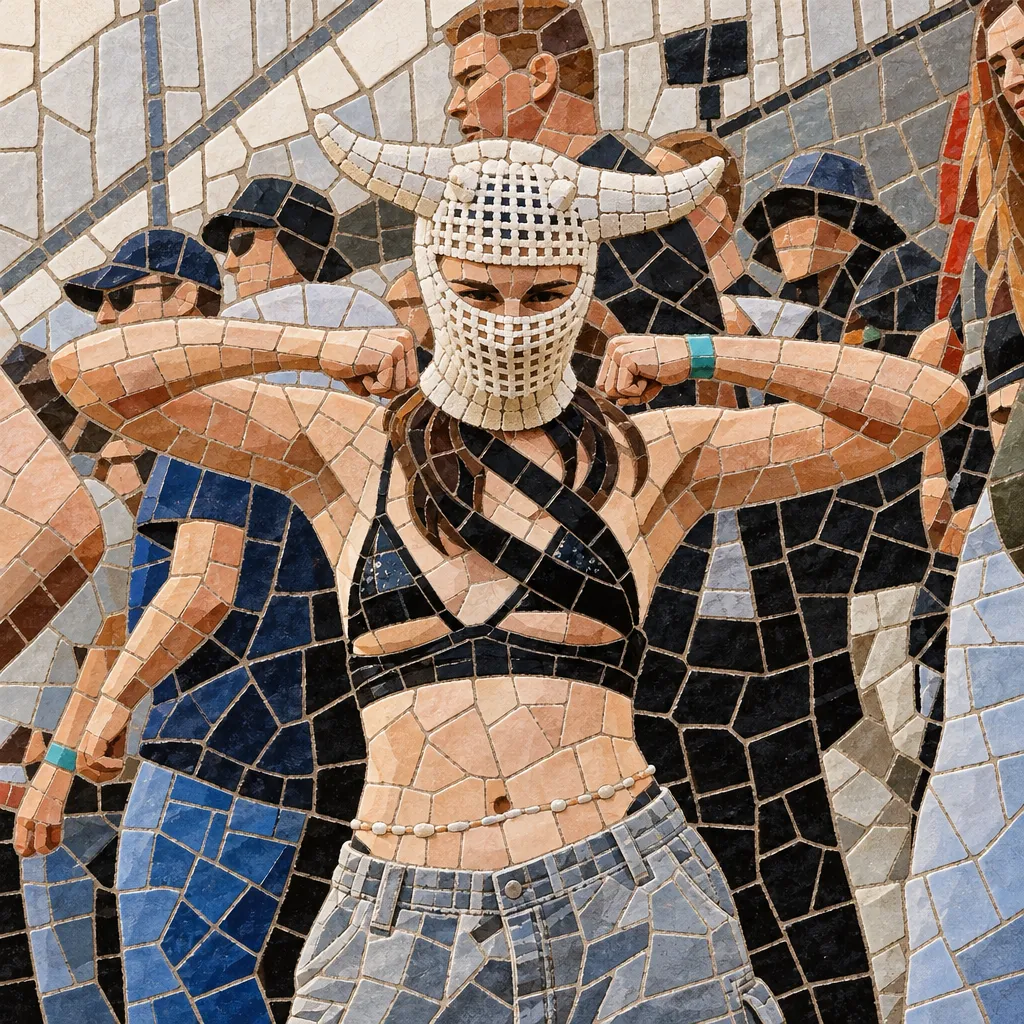
Neo rave is a contemporary electronic dance music trend that revives and recombines the energy, aesthetics, and rhythmic vocabulary of 1990s and early-2000s rave culture. It typically draws on hard trance, hard house, hard techno, trance, eurodance, donk, and other peak-time club sounds, but presents them with modern production polish, sharper low end, louder masters, internet-age branding, and a fashion-conscious club identity. The style is characterized by fast tempos, forceful four-on-the-floor kick drums, bright or nostalgic synth hooks, trance-inspired buildups, abrasive or euphoric drops, and an intentional blending of underground rave references with contemporary festival and club sensibilities. As a scene label as much as a strict sound category, neo rave often overlaps with hard techno, hypertechno, trance revival, donk-influenced club music, and post-pandemic rave culture. Its appeal lies in combining nostalgia, immediacy, spectacle, and physical dancefloor intensity.
Discover
Listen
Liquid Riddim
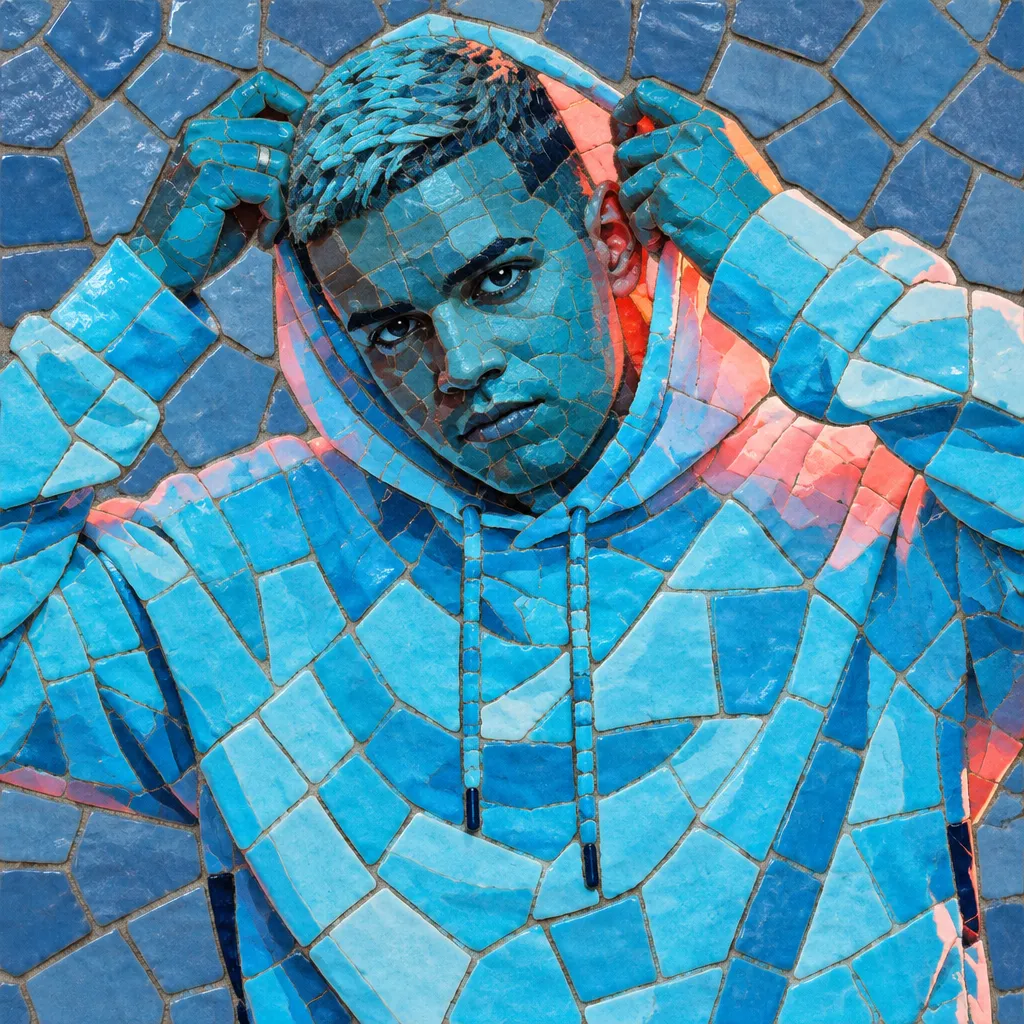
Liquid riddim is a melodic, atmospheric strain of riddim dubstep that fuses the sparse, half‑time bounce and call‑and‑response bass writing of riddim with the lush pads, emotive chord progressions, and airy textures of liquid drum and bass. Compared with heavier festival riddim, liquid riddim favors fluid, legato bass timbres, glassy arpeggios, and generous reverb and delay. The result is a sound that remains dance‑floor friendly at 140 BPM yet leans introspective, dreamy, and sentimental, often using water‑like foley, silky supersaw layers, and soft vocal chops to enhance its “liquid” aesthetic.
Discover
Listen
Rave Funk
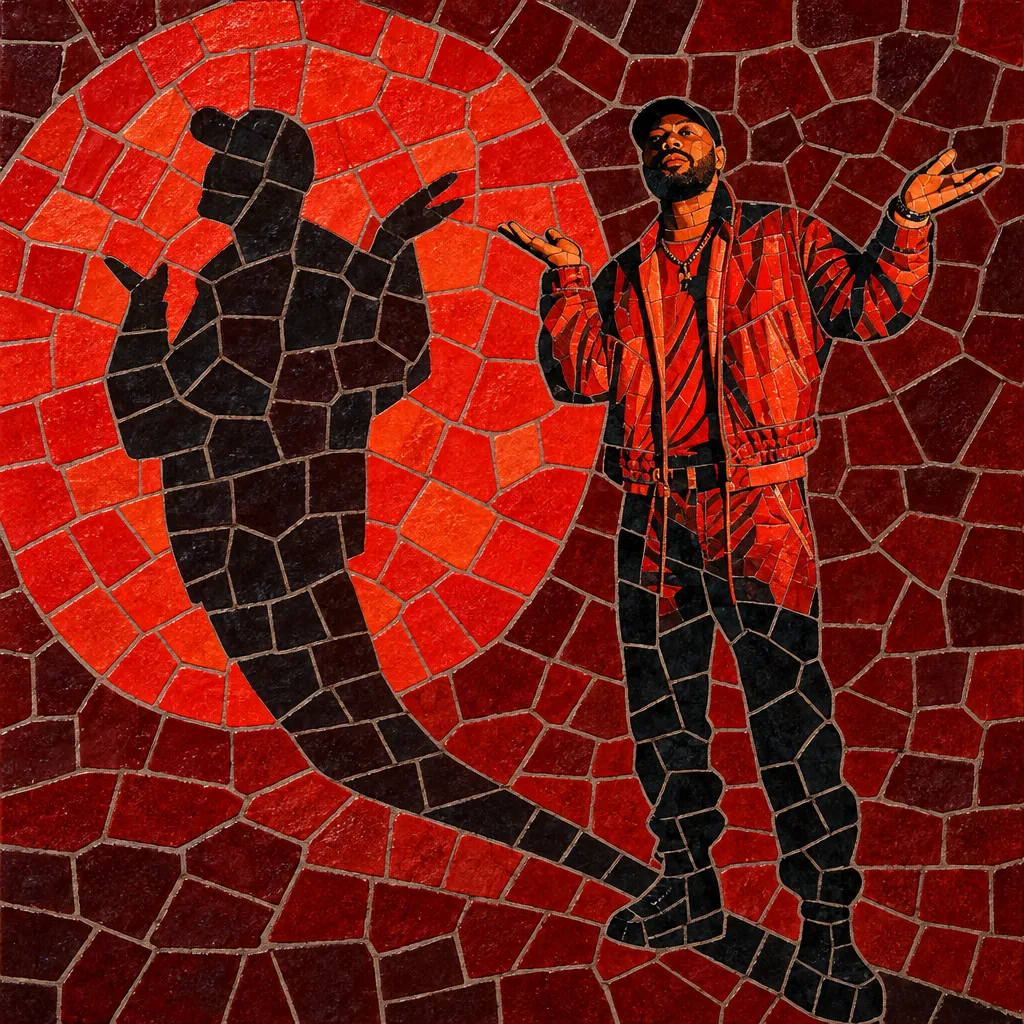
Rave funk is a contemporary Brazilian club style that fuses the raw percussion, call‑and‑response vocals, and gritty bass of funk carioca with the supersaws, hoover stabs, white‑noise risers, and big‑room drops of EDM and rave. Typically sitting between 140–150 BPM (often at the Brazilian "150 BPM" pace), it uses the tamborzão or mandelão drum feel under festival‑scale synth builds and DJ‑friendly drops. The result is a high‑impact, dance‑floor sound that keeps the street energy of funk while adopting the dramatic structures of modern rave.
Discover
Listen
Experimental Club Music
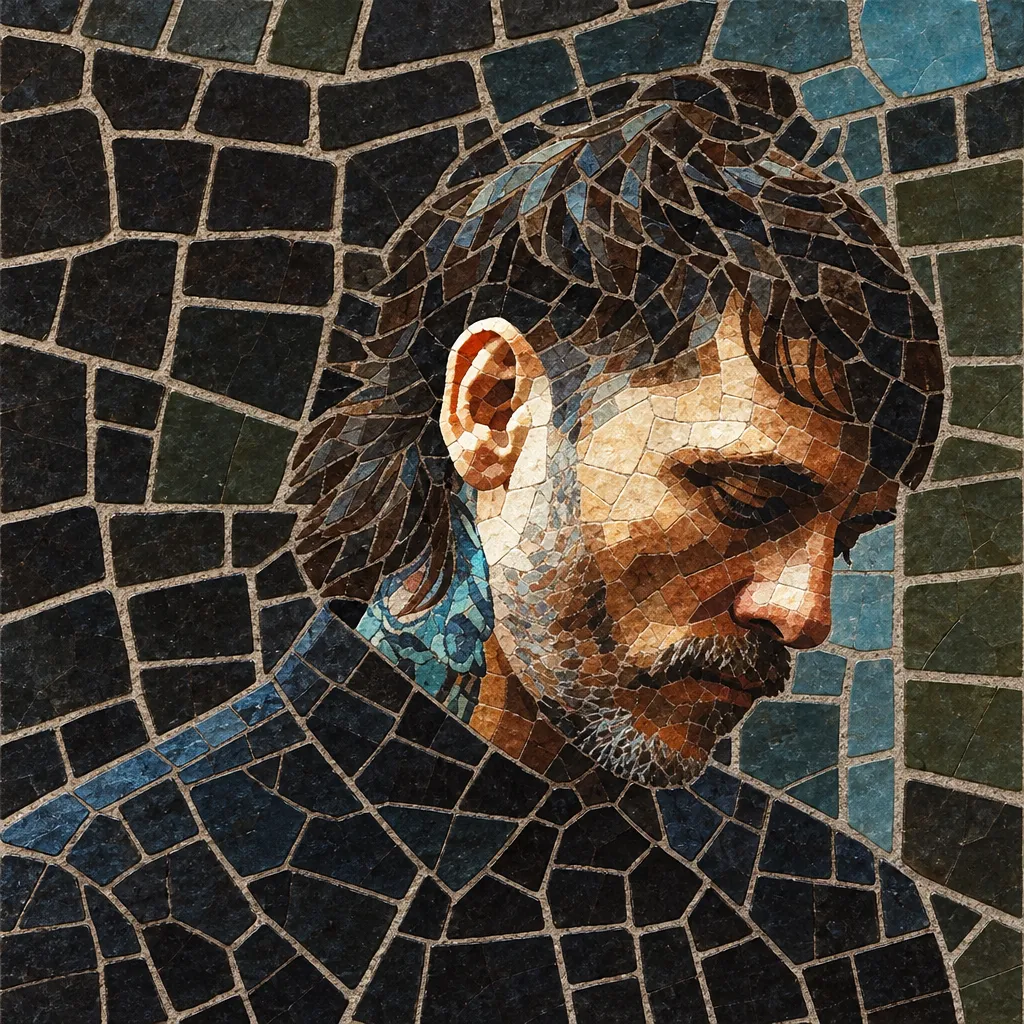
Experimental club music (often called post-club or deconstructed club) is a hybrid, avant‑garde approach to club production and performance that treats the dancefloor as a laboratory. It uses the grammar of contemporary club forms—heavy sub‑bass, kick patterns, samples, MC or chopped vocals—as raw material to be cut apart, collaged, and reassembled. Instead of four‑to‑the‑floor regularity, it favors asymmetry, abrupt contrasts, negative space, and extreme sound design drawn from noise, industrial, grime, ballroom/vogue, reggaeton, and internet culture. The result ranges from skeletal, percussive workouts to dense, cinematic soundscapes that can be as confrontational as they are cathartic. Just as importantly, the scene has been a site of diasporic, queer, and trans expression, where identity and politics are embedded in sonic choices and performance practice.
Discover
Listen
Raw Techno
Raw techno is a hard‑edged, stripped, and saturated branch of techno that emphasizes physical impact over polish. It foregrounds pounding 4/4 kicks, rumbling sub‑bass, aggressively overdriven percussion, and gritty, analog‑leaning textures, often recorded or processed to feel loud, grainy, and immediate. Compared to more melodic or glossy strands, it minimizes harmonic content and arrangement frills in favor of relentless momentum, dark industrial atmospheres, and warehouse‑ready energy. The result is an austere but highly functional dancefloor music that channels the spirit of early warehouse raves through contemporary production tools and loudness aesthetics.
Discover
Listen
Re:techno
Re:techno is a contemporary, internet-native tag within the techno ecosystem that signals a return to early‑2000s loop/hardgroove aesthetics, updated with modern punch, loudness, and precision. Typically in the 130–138 BPM range, tracks emphasize driving 4/4 kicks, rolling off‑beat bass patterns, swung hi‑hats, toms, shakers, and tribal/Latin‑coded percussive riffs. The harmony is sparse—often limited to filtered stabs or drones—so that rhythm and texture carry the dance floor. Long DJ‑friendly intros/outros, incremental filtering, quick fills, and micro‑arrangement changes give the music an endlessly propulsive feel. Rather than inventing a new sound from scratch, re:techno reframes an existing lineage (Swedish/Iberian loop techno, hardgroove, acid/tribal currents) for today’s clubs and digital marketplaces, delivering highly mixable “tool” tracks that are functional, funky, and relentlessly dance‑floor oriented.
Discover
Listen
Vixa
Vixa is a Polish club-oriented strain of mainstream EDM that blends the swagger of big room house with the bouncy drive of Melbourne bounce and Dutch house. In Poland, “vixa” is also slang for a wild party, and the genre reflects that ethos: hard-hitting kicks, bold supersaw or brass-stab leads, and simple, chantable hooks designed for maximum dancefloor impact. Typically sitting around 128–132 BPM, vixa favors dramatic snare-roll builds, pitch-rising risers, and explosive drops with offbeat bass patterns. DJ edits of pop and regional hits—reworked into high-energy drops—are common, helping the sound dominate Polish club nights and festival stages where it thrives on big, euphoric moments.
Discover
Listen
Bass House
Bass house is a strain of house music that pairs a four-on-the-floor groove with aggressive, highly designed basslines drawn from UK bass, bassline, and electro house. It typically runs around 124–130 BPM, emphasizing tight drum programming, swung garage-influenced shuffles, and drops centered on modulated mid-bass riffs and weighty subs. Producers favor gritty synth timbres, call-and-response bass phrases, minimal vocals (often chopped one-shots or rap ad-libs), and DJ-friendly intros/outros. The result is club-focused, high-impact music that bridges UK underground sensibilities with North American festival energy.
Discover
Listen
Hybrid Trap
Hybrid trap is an EDM subgenre that fuses Southern hip hop–derived trap rhythms and 808 low end with the sound-design intensity and drop-centric structure of dubstep and electro house. It typically runs at 75/150 BPM in a halftime feel, features skittering hi-hats and snare/clap hits on beat three, and pairs punchy 808 kick–sub combos with midrange growls, reese basses, screeches, and cinematic brass stabs. Producers lean heavily on modern synthesis, resampling, and aggressive processing (distortion, multiband compression, OTT) to craft dynamic, call-and-response drops suited to festival stages. Compared with “classic” EDM trap, hybrid trap places greater emphasis on dubstep-like bass design, complex fills, and theatrical builds, while retaining trap’s swaggering grooves and minimalistic, percussive motifs.
Discover
Listen
Festival Trap
Festival trap is a high‑energy, mainstage‑oriented branch of EDM trap that translates hip‑hop‑rooted 808 rhythms into oversized, stadium‑scale drops. It pairs halftime drum patterns at 70/140 BPM with big‑room buildups, supersaw and brass stabs, sirens/air‑horns, and chantable vocal chops engineered for crowd participation. Compared with classic hip‑hop trap it is brighter, louder, and more bombastic; compared with big room house or dubstep it retains a halftime groove with rolling hi‑hats and sub‑heavy 808s. Typical drops use dramatic snare rolls and risers into a silence‑then‑impact hit, followed by call‑and‑response riffs designed to move festival crowds.
Discover
Listen
Focus Trance
Focus trance is a modern, low‑drama branch of trance tailored for concentration, study, coding, and deep work. It borrows trance’s hypnotic pulse and long-form structure, but softens the edges: fewer big drops, restrained builds, minimal vocals, and a narrow dynamic range that lets listeners sink into a steady flow state. Sonically, it tends to sit between ambient trance and progressive trance: warm pads, subtly modulated arps, muted kicks and basslines that groove without dominating, and gently evolving textures. Most tracks avoid abrupt transitions, extreme high‑frequency content, or dense mid‑range clutter, making them ideal as a musical backdrop that sustains attention over long sessions.
Discover
Listen
Hi-Tech Full-On
Hi‑Tech Full‑On is a modern, largely Japanese mutation of full‑on psytrance that injects the rapid timbral switching and glitchy, stuttered edits of complextro into the classic rolling psy bass and 4/4 drive. Typically sitting around 145–155 BPM, it keeps the euphoric brightness and supersaw leads of full‑on while adopting hyper-detailed sound design: bar‑to‑bar bass patch changes, abrupt mute/unmute fills, micro‑edits, and videogame/anime‑influenced FX. The result is intensely energetic, highly technical party music that feels both maximal and cleanly engineered.
Discover
Listen
Hexd
HexD is a net-native microgenre of hip‑hop and electronic music defined by extreme bitcrushing, aggressive down/upsampling, hard clipping, and compression applied to beats and especially to vocals. Tracks often feature sped‑up and pitched‑up (sometimes formant‑shifted) vocal edits over trap‑leaning drums or breakbeat fragments, creating a distorted, digital, hazy, and psychedelic texture. Many releases are edits or reworks of existing material from rap, emo rap, and digicore/hyperpop, treated as raw sound to be “hexxed” with digital artifacts. Aesthetically, the scene is tightly tied to online platforms and DIY collectives, embracing early‑web, anime, and lo‑fi internet visuals while prioritizing mood, texture, and immediacy over fidelity.
Discover
Listen
Deep Hardtechno
Deep Hardtechno is a subgenre of techno that fuses the relentless speed and aggression of hard techno with the atmospheric, hypnotic, and immersive qualities of deep techno. Unlike the raw, loop-based distortion of early Schranz, this style emphasizes rolling, heavy basslines, complex percussion layers, and dark, industrial soundscapes. It maintains a high tempo, typically ranging from 145 to 160 BPM, but focuses on a 'deeper' groove created by reverberating kick drums and dense, brooding textures rather than high-frequency noise alone.
Discover
Listen
Modular Techno
Modular techno is a branch of techno centered on composing and performing primarily with modular synthesizers (most commonly Eurorack). Rather than arranging in a DAW, artists patch oscillators, filters, sequencers, clock dividers and utility modules into evolving signal chains, then sculpt rhythm and timbre in real time. The approach privileges improvisation, polyrhythms, and continuously shifting textures over fixed song structures. Early, visible champions included UK/Wales-based artist Steevio—who explicitly framed his 2012 release as "Modular Techno" and recorded it live in single takes—followed by a broader wave of adopters in the mid‑to‑late 2010s as modular systems spread across European techno scenes.
Discover
Listen
Speed House
Speed house is a high-tempo offshoot of house that accelerates the genre’s usual groove into the 140–155 BPM range while retaining a four-on-the-floor pulse. It fuses the punchy low-end and switch-up drops of bass house with the streamlined structure of tech house, often adding rave-style stabs, fidgety fills, and chopped vocal hooks. Sound design tends to emphasize aggressive, saturated basslines, crisp drum transients, and snappy turnarounds, creating a festival-ready, high-energy feel that still reads as house rather than hard dance. The style became widely identified through the Speed House Movement community and releases, spreading across North America and Europe via DJ edits, label samplers, and social media-driven virality.
Discover
Listen
Acid Techno
Acid techno is a harder, more driving offshoot of acid house that blends the squelching lines of the Roland TB-303 with the pounding rhythms and industrial edge of 1990s techno. It favors relentless 4/4 kicks, hypnotic 16th‑note bass patterns with accent and slide, and aggressive resonance sweeps that create a distinctive, corrosive timbre. Emerging largely from the UK free-party and squat-rave scenes, acid techno emphasizes raw energy, immediacy, and live hardware performance. Compared with acid house, it is faster, tougher, and more percussive; compared with mainstream techno, it leans heavily on the 303 as the central hook and motif. Typical tempos range from about 135 to 150 BPM, with arrangements built for long, tension-and-release transitions, filter rides, and layered drum machine grooves tailored to large, physically immersive sound systems.
Discover
Listen
Gabber
Gabber is a Dutch-born branch of hardcore techno characterized by extremely fast tempos, relentless 4/4 kicks, and an aggressive, distorted sound palette. It typically runs between 160–190+ BPM, features heavily overdriven 909-style kick drums that also serve as the bass, terse minor-key synth stabs (including classic "hoover" timbres), and short, shouted vocal samples or MC hype. Culturally, gabber is tied to early-’90s Rotterdam club culture, Thunderdome compilations and events, bomber jackets and trainers, and the high-energy hakken dance. The aesthetic is raw, industrial, and maximal, prioritizing impact, speed, and dancefloor intensity over harmonic complexity.
Discover
Listen
Hard Techno
Hard techno is a high-energy, tough-edged branch of techno characterized by fast tempos, distorted and saturated kick drums, percussive loops, and minimal, industrial-tinged sound design. It emphasizes relentless 4/4 rhythms, heavy transient punch, and hypnotic repetition over melodic development, often using sparse riffs, noise sweeps, and metallic textures to build intensity. The style grew from late-1990s European club culture (notably Germany) and overlaps with schranz and industrial techno; in the 2010s–2020s it resurged globally with harder, faster tracks and rumble-bass aesthetics popular in large warehouse events.
Discover
Listen
Tekno
Tekno (often spelled with a “k”) is a fast, raw, 4/4 underground dance style born from the European free party movement. It emphasizes pounding kick drums, looping minimal motifs, and improvised, hardware-driven live sets meant for large, DIY sound systems. Compared with mainstream techno, tekno is harder, faster, and rougher, commonly ranging from 150 to 180 BPM. Aesthetically it favors distorted kicks, sparse but hypnotic synth lines (often acid-tinged), and long-form structures designed for continuous, all‑night dancing at teknivals and warehouse raves.
Discover
Listen
Hard Dance
Hard dance is an umbrella term for a family of high-energy club styles that fuse the drive of techno with the euphoria of trance and the punch of house. Emerging from the UK club circuit in the mid-to-late 1990s, it is characterized by tough 4/4 kicks, bold lead synths, acid lines, and big breakdowns that resolve into emphatic drops. Tempos typically sit around 135–150 BPM, with arrangements built for DJ mixing and peak-time momentum. The name commonly covers UK hard house, hard trance, hard NRG, and adjacent sounds that emphasized harder percussion, rolling basslines, and euphoric hooks while remaining distinctly dancefloor-focused.
Discover
Listen
Techno
Techno is a four-on-the-floor, machine-driven form of electronic dance music that emerged in mid-to-late 1980s Detroit. It is characterized by steady 4/4 kick drums, repetitive and hypnotic rhythmic patterns, synthetic timbres, and an emphasis on texture, groove, and forward momentum over elaborate harmony. Producers typically use drum machines, sequencers, and synthesizers to build layered percussion, pulsing basslines, and evolving motifs. While often dark and minimalistic, techno spans a wide spectrum—from soulful, futuristic Detroit aesthetics to hard, industrially tinged European strains—yet it consistently prioritizes kinetic energy for dancefloors and a sense of machine futurism.
Discover
Listen
Electronic
Electronic is a broad umbrella genre defined by the primary use of electronically generated or electronically processed sound. It encompasses music made with synthesizers, drum machines, samplers, computers, and studio/tape techniques, as well as electroacoustic manipulation of recorded or synthetic sources. The genre ranges from academic and experimental traditions to popular and dance-oriented forms. While its sonic palette is rooted in electricity and circuitry, its aesthetics span minimal and textural explorations, structured song forms, and beat-driven club permutations. Electronic emphasizes sound design, timbre, and studio-as-instrument practices as much as melody and harmony.
Discover
Listen
Show all 23 genres
Albums
2023
3
/5
ULTRAKUNST
Brutalismus 3000
Hard Dance
Electronic
Techno
2021
3
/5
Satan Was A Babyboomer
Brutalismus 3000
Gabber
Acid Techno
Tekno
Similar artists
3
/5
DIKKE BAAP
Acid Techno
Gabber
Gaming Edm
2
/5
✧BRAINDAAMAGE✧
Acid Techno
Gabber
Grave Wave
1
/5
Krampf
Acid Techno
Gabber
Hard Techno
4
/5
Vieze Asbak
Gabber
Hard Techno
Hardcore
3
/5
Amelie Lens
Acid Techno
Hard Techno
Tekno
3
/5
Sara Landry
Acid Techno
Hard Techno
Hardcore Techno
3
/5
Kevin D'Angello
Acid Techno
Hard Techno
Techno
3
/5
Basswell
Acid Techno
Hardcore Techno
Hard Techno
3
/5
Mark Dekoda
Acid Techno
Hard Techno
Minimal Techno
3
/5
Aphøtic
Acid Techno
Hard Techno
Hardcore Techno
Download our mobile app
Get the Melodigging app and start digging for new genres on the go
Download on the App Store
Get it on Google Play
© 2026 Melodigging
Give feedback
Legal
Melodding was created as a tribute to
Every Noise at Once
, which inspired us to help curious minds keep digging into music's ever-evolving genres.