Genres
Artists
Albums
Make Music
Sign in
Sign in
Artists
Japanese Indie
Artists
Japanese Indie
Browny Circus
2004
·
1 album
Listen
1
/5
Genres
Shibuya-Kei
Shibuya-kei is a Japanese pop micro‑genre that emerged from Tokyo’s Shibuya district in the early–mid 1990s. It blends 1960s French yé‑yé, bossa nova, lounge/easy listening, baroque pop, jazz, sunshine pop, and slick city‑pop with contemporary sampling and electronic production. The style is cosmopolitan and retro‑futurist: it celebrates crate‑digging, witty pastiche, and graphic design/fashion as much as music. Songs often feature breezy melodies, airy or whispery vocals in Japanese, English, or French, and richly orchestrated arrangements that feel both nostalgic and playful.
Discover
Listen
Japanese Indie
Japanese indie refers to Japan’s independent rock and pop scenes that developed outside the major-label idol system. It blends DIY production and small-label distribution with a wide palette of sounds, from jangly guitar pop and post‑punk angularity to dreamy shoegaze and lo‑fi recordings. The scene is anchored by “live houses” (small venues) around Tokyo (Shimokitazawa, Koenji, Shinjuku), Osaka, Kyoto, and Fukuoka. Artists often sing in Japanese (sometimes mixing English), with introspective, everyday-life lyrics and arrangements that prize dynamics, texture, and melody over flashy virtuosity. Aesthetically, Japanese indie inherits Western indie rock’s DIY ethos while retaining local melodic sensibilities shaped by kayōkyoku and city pop. Production ranges from 4‑track cassette grit to clean, minimal studio mixes, but the emphasis remains on authenticity, atmosphere, and the energy of the live circuit.
Discover
Listen
Power Pop
Power pop is a guitar-driven style that distills the melodic immediacy of 1960s British Invasion pop into concise, high-energy rock songs. It emphasizes big hooks, ringing guitars (often Rickenbacker-style jangle), tight vocal harmonies, and punchy, economical arrangements that typically run around three minutes. Lyrically, it leans toward youthful longing, romance, and bittersweet nostalgia, delivered with bright major-key progressions, chiming arpeggios, and sing-along choruses. Though Pete Townshend used the term in the late 1960s, the genre cohered in the early 1970s with bands like Badfinger, Big Star, and the Raspberries, and it has resurfaced repeatedly in waves through new wave, indie, and modern pop-punk contexts.
Discover
Listen
J-Punk
J-punk is the umbrella term for Japanese punk rock: a fast, loud, and DIY-driven strain of punk that internalized UK/US punk attitude and re-expressed it with local urgency, surreal humor, and sharp social commentary. Sonically it ranges from raw 1970s/80s first-wave punk and post-punk abrasion to the garage-punk ferocity and pop-punk tunefulness that broke internationally in the 1990s. Hallmarks include overdriven guitars, terse power-chord riffs, short song lengths, shouted or sneered Japanese vocals, and an unpolished, live-wire production aesthetic. Scenes in Tokyo (Shinjuku/Koenji) and Kansai (Osaka/Kobe) forged a dense network of indie labels, 7-inch culture, and tiny clubs, sustaining a uniquely Japanese DIY ecosystem.
Discover
Listen
Albums
2004
SURF-TRIP!
Browny Circus
J-Punk
Similar artists
Hide discovered
3
/5
Supercar
Alternative Rock
Shoegaze
Dream Pop
1
/5
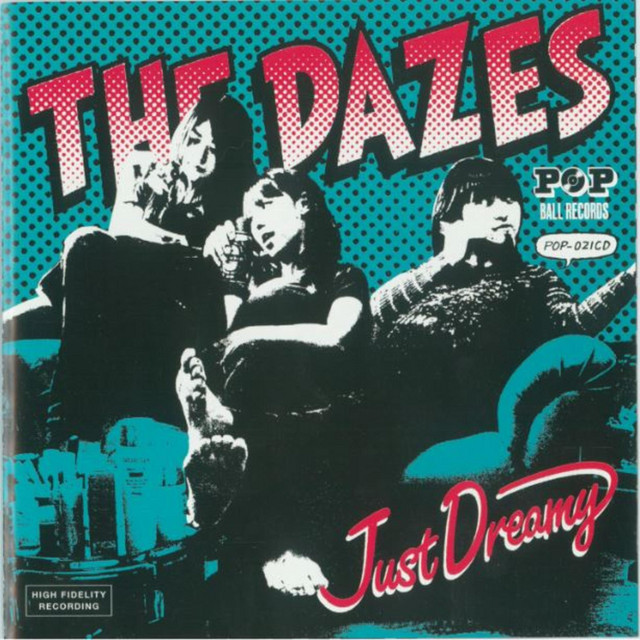
THE DAZES
Power Pop
Shibuya-Kei
J-Punk
4
/5
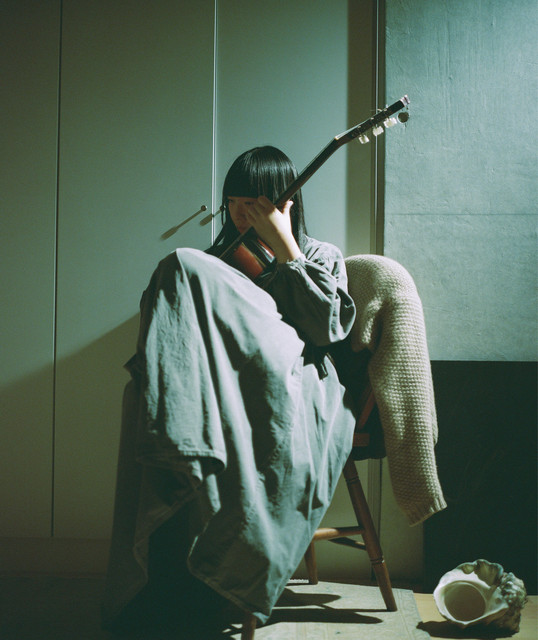
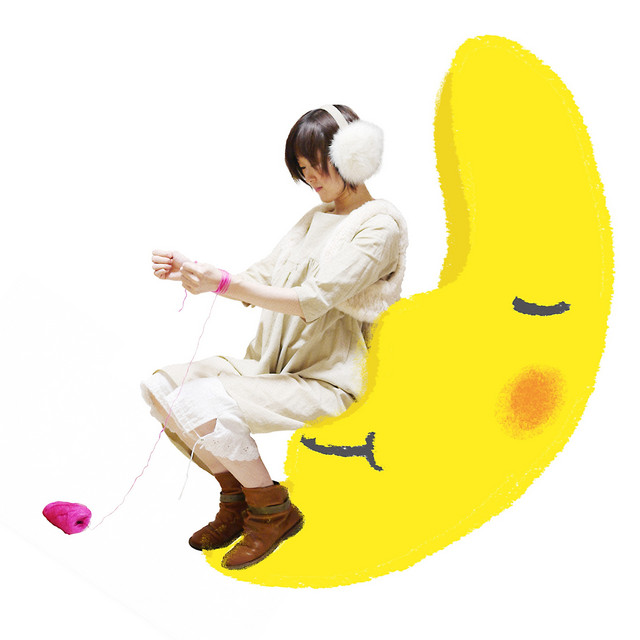
Ichiko Aoba
Shibuya-Kei
Singer-Songwriter
Chamber Folk
4
/5
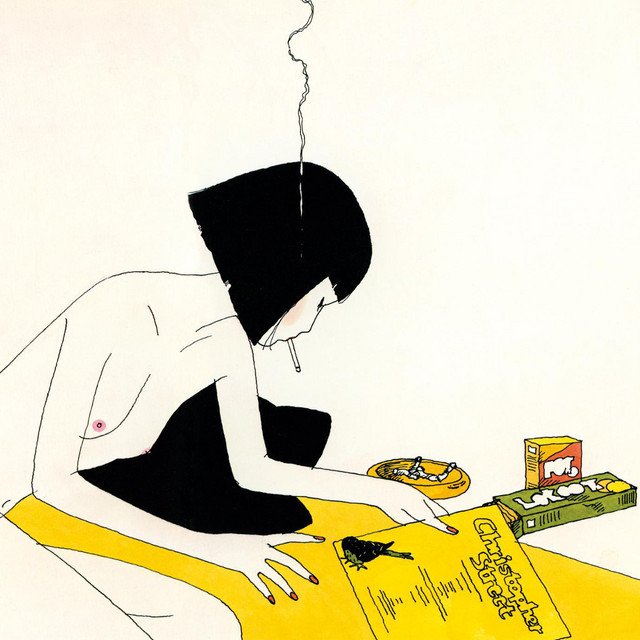
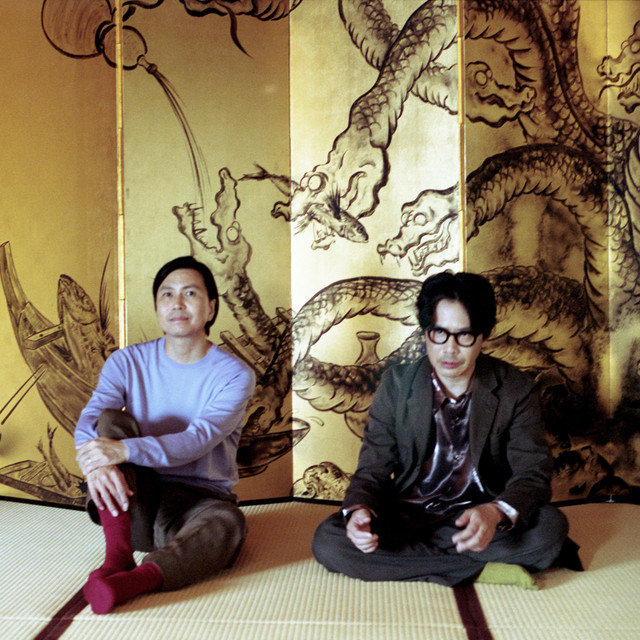
Lamp
Shibuya-Kei
City Pop
Jazz Pop
4
/5
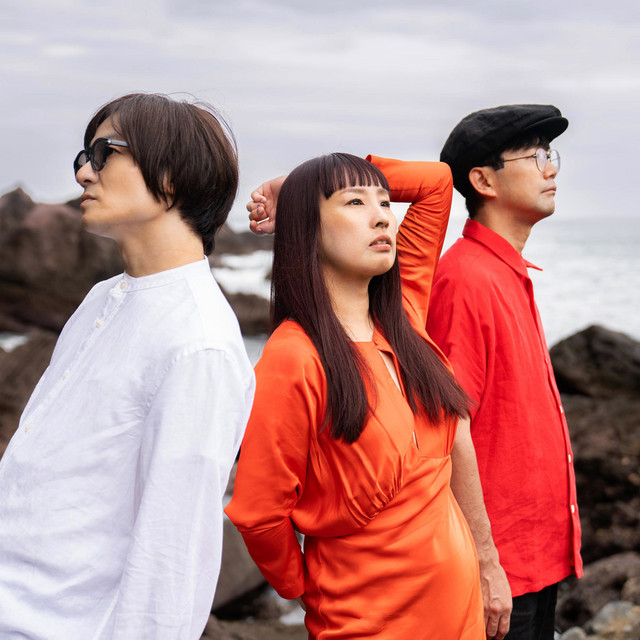
MASS OF THE FERMENTING DREGS
J-Rock
Math Rock
Shibuya-Kei
3
/5
Quruli
J-Pop
J-Rock
Japanese Indie
3
/5
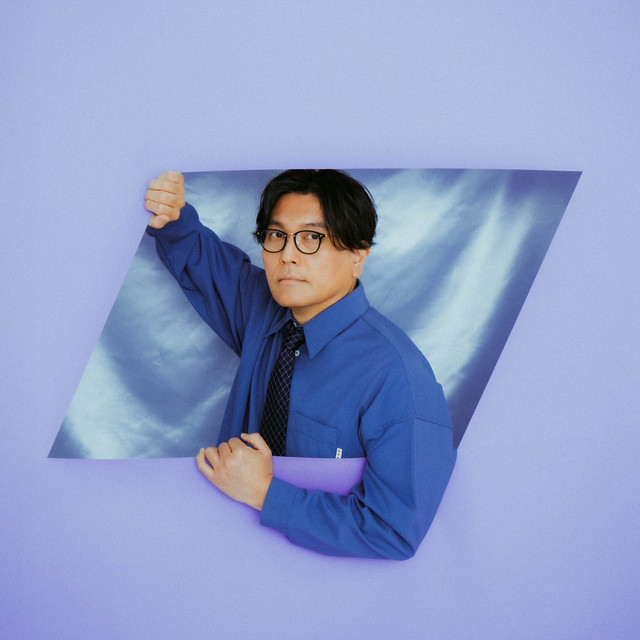
KIRINJI
J-Pop
Neo-City Pop
City Pop
3
/5
Serani Poji
Shibuya-Kei
J-Pop
Akishibu-Kei
3
/5
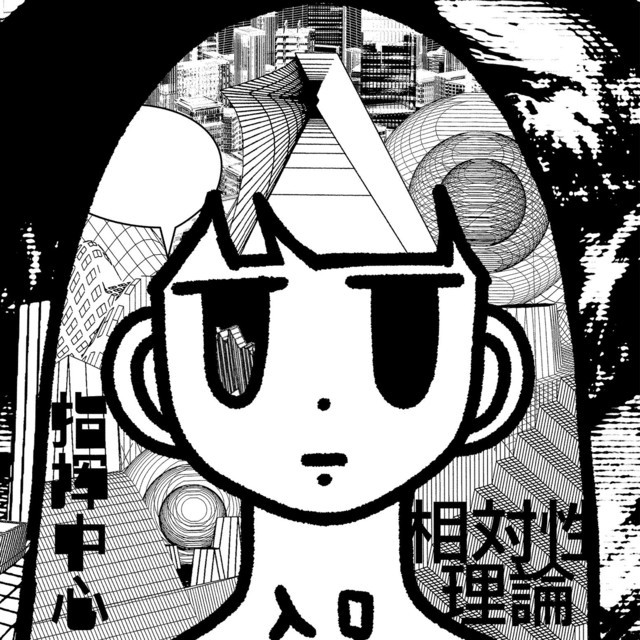
Soutaiseiriron
Shibuya-Kei
J-Pop
J-Rock
3
/5
the pillows
Alternative Rock
J-Rock
Rock
Download our mobile app
Get the Melodigging app and start digging for new genres on the go
Download on the App Store
Get it on Google Play
© 2026 Melodigging
Give feedback
About & FAQ
Legal
Melodding was created as a tribute to
Every Noise at Once
, which inspired us to help curious minds keep digging into music's ever-evolving genres.