Genres
Artists
Albums
Make Music
Sign in
Sign in
Artists
Classical
Artists
Classical
Brigitte Fassbaender
1982–2013
·
3 albums
Listen
2
/5
Genres
Expressionism
Expressionism in music is an early-20th-century modernist movement that foregrounds inner psychological states, anxiety, and alienation through highly charged sonic language. It abandons traditional tonal centers in favor of atonality or extreme chromaticism, embraces dissonance without immediate resolution, and often fragments melody into sharp, angular gestures. Textures favor clarity and intensity: chamber forces, extreme registers, abrupt contrasts of dynamics and timbre, and sparse, aphoristic forms are common. Composers experiment with Sprechstimme (speech-like vocalization), Klangfarbenmelodie (melody distributed across changing timbres), and rapidly shifting meters to intensify expression. Vocal works (monodramas, song cycles) and concise instrumental miniatures became emblematic vehicles for psychological drama.
Discover
Listen
New German School
The New German School (Neu deutsche Schule) was a mid‑19th‑century movement in German‑speaking music that championed program music, dramatic narrative, and progressive harmony. Centered around Franz Liszt in Weimar and Richard Wagner’s concept of music drama, it stood in contrast to the Brahms‑aligned current that favored "absolute" music. Its aesthetics privileged extra‑musical ideas (literature, myth, history) as structuring forces for composition. Techniques such as thematic transformation, extensive chromaticism, and motivic networks (leitmotifs) gave coherence to single‑movement orchestral forms and continuous operatic fabrics. The orchestra itself became an active narrator, expanded in size, color, and brass/woodwind innovations.
Discover
Listen
Orchestral Song
Orchestral song is an art-song tradition in which a solo voice is accompanied by a full orchestra rather than piano or a small chamber ensemble. It preserves the intimate, text-led focus of lieder and mélodie while expanding the expressive palette with orchestral color, timbral contrast, and large-scale dynamic shaping. Unlike opera, it is not staged and typically sets discrete poems or groups of poems, often assembled into cycles. Forms range from strophic to through-composed, and the style spans late-Romantic tonal idioms to early modernist harmonies. Central to the genre is the careful balance between textual clarity and orchestral richness, with the orchestra acting as a commentator and colorist—introducing motives, painting imagery, and framing the vocal line with preludes, interludes, and postludes.
Discover
Listen
Romantic Classical
Romantic classical (Romantic-era) music is the 19th‑century phase of Western art music in which expression, individuality, and imagination came to the fore. Composers expanded the orchestra, embraced chromatic harmony and bold modulations, and favored long‑breathed, emotive melodies. Aligned with the wider Romantic movement in literature and the arts, it prized the subjective—love, nature, the supernatural, nationalism, and the sublime—often through programmatic narratives. New and transformed genres (the symphonic poem, grand opera, the art song/Lied, concert overtures) coexisted with reimagined Classical forms (symphony, sonata, concerto) that grew in scale and harmonic daring. From ca. 1800 through the early 20th century, Romantic music stretched from Beethoven’s heroic style and Schubert’s lyricism to Wagner’s leitmotivic dramas and Tchaikovsky’s symphonic ballet-infused language, culminating in late-Romantic gigantism and post-Romantic continuations.
Discover
Listen
Cantata
A cantata is a multi-movement vocal composition with instrumental accompaniment, typically written for one or more soloists, choir, and a continuo or small orchestra. It may be sacred (for liturgical use) or secular (for courtly or domestic performance). Emerging in early 17th-century Italy, the cantata adopts the expressive recitative–aria contrast of opera on a smaller scale. Baroque church cantatas—especially in the German Lutheran tradition—often weave congregational chorales, contrapuntal choruses, and solo arias into a coherent cycle tied to the liturgical calendar. Stylistically, cantatas use tonal Baroque harmony, basso continuo, and movement types such as recitativo secco/accompagnato, da capo arias, choruses, and sinfonias. The genre later broadened into concert and scenic cantatas in the 19th and 20th centuries.
Discover
Listen
Opera
Opera is a large-scale theatrical genre that combines music, drama, and visual spectacle, in which the story is primarily conveyed through singing accompanied by an orchestra. It unites solo voices, ensembles, and chorus with staging, costumes, and often dance to create a total artwork. Emerging in late Renaissance Italy and flourishing in the Baroque era, opera developed signature forms such as recitative (speech-like singing that advances the plot) and aria (lyrical numbers that explore character and emotion). Over the centuries it evolved diverse national styles—Italian bel canto, French grand opéra, German music drama—while continually experimenting with orchestration, harmony, narrative structure, and stagecraft.
Discover
Listen
Classical
Classical music is the notated art-music tradition of Europe and its global descendants, characterized by durable forms, carefully codified harmony and counterpoint, and a literate score-based practice. The term “classical” can refer broadly to the entire Western art-music lineage from the Medieval era to today, not just the Classical period (c. 1750s–1820s). It privileges long-form structures (such as symphonies, sonatas, concertos, masses, and operas), functional or modal harmony, thematic development, and timbral nuance across ensembles ranging from solo instruments to full orchestras and choirs. Across centuries, the style evolved from chant and modal polyphony to tonal harmony, and later to post-tonal idioms, while maintaining a shared emphasis on written notation, performance practice, and craft.
Discover
Listen
Show all 7 genres
Albums
2013
1
/5
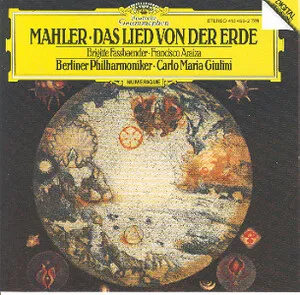
Das Lied von der Erde
Gustav Mahler
Orchestral Song
1990
1
/5
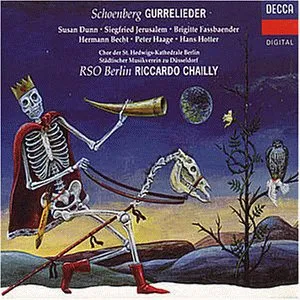
Gurrelieder
Arnold Schoenberg
Cantata
Expressionism
1982
1
/5
Tristan und Isolde
Richard Wagner
New German School
Romantic Classical
Similar artists
4
/5
London Symphony Orchestra
Classical
Ballet
Concerto
4
/5
Berliner Philharmoniker
Classical
Romantic Classical
Romanticism
4
/5
Philharmonia Orchestra
Classical
Opera
Choral
3
/5
Slovak Radio Symphony Orchestra
Classical
Opera
Orchestral
3
/5
BBC Symphony Orchestra
Classical
Opera
Orchestral
3
/5
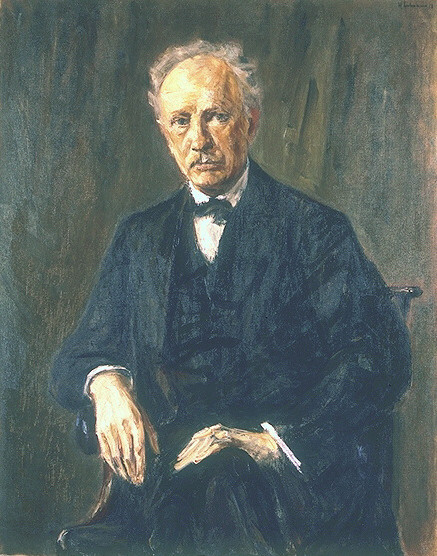
Richard Strauss
Symphonic Poem
Classical
Orchestral
3
/5
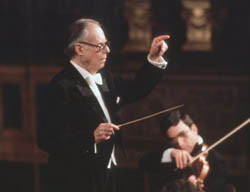
Karl Böhm
Classical
Classical Period
Opera
3
/5
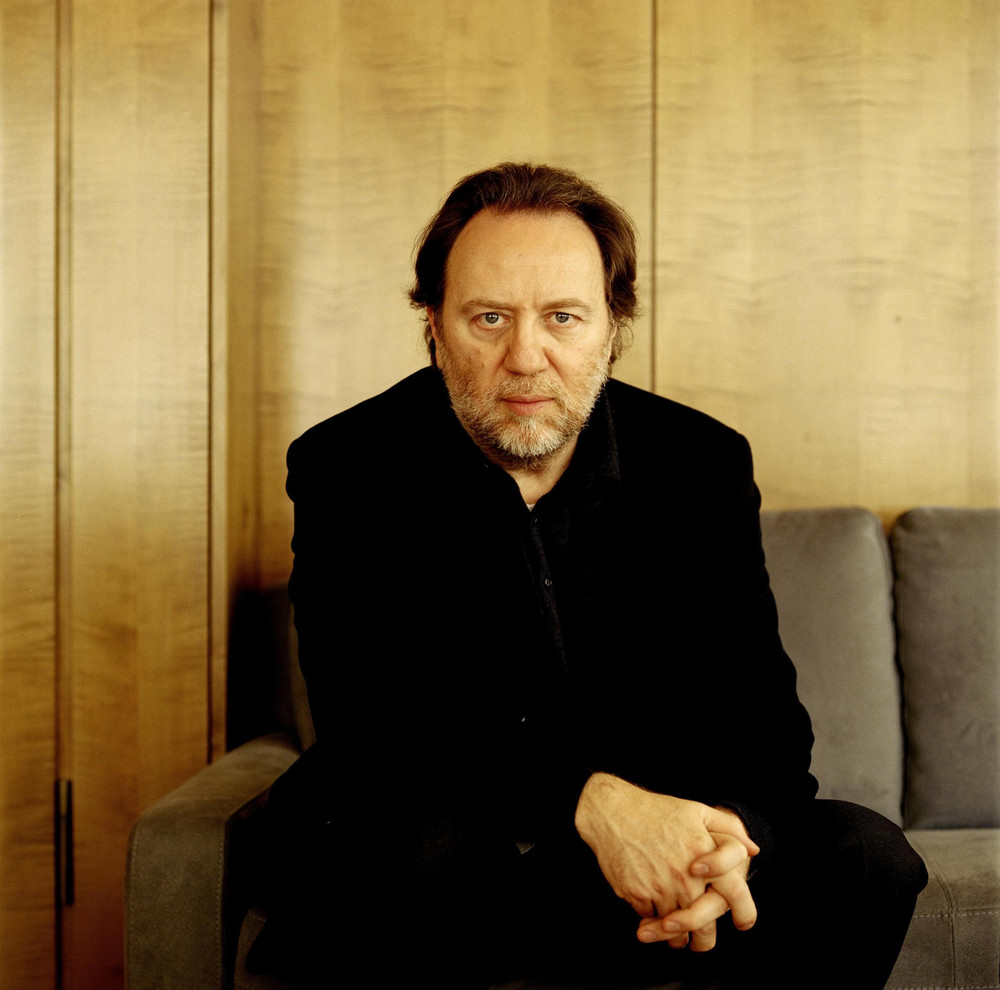
Riccardo Chailly
Classical
Deep Soundtrack
Isekai
3
/5
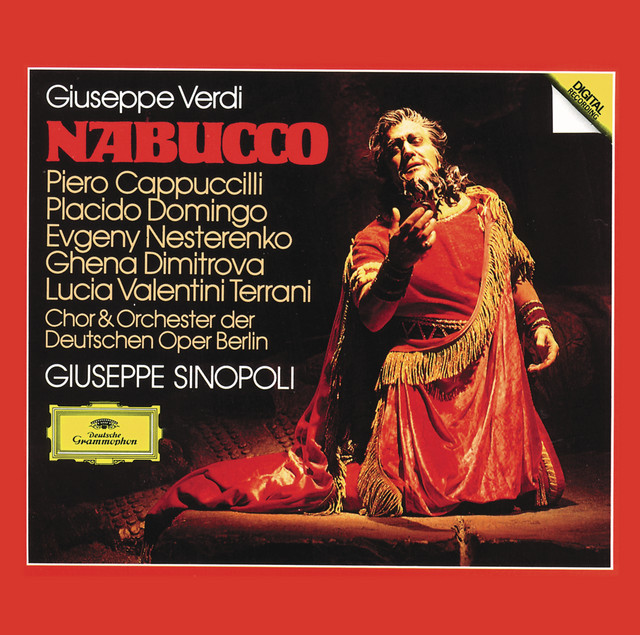
Orchester der Deutschen Oper Berlin
Cantata
Classical
Opera
3
/5
Deutsches Symphonie-Orchester Berlin
Classical
Opera
Orchestral
Download our mobile app
Get the Melodigging app and start digging for new genres on the go
Download on the App Store
Get it on Google Play
© 2026 Melodigging
Give feedback
Legal
Melodding was created as a tribute to
Every Noise at Once
, which inspired us to help curious minds keep digging into music's ever-evolving genres.