Genres
Artists
Albums
Make Music
Sign in
Sign in
Artists
Chill Phonk
Artists
Chill Phonk
BOOTY LEAK
Listen
3
/5
Genres
Neo Rave
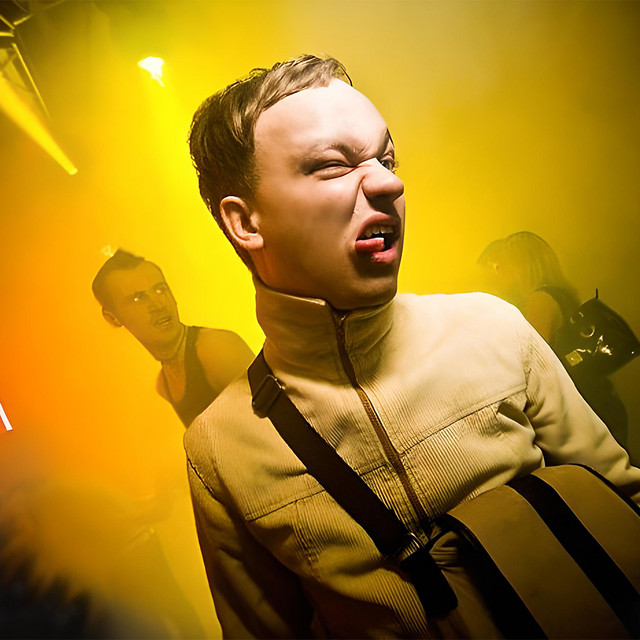
Neo rave is a contemporary electronic dance music trend that revives and recombines the energy, aesthetics, and rhythmic vocabulary of 1990s and early-2000s rave culture. It typically draws on hard trance, hard house, hard techno, trance, eurodance, donk, and other peak-time club sounds, but presents them with modern production polish, sharper low end, louder masters, internet-age branding, and a fashion-conscious club identity. The style is characterized by fast tempos, forceful four-on-the-floor kick drums, bright or nostalgic synth hooks, trance-inspired buildups, abrasive or euphoric drops, and an intentional blending of underground rave references with contemporary festival and club sensibilities. As a scene label as much as a strict sound category, neo rave often overlaps with hard techno, hypertechno, trance revival, donk-influenced club music, and post-pandemic rave culture. Its appeal lies in combining nostalgia, immediacy, spectacle, and physical dancefloor intensity.
Discover
Listen
Funk Viral
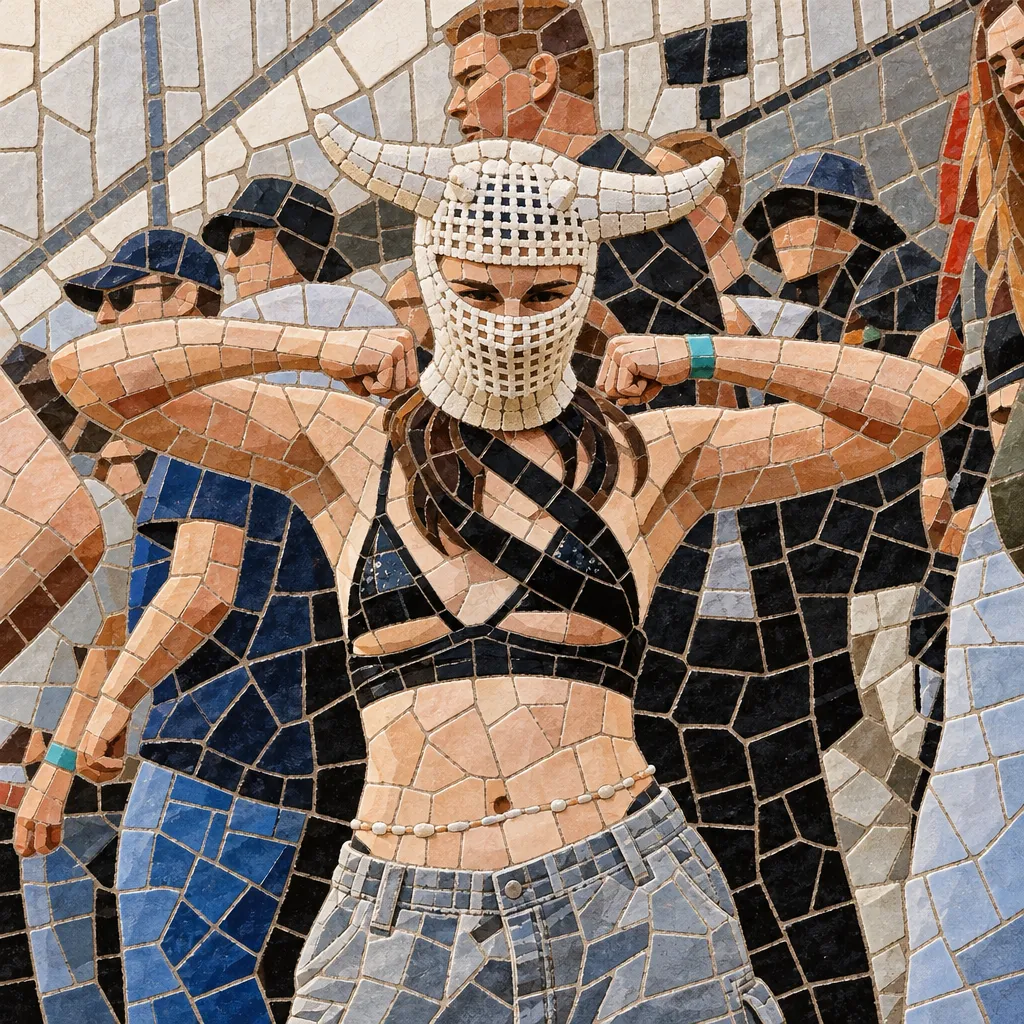
Funk viral is a contemporary, platform-native strain of Brazilian funk designed to explode on social media feeds and short‑video apps. It emphasizes instantly catchy hooks, hard‑hitting drums, sped‑up edits, and micro‑arrangements tailored to 15–30 second danceable segments. Sonically it lives close to the 150 BPM "mandelão/rave" end of funk, with booming 808 subs, clipped claps, sharp tom fills, risers, vox chops, and meme‑ready catchphrases. Producers frequently tag tracks as MTG (montagem), signaling mash‑up/remix techniques and quick cut transitions, or lean on automotivo aesthetics for extra sub and car‑sound‑system impact. Culturally it sits at the intersection of baile funk’s street party tradition and the algorithmic dynamics of TikTok/Reels, where choreography challenges, sped‑up versions, and DJ IDs travel fast. The result is a highly portable, hook‑first dance music that cycles rapidly through trends while remaining rooted in Brazilian funk’s grooves and vocal delivery.
Discover
Listen
Aggressive Phonk
Aggressive phonk is a modern, hard‑hitting offshoot of phonk that pushes speed, distortion, and tension to the forefront. It retains the genre’s signature 808 cowbell leads and Memphis rap aesthetics, but emphasizes clipping bass, saturated drums, and driving tempos suited for high‑energy contexts like drifting videos and gym edits. Compared with classic or lo‑fi phonk, it is brighter in the high end, heavier in the low end, and more relentless in rhythm. Producers favor short, repetitive motifs, minor‑key harmony, and punchy drops that translate well to social media and streaming platforms.
Discover
Listen
Brazilian Phonk
Brazilian phonk is a contemporary offshoot of phonk that fuses 1990s Memphis-rap aesthetics with the percussion, swing, and party energy of Brazilian baile funk. Producers keep the gritty, overdriven 808s, cowbells, and chopped vocal-manipulation that define phonk, then layer in tamborzão-leaning drum programming and Portuguese/Portuguese-slang vocal chops. Typically faster and more dance-focused than classic or drift phonk, Brazilian phonk often runs between 140–170 BPM, features clipped/distorted low end, syncopated claps, and razor-sharp percussive fills borrowed from funk carioca/mandelão. It is heavily tied to online culture—thriving on TikTok/Instagram “edits,” motovlog/car videos, and YouTube channels—where its high-impact drops and punchy loop design translate into quick virality.
Discover
Listen
Gym Phonk
Gym phonk is a high-energy, modern offshoot of phonk that is tailored for workout edits, lifting montages, and short‑form video clips. It merges the gritty, lo‑fi Memphis rap sampling of classic phonk with the clipped, overdriven bass, cowbell leads, and fast tempos popularized by drift phonk. Producers aim for immediate impact: hard 808 slides, distorted low end, and chant‑like vocal chops are arranged for quick drops and clear, repeatable hooks. Compared to earlier, moodier phonk, gym phonk emphasizes intensity and propulsion—often sitting around 150–170 BPM—and frequently draws from a 4‑on‑the‑floor “phonk house” feel or a halftime trap bounce. The sound went viral across TikTok, YouTube, and gym playlists, driven by Russian/Eastern European and global producers who optimized the style for heavy training and motivational edits.
Discover
Listen
Stutter House
Stutter house is a contemporary house microgenre defined by the percussive use of chopped and rapidly re-triggered vocal fragments that “stutter” rhythmically over a four-on-the-floor groove. Producers slice a short vocal phrase into tiny grains (often 1/8–1/32 notes), gate or retrigger them in syncopated patterns, and then pitch-, formant-, or time-shift the pieces to create a hook that functions as both melody and rhythm. The style typically runs at 124–130 BPM, pairs a tight, sidechained low-end with crisp tech house drums, and relies on minimalist arrangement so the stuttering vocal lead remains the focal point. It borrows the tactile, loop-centric immediacy of tech house and the glitchy ear-candy of modern EDM while keeping club mixing and dancefloor momentum in mind.
Discover
Listen
Chill Phonk
Chill phonk is a mellow, atmospheric branch of phonk that softens the raw, gritty edges of 90s Memphis-inspired beats with lo‑fi warmth, dreamy pads, and spacious mixing. Instead of the high-octane, cowbell-driven aggression of drift phonk, chill phonk favors slower to mid‑tempo grooves, jazzy or soul‑leaning samples, deep but gentle 808 subs, and tape‑worn textures. Vocals—if present—are usually pitched down and treated with heavy reverb or delay, sitting more as ambience than as a commanding lead. The overall effect is nostalgic, nocturnal, and introspective: music made for late drives, study sessions, and quiet reflection while still retaining the head‑nod swing of Southern hip‑hop.
Discover
Listen
Covertronica
Covertronica is a microgenre centered on electronically produced cover versions of well‑known songs. Artists retain the recognizability of the original melodies and hooks, but reimagine them with contemporary electronic palettes—glossy synths, side‑chained pads, drum machines, 808s, and modern pop/EDM production. The style thrives on clever reharmonization (e.g., minor/major flips), tempo shifts, and textural redesign, often translating rock, soul, or classic pop into sleek electropop/indietronica frameworks. Vocals are typically polished and upfront, with stacked harmonies, tight autotune as a color (when desired), and arrangement tricks such as filtered intros, half‑time drops, and breakdowns that mirror club and synth‑pop dynamics. Because the repertoire comes from existing songs, covertronica is as much about curatorial taste and arrangement craft as it is about sound design, making it a meeting point between DJ culture’s recontextualization and the singer‑producer era of the internet.
Discover
Listen
Deep Deep House
Deep deep house is a late-evolution branch of deep house that emphasizes warmth, space, and subtlety over overt hooks or peak-time energy. Compared with classic deep house, it leans even more toward minimal, dub-inflected textures, extended harmonies, and long atmospheric tails. Tracks typically feature understated yet weighty low end, soft Rhodes or pad chords rich in 7ths/9ths, lightly swung percussion, and carefully sculpted ambience. The mood is intimate and immersive—club music that invites close listening as much as dancing—often suited to small rooms, lounges, after-hours sets, and sunset/sunrise moments.
Discover
Listen
Deep Tropical House
Deep tropical house is a mellow, low-end–rich offshoot of tropical house that blends the genre’s sunlit, beachy timbres (steel or mallet-like plucks, airy flutes, nylon-guitar or marimba motifs) with the smooth, subterranean warmth of deep house. Typically sitting around 100–115 BPM, it favors a steady four-on-the-floor kick, soft off-beat hats, hand percussion (shakers, congas), and a sidechained, rounded sub or sine/saw bass. Pads and keys are lush but restrained, with long reverbs and delays creating a humid, enveloping space. Vocals tend to be intimate and breathy, often centering nostalgic, romantic, or feel-good themes. Compared with mainstream tropical house, deep tropical house is less syrupy and more nocturnal: fewer big-room pop flourishes, more low-mid warmth, deeper grooves, and a calmer, poolside-after-dark atmosphere.
Discover
Listen
Gaming Edm
Gaming EDM is a bright, hook‑driven branch of electronic dance music tailored for online gaming, streaming, and creator culture. It blends festival‑ready drops and sidechained supersaws with melodic, video‑game–friendly timbres (arpeggiated leads, chip/8‑bit flourishes) and clean royalty-friendly production that sits well under voice chat or commentary. The songs are typically concise, high‑energy, and instantly catchy, engineered to loop well on streams and to sync to highlight reels and esports content.
Discover
Listen
Phonk
Phonk is a dark, sample-heavy microgenre of hip hop and trap that resurrects the gritty aesthetics of 1990s Memphis rap. It blends chopped-and-screwed vocals, ominous minor-key loops, lo‑fi textures, and overdriven 808s to create a woozy, menacing atmosphere. While early phonk leaned on slowed vocal samples and cassette‑era grit, a later offshoot known as drift phonk foregrounded hard‑clipping 808 bass and bright cowbell patterns at faster tempos, becoming synonymous with car/drift videos and social media virality. Across its variants, phonk is united by retro Southern rap DNA, tape‑worn sonics, and an underground, DIY producer culture.
Discover
Listen
Re:techno
Re:techno is a contemporary, internet-native tag within the techno ecosystem that signals a return to early‑2000s loop/hardgroove aesthetics, updated with modern punch, loudness, and precision. Typically in the 130–138 BPM range, tracks emphasize driving 4/4 kicks, rolling off‑beat bass patterns, swung hi‑hats, toms, shakers, and tribal/Latin‑coded percussive riffs. The harmony is sparse—often limited to filtered stabs or drones—so that rhythm and texture carry the dance floor. Long DJ‑friendly intros/outros, incremental filtering, quick fills, and micro‑arrangement changes give the music an endlessly propulsive feel. Rather than inventing a new sound from scratch, re:techno reframes an existing lineage (Swedish/Iberian loop techno, hardgroove, acid/tribal currents) for today’s clubs and digital marketplaces, delivering highly mixable “tool” tracks that are functional, funky, and relentlessly dance‑floor oriented.
Discover
Listen
Tropical House
Tropical house is a mellow, melodic offshoot of deep house that blends a four-on-the-floor pulse with sun-soaked timbres like steel drums, marimba, pan flute, and warm acoustic guitar. It typically runs around 100–115 BPM, favors major-key progressions, and foregrounds breezy hooks over heavy drops, making it feel more like a summer pop record than a club banger. Vocals often carry romantic, nostalgic, or escapist themes—beaches, sunsets, and travel—while the production emphasizes soft percussion, sidechained pads, and a smooth, rolling sub. The genre rose to global prominence mid-2010s through hit remixes and crossover singles that brought house aesthetics into mainstream pop radio.
Discover
Listen
Big Room House
Big room house is a festival-focused strain of EDM built for massive sound systems and outdoor main stages. It typically runs around 126–132 BPM (most commonly 128), uses four-on-the-floor kick patterns, and features huge, simple lead riffs designed to be instantly memorable to large crowds. A defining trait is the contrast between cinematic, reverb-washed breakdowns and ultra-dry, percussive drops driven by a powerful kick, sub, and a few bold supersaw or horn-like synth stabs. Arrangements lean on dramatic builds with snare rolls, risers, and crowd-hyping vocal chops, culminating in drops that emphasize impact over harmonic complexity.
Discover
Listen
Chill House
Chill house is a mellow, laid-back strain of house music designed for relaxed listening as much as for dancing. It typically keeps a steady four-on-the-floor pulse but softens the impact with warm pads, gentle basslines, filtered chords, and spacious reverb. Compared with peak-time or club-focused house, chill house prioritizes atmosphere, smooth groove, and “sunset” vibes, often borrowing the hazy textures of chillwave and downtempo while staying within house’s rhythmic framework.
Discover
Listen
Slap House
Slap house is a pop-leaning strain of deep/house music built around a short, percussive "slap" bass that punches through the mix with aggressive sidechain compression. It typically sits between 118–125 BPM, uses simple minor-key harmony, and places a catchy topline—often a pitched‑down vocal or a cover of a familiar hit—over a sparse, club‑ready groove. The style borrows the weighty low end and rhythmic bounce of Brazilian bass while streamlining arrangements for streaming and radio. Clean four‑on‑the‑floor kicks, clipped claps on 2 and 4, and a tight, syncopated bass riff define the drop, with subtle pads, plucks, and FX in the breakdowns. Its combination of moody harmony, recognizable hooks, and dancefloor impact helped it dominate charts and TikTok/Spotify playlists in the late 2010s and early 2020s.
Discover
Listen
Future House
Future house is a mid‑2010s strain of house music known for rubbery, plucked bass leads, clean and punchy drums, and streamlined, drop‑focused arrangements. It bridges the groove and warmth of deep/UK house with the sheen and impact of big‑room/electro‑house, often featuring metallic or organ‑like bass timbres that “speak” melodically. Typical tracks sit around 124–128 BPM, use tight sidechain compression for a pumping feel, and contrast sparse, atmospheric breakdowns with hooky, syncopated bass drops. Vocals, when present, are concise—often chopped or pitched—and the sound design emphasizes clarity, swing, and a modern, club‑ready polish.
Discover
Listen
Gym Hardstyle
Gym hardstyle is a social‑media‑driven offshoot of hardstyle tailored for high‑intensity training and fitness culture. It keeps the genre’s signature 150 BPM drive, colossal distorted kicks, and supersaw leads, but focuses on instantly motivational hooks, dramatic builds, and punchy, loop‑friendly drops designed to keep energy levels high during workouts. Compared with festival‑oriented hardstyle, gym hardstyle strips arrangements to the essentials: hard‑hitting kick and bass, short anthemic melodies in minor keys, and crowd‑stirring vocal one‑liners or speech samples. The result is a darker, more relentless, and highly practical form of hardstyle optimized for gym playlists, TikTok/YouTube shorts, and pre‑set hype moments.
Discover
Listen
Hard Industrial Techno
Hard industrial techno is a punishing, high‑intensity branch of techno that welds together the relentless four‑to‑the‑floor pulse with the abrasion of industrial noise and the body‑music punch of EBM. It is typically fast (often 145–165 BPM), features heavily distorted and side‑chained kick drums, metallic percussion, machine‑like samples, and stark, minimal harmonic content. Arrangements emphasize long, DJ‑friendly intros and outros, pressure‑building transitions, and explosive drops built around a saturated, monolithic low end (“rumble kicks”). The atmosphere is dark, dystopian, and cathartic—designed for warehouses and cavernous clubs—where texture, impact, and groove take priority over melody.
Discover
Listen
Modern Hardtek
Modern hardtek is the polished, festival-ready evolution of French hardtek/tekno, characterized by fast tempos, oversized kick-bass design, and high-impact drops. It keeps the four-on-the-floor drive of tekno while adopting contemporary sound design, tighter arrangements, and louder, cleaner mastering. Typical BPM ranges from 170 to 190, with heavily distorted, punchy kicks, rolling basslines, razor-edged leads, and comedic or rave-coded vocal chops. Compared to 1990s/2000s free-party hardtek, the modern variant favors precision editing, EDM-style builds, and crowd-pleasing hooks while retaining the rebellious energy of the teknival movement.
Discover
Listen
Hyper Techno
Hyper techno is a high-energy dance style that first appeared in Japan in the 1990s, where labels and club culture marketed "hyper" offshoots of techno for Para Para–style dance floors. It emphasized fast, driving four-on-the-floor beats, simple and catchy toplines, and bright synth timbres. In the 2020s, the term resurfaced globally for a pop-facing, festival-ready variant that blends fast tempos, prominent basslines, and hard-hitting drums with streamlined hooks and earworm vocals. This new wave draws heavily on Y2K Eurodance/Hard Dance aesthetics and Electropop songwriting, packaged for short-form virality and big-room impact.
Discover
Listen
Show all 22 genres
Similar artists
4
/5
Oliver Tree
Alternative Hip Hop
Alternative Rock
Aussie Drill
3
/5
K3YN0T3
Candy Pop
Covertronica
Flint Sound
3
/5
Swae Boy
Covertronica
Deep Tropical House
Gaming Edm
2
/5
KiLLTEQ
Covertronica
Gaming Edm
Hyper Techno
5
/5
David Guetta
Dance
Electronic
House
5
/5
Dua Lipa
Pop
Dance-Pop
Boyfriend Country
5
/5
Ed Sheeran
Soft Pop
Pop
Folk Pop
5
/5
Sean Paul
Dancehall
Reggae
Pop
5
/5
Zara Larsson
Swedish Pop
Dance-Pop
Pop
5
/5
HUGEL
Afro House
Latin House
Techengue
Download our mobile app
Get the Melodigging app and start digging for new genres on the go
Download on the App Store
Get it on Google Play
© 2026 Melodigging
Give feedback
Legal
Melodding was created as a tribute to
Every Noise at Once
, which inspired us to help curious minds keep digging into music's ever-evolving genres.