Genres
Artists
Albums
Make Music
Sign in
Sign in
Artists
Tibetan Buddhist Chant
Artists
Tibetan Buddhist Chant
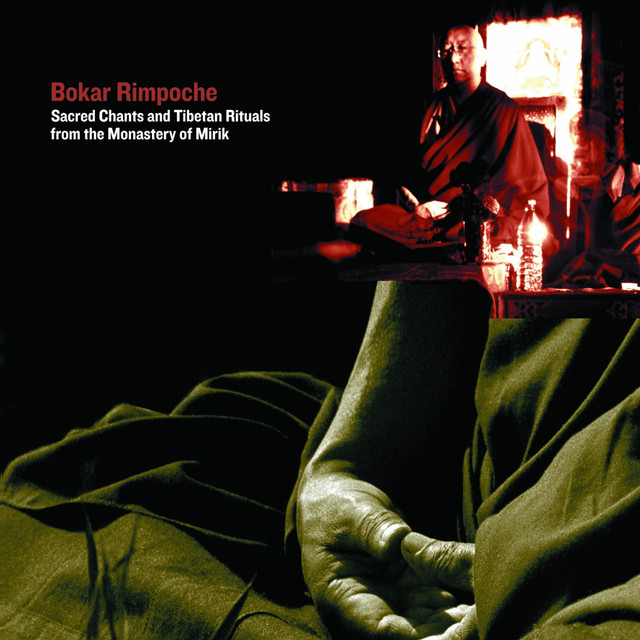
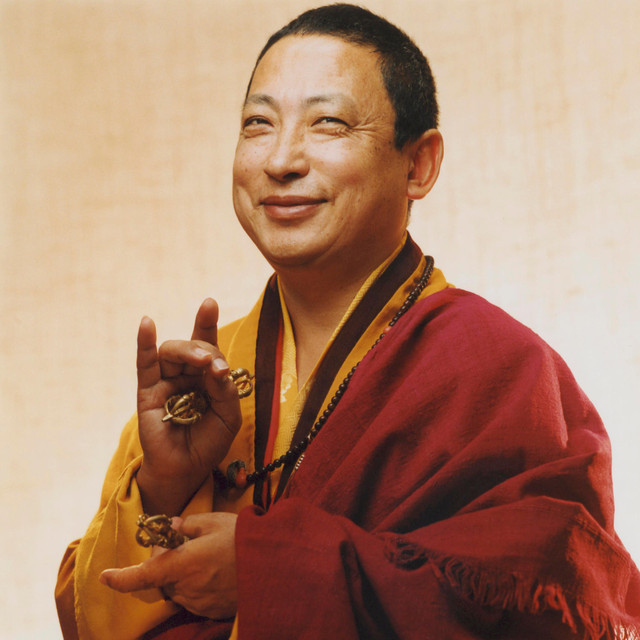
Bokar Rimpoche
2007
·
1 album
Listen
1
/5
Genres
Tibetan Buddhist Chant
Tibetan Buddhist chant is a liturgical vocal tradition used in monasteries and temples across the Tibetan cultural sphere. Its most recognizable sound is the exceptionally low, overtone-rich "chordal" chanting practiced by tantric colleges, in which monks produce a fundamental tone with audible subharmonics to create a multi-tone effect. The chant accompanies ritual cycles, recitation of sutras and tantras, and the repetition of mantras such as "Om Mani Padme Hum." It is often framed by ritual instruments—long horns (dungchen), double-reed oboes (gyaling), conch shells (dungkar), thighbone trumpets (kangling), cymbals (rolmo, silnyen), hand drums (damaru), frame drums (nga), and bells (drilbu)—that cue sections, signal deities, and shape the ritual flow. Melodically, the style favors sustained tones, narrow-range formulae, and modal inflections; rhythm is breath-governed and leader-choir responsorial rather than strictly metrical. Beyond its sonic qualities, the chant is a contemplative practice: texts and seed syllables are vocalized with the aim of stabilizing attention, invoking enlightened qualities, and enacting visualization practices central to Vajrayana Buddhism.
Discover
Listen
Tibetan Mantra
Tibetan mantra is a sacred vocal tradition rooted in Vajrayana (Tantric) Buddhism, in which mantras—short, potent strings of syllables in Tibetan or liturgical Sanskrit—are chanted repetitively to focus the mind, cultivate compassion, and enact ritual power. Musically, it features sustained drones, low-register overtone/undertone chanting by male monastic choirs (famously the Gyuto and Gyume traditions), and responsorial patterns. Ritual instruments such as the drilbu (handbell), damaru (hourglass drum), dungchen (long horn), gyaling (reed oboe), kangling (horn), large frame drums, gongs, and cymbals punctuate or underpin the vocal texture. The melodic motion is narrow and modal, often hovering around recitation tones rather than harmonically driven progressions. Tempi are generally slow to moderate, emphasizing breath, resonance, and textual clarity. The repertoire centers on mantras like Om Mani Padme Hum (Avalokiteśvara), Om Tare Tuttare Ture Soha (Tārā), and Om Ah Hum Vajra Guru Padma Siddhi Hum (Padmasambhava), performed in liturgy, meditation, and public ceremonies.
Discover
Listen
Albums
2007
Sacred Chants and Tibetan Rituals From the Monastery of Mirik
Bokar Rimpoche
Tibetan Mantra
Tibetan Buddhist Chant
Similar artists
2
/5
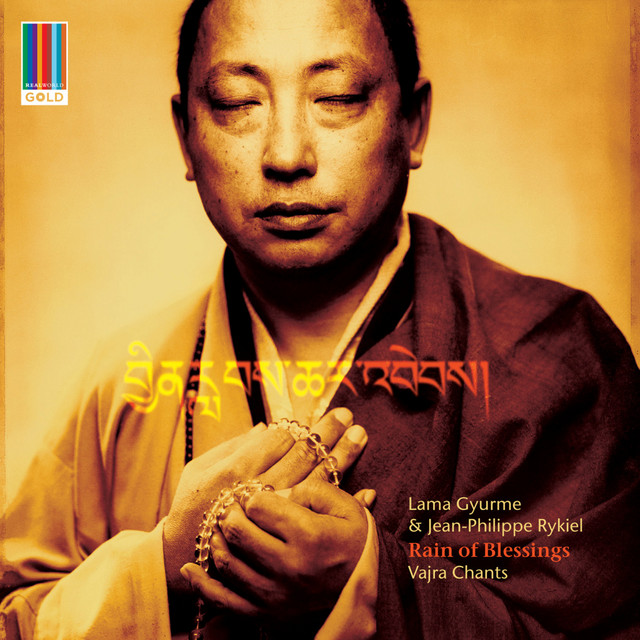
Lama Gyurme
Buddhist Music
Mantra
Tibetan Buddhist Chant
2
/5
Jean-Philippe Rykiel
Buddhist Music
Mantra
Musique Soninke
2
/5
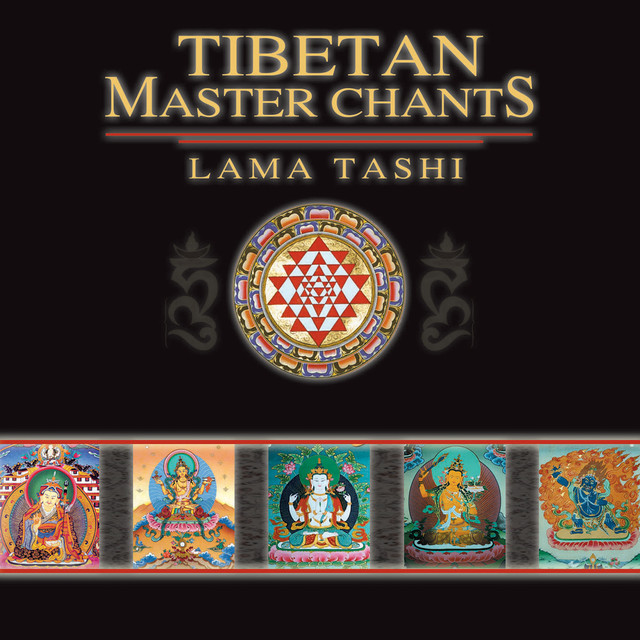
Lama Tashi
Tibetan Buddhist Chant
Tibetan Mantra
2
/5
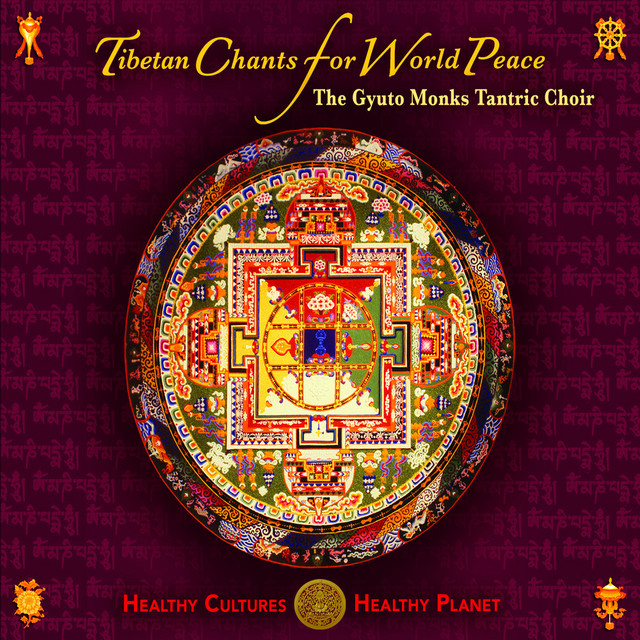
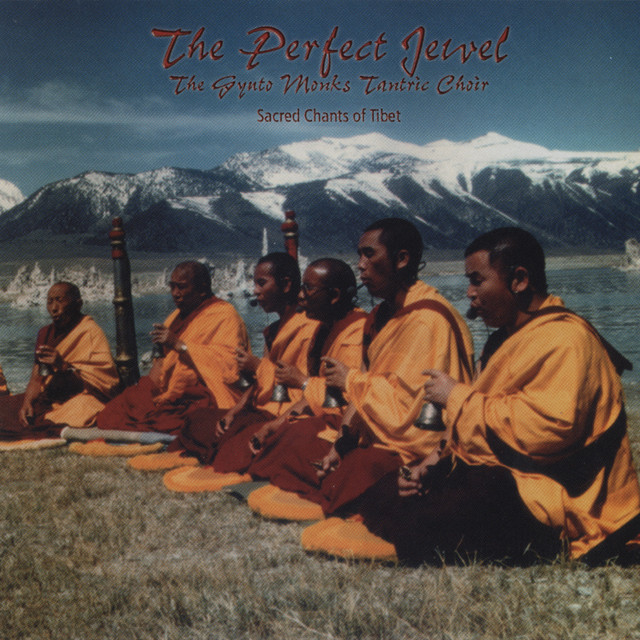
The Gyuto Monks Tantric Choir
Buddhist Music
Mantra
Tibetan Buddhist Chant
2
/5
The Gyuto Monks
Buddhist Music
Mantra
Tibetan Buddhist Chant
1
/5
Buddhist Monks of Maitri Vihar Monastery
Buddhist Music
Mantra
Tibetan Buddhist Chant
1
/5
Eight Lamas From Drepung
Buddhist Music
Mantra
Tibetan Buddhist Chant
1
/5
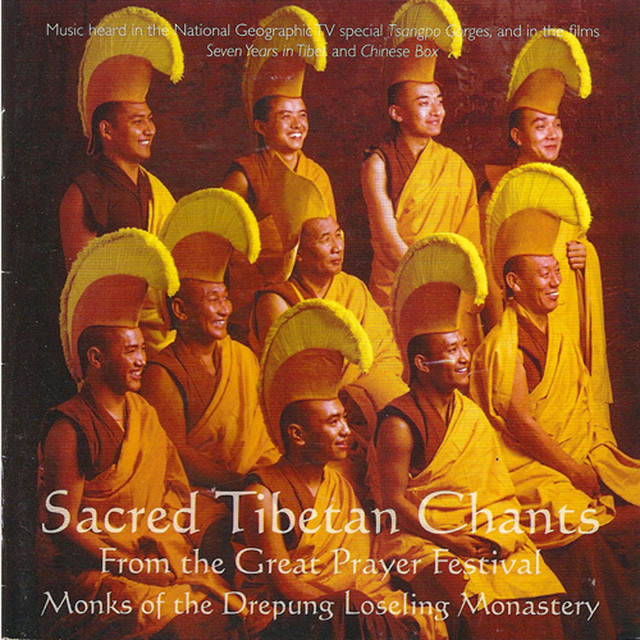
Drepung Loseling Monastery Monks
Mantra
Tibetan Buddhist Chant
Tibetan Mantra
4
/5
Traditional
Gregorian Chant
Classical
Spanish Classical Music
3
/5
Lama Dorje
Tibetan Mantra
Download our mobile app
Get the Melodigging app and start digging for new genres on the go
Download on the App Store
Get it on Google Play
© 2026 Melodigging
Give feedback
Legal
Melodding was created as a tribute to
Every Noise at Once
, which inspired us to help curious minds keep digging into music's ever-evolving genres.